
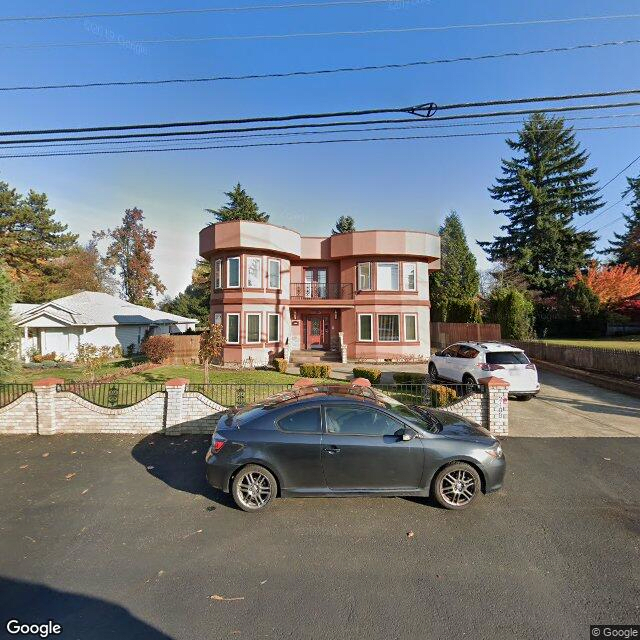
2106 NE 132nd Ave, Portland, OR 97230
To contact a resident: (503) 254-4598
For more information about senior living options: (866) 208-4318
Ana Brodeanu Costs & Pricing
Ana Brodeanu's monthly cost for a private room stands at $4,500, which notably exceeds both the average rates in Multnomah County ($3,227) and the broader state of Oregon ($3,424). This discrepancy suggests that Ana may be opting for amenities or services that cater to her specific needs or preferences, contributing to a higher overall expense. While her choice may reflect a desire for a more personalized experience, it also highlights the financial considerations one must navigate within the context of local and state averages.
| Floor plans | Ana Brodeanu | Multnomah County | Oregon |
|---|---|---|---|
| Private | $4,500 | $3,227 | $3,424 |
Senior living communities with a similar price nearby
-
from -$700 / mo

The Inn at University Village
$3,800 to $7,500 / month13.6 miles away -
from -$500 / mo
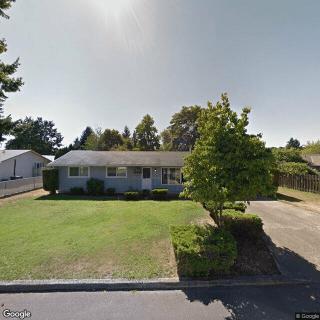
Oaktree Adult Care Home
$4,000 / month15.0 miles away -
About the same
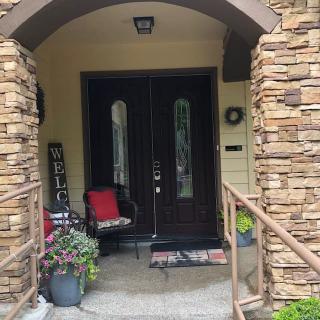
Casa Shattuck Senior Care
$4,500 / month10.4 miles away -
About the same
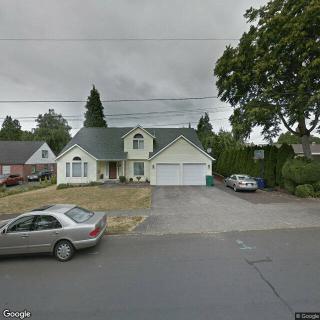
Genuine Senior Living
$4,500 / month8.3 miles away -
About the same
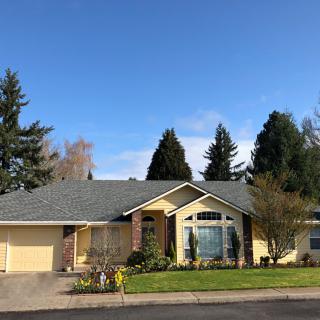
Best Care Adult Family Home
$4,500 / month11.5 miles away
Overall Review of Ana Brodeanu
Pros
 Very nice lady.
- Agreed to accept Medicaid.
- Private bath.
- Can do meds.
Cons
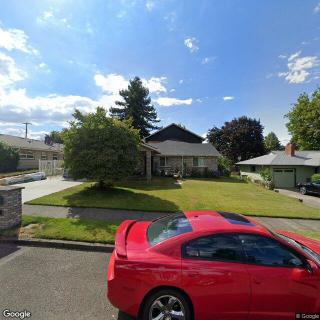
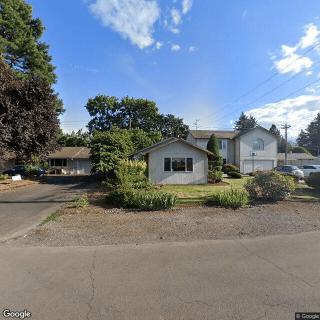
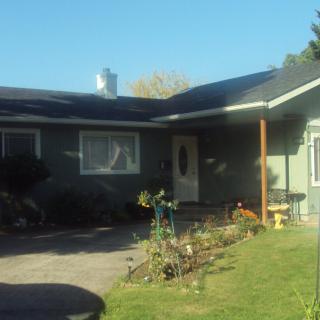
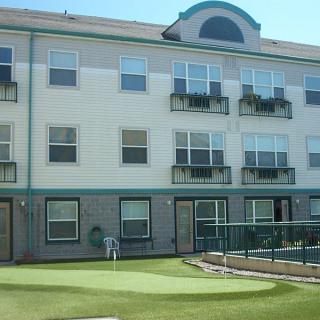
 The care home is very small compared to the size of the house.
- The area for the residents to collect was messy.
- There was a strong mildew smell.
- The woman in charge of the home was very forceful in her speaking, which may deter some people.
- All residents but one are bed bound.
Review
Ana Brodeanu in Portland is best suited for families that prioritize a very small, home-like care setting and need Medicaid acceptance with straightforward medication management and a private bathroom for a resident who requires substantial daily help and around-the-clock supervision. The home operates on a much smaller footprint than typical assisted living facilities, which can feel intimate to families seeking close oversight and a hands-on caregiver presence. The resident mix, described as nearly all bed-bound, signals high care needs and a daily routine built around constant support. This is not a setting for anyone seeking independence or a lively social life; it’s a compact environment designed for steady supervision and predictable care.
Those who may want to consider alternatives include families seeking more space, less forceful communication from staff, and a calmer, more expansive common area. The reported issues, a messy gathering space and a strong mildew odor, could deter residents who value cleanliness, air quality, or a warm, welcoming atmosphere. If a resident thrives on variety in programming, meaningful activities, or a more relaxed interpersonal tone, a larger, professionally run assisted living community or a dedicated memory-care setting is likely a better fit.
On the flip side, the practical advantages are meaningful for the right buyer. Medicaid acceptance lowers the financial barrier, and the ability to manage medications in-house plus access to a private bathroom are tangible conveniences for families navigating complex care needs. An operator described as “very nice” can translate into responsive, personable day-to-day interactions, which matter when care requires constant oversight. Yet these positives are undercut by the core drawbacks: the space feels cramped, the common area is not well-kept, and the mildew odor signals potential cleanliness or ventilation problems. The combination of a tiny footprint and a direct, forceful care style can erode comfort for residents who need gentler, reassuring supervision.
Prospective families should prioritize visits with a sharp eye for environment and processes. During tours, assess cleanliness and smell at peak times, request a clear outline of the daily routine, and confirm who handles medications, how administration is documented, and how changes in condition are communicated. Look beyond private baths and Medicaid status to the actual living space: size, layout, quiet corners for visits, and whether there is room to accommodate evolving care needs. Inquire about housekeeping frequency, laundry routines, and what steps are taken to address odors and mildew. Also discuss staff training in de-escalation and person-centered care to determine whether the described forceful style is likely to undermine long-term comfort.
When comparing options, Ana Brodeanu makes the most sense for families with constrained budgets and a resident who can tolerate a highly supervised, intimate setting. For those who expect more space, ongoing social opportunities, and a softer interpersonal approach, several larger assisted living communities or specialized memory-care facilities will deliver a markedly different experience. The key trade-off is clear: reduced cost and a private bathroom versus limited space, odor concerns, and a more direct, less-is-more care style. The decision should hinge on whether the essential care needs, budget constraints, and tolerance for a compact, home-like environment align with the resident’s long-term comfort and safety.
In sum, Ana Brodeanu operates as a compact, Medicaid-friendly option suitable for residents needing high levels of assistance and families prioritizing affordability and straightforward medication support. It is a workable choice for those who place a premium on budget and privacy in a tiny setting, provided ambiances of cleanliness and a softer caregiver tone are not non-negotiables. For others, exploring alternatives with more space, better odor control, and a calmer daily rhythm will likely yield higher satisfaction and stability over time. The practical path is clear: visit with precise questions, scrutinize the living environment, and weigh the resident’s care plan and family logistics against the realities of the space and staff dynamics.
 Board and Care Home
 Activities on-site
 Air-conditioning
 Bath tubs
 Cable or satellite TV
 Devotional services off-site
 Handicap accessible
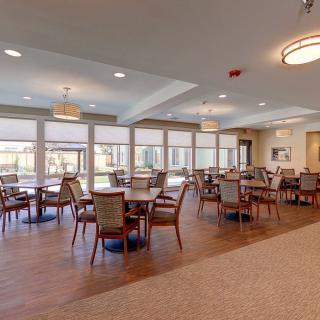
 Indoor common areas
 Private
 Private bathrooms
 Wheelchair accessible showers
 Wi-Fi/high-speed internet available
 Portland International (5 miles away)
 Diabetic care
 High acuity care
 Incontinence care
 Medication management
 Anytime dining
 BBQs or picnics
 Birthday parties
 Visiting Rabbi
 Visiting chaplain or priest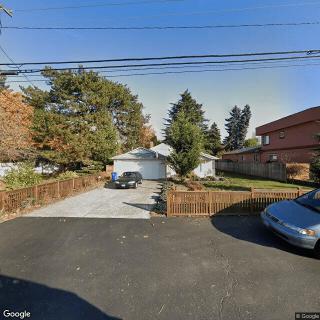

 Comprehensive Guide to Blood Pressure Charts for Older Adults: Understanding Normal and High Readings by Age
 Financing Long-Term Nursing Home Care Through Social Security: A Thorough Exploration
 Essential Knowledge on Pneumonia in Older Adults