
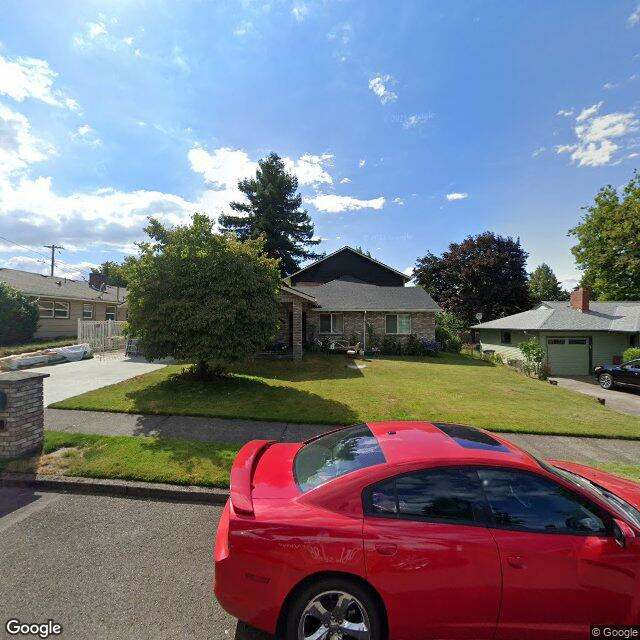
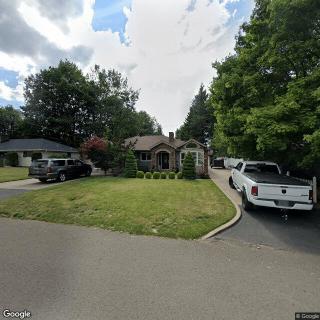
2609 NE 137th Ave, Portland, OR 97230
To contact a resident: (503) 760-1425
For more information about senior living options: (866) 208-4318
Kreibik Adult Family Care Home Costs & Pricing
Kreibik Adult Family Care Home offers competitive pricing for its services when compared to the broader rates in Multnomah County and the state of Oregon. For a semi-private room, the cost is set at $4,000 per month, which closely aligns with the county average of $4,011 but is notably lower than the state average of $4,457. In contrast, for a private room, Kreibik's rate of $4,500 surpasses both the county rate of $3,227 and the state average of $3,424. This indicates that while Kreibik provides a more premium option for those seeking private accommodations, their semi-private rooms remain attractively priced within the regional context. Overall, Kreibik Adult Family Care Home presents itself as a compelling choice for families considering adult care options in this area.
| Floor plans | Kreibik Adult Family Care Home | Multnomah County | Oregon |
|---|---|---|---|
| Semi-Private | $4,000 | $4,011 | $4,457 |
| Private | $4,500 | $3,227 | $3,424 |
Senior living communities with a similar price nearby
-
from -$200 / mo

The Inn at University Village
$3,800 to $7,500 / month13.5 miles away -
About the same
Oaktree Adult Care Home
$4,000 / month15.3 miles away -
from +$500 / mo
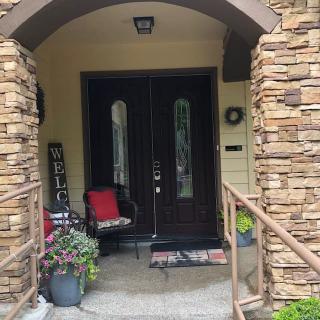
Casa Shattuck Senior Care
$4,500 / month10.7 miles away -
from -$500 / mo
Fulga's ACH
$3,500 / month16.6 miles away -
from -$500 / mo
Family and Company NW
$3,500 to $3,800 / month17.5 miles away
Overall Review of Kreibik Adult Family Care Home
Pros
 They are happy with the Kreibik AFC community.
- Their overall rating of this property is 5 stars.
- They have had a positive experience with this community.
- The community is excellent.
- They are very happy overall.
- Their loved one is well taken care of.
- They would recommend the Kreibik AFC.
Review
Kreibik Adult Family Care Home in Portland is best suited for seniors who prefer a small, home-like setting over a large, impersonal campus. This is the kind of care where daily routines feel familiar, staff build real rapport with residents, and decisions can be made with a practicality that mirrors family life. For families seeking straightforward communication and hands-on, personalized attention, the AFC model shines. The lone reviewer’s strong, five-star endorsement, describing the community as excellent and the resident as well cared for, underscores a compelling alignment between intimate care and a sense of security, dignity, and belonging.
Those considering alternatives should note that this setting may not be the right fit for every need. Residents with complex medical requirements, a need for round-the-clock nursing supervision, or highly structured, expansive programming may fare better in larger assisted living campuses or dedicated memory care communities. If memory-support, rehab services, or a broad social calendar are priorities, exploring facilities with more extensive clinical staffing and programmatic depth makes sense. The review’s lack of data on cleanliness, care services, and activities means these factors require direct verification during visits rather than relying on impression alone.
The principal advantages evident in the available feedback center on consistency, warmth, and practical responsiveness. The sentiment “so far so good” paired with “very happy” about the resident’s well-being signals reliable day-to-day care and stable staff relationships. An intimate setting typically supports clearer communication with caregivers and a smoother transition for families navigating care decisions. For residents who thrive on familiar surroundings, meals, spaces, and routines that feel like home, the environment can reduce uncertainty and anxiety, delivering peace of mind that is often hard to secure in larger facilities.
At the same time, the main caveat is the incomplete picture regarding cleanliness, care specifics, and activities. Without explicit ratings in these areas, it is essential to personally evaluate these aspects during an in-person visit. Small, residential operations can occasionally lag in breadth of services or staffing redundancy, especially when demand shifts or emergencies arise. These potential gaps are not fatal but warrant careful inquiry about what is included in the price, how often activities occur, and how emergencies or medical needs are managed.
The positives offset potential gaps through a lens of resident experience and family confidence. A highly responsive staff team, known routines, and personalized care plans can deliver a sense of safety and dignity that larger communities sometimes struggle to match. For families seeking transparent access to caregivers and a setting that accommodates personal preferences with minimal bureaucratic friction, Kreibik AFC represents a persuasive option. The strength of a small, relationship-driven model often translates into steadier care, fewer transfers, and a more predictable daily life for a loved one.
Actionable next steps guide families toward a well-informed decision. Schedule an on-site tour, bring a practical checklist, and probe details about daily life, meal planning, medication management, safety protocols, and emergency procedures. Request licensing history and a current view of staffing ratios, turnover, and contingency plans when a caregiver is unavailable. Inquire about sample activity plans, outings, and opportunities for resident engagement to gauge program depth. Pricing clarity matters as well: confirm what is included in the monthly rate and what could incur additional charges. Overall, Kreibik Adult Family Care Home presents a pragmatic choice for Portland families prioritizing warmth, personalization, and home-like comfort; for higher-acuity needs, it pays to compare alternatives with deeper clinical depth and more expansive programming.
 Board and Care Home
 Cats allowed
 Dogs allowed
 Activities off-site
 Air-conditioning
 Beautician on-site
 Cable or satellite TV
 Devotional services off-site
 Handicap accessible
 Indoor common areas
 Outdoor common areas
 Private
 Private bathrooms
 Respite or short term stays offered
 Wheelchair accessible showers
 Wi-Fi/high-speed internet available
 Portland International (5 miles away)
 Diabetic care
 High acuity care
 Incontinence care
 Medication management
 Gluten-free
 Art classes
 BBQs or picnics
 Cooking classes
 Day trips and outings
 Gardening club
 Intergenerational programs
 Karaoke
 Live well programs
 Trivia games
 Wii bowling



 Top Canine Companions for Older Adults
 Comprehensive Guide to Blood Pressure Charts for Older Adults: Understanding Normal and High Readings by Age
 Financing Long-Term Nursing Home Care Through Social Security: A Thorough Exploration