

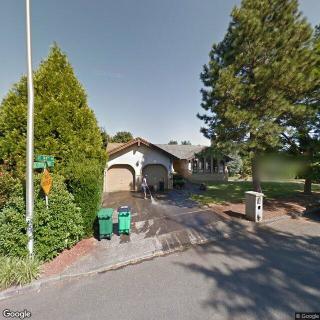
2427 Northeast 148th Avenue, Portland, OR 97230
To contact a resident: (503) 257-1111
For more information about senior living options: (866) 208-4318
Summerplace View AFH Costs & Pricing
Summerplace View Adult Family Home offers a competitive monthly rate of $2,900 for a private room, which stands out favorably when compared to both Multnomah County and the broader state of Oregon. In Multnomah County, the average cost for similar accommodations reaches $3,227, while the statewide average is even higher at $3,424. This positioning not only highlights Summerplace View AFH as an affordable option within the local market but also suggests a commitment to providing quality care without compromising on value. Residents can enjoy a comfortable living environment while benefiting from significant cost savings compared to other facilities in the area.
| Floor plans | Summerplace View AFH | Multnomah County | Oregon |
|---|---|---|---|
| Private | $2,900 | $3,227 | $3,424 |
Senior living communities with a similar price nearby
-
from +$100 / mo
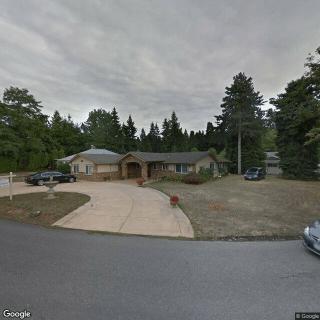
A Piece of Heaven
$3,000 / month9.1 miles away -
from -$400 / mo
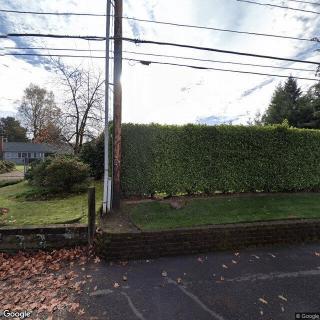
Mapleview Manor, LLC
$2,500 / month9.0 miles away -
from +$100 / mo
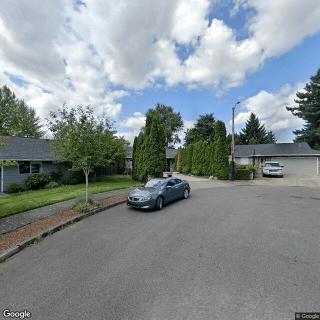
Yamhill Senior Care Home
$3,000 / month1.8 miles away -
from +$100 / mo
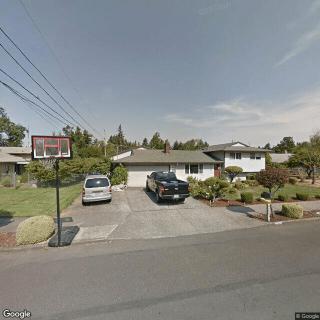
Peaceful Lighthouse Adult Care Home
$3,000 / month2.6 miles away -
from -$400 / mo
A Gentle Care Home
$2,500 / month5.3 miles away
Overall Review of Summerplace View AFH
Pros
 Vic and Annie come across as very congenial.
- The owners make a point to be present when visiting nurses or home health professionals are there, showing leadership.
- The home is described as beautiful, serene, and very clean.
- There is a nice outdoor area with a patio and backyard.
- The accommodations include a large bedroom with a bath.
- The mother is in Hospice Care at another wonderful facility.
Cons
 The home had no designated on-site in-charge living there, which looked like a license-rule violation.
 - The current live-in caregiver was not allowed to discuss residents with families, leaving answers vague.
- In two instances, the family was not contacted about illnesses until after the fact.
- A mother's infection over a holiday weekend did not receive medical care until the fourth day.
- The owners were the ones effectively in charge, raising concerns about governance.
- There were no activities to keep residents occupied, and puzzles were repeatedly removed.
- The place looked beautiful and clean, but appearances were said to be deceiving.
- Weekend staff were described as not knowing what they were doing.
- Annie limited visiting hours, claiming this is her house, which isolated and depressed residents.
- Residents were sometimes fed Totino’s cardboard pizza and frozen dinners.
- Annie would feed other residents meals bought for one resident, to avoid cooking for everyone.
- Vic could change the monthly fee at will without proper notice or adherence to county regulations.
- The home was not suitable for 24/7 nursing care; weekend staff couldn’t lift an immobile resident.
- Visitation restrictions were described as elder abuse, causing residents to feel abandoned.
- The open-door policy changed from 8am–8pm to 1–5pm, leaving some residents depressed and rejected.
- A family member moved their relative to hospice at another facility, feeling Summerplace was inadequate.
Review
This community is best suited for an elderly adult who is relatively independent and can tolerate a small, home-like setting with minimal on-site nursing oversight, provided family members are prepared to stay highly involved and to press for timely medical communication. The appeal lies in a serene, clean residence with a large bedroom and private bath, plus pleasant outdoor space. It is not a fit for someone needing consistent, 24/7 nursing care or routine medical decision-making handled without family prompting. Families comfortable with hands-on oversight, frequent conversations with owners, and a willingness to step in when care gaps appear will find some value here, but only if expectations and guardrails are clearly defined from the start.
Owners Vic and Annie project warmth and accessibility when present, and the property itself presents as inviting. The home atmosphere, quiet surroundings, and the tangible care taken with the private spaces can feel reassuring on a cursory tour. In practice, however, the structure behind the scenes is uneven. The absence of a licensed, resident manager on-site means there is no consistent, accountable point of authority to coordinate care in real time. When health issues arise, family members repeatedly encounter vague answers or delayed contact, especially over holiday weekends, which undermines trust and destabilizes decision-making during medical events.
The most troubling element across multiple accounts is the gap between appearance and appropriate clinical governance. Several families describe an absence of timely illness recognition or escalation, with critical information provided only after incidents have progressed. The stated willingness of owners to be present during visits by nurses or home health staff does not translate into reliable daily oversight when family is not present. The implications are serious for someone who may need rapid medical attention, ongoing monitoring, or adjustments to treatment plans. The same pattern raises questions about licensing compliance and proper staffing ratios, which should be non-negotiable in a setting that houses older adults needing assistance beyond companionship.
Activity programming and resident engagement are notably lacking. Puzzles and informal gatherings were reportedly introduced, only to disappear or be displaced, leaving residents with little structured stimulation. The combination of a serene setting with minimal meaningful activities can feel comforting at first, but it quickly becomes a source of isolation for residents who are able to enjoy routine stimulation elsewhere. There is also a recurring theme about the level of daily care during weekends and the ability (or lack thereof) to assist with basic tasks. Weekend staff described as inexperienced or insufficiently trained to lift or safely manage residents, which is a red flag for anyone whose loved one requires even modest mobility support.
Food and nutritional care show a similar disconnect between claim and practice. Family members report attempts to provide preferred foods, only to see other residents fed those items as a workaround, while the home’s own reported menu may not consistently meet individual dietary needs. Combined with visitation constraints and eye-catching but inconsistent caregiving, this creates a pattern where residents may feel neglected or unseen. The pricing picture compounds the risk: reports of monthly rate changes without clear notice suggest financial unpredictability that undermines long-term planning or trust in the facility.
In considering alternatives, families should prioritize facilities with visible, consistent licensed management, transparent communication protocols, guaranteed escalation procedures for illnesses, and robust activity programming. For residents who require 24/7 nursing supervision or who have complex medical needs, this setting is unlikely to deliver the dependable care and accountability necessary for peace of mind. If choosing this community, insist on a formal, written care plan with defined decision-making authority, a fixed pricing schedule with advance notice for any changes, explicit visitation policies that protect resident well-being, and a clear on-site administrator who is readily reachable by families.
In the end, the decisive question centers on safety and reliability versus charm. The property delivers a pleasant, quiet home environment and some personal warmth from the owners, but those strengths are overwhelmed by governance gaps, inconsistent medical responsiveness, limited resident stimulation, and questionable staffing stability. For most families, especially those whose loved ones require meaningful daily nursing support, the recommendation is to look for a venue with stronger, transparent leadership, verifiable compliance, and a more proactive approach to resident welfare. If this community is ever on the table, demand concrete assurances, a solid care plan, and binding protections before making any commitment.
 Board and Care Home
 Private
 Private bathrooms
 Wheelchair accessible showers
 Portland International (5 miles away)
 Diabetic care





 Understanding the Sandwich Generation: Stress and Responsibilities for Multigenerational Caregivers
 8 Essential Assistive Devices for Older Adults
 Navigating the Financial Road to Nursing Home Care: In-Depth Guidance and Resources