
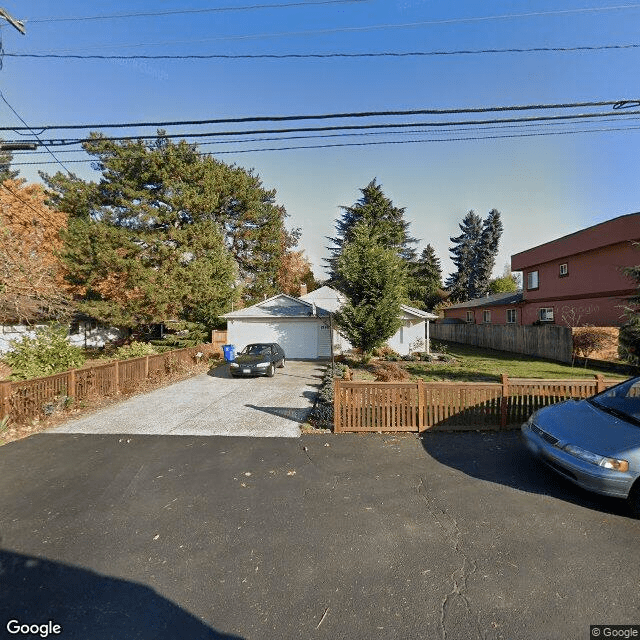
2120 NE 132nd, Portland, OR 97230
To contact a resident: (503) 254-8999
For more information about senior living options: (866) 208-4318
Maria Avram ACH Costs & Pricing
Maria Avram Adult Care Home (ACH) offers a private room at a monthly rate of $4,500, which is notably higher than both the average costs in Multnomah County ($3,227) and the broader state of Oregon ($3,424). While this premium pricing reflects the unique services and personalized care that Maria Avram ACH provides, it positions the facility at a higher tier compared to its county and state counterparts. Families considering this option should weigh the exceptional care standards and amenities available against their budgetary constraints, recognizing that the investment could translate into enhanced comfort and support for their loved ones.
| Floor plans | Maria Avram ACH | Multnomah County | Oregon |
|---|---|---|---|
| Private | $4,500 | $3,227 | $3,424 |
Senior living communities with a similar price nearby
-
from -$700 / mo

The Inn at University Village
$3,800 to $7,500 / month13.6 miles away -
from -$500 / mo
Oaktree Adult Care Home
$4,000 / month15.0 miles away -
About the same
Casa Shattuck Senior Care
$4,500 / month10.4 miles away -
About the same
Genuine Senior Living
$4,500 / month8.3 miles away -
About the same
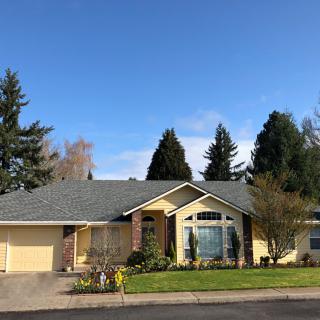
Best Care Adult Family Home
$4,500 / month11.5 miles away
Overall Review of Maria Avram ACH
Pros
 They love the coaching classes here and praise the great classmates and instructors.
- They describe it as one of the rare exceptional seminaries in the United States.
- A friend was super impressed by the welcoming atmosphere, with coffee or a meal shared with everyone.
- It is an amazing and unique place to study theology, set in Oregon’s beautiful scenery, with excellent professors and staff.
- It is well maintained and has been a great neighbor for a decade.
- It is a great place for Christocentric higher education (MA Counseling).
- The campus is beautiful, well maintained, and exudes peaceful energy.
Cons
 They were only there for the picture.
Review
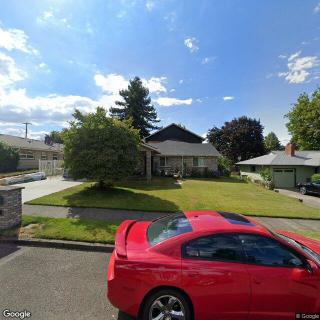
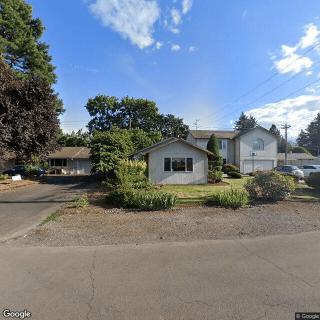
Maria Avram ACH in Portland, Oregon, reads as a campus-forward environment rather than a conventional senior-living community. It is best suited for older adults who prize ongoing intellectual engagement, spiritual inquiry, and a serene, well-maintained setting. The campus atmosphere is consistently described as beautiful and peaceful, with a strong social fabric built around seminars, study groups, and collegial interaction. The faculty and staff earn repeated praise for their competence and warmth, which translates into reliable daily life for residents who want meaningful engagement and predictable routines anchored by education-focused activity.
Those considering this community should explicitly weigh the fit against a traditional assisted-living option. The reviews provide little evidence of on-site medical oversight, memory care, or 24/7 caregiving, essentials for residents who require daily living assistance or more intensive health support. The emphasis is clearly on Christ-centered higher education and seminar life, not on comprehensive eldercare. In addition, practical safety concerns emerge from a note about kids moving through the parking area, suggesting that mobility-impaired residents or those who rely on a caregiver schedule may encounter logistical challenges in a campus that doubles as a public-facing academic site.
The strongest pros, beauty and upkeep of the campus, a peaceful setting, and a robust, positive social climate, directly benefit residents who can live independently or with light assistance. The well-maintained grounds, the pleasure of walking the campus, and the easy, informal social connections around meals and coffee create a daily rhythm that can be deeply satisfying for someone who values learning opportunities and a sense of belonging to a long-standing, neighborly community. In short, the environment supports intellectual and social enrichment in a way that can elevate quality of life for the right resident.
Yet the core drawbacks are meaningful for decision-makers. The setting operates as a seminary-adjacent community rather than a full-service senior-living campus, so essential eldercare services are not evident from the available reviews. For families needing coordinated healthcare, medication management, memory support, or round-the-clock assistance, alternatives with established caregiving programs will likely be more practical and less stressful to arrange. The impression that some visitors come “for the picture” also hints at a potential mismatch between external appeal and day-to-day caregiving depth; this is a red flag for anyone seeking dependable routines anchored in medical or personal care.
Practical decision guidance centers on alignment of needs and expectations. If independence and ongoing intellectual or spiritual enrichment are the priorities, and the plan includes external care or a light-support model, Maria Avram ACH offers a distinctive, enriching lifestyle with a reliable social network and a dignified campus ambiance. Prospective residents should probe what, if any, on-site support exists, how meals are handled, and how a caregiving plan would integrate with the campus calendar. Questions about accessibility, emergency response, and coordination with outside caregivers are essential to ensure a seamless daily experience.
Bottom line: Maria Avram ACH is a rare choice for seniors who want a tranquil, campus-driven environment rich in learning opportunities, social warmth, and stable maintenance. It suits individuals who can manage daily independence or who already have an external care plan that fits this setting. For those whose priority is comprehensive assisted living with on-site medical oversight, memory care, and hands-on daily support, more traditional senior-living communities will be the better fit. A thoughtful visit will clarify whether the energy of the campus, its people, its pace, and its intellectual offerings, meets the loved one’s long-term care and lifestyle needs.
 Board and Care Home
 Activities on-site
 Beautician on-site
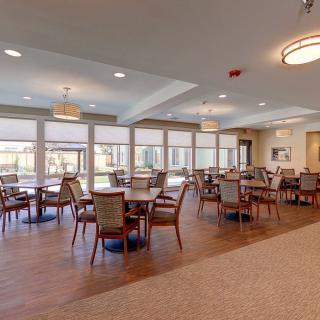
 Indoor common areas
 Outdoor common areas
 Private
 Respite or short term stays offered
 Wheelchair accessible showers
 Portland International (5 miles away)
 Diabetic care
 High acuity care
 Incontinence care
 Medication management
 Meals provided
 Nurturing Our Loved Ones: A Daughter's Journey in Caring for Her Mother
 Nurturing Our Elders: Linda's Journey of Supporting Her Mother
 A Comprehensive Exploration of Common Misunderstandings about Powers of Attorney