
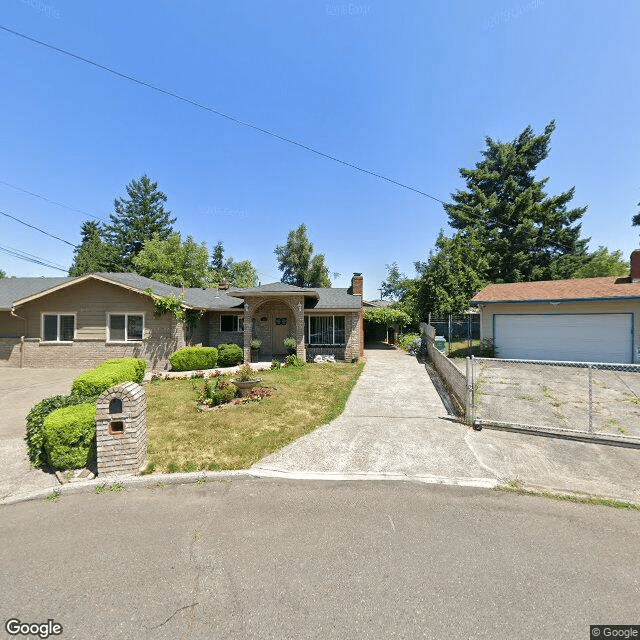
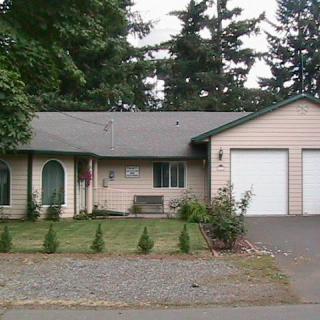
1868 NE 114th Pl, Portland, OR 97220
To contact a resident: (503) 253-0414
For more information about senior living options: (866) 208-4318
Overall Review of Patan's Adult Foster Care Home II
Pros
 The staff made the mom and her family feel like family.
- Lucian and Rhodi are attentive and caring, with great attention to detail.
- There was amazing communication about Mom at all times, and she was very happy and enjoyed everyone there.
- They felt blessed that she was in good and loving hands and were treated like family.
- The setting was clean and peaceful.
- Lucian and Rodi treated the mom as if she were family.
- Daphne House is spotless, with amazing food and a loving environment that shines through.
- Lucian and Rhodi arranged a cake, candy, and flowers to make her day special.
Cons
 Finding a place for their suddenly bed-bound mother was extremely stressful.
- They were hesitant to place their 92-year-old mother in a care facility until visiting Daphne.
- Their mother was kicked out of the memory care wing of the local large facility because they had not been able to get her in to see a geriatric psychiatrist for months and obtain proper medications.
Review
This community is best suited for families seeking a small, home-style setting where an elderly loved one receives highly personalized, attentive care. It fits residents who thrive on steady routines, genuine warmth, and consistent, hands-on supervision from caregivers who treat residents like family. The model works especially well for seniors with mild memory challenges or sundowning tendencies who benefit from low-key, predictable days, uncomplicated medical coordination, and an environment where staff can respond quickly to needs. For families wanting meaningful, regular communication and an atmosphere built on trust and familiarity, this approach offers a rare level of emotional comfort and practical continuity. In short, it serves older adults who value dignity, close-knit interactions, and daily acts of kindness that make a house feel like home.
Those who may want to consider alternatives are those with high-acuity medical needs or a requirement for comprehensive, on-site nursing care around the clock. If 24/7 skilled nursing, comprehensive rehabilitation services, or a large, resource-rich campus with extensive medical programming are essential, a larger assisted living or memory care facility may be a better fit. Families should also consider if transportation for outings, a wider menu of structured activities, or more robust on-site therapy options are priorities. For couples who desire perfectly matched room layouts across a large campus, or for residents who require frequent, intensive monitoring and rapid access to specialists, these factors can tilt the decision toward a more traditional facility.
The strongest positives center on the human touch. The care team’s ability to foster a family-like atmosphere translates into consistent, respectful, and proactive attention. Residents are described as being treated with warmth, and communication with families is notably open and timely, which reduces anxiety during transitions and health changes. A clean, peaceful setting supports comfort and reduces stress, while the home-like environment often elevates mood and engagement. Food quality appears to be a clear strength, contributing to overall well-being and satisfaction. The combination of attentive daily care and a welcoming atmosphere creates a safety net: families feel heard, residents feel valued, and staff demonstrate a willingness to go the extra mile, even in life’s most delicate moments.
Beyond the daily niceties, the ability to coordinate effectively with hospice and medical teams stands out as a decisive advantage. The reviewed experiences show staff who work alongside doctors and hospice providers to ensure comfort, appropriate medications, and compassionate end-of-life support. This level of collaboration matters deeply for families seeking continuity of care without the stress of juggling multiple providers. The setting often provides a gentle, unhurried pace during transitions, which can be transformative for a resident’s sense of security and for family peace of mind. For memory-related challenges, staff indicated a capacity to manage agitation and sundowning with patience and practical strategies, underscoring the facility’s strength in offering steady, person-centered oversight.
Yet, even with strong positives, there are practical considerations to balance. The intimate, home-based model can mean fewer on-site specialists, limited therapy options, and a smaller staff footprint than a large campus. Prospective residents should verify staffing patterns, especially who is available during evenings and weekends, and confirm how medications are managed and reviewed. Another important question is how flexible the setting can be when medical needs escalate or when a resident requires more intensive supervision. The upside is that when needs stay within the home-like range, families often experience unparalleled responsiveness and relationship-based care; the potential downside is ensuring that medical contingencies stay covered without delays.
For families weighing Patan’s Adult Foster Care Home II, the takeaway is straightforward: this option excels for those who want a warm, intimate environment with deeply personal attention, straightforward communication, and strong partnerships with medical and hospice teams. It is less ideal for those who require high-level medical infrastructure, broad therapeutic programming, or the scale and diversity of services found in larger communities. The practical decision should hinge on current needs, anticipated medical trajectory, and the family’s tolerance for a smaller care footprint. Visiting the home, meeting the caregiving team, and reviewing a resident’s anticipated care plan will illuminate whether the strengths align with the individual’s goals. When alignment exists, the difference is not merely comfort; it is a sustainable, humane approach to aging in place that can make a profound, positive impact on both resident and family.
 Board and Care Home
 Portland International (4 miles away)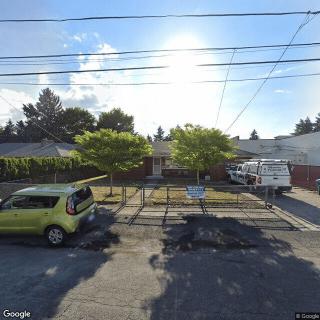




 Home Health Care Demystified: A Comprehensive Guide for Families and Caregivers
 Seniors and Modern Transportation: Exploring Uber, Lyft, and Other Ride-Hailing Options
 Comprehensive Guide to Qualifying for Home Health Care Services