
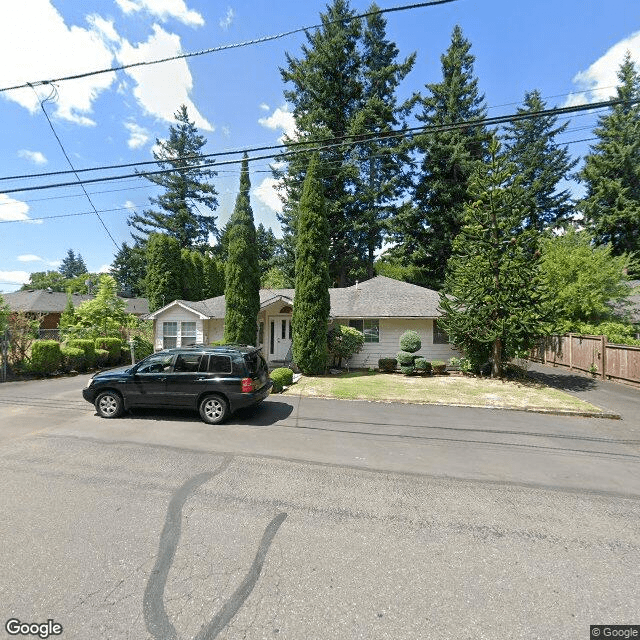
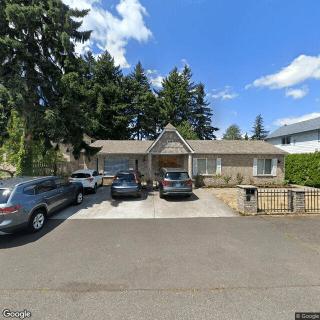
821 NE 114th Ave, Portland, OR 97220
To contact a resident: (503) 257-5938
For more information about senior living options: (866) 208-4318
Adrian's AFH Costs & Pricing
Adrian's Adult Family Home offers competitive pricing for private rooms at $2,800 per month, which is notably lower than the average costs in both Multnomah County and across the state of Oregon. In Multnomah County, the average cost for similar accommodations stands at approximately $3,227 per month, while statewide averages reach around $3,424. This positions Adrian's AFH as an appealing option for families seeking quality care without compromising on affordability. By providing a more economical solution, Adrian's not only enhances accessibility for its residents but also ensures that families can receive exceptional services within their budgetary constraints.
| Floor plans | Adrian's AFH | Multnomah County | Oregon |
|---|---|---|---|
| Private | $2,800 | $3,227 | $3,424 |
Senior living communities with a similar price nearby
-
from +$200 / mo
A Piece of Heaven
$3,000 / month7.6 miles away -
from -$300 / mo
Mapleview Manor, LLC
$2,500 / month7.6 miles away -
from +$200 / mo
Yamhill Senior Care Home
$3,000 / month2.2 miles away -
from +$200 / mo
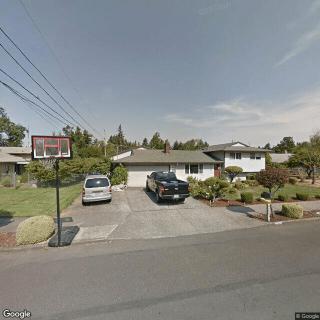
Peaceful Lighthouse Adult Care Home
$3,000 / month4.2 miles away -
from -$300 / mo
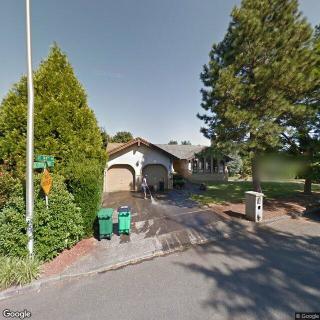
A Gentle Care Home
$2,500 / month4.7 miles away
Overall Review of Adrian's AFH
Pros
 Positive interaction between residents and caregivers was observed.
- The community offers different activities for residents.
- Residents were seen doing craft projects during the tour.
- It felt like a very good community for her mother to reside in.
Review
Adrian's AFH in Portland is best suited for seniors who want a small, home-like setting where caregiver attention feels personal, daily life centers on meaningful activities, and residents can build real relationships with staff. The environment is clearly organized around interaction and warmth rather than a bureaucratic, impersonal cadence. On tour, the rapport between residents and caregivers was evident, and the activity slate, especially crafts, demonstrated an ongoing commitment to engagement. For a parent who thrives with familiar faces, slower-paced routines, and the comfort of a tight-knit community, this AFH offers a practical, reassuring home base in which daily life resembles a well-run household more than a clinical facility.
Those who may want to consider alternatives are primarily the ones with higher medical needs or a desire for a larger, more resource-rich setting. If 24/7 nursing supervision, complex medical management, or memory care specialized programs are non-negotiable, Adrian's AFH may fall short of expectations. Prospective residents seeking a broad array of on-site therapies, frequent outings, or a robust continuum of care across multiple levels without switching campuses will likely find bigger communities more aligned with those requirements. Families should also weigh the appeal of a wider social calendar and more diverse amenities that come with larger facilities.
The most persuasive advantages lie in the personal touch and the social fabric that emerge from the small-scale model. Caregivers visibly prioritize day-to-day connections, and residents appear to participate willingly in structured activities rather than passively receiving care. That dynamic translates into calmer days, less isolation, and a stronger sense of safety. The craft projects and other hands-on pursuits provide meaningful purpose and can support cognitive stimulation, mood stability, and a sense of accomplishment. For families, witnessing genuine, ongoing interaction and a steady, predictable rhythm can be the difference between peace of mind and lingering uncertainty about a loved one’s happiness.
However, the intimate format brings trade-offs that must be weighed. The limited size of Adrian's AFH means fewer on-site services, a narrower slate of programming beyond routine activities, and potentially restricted access to specialized therapies or high-acuity care on demand. Staffing levels, while clearly dedicated, may translate into slower response times during peak periods simply due to fewer staff present at any given moment. Privacy configurations and room options may be more modest than those found in larger facilities, and the overall continuum of care is unlikely to match a campus that pairs extensive medical staffing with an expansive activity catalog.
Yet those drawbacks can be offset by the very strengths that define the setting. For residents who value continuity, familiarity, and day-to-day reassurance, the proximity of caring staff and the ability to form real routines can compensate for fewer bells and whistles. The home-like atmosphere reduces the clinical feel that can accompany bigger communities, promoting dignity and autonomy within clear boundaries. When a resident’s preferences lean toward intimate socialization, direct caregiver knowledge of personal histories, and engaging, craft-inspired activities, Adrian's AFH increasingly aligns with those priorities, making it a compelling fit for the right person.
In closing, this community stands as a solid option for families prioritizing warmth, personalized attention, and a nurturing, tractable daily schedule. It excels for seniors who enjoy crafts, casual group activities, and a sense of belonging fostered by visible caregiver investment. For residents whose needs include rigorous medical oversight, a broad menu of specialized services, or a large, bustling social ecosystem, alternatives, ranging from larger assisted living campuses to memory-care-focused facilities, should be pursued. A practical next step is a targeted visit: confirm staff-to-resident ratios at different shifts, inquire about available medical support and emergency procedures, review the activity calendar in detail, and assess meal variety and dining priorities. The right choice will balance the comfort of a homey setting with the medical and social needs of the individual.
 Board and Care Home
 Activities on-site
 Beautician on-site
 Devotional services on-site
 Indoor common areas
 Outdoor common areas
 Private
 Private bathrooms
 Respite or short term stays offered
 Wheelchair accessible showers
 Portland International (5 miles away)
 Diabetic care
 High acuity care
 Incontinence care
 Medication management
 Kosher
 Powerful Realities of Elder Abuse and the Most Effective Ways to Report It
 Ten Vital Duties of a Senior Caregiver: A Comprehensive Guide
 9 Stimulating Memory Activities for Seniors: Puzzles, Cards, and Much More