
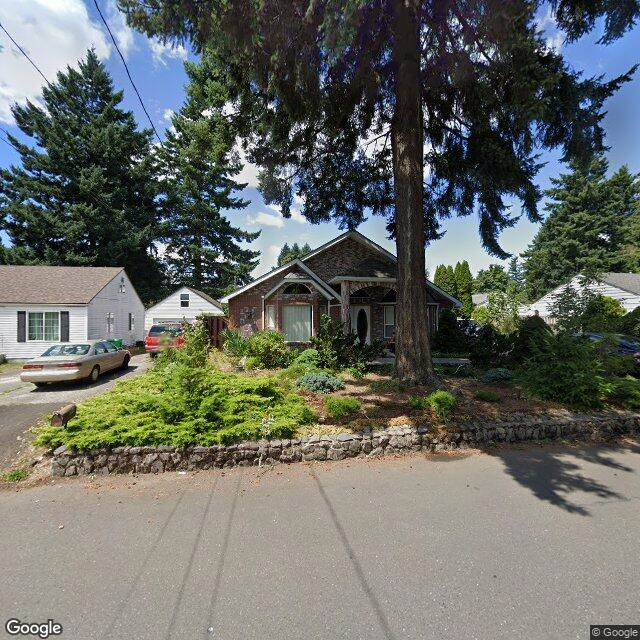
805 NE 118th, Portland, OR 97220
To contact a resident: (503) 254-5300
For more information about senior living options: (866) 208-4318
Columbia Elder Care Costs & Pricing
Columbia Elder Care offers competitive pricing for its private rooms at $2,800 per month, which presents a more affordable option compared to the average costs in Multnomah County and across the state of Oregon. In Multnomah County, the average monthly cost for similar accommodations is $3,227, while statewide rates reach approximately $3,424. This cost differential highlights Columbia Elder Care's commitment to providing quality care at a lower price point without compromising on the services and amenities that residents expect.
| Floor plans | Columbia Elder Care | Multnomah County | Oregon |
|---|---|---|---|
| Private | $2,800 | $3,227 | $3,424 |
Senior living communities with a similar price nearby
-
from +$200 / mo
A Piece of Heaven
$3,000 / month7.7 miles away -
from -$300 / mo
Mapleview Manor, LLC
$2,500 / month7.7 miles away -
from +$200 / mo
Yamhill Senior Care Home
$3,000 / month2.0 miles away -
from +$200 / mo
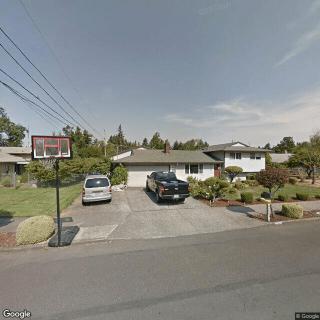
Peaceful Lighthouse Adult Care Home
$3,000 / month4.0 miles away -
from -$300 / mo
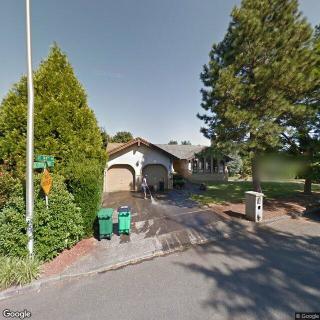
A Gentle Care Home
$2,500 / month4.6 miles away
Overall Review of Columbia Elder Care
Cons
 The service was not impressive.
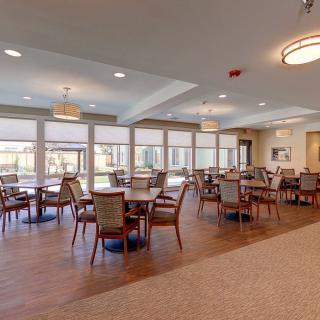
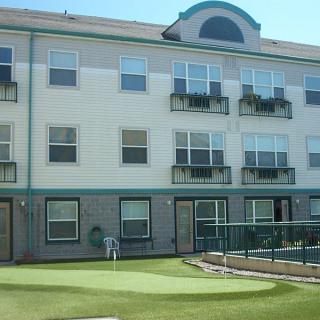
- The interior felt dark, dreary, and depressing.
- The father hardly left his room, spending about 90% of his time there alone.
- The facility was located too far from family to visit often.
Review
Columbia Elder Care in Portland is best suited for seniors who want a quiet, low-stimulation living environment and for families that are comfortable with limited in-person visits. The community seems to prioritize a simple, predictable daily rhythm over a bustling activity calendar, making it appealing to residents who do not rely on frequent social engagements to feel content. Those who value independence and a straightforward care routine may find the setting tolerable, especially if budget considerations or location constraints matter. For families, this is a consideration when travel time to the facility is manageable and the caregiving plan can be carried out largely through staff support. In short, it is not a destination for highly sociable residents who expect constant programming or regular family drop-ins.
The most detailed feedback available paints a markedly less favorable picture of daily life. The interior is described as dark and dreary, a mood-dampening backdrop that can undermine engagement and enjoyment. The reviewer portrays a resident who spent roughly 90 percent of waking hours in his room, leaving only for meals, after which he was wheeled back. The distance from family compounds this isolation, restricting casual contact and the emotional support that often sustains seniors in assisted living. Taken together, these factors strongly suggest a setting that may undercut quality of life for someone who needs social stimulation or meaningful daytime activity to stay engaged and positive.
There is at least one five-star rating, but the detail is sparse, offering little guidance on what specifically worked well for that reviewer. The absence of concrete positives makes it hard to identify reliable strengths beyond a general sense that something about the place can work for some residents. Without clear evidence of robust programming, responsive staff, or inviting public spaces, those potential upsides do not reliably offset the dominant concerns of mood, isolation, and limited family access. In other words, the door for a favorable experience appears narrow and highly dependent on individual preferences and expectations.
Prospective buyers should explicitly compare this community to alternatives that emphasize brighter interiors, lively programming, and easier family involvement. If proximity to loved ones, frequent social engagement, and visible daily activity are non-negotiables, other Portland-area options are likely to outperform Columbia Elder Care. Look for facilities with well-lit common spaces, diverse activity calendars, and policies that welcome and accommodate regular visits or short stays by family. It is also wise to assess transportation support, flexible visiting hours, and opportunities to personalize living spaces, features that materially improve day-to-day life when resident interaction is naturally limited.
To make a well-informed decision, tours should uncover concrete details: what a typical day looks like, how staff-to-resident ratios fluctuate by time of day, and whether caregivers actively facilitate social opportunities or simply supervise. Inquire about visiting logistics, guest accommodations, and the ease with which family members can participate in meals or activities. Ask about room brightness, décor options, and whether outdoor areas are accessible and inviting. Clarify safety measures, call systems, and the level of assistance available during evenings and weekends. These questions reveal whether the environment can be warmed by staff engagement and resident choice, or if the setting remains a largely solitary experience.
Bottom line: Columbia Elder Care seems misaligned for seniors who rely on visible social engagement and easy, frequent family access. Its value proposition appears to rest on a quiet, predictable routine and a straightforward care model, which may appeal to a narrow segment where budget and location trump social needs. For families that prioritize proximity, active programming, and regular personal presence, other Portland-area communities should be prioritized. If the goal is a tranquil base with dependable staff oversight and the expectation that daily life may be quiet rather than lively, then a careful tour, focusing on brightness, programming, and visitation flexibility, can determine whether this choice is tolerable or if a more dynamic option will provide a higher overall quality of life.
 Board and Care Home
 Activities off-site
 Bath tubs
 Devotional services off-site
 Indoor common areas
 Outdoor common areas
 Private
 Respite or short term stays offered
 Wheelchair accessible showers
 Portland International (5 miles away)
 Ambulatory care
 Diabetic care
 High acuity care
 Incontinence care
 Medication management
 Kosher
 Christian services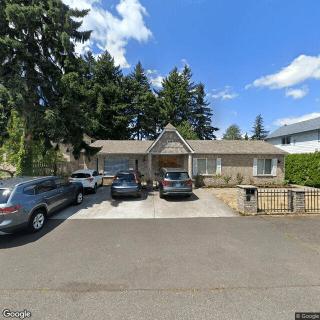
 On-site husband-and-wife registered nurses providing strong medical oversight.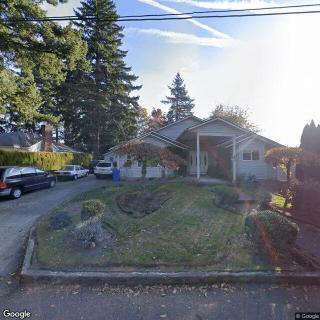

 Comprehensive Approaches for Arthritis: A Detailed Guide to Symptoms, Causes, and Care
 Comprehensive Insights and Practical Strategies to Help Older Adults Avoid Falls
 6 Crucial Ways an Elder Law Attorney Assists Families