
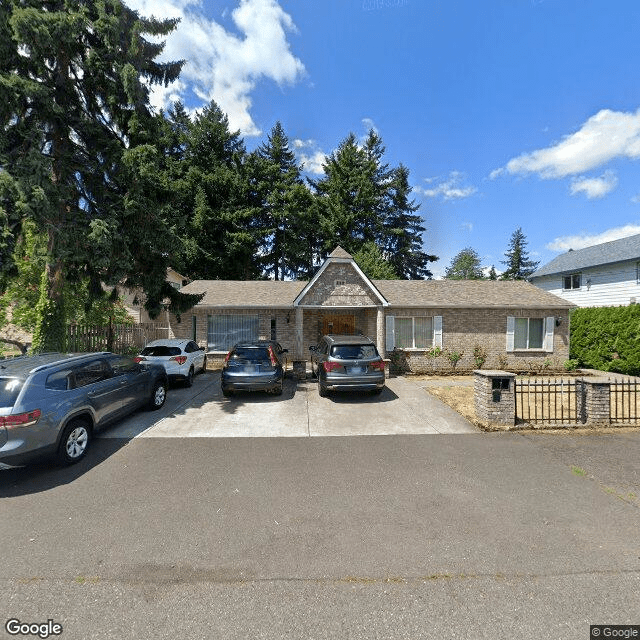
819 NE 117th Ave, Portland, OR 97220
To contact a resident: (503) 254-5211
For more information about senior living options: (866) 208-4318
Responsible Nurses Adult Care Home Costs & Pricing
Responsible Nurses Adult Care Home sets its monthly rate for private rooms at $4,000, which exceeds the average costs in both Multnomah County and the broader state of Oregon. In Multnomah County, the average cost for similar accommodations is approximately $3,227, while across Oregon it stands at around $3,424. This positions Responsible Nurses Adult Care Home as a premium option within the local market. The higher cost may reflect enhanced services or amenities that cater to residents seeking specialized care in a supportive environment. It's important for prospective residents and their families to consider these factors when evaluating options in the region.
| Floor plans | Responsible Nurses Adult Care Home | Multnomah County | Oregon |
|---|---|---|---|
| Private | $4,000 | $3,227 | $3,424 |
Senior living communities with a similar price nearby
-
from -$200 / mo

The Inn at University Village
$3,800 to $7,500 / month13.9 miles away -
About the same
Oaktree Adult Care Home
$4,000 / month14.1 miles away -
from +$500 / mo
Casa Shattuck Senior Care
$4,500 / month9.5 miles away -
from -$500 / mo
Fulga's ACH
$3,500 / month15.4 miles away -
from -$500 / mo
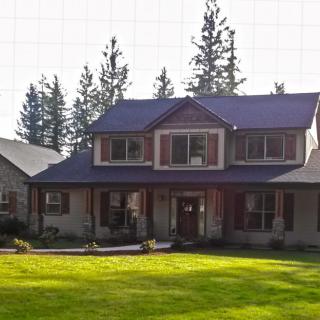
Family and Company NW
$3,500 to $3,800 / month18.7 miles away
Overall Review of Responsible Nurses Adult Care Home
Pros
 They feel this would be a great place for their mom.
- They were glad that both the husband and wife are registered nurses.
- They had a positive impression after meeting the director and touring the home.
Review
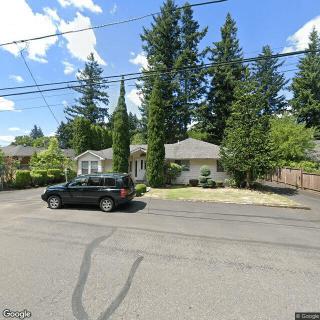
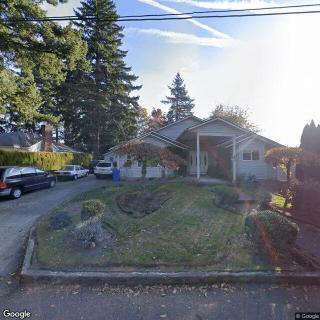
Responsible Nurses Adult Care Home in Portland is best suited for families seeking a compact, hands-on, nurse-led living option where care decisions stay close to the residents and the day-to-day feel is homey rather than institutional. The model relies on direct, sustained nursing leadership, with the director actively involved in the operation. The fact that the owners are a husband-and-wife team who are registered nurses signals a high level of clinical judgment available on site, not just through intermittent visits. This combination benefits seniors who want predictable routines, transparent communication, and rapid access to nursing expertise without navigating a larger campus’s bureaucracy.
Those weighing alternatives should consider larger communities if the priority is breadth over intimacy. For seniors who require an expansive menu of amenities, more extensive social programming, or a formal memory-care track, a bigger facility may deliver the array of services that a modest home cannot. Residents with complex medical needs demanding continuous physician oversight, frequent therapies, or a wide network of on-site specialists might encounter a mismatch in scale. Families should also assess whether transportation options, varied dining venues, or robust activity calendars are essential to their loved one’s well-being; if so, alternatives with more comprehensive offerings deserve consideration.
The standout pros center on leadership and environment. The owners’ RN credentials translate into practical, clinically informed decision-making that families can trust. Direct access to the people who oversee care reduces layers of communication and speeds adjustments to care plans when needed. The intimate, home-like setting nurtures familiarity, staff tend to know resident preferences quickly, and caregivers can tailor routines to individual needs. This combination often yields a sense of continuity and responsiveness that can be hard to preserve in larger settings, where staff turnover and administrative layers sometimes dilute personal attention.
On the downside, the smaller scale can translate into tangible limits. There may be fewer on-site resources, fewer therapy options, and a leaner activity program than what is typical in larger assisted living communities. For residents who crave extensive social events, diversified programming, or specialized behavioral supports, the footprint may feel restrictive. While the owner-nurse model supports strong medical oversight, escalation paths for evolving needs can be slower simply because there aren’t as many specialized professionals or programs to draw from on-site.
The positives, personalized attention, straightforward medical management, and a nimble leadership structure, partly offset these limitations. When care plans require quick pivots or adjustments, the direct line to the nurse-owners keeps responses rapid and aligned with resident preferences, reducing the chance of miscommunication. Families often gain a greater sense of transparency and trust from having the key decision-makers so closely involved. The home atmosphere also helps residents settle in more comfortably, potentially reducing stress and aiding in daily compliance with care routines.
Bottom-line guidance: This community is a strong match for families prioritizing intimate, nurse-led oversight within a homelike setting. It is well suited for residents who thrive on consistent routines, close staff relationships, and easy access to clinical guidance. Those seeking a larger campus with expansive amenities, broad social programming, or specialized memory-care services should pursue alternatives that offer a more robust infrastructure. Prospective families should schedule a visit to gauge pace, decision-making agility, and the chemistry between residents and staff, ensuring the fit aligns with the care goals and expectations for daily living.
 Board and Care Home
 Private
 Portland International (5 miles away)
 Diabetic care
 High acuity care
 Nurturing Our Elders: Linda's Journey of Supporting Her Mother
 A Comprehensive Exploration of Common Misunderstandings about Powers of Attorney
 Senior Move Management: Understanding the Role, Value, and Associated Costs