
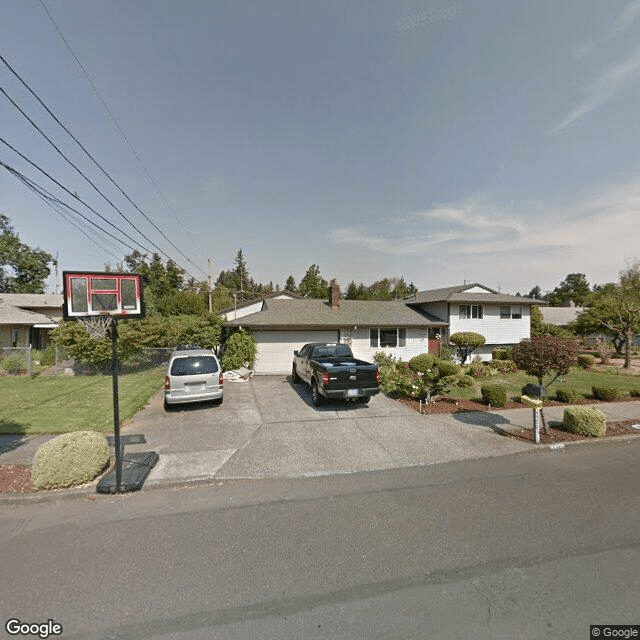
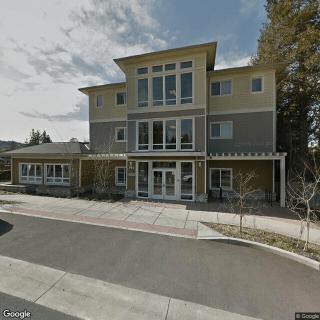
19909 NE Clackamas Ct, Portland, OR 97230
To contact a resident: (503) 667-2827
For more information about senior living options: (866) 208-4318
Peaceful Lighthouse Adult Care Home Costs & Pricing
Peaceful Lighthouse Adult Care Home offers competitive rates for its private rooms, with a monthly cost of $3,000. This rate is notably lower than the average costs in Multnomah County, which stand at $3,227, and significantly below the broader state average of $3,424 for similar accommodations. By providing a more affordable option without compromising on care quality, Peaceful Lighthouse positions itself as an appealing choice for families seeking adult care services that fit within their budget while still delivering a nurturing environment.
| Floor plans | Peaceful Lighthouse Adult Care Home | Multnomah County | Oregon |
|---|---|---|---|
| Private | $3,000 | $3,227 | $3,424 |
Senior living communities with a similar price nearby
-
About the same
A Piece of Heaven
$3,000 / month10.2 miles away -
from -$500 / mo
Mapleview Manor, LLC
$2,500 / month9.9 miles away -
About the same
Yamhill Senior Care Home
$3,000 / month2.5 miles away -
from +$500 / mo
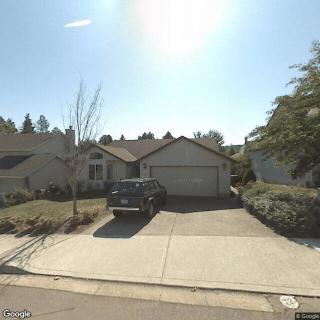
Fulga's ACH
$3,500 / month19.4 miles away -
from +$500 / mo
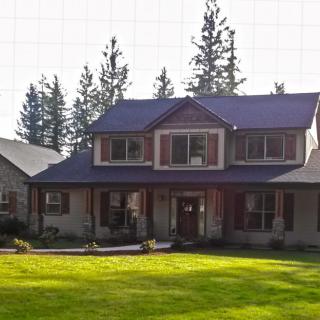
Family and Company NW
$3,500 to $3,800 / month17.8 miles away
Overall Review of Peaceful Lighthouse Adult Care Home
Pros
 The owner lives on-site and is very nice.
- Abigail and her team of caregivers are a blessing to families.
- Abigail keeps families promptly informed about changes.
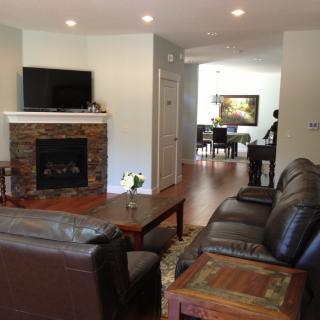
- The home is bright, clean, well maintained, with a lovely yard for sitting and exercise.
- They specialize in dementia and hospice care.
- The staff treat residents with love and kindness, making them feel like family.
- The facility is spacious, open, bright, cheery, and spotless.
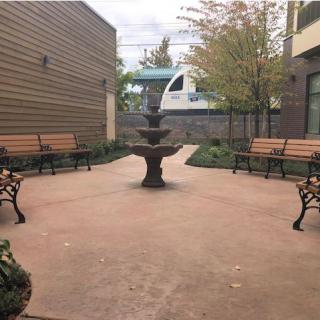
- The large fenced backyard and patio provide safe outdoor spaces.
- Meals are tasty and attractively plated, served in a family-style dining room.
- Abigail anticipates needs, helping families avoid worry.
Review
Peaceful Lighthouse Adult Care Home in Portland is best suited for seniors who want a small, home-like setting with deeply personal attention, especially those living with dementia or needing hospice-style comfort. The model is built around an on-site owner who is actively involved every day, paired with a tight-knit caregiving team. Families that prize clear, proactive communication and a living-room atmosphere where residents are treated like family will find this community a natural fit. The environment is consistently described as clean, bright, and cheery, with outdoor space that invites gentle activity and sunlit time outside.
Those who may want to consider alternatives are precisely those seeking a more activity-forward, campus-style experience or a facility with broader medical staffing and round-the-clock nursing oversight. A larger community with structured daily programming, more structured transport options, or intensive medical services may better serve someone who craves constant activity, frequent clinical checks, or a higher level of clinical supervision. For families prioritizing independence or a bustling social calendar, another option may deliver a more conventional assisted living rhythm.
The strongest positives center on the hands-on leadership and the intimate caregiving team. Absent from the usual distance between staff and family, the owner, along with a tightly knit group of caregivers, keeps families in the loop with timely updates and thoughtful communication. The home environment reinforces these strengths: five residents in a spacious, cheerful setting, with a bright dining area, a large patio, and a fenced backyard that supports safe outdoor time and light physical activity. The care team’s demeanor, described as kind, compassionate, and experienced, consistently translates into a sense of safety, dignity, and belonging for residents.
The reviews also highlight a core aim of comfort and dignity, particularly for dementia and hospice care. Families repeatedly note that the space feels like a true home, not a clinical facility, where meals feel personal and familiar, and visitors are welcomed without constraint. The emphasis on clean, well-maintained surroundings and the ability to coordinate with hospice and other supports is a practical strength. In short, for families seeking a compassionate, low-stress transition where end-of-life or memory-care needs are prioritized, these pros deliver meaningful peace of mind.
The primary trade-off, though, is the small-scale nature of the operation. With a handful of residents and a care model centered on intimate, hands-on attention, there may be fewer opportunities for the kind of broad social programming or rapid response depth that a larger staff or facility could provide. The model is not designed around high-energy activity schedules or complex medical interventions; it leans toward comfort-focused living, where daily routines, family involvement, and personalized care plans drive the day. Families should understand that while highly responsive and engaged, the setting relies on the caregiver team to manage day-to-day needs within a cozy home framework rather than a medically expansive environment.
Ultimately, the advantages outweigh the potential drawbacks for the right family and senior. If the priority is a secure, loving, homelike atmosphere with transparent, frequent communication and dementia- or hospice-centered care, this community stands out as a top choice. For decision-making, arrange a visit with questions about staffing ratios, typical daily routines, and how care plans are coordinated with hospice or medical partners. Ask to observe mealtimes and social moments to gauge activity fit, and request candid references about transitions, family communication, and response times. Compare with larger facilities that offer more formal programming and broader medical coverage to ensure the choice aligns with long-term goals. In the right match, this small, devoted home can offer unparalleled comfort, dignity, and peace of mind for both residents and their families.
 Board and Care Home
 Cats allowed
 Dogs allowed
 Activities off-site
 Devotional services off-site
 Indoor common areas
 Outdoor common areas
 Private
 Private bathrooms
 Respite or short term stays offered
 Wheelchair accessible showers
 Portland International (8 miles away)
 Diabetic care
 High acuity care
 Incontinence care
 Medication management
 Kosher

 Comprehensive Look at Senior Blood Pressure Charts: Normal and Elevated Levels by Age
 Top Canine Companions for Older Adults
 Comprehensive Guide to Blood Pressure Charts for Older Adults: Understanding Normal and High Readings by Age