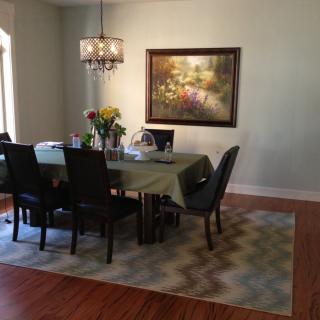
4 NE 202nd Avenue, Portland, OR 97230
To contact a resident: (503) 465-6888
For more information about senior living options: (866) 208-4318
Elder Garden Care Home, LLC Costs & Pricing
Elder Garden Care Home, LLC offers competitive pricing for its residents, with monthly costs for private rooms and studios set at $3,000 each. This places them below both the Multnomah County average of $3,227 for private rooms and $3,455 for studios, as well as under the state averages of $3,424 and $3,815 respectively. This pricing structure highlights Elder Garden Care Home's commitment to providing affordable senior living options while maintaining a high standard of care that is essential in such settings.
| Floor plans | Elder Garden Care Home, LLC | Multnomah County | Oregon |
|---|---|---|---|
| Private | $3,000 | $3,227 | $3,424 |
| Studio | $3,000 | $3,455 | $3,815 |
Memory care communities with a similar price nearby
-
from -$500 / mo
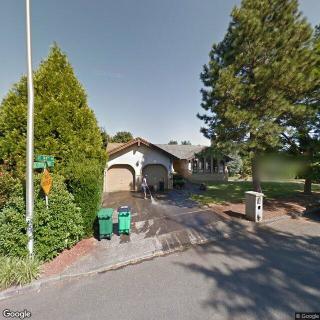
A Gentle Care Home
$2,500 / month5.0 miles away -
from +$500 / mo
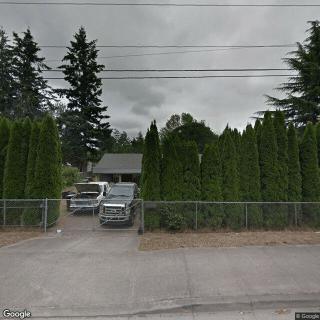
American Living Adult Family Home LLC
$3,500 / month10.3 miles away -
from +$500 / mo
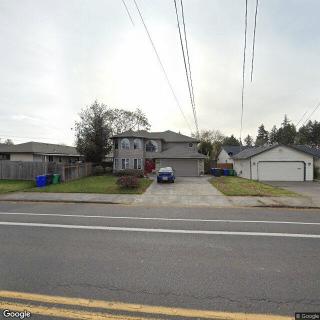
Northwest Home Health
$3,500 to $3,700 / month8.0 miles away -
About the same
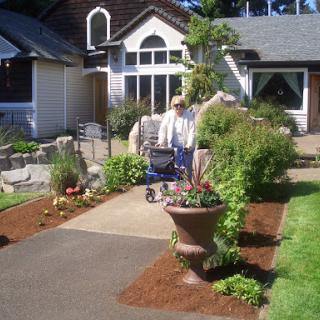
Rivercrest Adult Care
$3,000 to $3,700 / month14.5 miles away -
from -$200 / mo
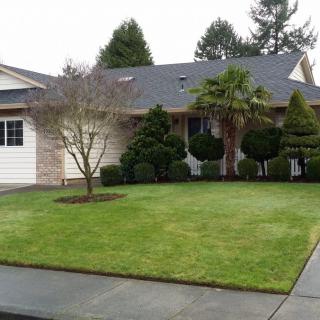
Aging Gracefully Family Home
$2,800 to $3,500 / month8.7 miles away
Overall Review of Elder Garden Care Home, LLC
Pros
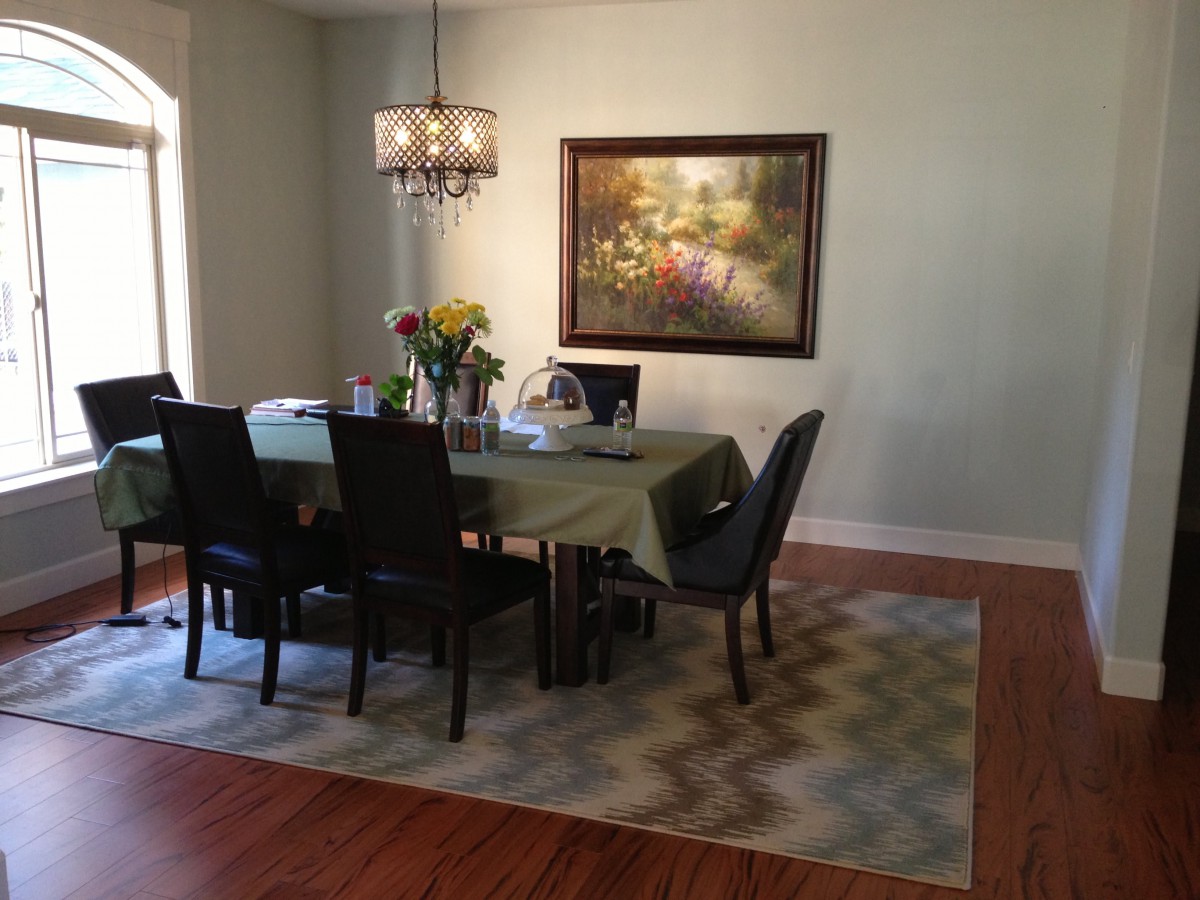
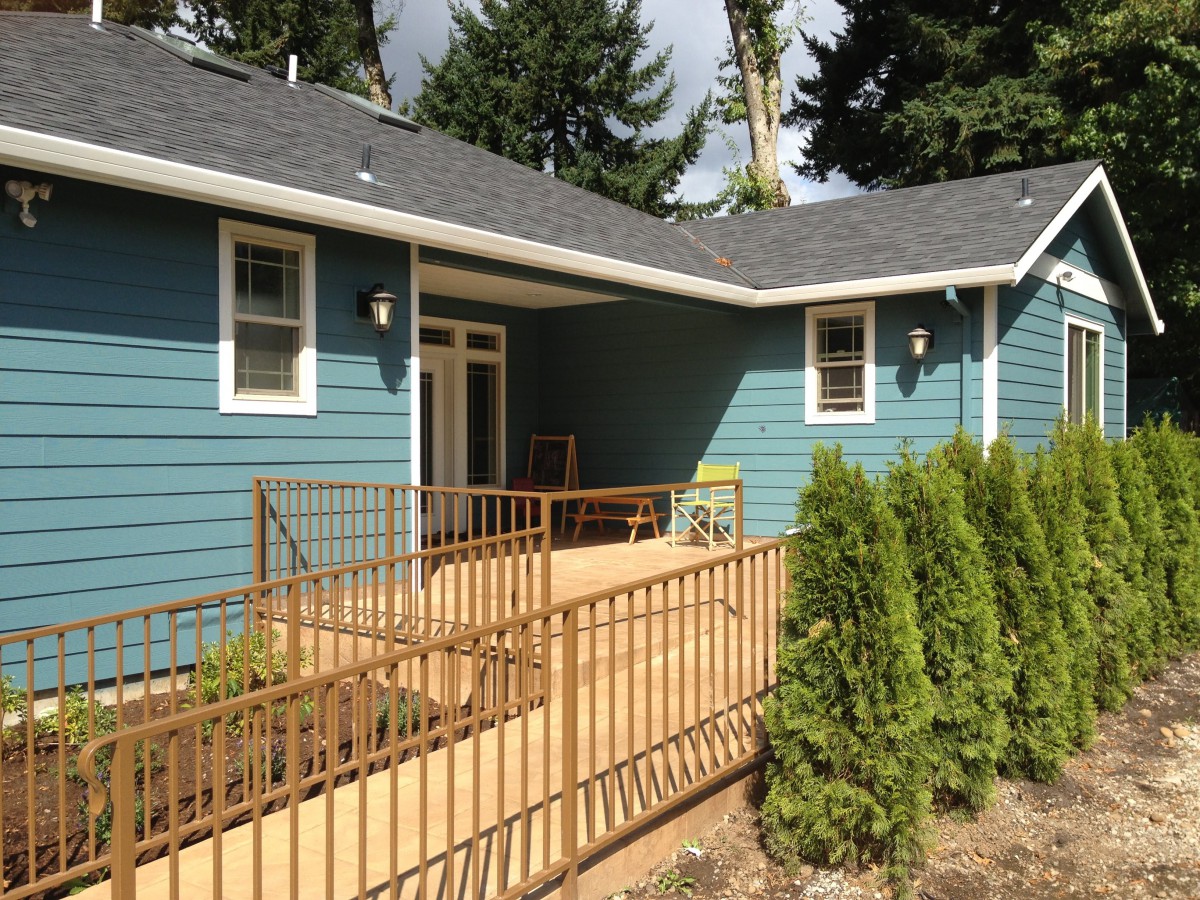
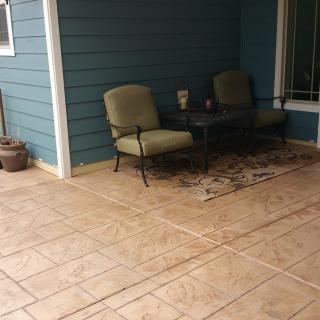
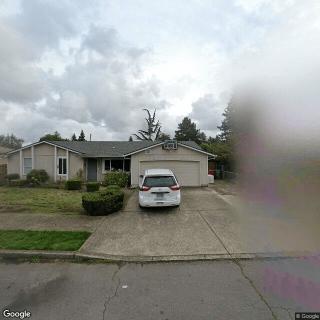
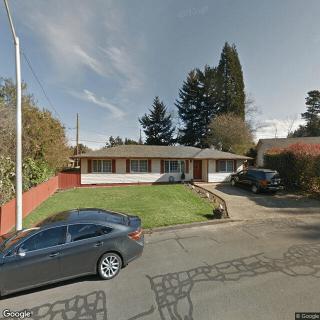
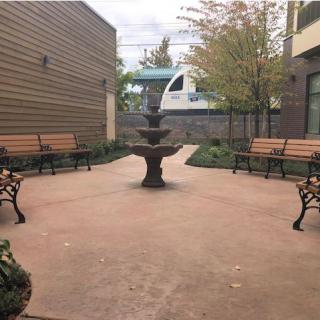
 Garden Home Care is spacious, comfortable, and clean.
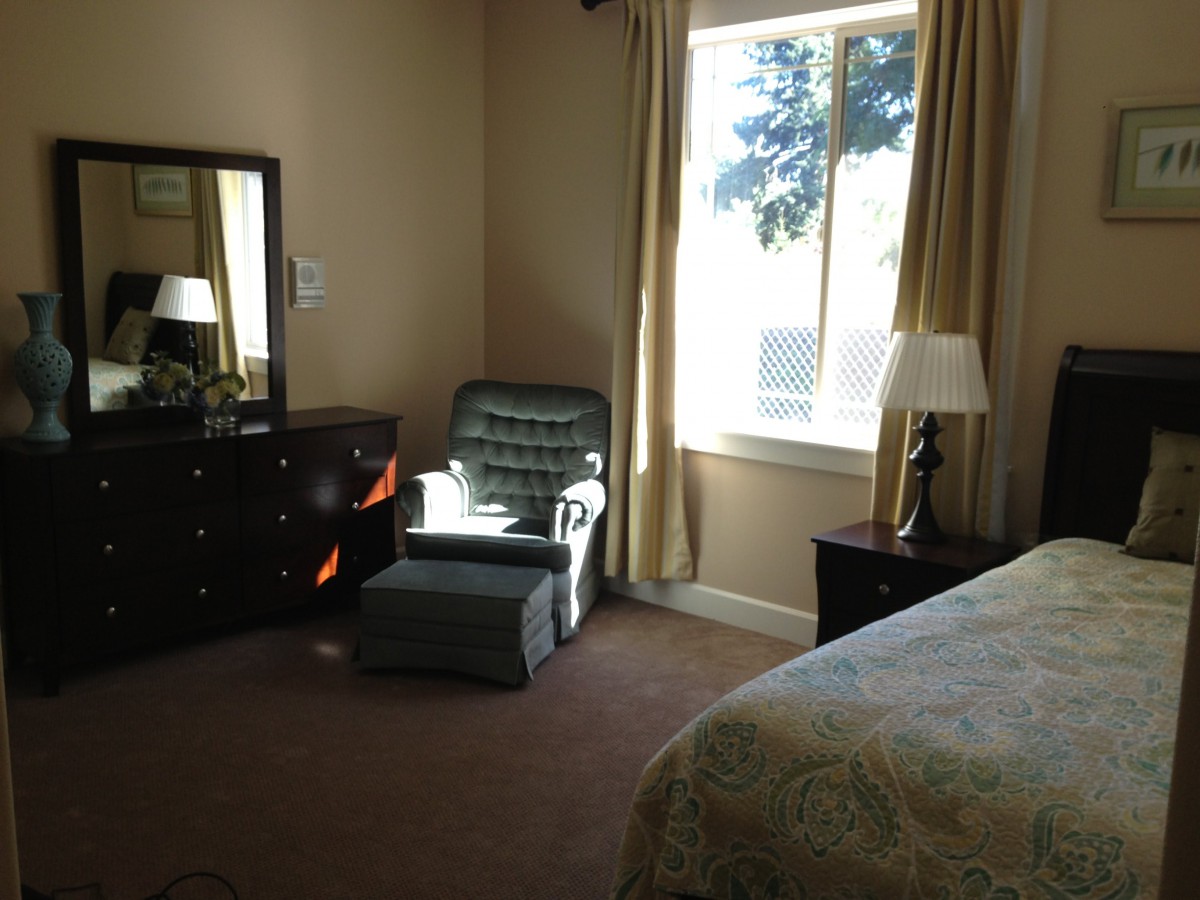
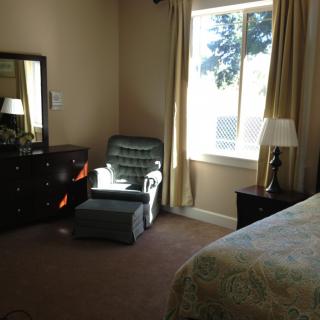
- The bedrooms are bright with pleasant garden views.
- Meals are home cooked and very good.
- The caretakers are kind and considerate of residents’ needs.
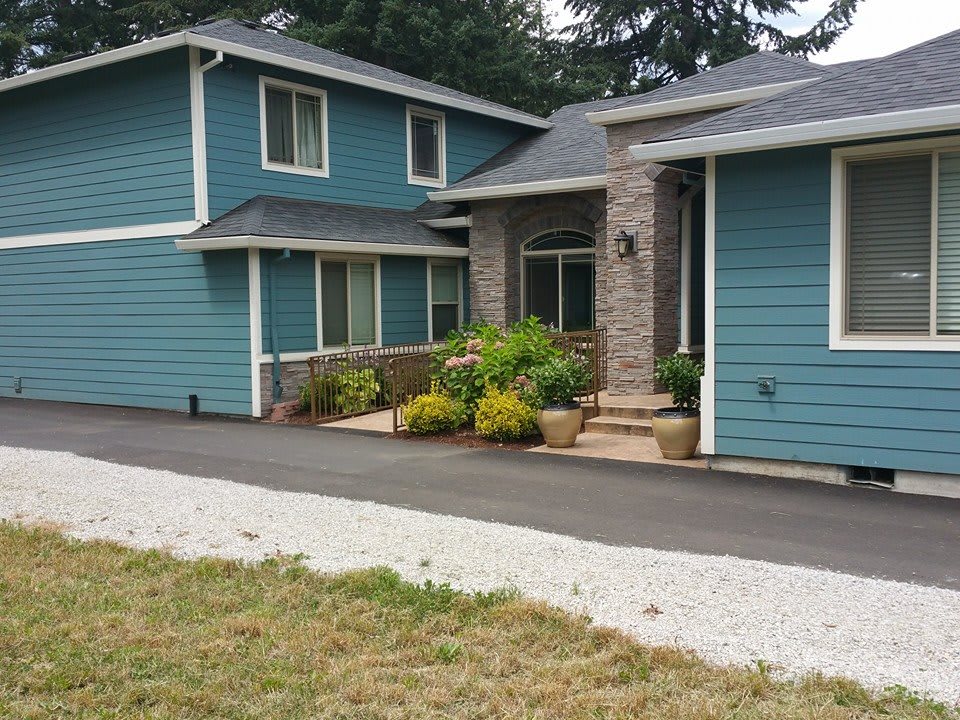
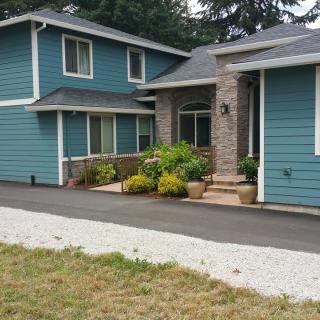
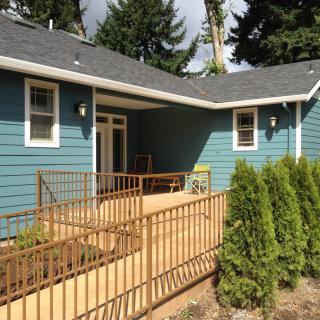
- The home is beautifully appointed and inviting to residents and visitors.
- Elder Garden Care Home is welcoming, quiet, and very clean.
Review
Elder Garden Care Home, LLC in Portland, Oregon is best suited for families seeking a warm, intimate, home-like setting where a loved one can receive around-the-clock attention, with a particular strength in memory-care needs. The reviews consistently highlight light-filled bedrooms, garden views, and a comfortable, clean environment that feels almost like a residence rather than a facility. For families prioritizing daily, hands-on care delivered with kindness, and valuing clear, accessible communication from a small team, this community stands out as a reliable, trustworthy choice.
Those considering alternatives should note that this setting may not be the fit for everyone. If the priority is a large campus with extensive programming, a broad social calendar, or highly specialized medical or rehabilitative services on-site, a bigger memory-care or skilled-nursing operation could be a better match. Similarly, families needing a facility with more formalized clinical oversight or a wider network of ancillary services might find options elsewhere that align more closely with those needs. The intimate scale and personal touch here are strengths; they can be perceived as limitations for families seeking a robust, program-rich environment.
The strongest pro lineup centers on the home’s warmth and the quality of care. The space feels welcoming to residents and guests, with caregivers described as kind, patient, and attentive to individual needs. Home-cooked meals, a responsive routine, and a serene, well-kept atmosphere contribute to a sense of stability and comfort that many families look for in end-of-life or long-term care. The personal touch is reinforced by proactive communication; families report quick updates and a trustworthy relationship with Jessica and the staff, which translates into confident decisions during challenging medical or daily-care moments.
These pros offset potential gaps by emphasizing continuity and trust. In particular, the combination of a comfortable living environment, satisfying meals, and dependable caregiving mitigates concerns about the realities of memory care, where mood fluctuations and daily care demands can be significant. The staff’s professionalism and the home’s inviting atmosphere help families feel their loved ones are not just cared for but cherished, which is often the highest-priority factor when negotiating care transitions. While the setting may be smaller and less commercially expansive, the depth of attention appears to compensate for any perceived lack of breadth in programming.
From a decision-making perspective, several practical indicators emerge. Prospective families should verify that 24/7 care is consistently available and that staff can handle memory-related behaviors with calm, respectful strategies. It’s worth confirming how care plans are developed and updated, and how families receive timely updates about day-to-day changes. Observing the dining experience, resident interactions, and the overall pace of the home can reveal how well the environment supports both independence and necessary supervision. Importantly, asking for direct opportunities to speak with current residents or families can illuminate how well the atmosphere translates into real-world comfort and stability.
Bottom line: for families prioritizing a deeply personal, home-like environment with reliable, compassionate 24-hour care, especially when memory issues are present, Elder Garden Care Home is a standout choice in Portland. The combination of light-filled living spaces, thoughtful meal service, and a staff that residents and families clearly trust makes this setting a strong fit for those who value intimate attention over program breadth. For those whose priorities include a larger community, more formal clinical programming, or expansive activities, alternatives that offer a more commoditized, campus-style experience may warrant comparison. In short, this is a top-tier match for families seeking dignity, warmth, and steady, individualized care in a smaller, well-run home.
 Board and Care Home
 Memory Care
 Cats allowed
 Activities off-site
 Air-conditioning
 Cable or satellite TV
 Devotional services off-site
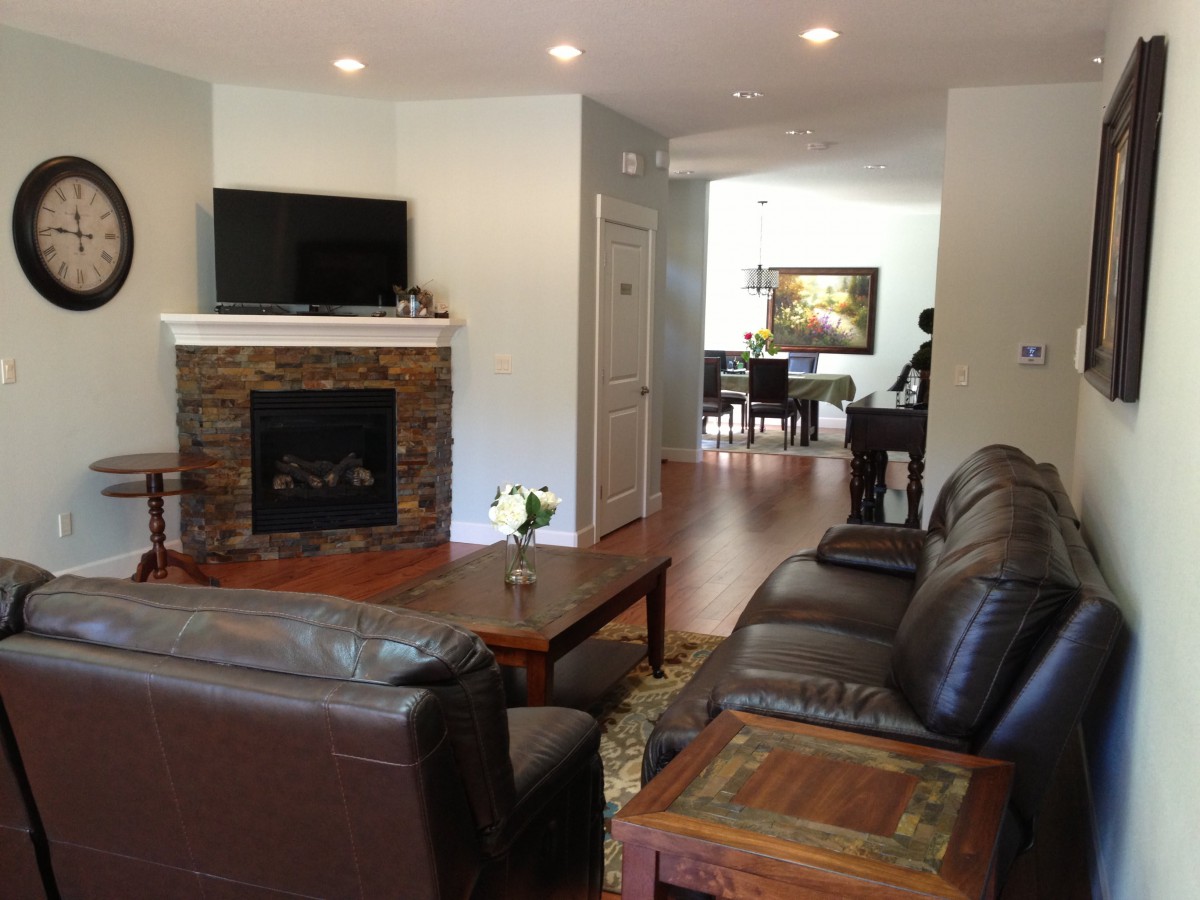
 Indoor common areas
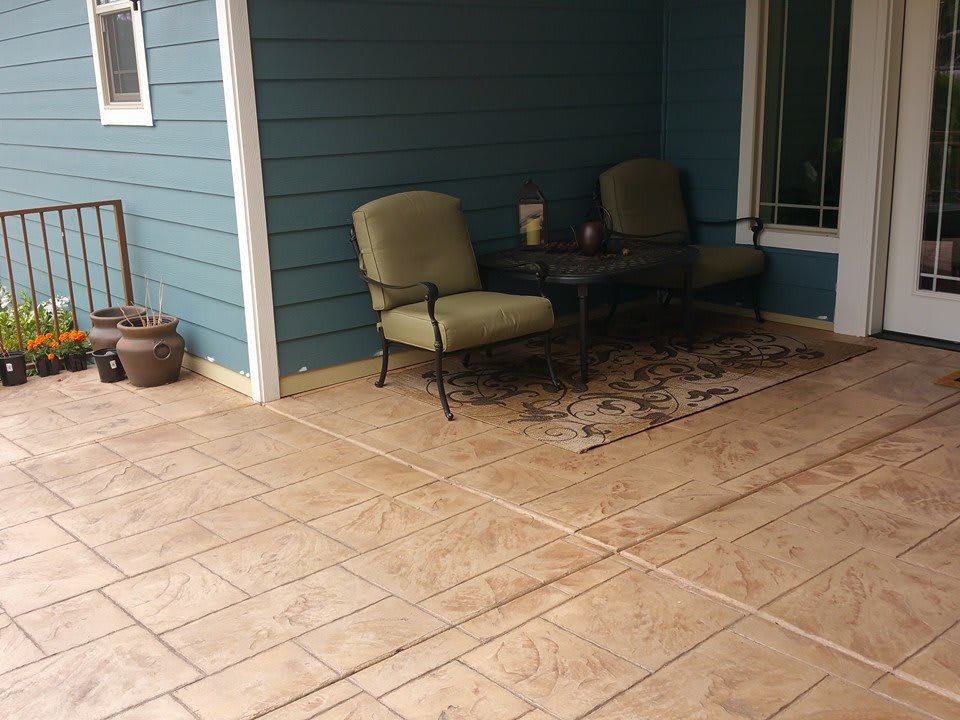
 Outdoor common areas
 Private
 Private bathrooms
 Respite or short term stays offered
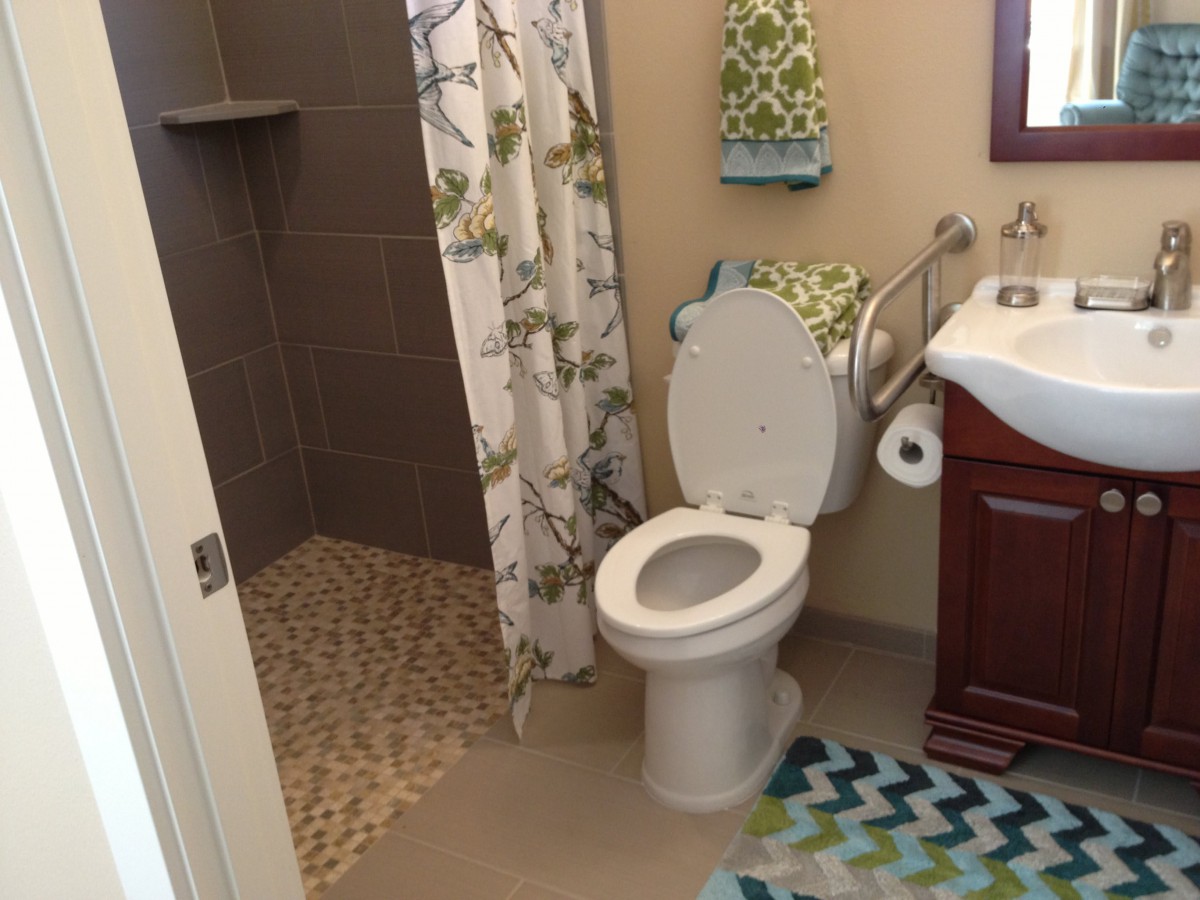
 Wheelchair accessible showers
 Wi-Fi/high-speed internet available
 Portland International (8 miles away)
 Ambulatory care
 Diabetic care
 High acuity care
 Incontinence care
 Medication management
 Low / no sodium

 Exploring the Power of Reminiscence Therapy for Individuals With Dementia
 An In-Depth Look at Reminiscence Therapy in Dementia Care
 Dementia-Related Hallucinations: Causes, Experiences, and Practical Approaches