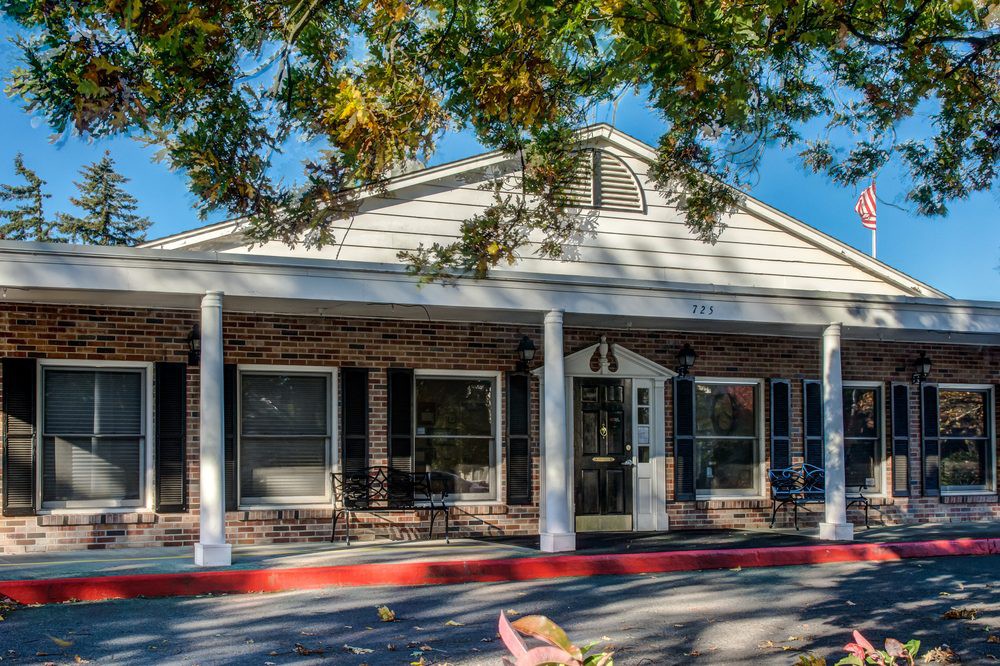






725 SE 202nd Ave, Portland, OR 97233
To contact a resident: (503) 665-3118
For more information about senior living options: (866) 208-4318
Overall Review of Marquis Care At Centennial
Pros
 The staff were amazing and went out of their way to make the recovery process as smooth as possible.
- The facility is very clean with a wonderful nursing team and knowledgeable, kind therapists.
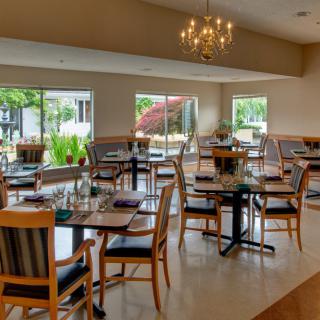
- The memory care unit offers engaging activities, high competence among staff, tasty meals, and a safe environment.
- The Marquis Centennial team is compassionate, professional, and consistently provides high-quality care.
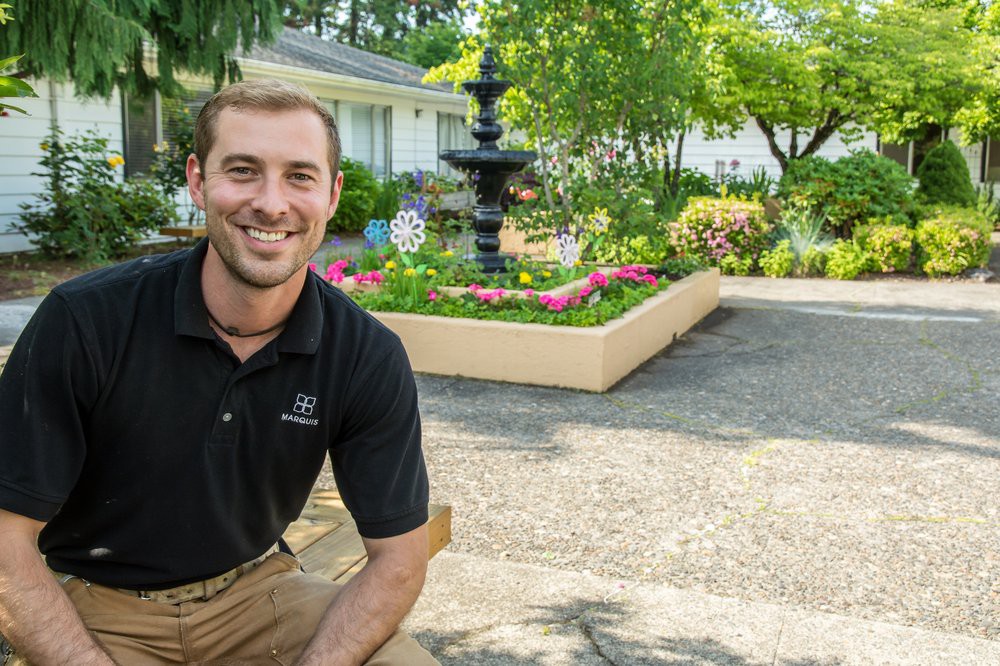
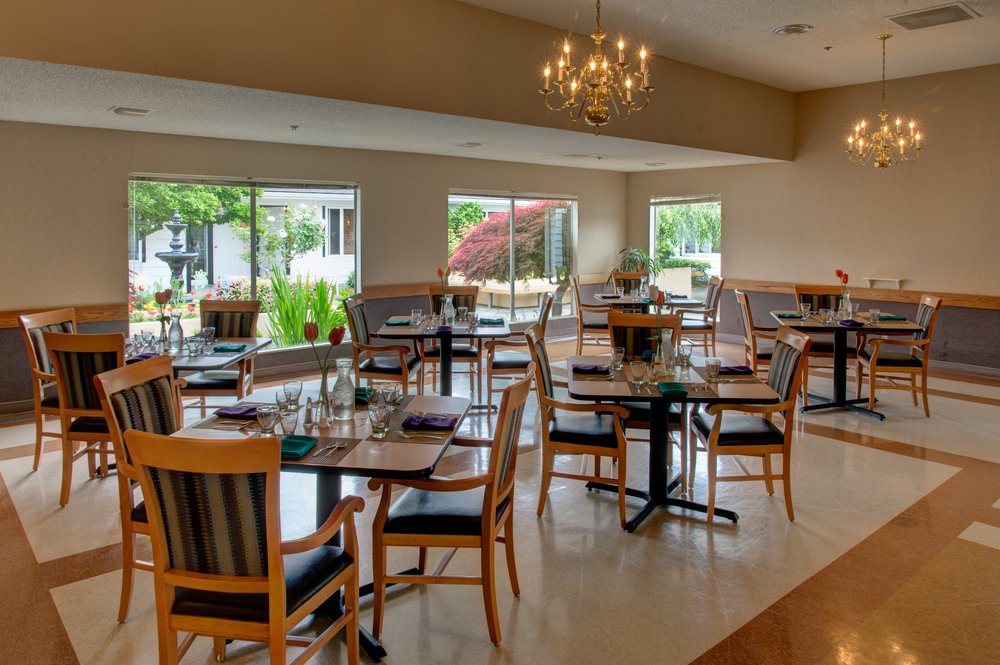
- The facility features great courtyards, friendly staff, a top-notch rehab team, and good food.
- Reviewers would recommend Marquis Centennial for rehab or long-term care.
Cons
 The reviewer warned others not to send their loved one here.
- Nobody called the reviewer or did anything.
- The doctor lied about having had a full conversation with her.
- They hadn't changed her diaper since 2 a.m., leaving her soaking wet.
- The staff would not even open the door for them while the wife was in a wheelchair.
- The staff are incompetent and all they want is to bill.
- They had to call the paramedics again because the facility lacks the training to handle medical conditions beyond giving aspirin.
- They refuse to follow the doctor's orders and instead want to bill for another doctor.
- The reviewer notes that her wife's grandfather was here and almost died because of the facility's care.
Review
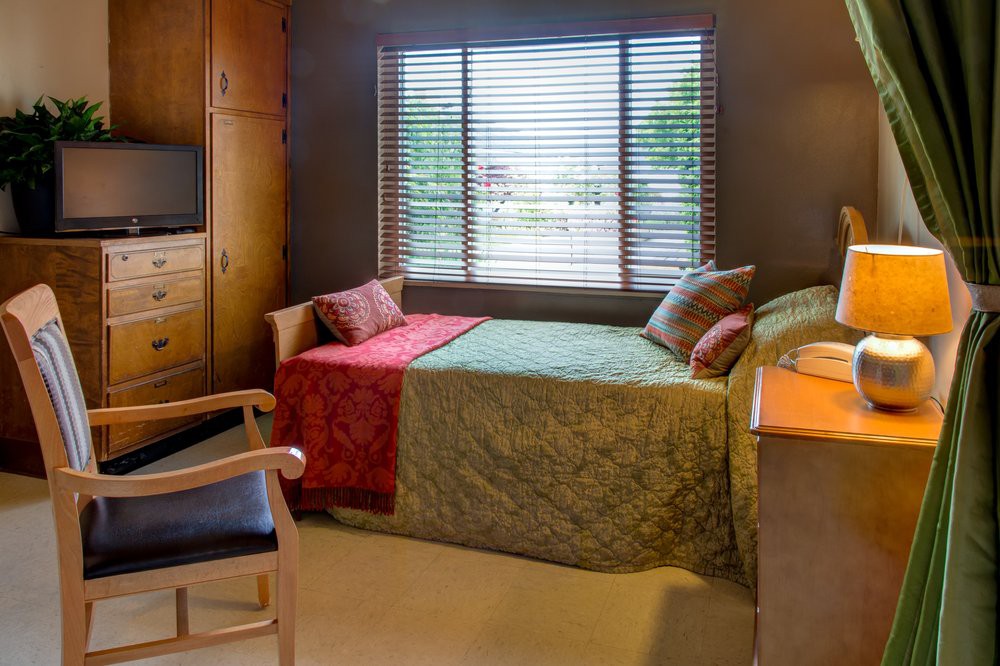
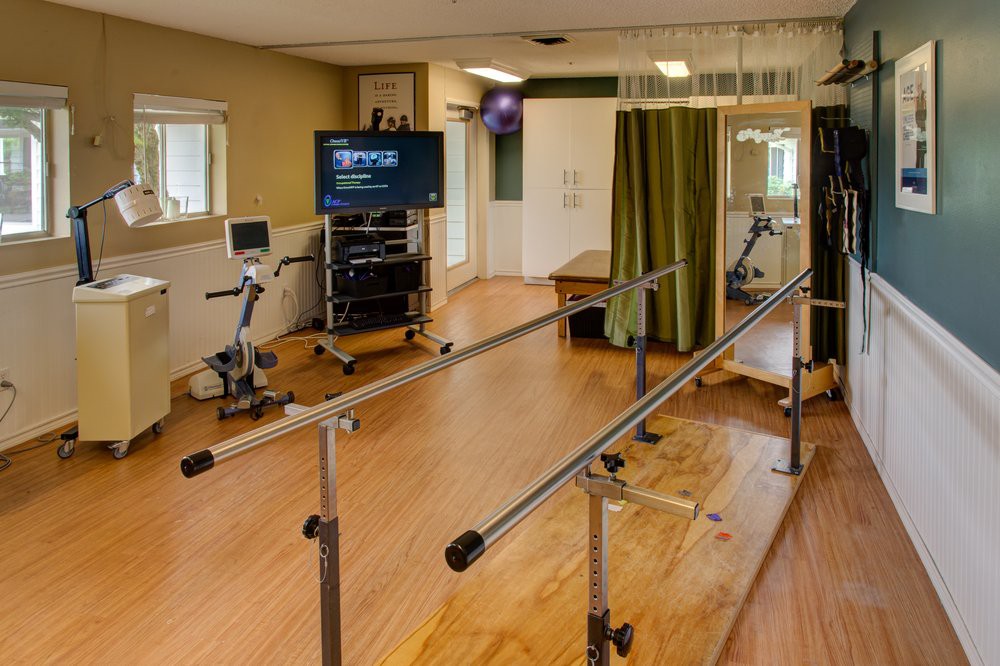
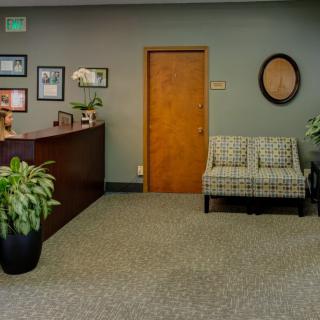
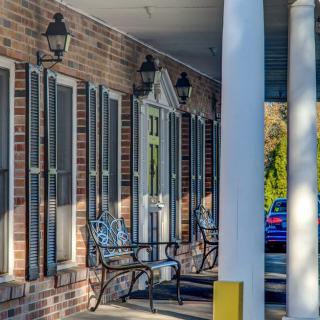
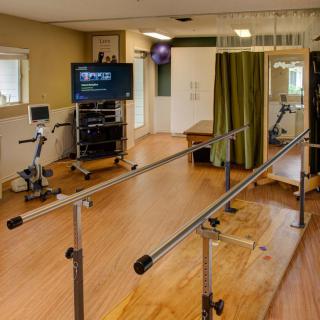
Marquis Care At Centennial in Portland, OR is best suited for families seeking a post-acute rehab focus, memory-care presence, and steady long-term care in a clean, staffed environment. The facility earns credibility from a consistently praised rehab team, capable therapists, and a culture of professional, engaged caregivers. Residents report real progress: transitions from wheelchair to cane, effective physical and occupational therapy, and wound care that supports recovery. The memory-care component is described as engaging and well-staffed, with meals that are considered tasty and activities that keep residents connected. For families prioritizing meaningful daily rehabilitation, structured activity in memory care, and a clean, organized setting, Marquis Centennial stands out as a practical, results-oriented option.
But some families will want alternatives. The most salient caveat is the variability in communication and oversight reflected in multiple reviews. Instances where staff failed to notify families promptly after critical events, or where routines (such as diaper changes) were neglected, point to gaps in bedside reliability. A few accounts describe doors not being opened for loved ones when they left in wheelchairs, and others accuse the facility of prioritizing billing over timely, appropriate medical response. For families that require unwavering, proactive medical monitoring, immediate escalation, and consistently transparent communication, these concerns may tilt the decision toward a facility with a more uniformly reliable track record.
The strongest positives, exceptional rehab talent, clean surroundings, and a compassionate, professional staff, often offset the potential downsides when planning short-term recovery or long-term care. The rehab team’s skill is repeatedly highlighted as a differentiator, with residents regaining mobility and independence under attentive physical and occupational therapy. The memory-care groups are praised for engagement, safety, and a high level of competence among caregivers, which helps families feel confident about daily routines and safety. Cleanliness and attractive common areas, including courtyards, contribute to an environment that supports dignity and comfort. In short, Marquis Centennial delivers measurable clinical value and human warmth that can drive meaningful outcomes for many residents.
However, the main cons cannot be ignored, especially for those who demand flawless day-to-day execution and medical rigor. The most troubling threads involve lapses in timely communication during emergencies, questions about adherence to doctors’ orders, and concerns about inconsistent protocol execution. Some reviews depict a staffing culture where administrative tasks, rather than clinical needs, take precedence, which can undermine trust in urgent scenarios. Families should not assume uniform experiences across shifts or units; instead, they should verify how care coordination is structured, who leads the care plan, and how quickly the facility escalates concerns to family members and physicians. These red flags are meaningful for residents with complex medical needs or families wanting a 24/7 safety net.
The decision comes down to priorities and risk tolerance. For families prioritizing rehab outcomes, memory-care engagement, and a clean, welcoming environment, Marquis Centennial is a strong cohort option worth investigating further. Prospective residents should push for a detailed tour focused on therapy schedules, staff-to-resident ratios, and the care-planning process; interview the head of nursing, the therapy director, and the memory-care supervisor; and ask for concrete examples of how emergencies are handled and communicated. If there is an intolerance for any perceived gaps in medical responsiveness, or if a family requires guaranteed, faultless daily operations, exploring alternatives with demonstrably tighter oversight and more consistent communication may be prudent. In the right match, Marquis Centennial delivers tangible rehab gains and compassionate care that families can rely on when choosing the next chapter of an elder’s care.
 Memory Care
 Skilled Nursing Facility
 Portland International (8 miles away)





 Engaging Memory Care Activities That Enhance Quality of Life
 When to Transition from Assisted Living to Memory Care: Key Indicators, Steps, and Finding the Right Community
 Understanding the Distinctions: Assisted Living and Memory Care Explained