
725 South East 202Nd Avenue, Portland, OR 97233
For more information about senior living options: (866) 208-4318
Overall Review of Marquis Centennial Post Acute Rehab
Pros
 The staff were amazing and went out of their way to make the recovery process as smooth as possible.
- The facility offers extensive physical and occupational therapy that helps residents transition from a wheelchair to walking with a cane.
- The facility is very clean and has a wonderful nursing team.
- The therapists are knowledgeable and kind.
- This facility is a great choice for rehab or memory care.
- The courtyards are wonderful and the food is pretty good.
- In the memory care unit, residents receive personalized care and are engaged throughout the day with caring people and activities.
Cons
 The staff failed to notify the family or take action when the patient showed distress.
- The doctor lied about having had a full conversation with the patient.
- The diaper wasn’t changed for hours, leaving the patient soaking wet.
- The staff refused to open the door for the family, leaving the patient in a wheelchair.
- The facility appeared more focused on billing than on patient care.
- The staff lacked training to handle medical conditions beyond giving aspirin.
- They refused to follow the patient’s doctor's orders.
- They failed to respect privacy and handle basic needs, such as keeping water in the room, due to HIPAA concerns.
- The reviewer suggested the patient nearly died because of the facility’s care.
Review
Marquis Centennial Post Acute Rehab in Portland is best suited for families seeking a recovery-focused stay after a hospital admission, where the primary goal is intensive rehabilitation, skilled nursing oversight, and a supportive memory-care environment. It works well for residents who can benefit from persistent physical and occupational therapy, a clean and engaging environment, and care teams that are described as capable and compassionate. The setting and program are particularly well aligned with short- to mid-term rehab needs, including mobility restoration and wound or post-surgical healing, with the option of transition to longer-term care if needed. Those who expect minimal therapy, or who require highly responsive, consistently flawless medical oversight at all times, should consider alternatives.
On the upside, the strongest draw is the rehab and care team. Reviews repeatedly highlight a robust physical and occupational therapy presence that helps residents move from wheelchair to walking with a cane, and a nursing and support staff praised for dedication, professionalism, and genuine compassion. The facility itself earns marks for cleanliness and a welcoming atmosphere, with engaged memory-care programming that keeps residents active through purposeful, varied activities. Families have expressed high confidence in the clinical staff, citing measured progress, strong therapy plans, and attentive care across most shifts. For families prioritizing hands-on rehab and a positive daily environment, Marquis Centennial delivers reliably.
Yet, several reviews carry serious cautions that cannot be ignored. A minority of experiences describe delays in recognizing or communicating health changes, with one account detailing a life-threatening event that reportedly wasn’t properly acknowledged in a timely fashion. Other comments allege inconsistencies in following medical orders or overly transactional behavior tied to billing, rather than patient-centered care. A few families recount moments of perceived neglect, such as rooms not being attended to promptly or doors not being opened when assistance was available. These outlier reports create legitimate concerns about oversight and responsiveness, especially for loved ones with complex medical needs or high sensitivity to communication gaps.
Those cons, however, are tempered by the broader pattern of care quality and results. For families focused on rehabilitation outcomes, Marquis Centennial often embodies the decisive advantages: a strong therapy regime, a professional nursing complement, and a healthy, safe environment that supports daily activities and meaningful engagement. When the care team aligns with a resident’s rehabilitation plan, the improvement trajectory can be substantial, and many families report returning home with markedly better function. Cleanliness, appetizing meals, and the positive tone set by staff further reduce ongoing stress for residents and families alike, helping to offset the rarer, more problematic experiences that surface in a handful of reviews.
Given the mixed experiences, the decision to choose Marquis Centennial should weigh safety and communication expectations against rehab strength and staff warmth. Alternatives may be more suitable for those who require near-immediate physician-level intervention, highly predictable incident reporting, or a care culture that can withstand scrutiny over billing practices. Prospective residents with complex medical histories or families who cannot tolerate any ambiguity in care plans should compare facilities with explicit, transparent escalation paths, bedside diligence, and stronger, real-time physician involvement. A clear picture emerges: Marquis Centennial excels as a rehab-focused community with exceptional staff and environment, but safety and communication consistency must be verified upfront.
For a practical decision framework, focus on three pivots: first, the rehab team's intensity and discharge outcomes, pull recent therapy schedules, expected milestones, and discharge-to-home supports; second, the reliability of communication, establish direct lines to the care team, cadence of updates, and how emergencies are escalated; third, the memory-care component, the level of engagement, staff-to-resident ratio, and daily routines that sustain cognitive and behavioral health. Visit with current residents and families, request real-time demonstrations of therapy sessions, and review state inspection records and complaint histories. Marquis Centennial is a solid, capable choice for rehab and memory care, but the ultimate decision should hinge on whether its strengths in therapy, environment, and compassionate care align with the loved one’s safety expectations and recovery goals.
 80 resident community capacity
 Skilled Nursing Facility
 Air-conditioning
 Beauty salon
 Cable or satellite TV
 Computer center
 Dining room
 Fitness room
 Fully furnished
 Gaming room
 Garden
 Housekeeping services
 Kitchenette
 Move-in coordination
 Outdoor space
 Private bathrooms
 Restaurant-style dining
 Small library
 Telephone
 Wellness center
 Wi-Fi/high-speed internet available
 Portland International (8 miles away)
 Community operated transportation
 12-16 hour nursing
 24-hour call system
 Activities of daily living assistance
 Assistance with bathing
 Assistance with dressing
 Assistance with transfers
 Diabetes diet
 Medication management
 Mental wellness program
 Special dietary restrictions
 Concierge services
 Planned day trips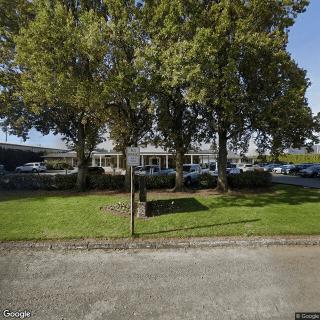


 Comprehensive Look at Senior Blood Pressure Charts: Normal and Elevated Levels by Age
 Top Canine Companions for Older Adults
 Comprehensive Guide to Blood Pressure Charts for Older Adults: Understanding Normal and High Readings by Age