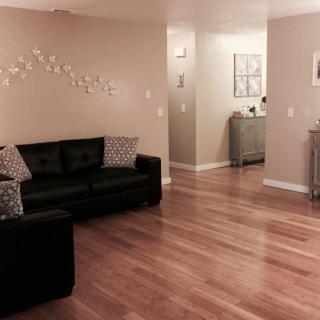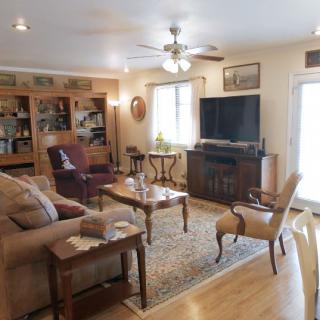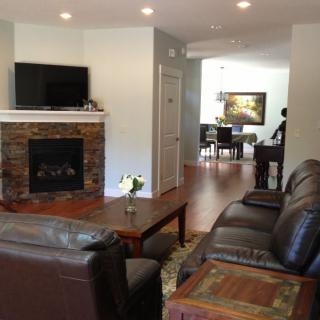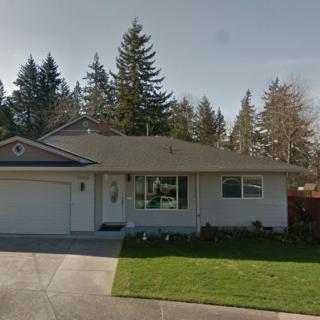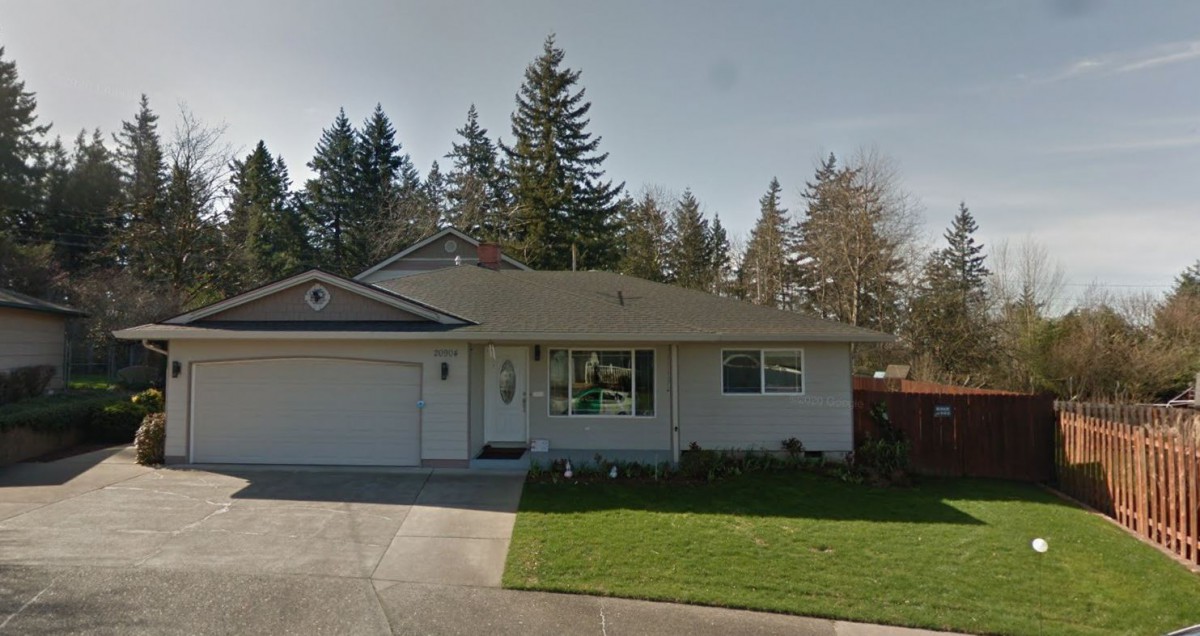
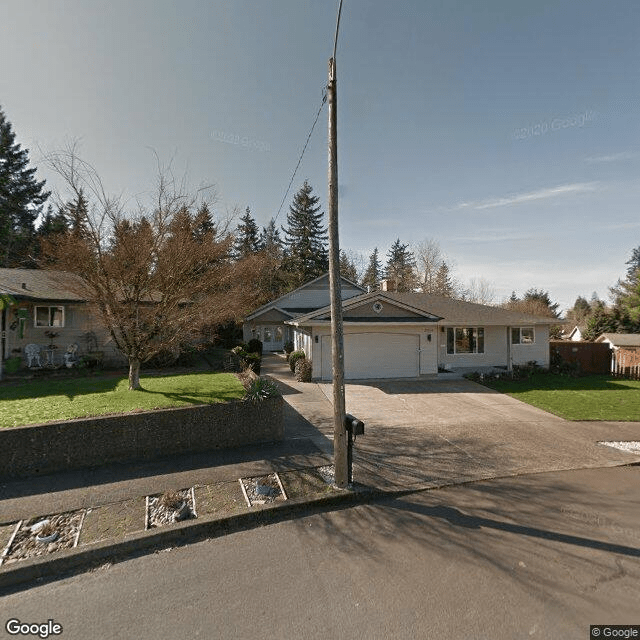
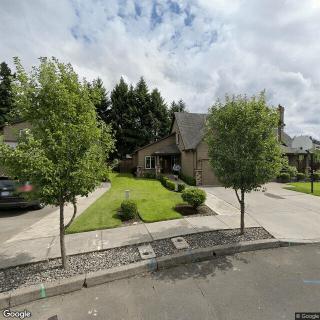
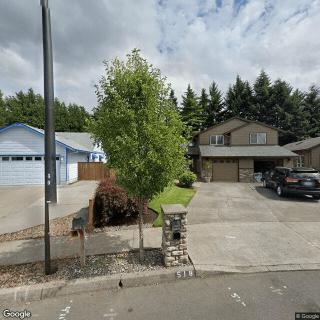
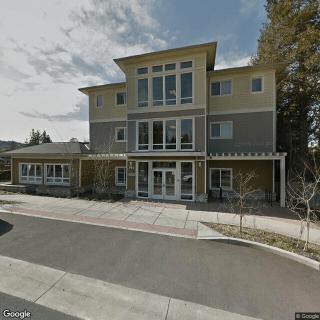
20904 SE Clay Ct, Gresham, OR 97030
To contact a resident: (503) 703-7431
For more information about senior living options: (866) 208-4318
Clay Court AFH Costs & Pricing
At Clay Court AFH, the costs for accommodations reflect a competitive pricing structure when compared to both Multnomah County and the broader state of Oregon. For private rooms, residents benefit from a monthly fee of $2,500, which is notably lower than the county average of $3,227 and the state average of $3,424. Additionally, those opting for studio apartments at Clay Court can expect to pay $4,200 per month. While this figure is higher than Multnomah County's average of $3,455 and Oregon's state average of $3,815, it's important to consider the unique offerings and quality of care provided at Clay Court AFH that may justify this investment. Overall, Clay Court AFH presents an appealing option for individuals seeking affordable private room solutions in a well-regarded assisted living environment.
| Floor plans | Clay Court AFH | Multnomah County | Oregon |
|---|---|---|---|
| Private | $2,500 | $3,227 | $3,424 |
| Studio | $4,200 | $3,455 | $3,815 |
Memory care communities with a similar price nearby
-
About the same
A Gentle Care Home
$2,500 / month4.6 miles away -
from +$300 / mo
Aging Gracefully Family Home
$2,800 to $3,500 / month9.5 miles away -
from +$150 / mo
Cedar Lodge Care Home
$2,650 to $3,000 / month13.8 miles away -
from +$100 / mo
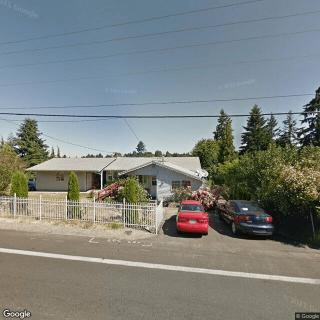
Golden Lane Adult Care Home
$2,600 / month12.9 miles away -
from +$95 / mo
Highgate Senior Living
$2,595 to $3,095 / month16.4 miles away
Overall Review of Clay Court AFH
Pros
 The reviewer loved this home.
- The home left a strong, positive impression.
- The reviewer appreciated the home's appeal.
Cons
 Mom needs more care than they provide.
- She is almost level 3.
- Wished she would have said yes!
Review
Clay Court AFH in Gresham, OR is best suited for families seeking a small, home-like assisted living arrangement for a resident who needs light to moderate help with daily tasks and values intimate, relationship-driven care over an institutional feel. This option works well for someone who thrives on a familiar, resident-centered routine and can benefit from closer staff-to-resident interaction. It is less appropriate for residents with substantial medical needs or those who require continuous, high-level nursing or specialized memory care. For families facing rising care demands, the setting can feel cozy and comforting, but it may not deliver the safety net and breadth of services found in larger facilities. In such cases, alternatives that offer higher acuity care should be considered.
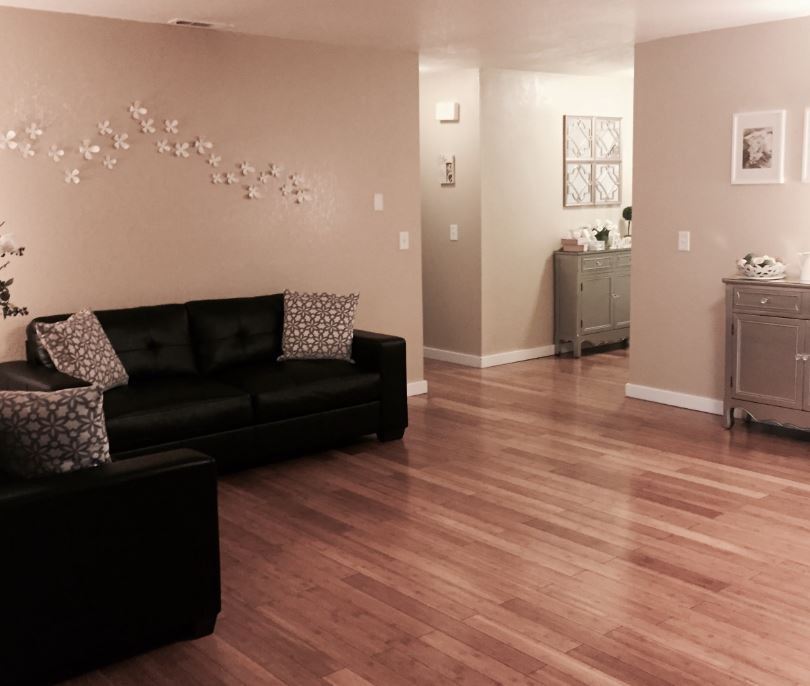
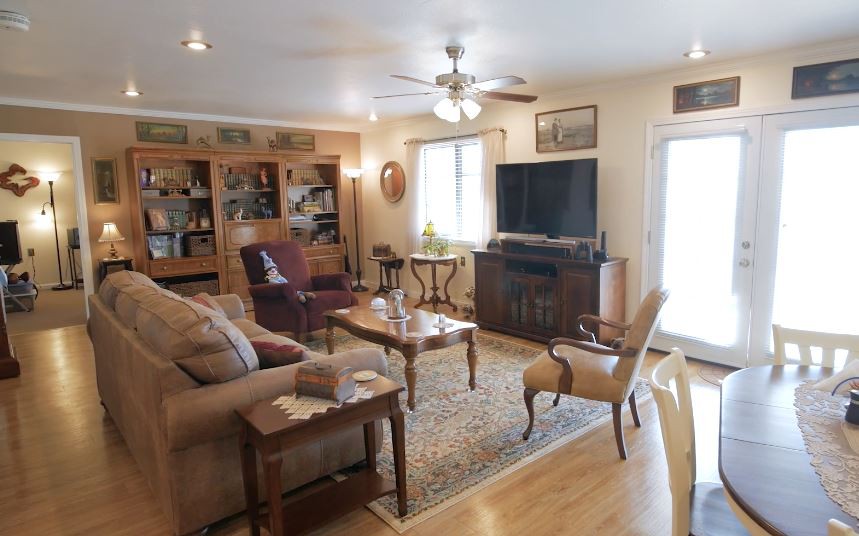
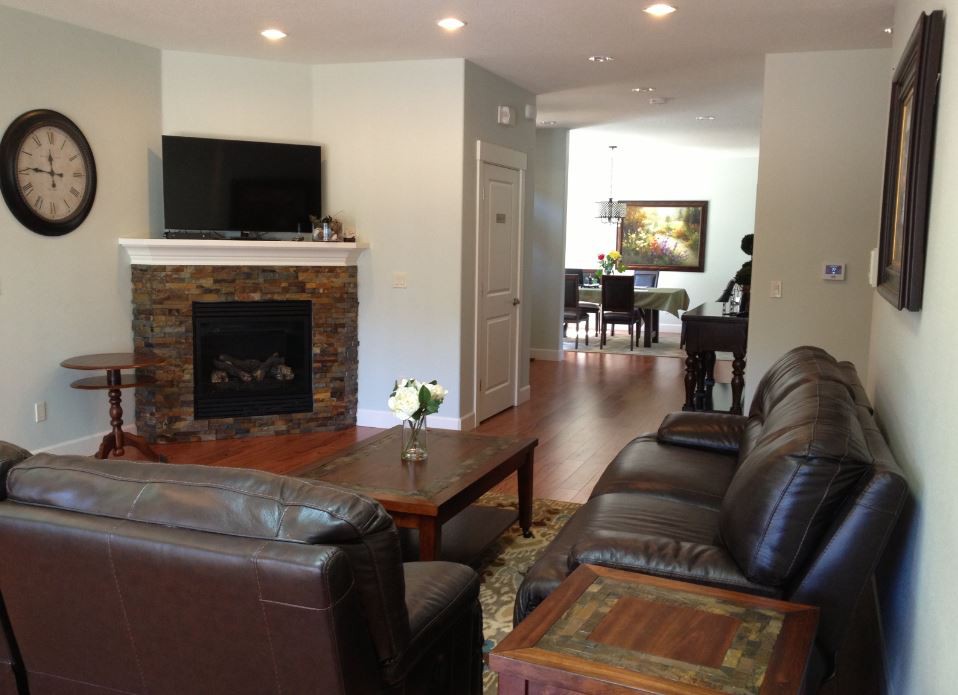
The strongest attribute is the home atmosphere. A reviewer described it as “loved this home” and wished the resident had accepted entry, signaling a warm, welcoming environment where staff interactions feel personal. The setting appears intimate, with caregivers who know residents well and can tailor routines. Families can expect a sense of belonging, with daily rhythms conducted in a familiar, non-institutional style. The human-scale care pattern matters because it often translates into steadier mood, safer daily living, and more meaningful participation in activities for someone who does not require constant medical intervention.
The caution is clear in the other review: “Mom needs more care than they provide… she is almost level 3.” This indicates a mismatch for residents near higher acuity, where daily assistance, complex medication management, or cognitive support may demand more than this home can deliver. The lack of compatibility with higher care needs is the primary con. Without explicit staffing and clinical capabilities described, it’s reasonable to assume the home is optimized for basic to moderate assistance, not for advanced dementia, frequent mobility challenges, or intricate health monitoring. Families should be prepared for transitions if care needs escalate.
For suitable residents, the pros counterbalance this risk. The intimate setting reduces impersonality typical of larger communities and can ease anxiety for new residents, shortening the adjustment period. Personal attention often translates into quicker response times, familiar routines, and opportunities for residents to engage in meaningful activities and social connections. When needs stay within mild-to-moderate levels, this environment can deliver consistent quality-of-life gains that a bigger campus might dilute with layered care. The advantage hinges on staying within the home’s care envelope and avoiding a slide into higher-acuity requirements.
Practical considerations demand a careful check. Location in Gresham situates Clay Court AFH within reasonable reach of family and local medical providers in the Portland area. With only two published reviews and a four-star overall rating, due diligence is essential. Prospective families should tour the home, speak with the caregiver(s), and observe interactions with current residents. Key questions should address the staff-to-resident ratio during peak hours, the ability to manage medications, emergency procedures, respite availability, and policies for escalating care if needs increase. Also verify what constitutes “level 3” care in practice and whether this home can partner with external services when higher acuity is necessary.
Bottom line: Clay Court AFH is a practical fit for families prioritizing warmth, personal connection, and a gentle daily rhythm for someone who does not require heavy medical oversight. For residents approaching level 3 or higher, or for families needing robust, on-site medical support and specialized memory care, alternatives should be pursued. The decision should hinge on a live visit, conversations about actual care capabilities, and a clear plan for what happens if health needs evolve. When those boxes are checked, this home can deliver a comforting, home-like environment that preserves independence and dignity in a familiar setting.
 Board and Care Home
 Memory Care
 Private
 Private bathrooms
 Portland International (9 miles away)
 Ambulatory care
 Diabetic care
 Incontinence care
 Memory Care Pathways: A Holistic Guide to Dementia Support
 Comprehending Evening Confusion in Dementia: Causes, Manifestations, and Support
 Delirium and Dementia: Unraveling the Key Differences