
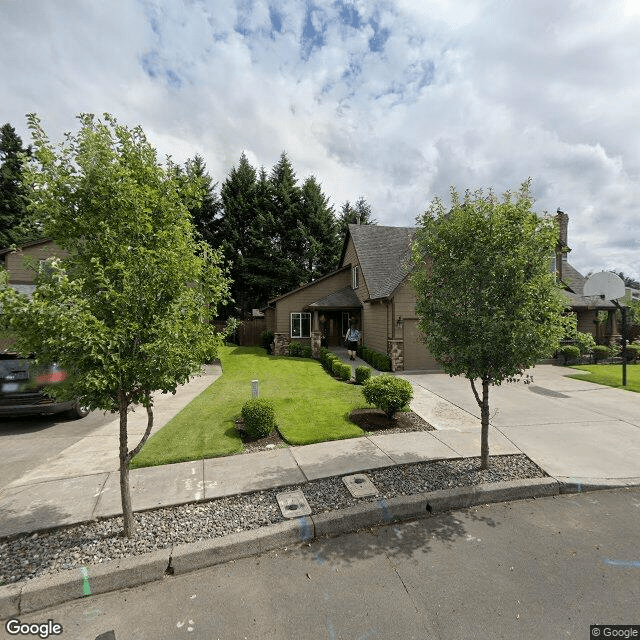
522 NW 23rd Ave, Gresham, OR 97030
To contact a resident: (503) 492-6224
For more information about senior living options: (866) 208-4318
Carlsberry Place Costs & Pricing
Carlsberry Place offers competitive pricing for its private rooms at $3,400 per month, positioning itself within the broader landscape of costs in Multnomah County and the state of Oregon. While this rate is slightly higher than the county average of $3,227, it remains comparable to the statewide average of $3,424. This suggests that Carlsberry Place is strategically priced, providing residents with access to quality amenities and care while still being mindful of the regional economic context. Such insights into pricing reflect not only the value offered but also an understanding of local market dynamics, ensuring potential residents feel confident in their choice.
| Floor plans | Carlsberry Place | Multnomah County | Oregon |
|---|---|---|---|
| Private | $3,400 | $3,227 | $3,424 |
Senior living communities with a similar price nearby
-
from +$400 / mo

The Inn at University Village
$3,800 to $7,500 / month17.3 miles away -
from -$400 / mo
A Piece of Heaven
$3,000 / month10.0 miles away -
from +$600 / mo
Oaktree Adult Care Home
$4,000 / month15.5 miles away -
from -$400 / mo
Yamhill Senior Care Home
$3,000 / month3.2 miles away -
from -$400 / mo
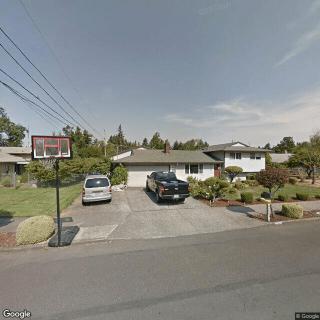
Peaceful Lighthouse Adult Care Home
$3,000 / month1.7 miles away
Overall Review of Carlsberry Place
Pros
 The caregivers and owner of Carlsberry Place are wonderful.
- They are very caring to residents and provide excellent care.
- The staff at Carlsberry Place are absolutely wonderful to residents, and families could not have asked for more.
- The care is person-centered and loving, with knowledgeable staff.
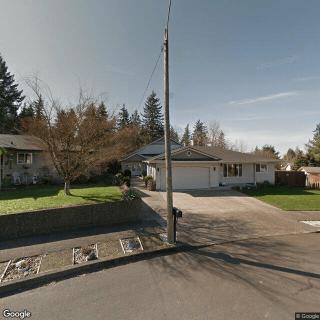
- The house is beautiful and offers a homey, spacious atmosphere.
- The food is restaurant-worthy and smells heavenly.
- The home feels like Nana’s house, not a facility, and hosts engaging activities and live performances.
Cons
 The mom doesn't participate in many activities.
- She is a picky eater.
Review
Carlsberry Place in Gresham is best suited for seniors who want a warm, home-like assisted living environment where caregiving feels personalized and deeply attentive. This community shines for families seeking reliable hands-on care from the owner and staff, with a strong emphasis on resident comfort, meals that feel restaurant-quality, and a living atmosphere that resembles a family home more than a medical facility. For loved ones who value consistent, compassionate engagement and a sense of belonging over a highly structured public program, this setting offers clear peace of mind.
Alternatives are worth considering for residents who need more formal programming or higher-acuity medical oversight. Larger communities with a visible, busy activity calendar and on-site nursing support may better suit someone who requires frequent clinical monitoring or a broad slate of daily activities for social engagement. If memory care needs are present or if a resident benefits from specialized dementia programming and security features, a memory-care-focused community could be a preferable match. In short, this is not the choice for those seeking extensive clinical services or highly regimented, campus-scale programming.
The strongest pros here are the people and the atmosphere. Caregivers and the owner are repeatedly described as wonderfully caring, knowledgeable, and responsive, delivering person-centered care that family members feel confident entrusting to them. The home itself feels beautiful, spacious, and welcoming, with a sense of “home, not institution” that helps both residents and families relax. Meal quality is widely praised, described as restaurant-worthy in several notes, and the social texture is enriched by scheduled activities and occasional live performances, which contribute to a genuine sense of community rather than a sterile routine.
These strengths offset potential drawbacks in meaningful ways. When a resident is not inclined to participate in every activity or has picky tastes, the intimate setting and individualized attention mean care remains personalized and responsive rather than impersonal. The ability to tailor meals and routines to a resident’s preferences is a practical antidote to concerns about engagement levels. The performers and seasonal events add warmth without turning care into a rigid program, which can be precisely what families are seeking: meaningful connection without sacrificing safety or daily predictability.
However, there is value in acknowledging the less universal experiences reflected in the rate mix. While the majority of notes celebrate the home-like ambience, two reviews lean toward lower ratings, suggesting that not every experience aligns perfectly with every family’s expectations. The implied takeaway is that expectations around activity intensity, scheduling, and individual taste can vary; for some residents, a larger campus with more formal programming or a more clinical environment may feel more appropriate. The presence of a broad spectrum in the overall rating signals that this choice strongly favors those who prioritize intimate, personalized care over breadth of programming.
For families evaluating Carlsberry Place, a practical decision framework emerges. Visit with the potential resident in mind: observe how staff interact with a real person, ask to sample a meal, and gauge how comfortable the environment feels when the door closes at night. Inquire about daily routines, availability of on-site medical support, and how the staff handle dietary restrictions or meal preferences. Probe the owner’s and caregivers’ approach to activity options, are there flexible options for residents who prefer quiet time or independent pursuits? If the answer aligns with a desire for a home-like, person-centered model, this community stands out as a strong, practical match for the right resident.
In sum, Carlsberry Place is a compelling fit for seniors who want a nurturing, homey atmosphere with highly engaged caregivers, restaurant-quality dining, and a family-centered vibe. It excels at delivering peace of mind through intimate, personalized care and a warm, welcoming setting. It is not the top pick for those needing heavy clinical oversight, formal dementia programming, or a large, highly structured activity calendar. When the resident’s temperament and care goals align with a small-house model where staff truly know the person, the offsetting advantages far outweigh the measurable drawbacks.
 Board and Care Home
 Private
 Portland International (9 miles away)
 Ambulatory care
 Diabetic care
 Incontinence care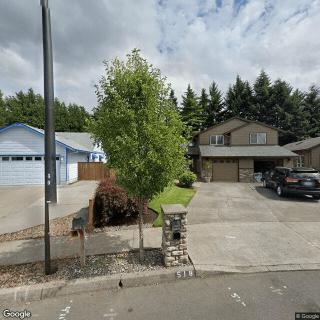


 California's Form 602A: An In-Depth Examination of Senior Care Assessment
 Comprehensive Look at Senior Blood Pressure Charts: Normal and Elevated Levels by Age
 Top Canine Companions for Older Adults