Highgate Senior Living presents a competitive pricing structure for its accommodations when compared to the broader market in Clark County and Washington State. With monthly costs starting at $2,595 for a studio apartment, residents can enjoy significant savings - over $1,200 less than the county average of $3,882 and nearly $1,600 under the state average of $4,126. The one-bedroom option also stands out at $2,995, reflecting a similar trend with savings that exceed both county and state averages by approximately $1,200 and $1,600 respectively. Even for semi-private rooms priced at $3,050 or two-bedroom units at $3,095, Highgate offers an appealing economic advantage compared to local rates. Overall, Highgate Senior Living not only provides quality living spaces but does so with a cost-effective approach that benefits its residents in comparison to other facilities within the region.
Floor plans
Highgate Senior Living
Clark County
Washington
Studio
$2,595
$3,882
$4,128
1 Bedroom
$2,995
$4,178
$4,634
Semi-Private
$3,050
$3,897
$4,272
2 Bedrooms
$3,095
$4,528
$4,301
Memory care communities with a similar price nearby
Medication updates are handled with attentive communication.
Multiple families mention clear, ongoing updates about health changes and medication issues, including keeping doctors and family informed. Residents and visitors also describe care partners and nurses who know them well and respond to requests. This matches the community’s stated medication management and related high-acuity support services.
common18 reviews mention this
Staff feels warm, family-like
Residents and families consistently describe a caring, personal staff.
A recurring theme across reviews is how staff greet residents by name, show compassion, and make families feel supported. Many describe staff as approachable and responsive, including when concerns come up or transitions feel stressful. Several reviews compare the day-to-day experience to being part of a larger family rather than a typical facility.
common13 reviews mention this
Activities and exercise keep routines full
Daily engagement includes activities, exercise, and outings.
Residents and families repeatedly mention exercise classes, scheduled activities, and frequent opportunities to get out and socialize. Reviews also describe inclusive programming in memory care and assistance that helps residents participate at their own ability level. A single negative memory-care visit is mentioned as lacking engagement and stimulation, but most other reviews emphasize the programming and resident involvement.
common10 reviews mention this
Food quality earns repeated praise
Meals and food service are consistently described as good.
Many reviews highlight that the food is good, with choices that help residents eat well. Several families also connect meals to improved appetite after moving in. The community offers vegetarian dining and kosher options, aligning with how residents mention meal quality and variety.
caveat3 reviews mention this
Some concerns about safety and staffing
A small set of reviews raises questions about safety and staffing.
A few reviews call out issues related to resident safety and hygiene, as well as concerns about management and staffing stability. One review questions how memory care engages residents, describing limited stimulation during the visit. These are minority experiences compared with the much larger number of reviews that describe attentive care and a clean, well-run environment.
common2 reviews mention this
Close to nearby errands
Families note the community is convenient to local destinations.
Some reviews mention that the community is close to things in the area, and others describe being within a manageable drive from family. The community’s excursion-focused activities also appear in reviews as part of keeping residents connected to the broader community.
How we summarize
Counts show how many written reviews mention each theme; a review can touch several themes, and only frequently mentioned themes are displayed.
Features
Types of Care
Assisted Living
Independent Living
Memory Care
Pets
Cats allowed
Dogs allowed
Amenities
Activities off-site
Activities on-site
Bath tubs
Beautician on-site
Devotional services off-site
Devotional services on-site
Indoor common areas
Outdoor common areas
Respite or short term stays offered
Wheelchair accessible showers
Transportation
Portland International (8 miles away)
Care Services
Diabetic care
High acuity care
Incontinence care
Medication management
Dining
Kosher
Meals provided
Vegetarian
Activities
Activities off-site
Activities on-site
Devotional activities offsite
Devotional activities on-site
Nearby Places of Interest
This part of Vancouver, Washington offers a variety of amenities that cater to senior living. With multiple cafes in close proximity, you can enjoy a cup of coffee or a meal at places like Dutch Bros Coffee or Panera Bread. There are also several pharmacies nearby such as Target Pharmacy and CVS Pharmacy for easy access to medications. In terms of healthcare, there are reputable physicians and hospitals in the area including Legacy Medical Group and Salmon Creek Hospital. For recreation, you can visit parks like Luke Jensen Sports Park or Felida Park for outdoor activities. Transportation options are convenient with Portland International Airport just 8 miles away. Additionally, there is a place of worship nearby for spiritual fulfillment at the Battle Ground United Methodist Church. This neighborhood provides a comfortable and convenient environment for seniors looking to settle down in Vancouver.
Cafes
Dutch Bros Coffee (0.1 miles)
Dutch Bros Coffee (1.2 miles)
Panera Bread (1.3 miles)
Blackrock Coffee (1.9 miles)
Dutch Bros Coffee (2.8 miles)
Starbucks (3.3 miles)
Relevant Coffee (4 miles)
Restaurants
McDonald's (0.2 miles)
Super Taco Express (0.5 miles)
McDonald's (1.7 miles)
Applebee's (1.8 miles)
Grapes 'n Growlers (1.8 miles)
Local Asian Bistro (1.8 miles)
Taco Bell (1.8 miles)
Pharmacies
Target Pharmacy (0.4 miles)
CVS Pharmacy (0.4 miles)
Walgreens (0.5 miles)
Safeway Pharmacy (0.7 miles)
Safeway Pharmacy (1.8 miles)
Fred Meyer Pharmacy (2 miles)
Fred Meyer Pharmacy (2 miles)
Physicians
Luke Rosen DO (2 miles)
Salmon Creek Plastic Surgery (2 miles)
Legacy Medical Group-Salmon Creek Family Medicine (2.2 miles)
Entofficedotorg Plic (2.2 miles)
Navin S Arora DO | Kaiser Permanente (2.4 miles)
Great West Family Care PC (2.5 miles)
Family medicine clinic (3.2 miles)
Parks
Luke Jensen Sports Park (2 miles)
Felida Park (2.4 miles)
Vista Meadows Neighborhood Park (2.7 miles)
Douglas Carter Fisher Park (3.1 miles)
Fairgrounds Community Park (3.4 miles)
Esther Short Park (4.6 miles)
Fort Vancouver National Historic Site (4.7 miles)
Hospitals
Salmon Legacy Creek Hospital (2.1 miles)
HCR ManorCare (2.3 miles)
Vancouver VA Medical Center (3.7 miles)
PeaceHealth Southwest Family Birth Center (6.3 miles)
Firstenburg Tower (6.3 miles)
Transportation
Amtrak (4.5 miles)
Concourse D (7.8 miles)
Concourse C (8 miles)
TSA Checkpoint A/B/C - Portland International Airport (8 miles)
Highgate Senior Living presents a competitive pricing structure for its accommodations when compared to the broader market in Clark County and Washington State. With monthly costs starting at $2,595 for a studio apartment, residents can enjoy significant savings - over $1,200 less than the county average of $3,882 and nearly $1,600 under the state average of $4,126. The one-bedroom option also stands out at $2,995, reflecting a similar trend with savings that exceed both county and state averages by approximately $1,200 and $1,600 respectively. Even for semi-private rooms priced at $3,050 or two-bedroom units at $3,095, Highgate offers an appealing economic advantage compared to local rates. Overall, Highgate Senior Living not only provides quality living spaces but does so with a cost-effective approach that benefits its residents in comparison to other facilities within the region.
Highgate Senior Living's medication management ensures that residents receive their prescribed medications on time, reducing the risk of missed doses and potential complications associated with cognitive decline. This structured approach provides peace of mind for both residents and their families, knowing that health needs are being monitored and addressed appropriately. Incontinence care further enhances the dignity and comfort of residents by providing discreet, compassionate support tailored to individual needs. This emphasis on personal care not only helps mitigate feelings of embarrassment but also fosters an environment where individuals can maintain their independence and quality of life while receiving the necessary assistance to manage these common challenges associated with dementia or Alzheimer's disease.
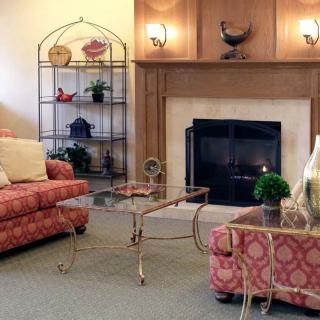
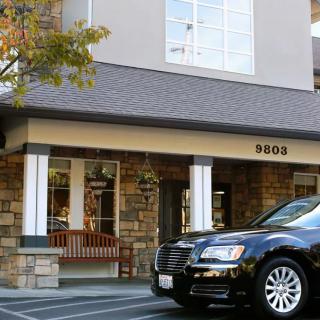
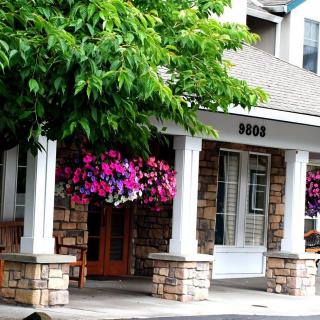
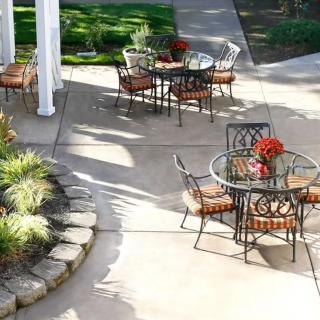
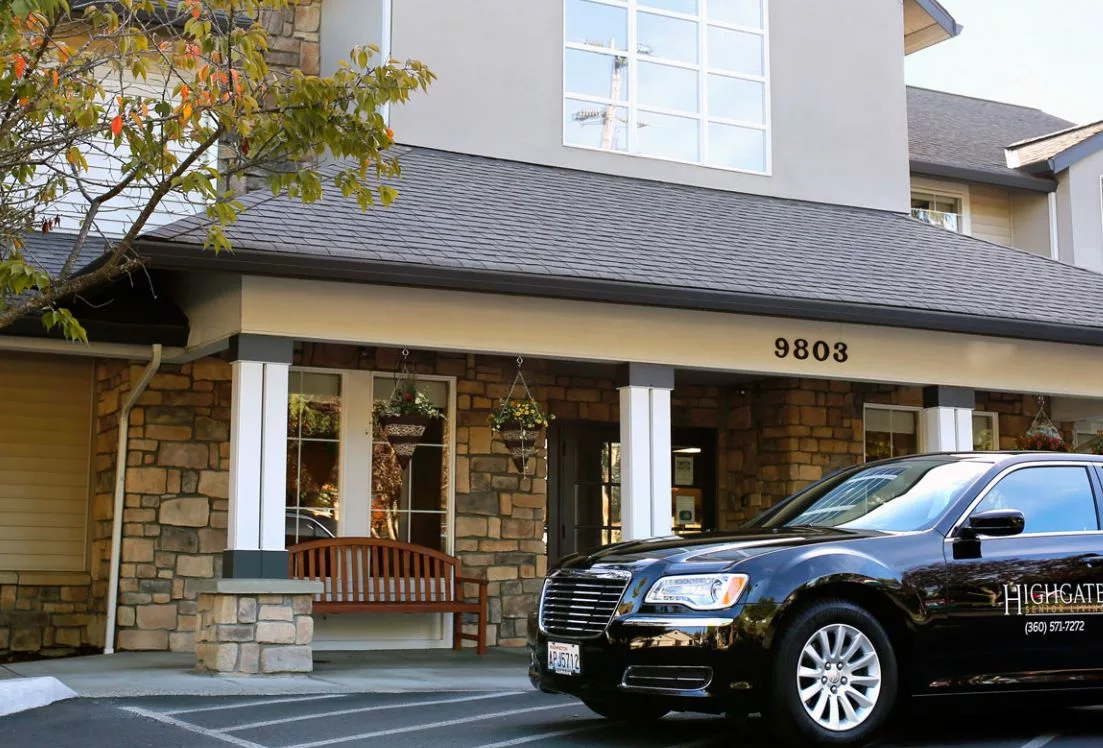
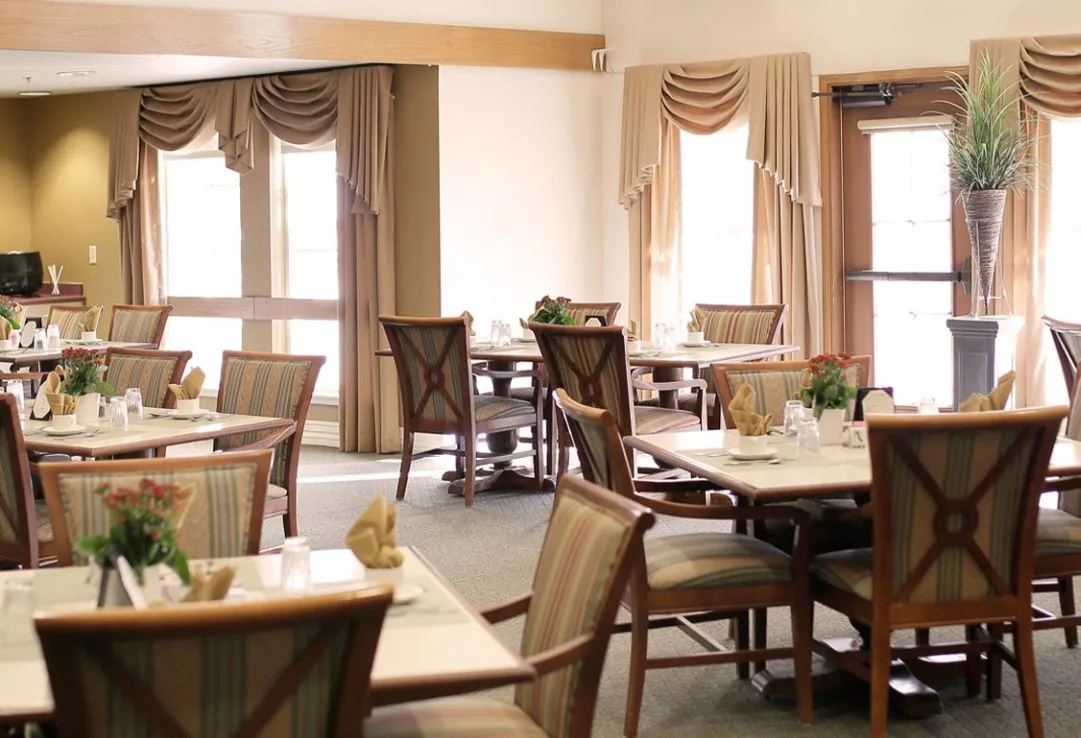
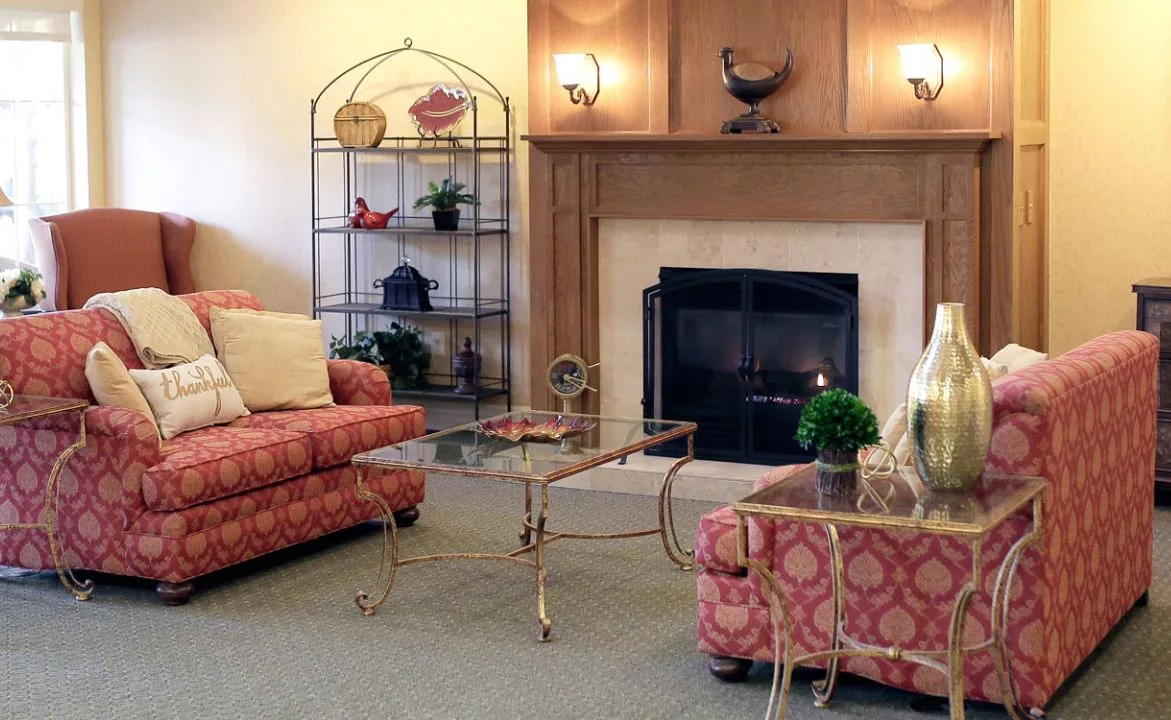
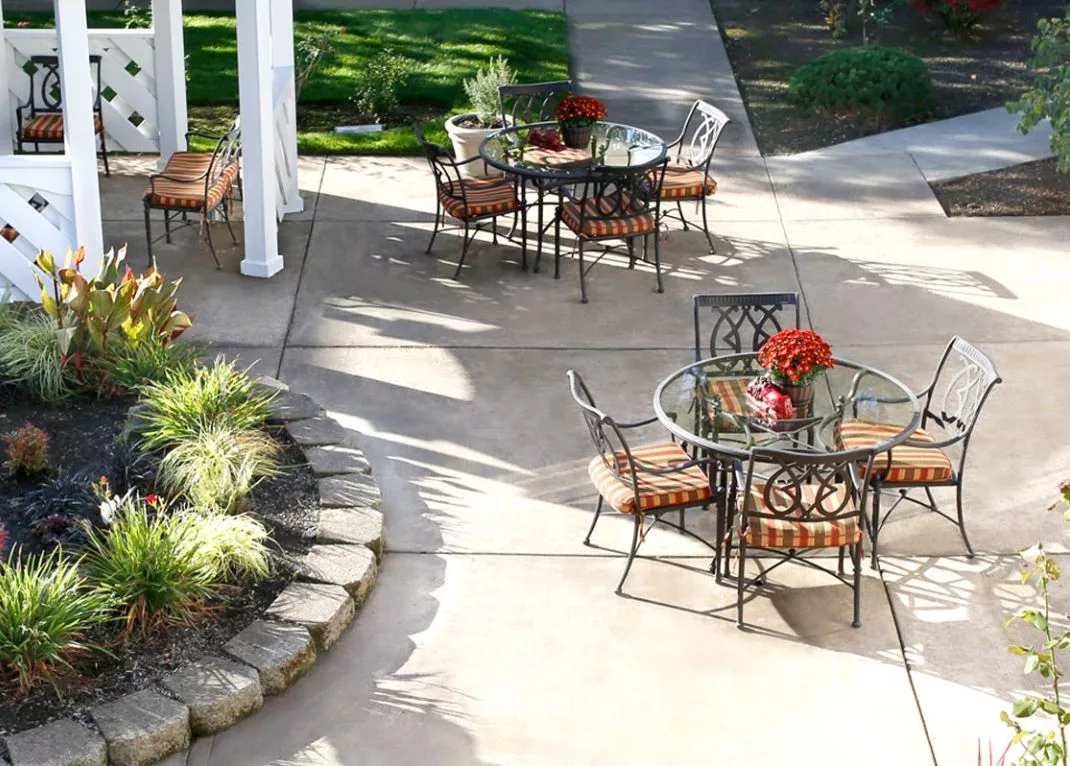
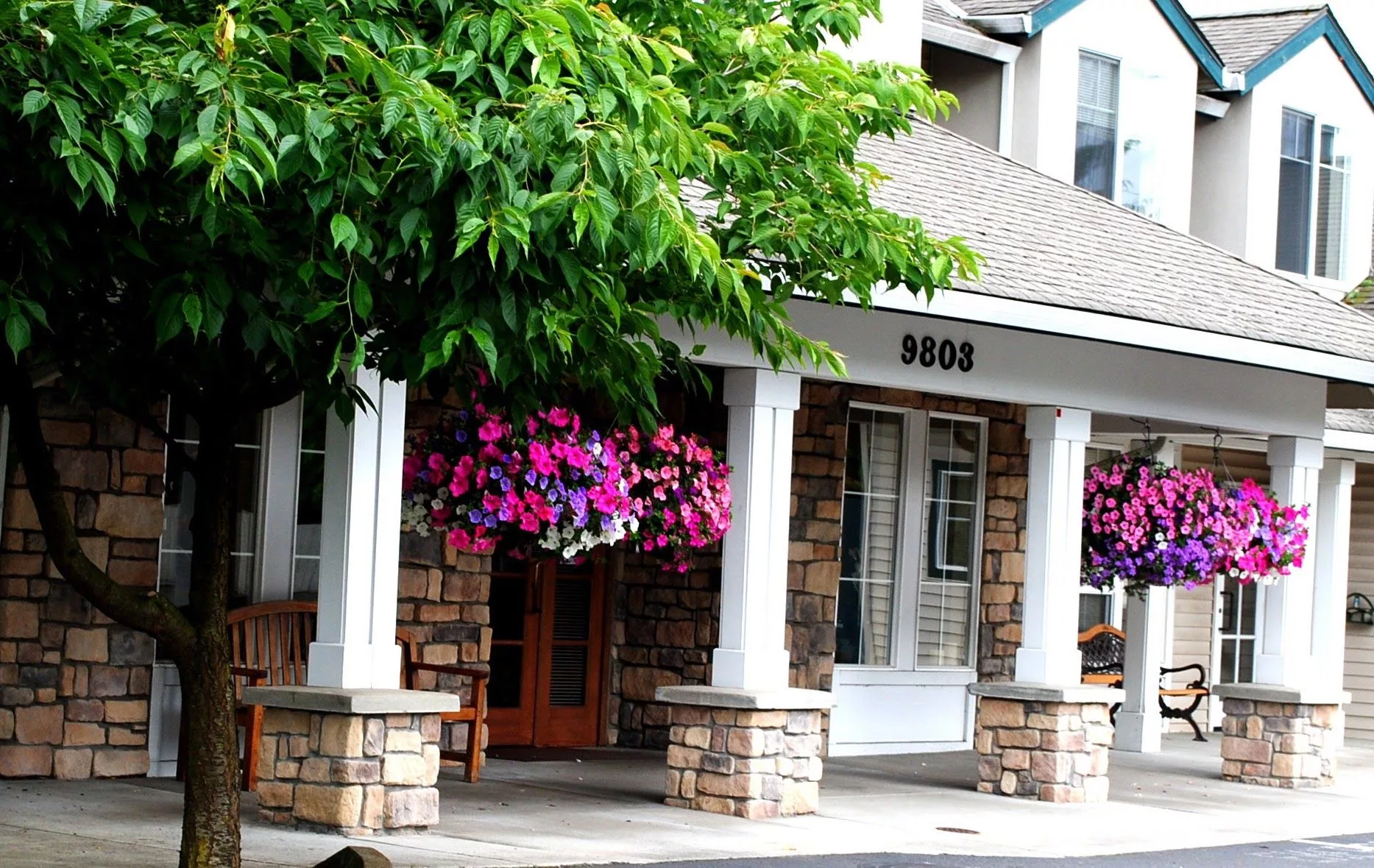
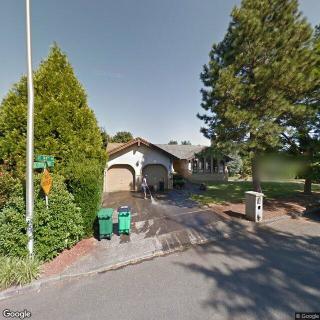
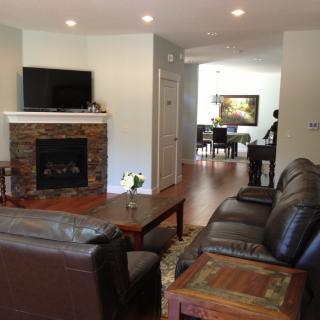
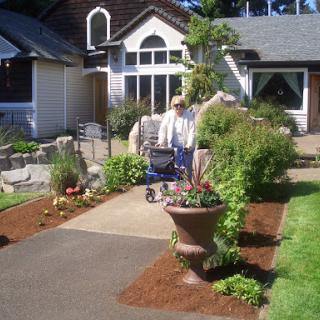
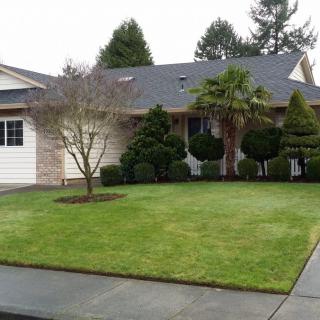
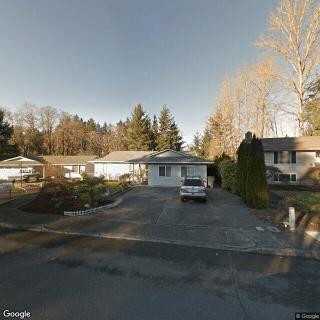
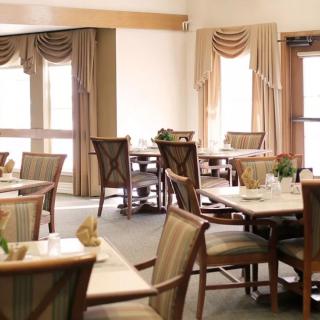
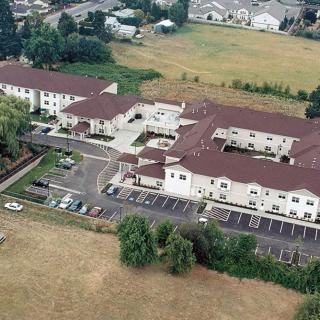
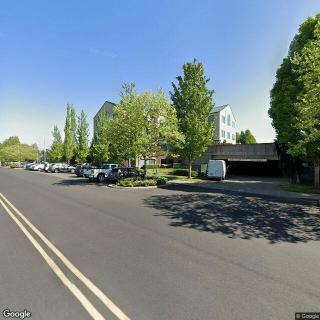
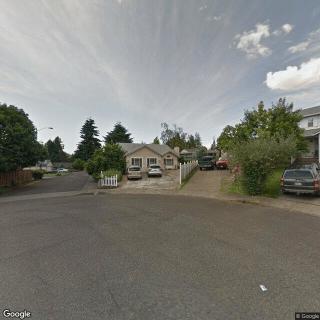
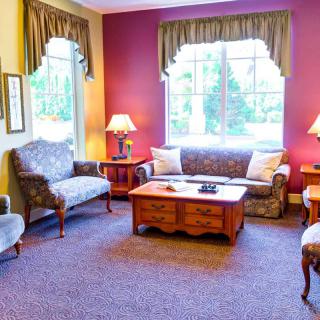
Highgate Senior Living on seniors.fyi includes 6 photos including images showing building, dining, interior, decor, garden, landscaping, entrance, porch, and more.
Nearby Communities
Highgate at Vancouver
Vancouver, WA
4.8 from 122 reviews
Intimate, well-maintained community with friendly staff and engaging activities.
Eden Place LLC
Vancouver, WA
4.9 from 7 reviews
$4,100 to $4,500 / month
Excellent, individualized care in a clean, welcoming setting with home-style meals.
Arbor Ridge Assisted Living
Vancouver, WA
4.8 from 31 reviews
Friendly, compassionate staff and a welcoming community.
Vancouver Comfort Keepers
Vancouver, WA
4.8 from 107 reviews
Excellent access to nearby healthcare and everyday amenities.
Transitioning from assisted living to memory care is driven by an individual's cognitive decline and specific needs, requiring careful evaluation of indicators like increased confusion and wandering. The process involves consulting medical professionals, researching suitable communities, considering financial and legal aspects, and ensuring effective communication for personalized care plans.
The article differentiates between assisted living and memory care, explaining that assisted living supports seniors with daily activities while promoting independence, whereas memory care provides specialized services for individuals with dementia, focusing on secure environments and cognitive support. It also addresses staff training, safety considerations, costs, family involvement, and transition strategies for families navigating these care options.
The article outlines effective communication strategies for interacting with loved ones with dementia, highlighting the need for empathy, patience, and understanding while emphasizing supportive approaches like using simple language, minimizing distractions, and focusing on feelings over facts to maintain dignity and foster connection. It also suggests seeking professional guidance when needed as communication challenges evolve.
Get PricingAsk A QuestionSchedule A TourContact Senior Advisor
By clicking submit, you agree to our Partner's Terms of Use. You
also consent to receive calls and texts, which may be autodialed, from our Partner. Your consent is not a condition to
using our Partner's service. Please visit our Partner's Privacy Policy for information about their privacy practices.




 Assisted Living
 Independent Living
 Memory Care
 Cats allowed
 Dogs allowed
 Activities off-site
 Bath tubs
 Beautician on-site
 Devotional services off-site
 Indoor common areas
 Outdoor common areas
 Respite or short term stays offered
 Wheelchair accessible showers
 Portland International (8 miles away)
 Diabetic care
 High acuity care
 Incontinence care
 Medication management
 Kosher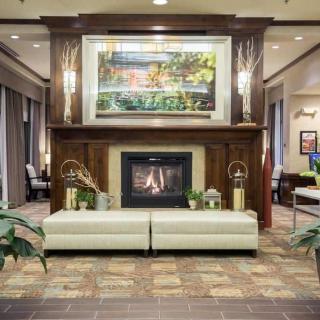
 Intimate, well-maintained community with friendly staff and engaging activities.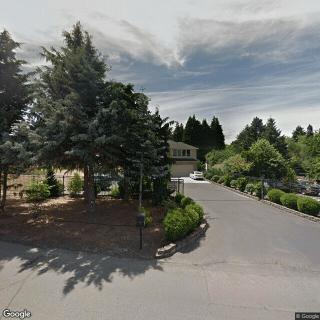


 When to Transition from Assisted Living to Memory Care: Key Indicators, Steps, and Finding the Right Community
 Understanding the Distinctions: Assisted Living and Memory Care Explained
 How to Communicate with a Loved One Living with Dementia: 10 Supportive Strategies