
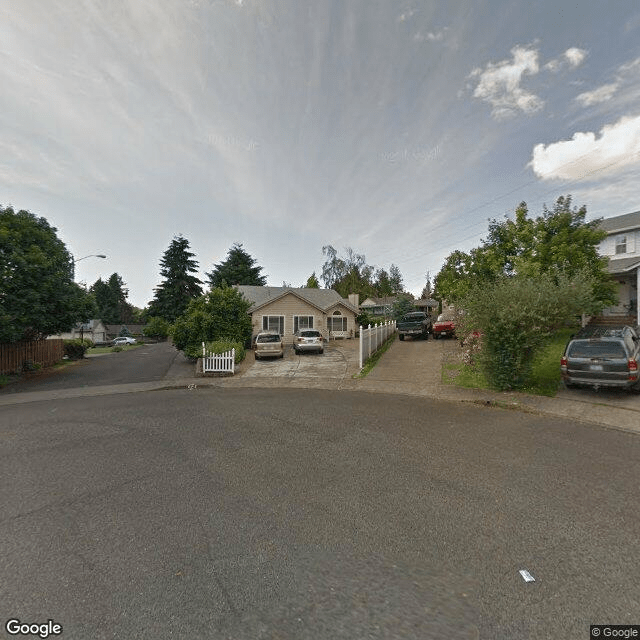
206 NW 98th Circle, Vancouver, WA 98665
To contact a resident: (360) 576-3530
For more information about senior living options: (866) 208-4318
Guardian Angel Care Center Inc Costs & Pricing
Guardian Angel Care Center Inc offers a competitive monthly rate for private rooms, ranging from $2,500 to $2,800. This pricing is significantly lower than the average costs in Clark County, which stand at approximately $3,992, and even more so compared to the state average of $4,772 in Washington. By providing such affordable options, Guardian Angel Care Center Inc positions itself as an attractive choice for families seeking quality care without the elevated financial burden often associated with assisted living facilities in the region. This balance of cost and care underscores the center's commitment to accessibility while maintaining high standards of service.
| Floor plans | Guardian Angel Care Center Inc | Clark County | Washington |
|---|---|---|---|
| Private | $2,500 to $2,800 | $3,992 | $4,774 |
Senior living communities with a similar price nearby
-
About the same
Mapleview Manor, LLC
$2,500 / month19.0 miles away -
from -$300 / mo
The Peace and Joy Garden
$2,200 / month8.7 miles away -
About the same
A Gentle Care Home
$2,500 / month17.6 miles away -
About the same
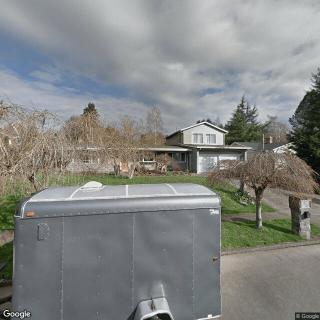
Sacred Heart Adult Foster Care
$2,500 / month13.0 miles away -
from +$300 / mo
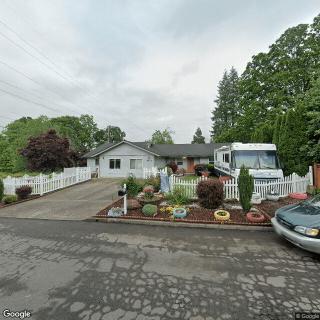
Lund AFH
$2,800 / month3.9 miles away
Overall Review of Guardian Angel Care Center Inc
Pros
 The family member has been very happy at Guardian Angel Care Center, Inc. for many years.
- The owner/provider is one of the most caring, compassionate people.
- The owner/provider has the patience of a saint.
Review
Guardian Angel Care Center Inc in Vancouver, WA is best suited for families seeking a small, home-like assisted living where a single owner-operator delivers deeply personal, long-term care. This community excels when the decision-maker prioritizes a strong, ongoing relationship with the caregiver over formalized programming or large-scale operations. For residents who value continuity, a calm environment, and an exceptionally patient, compassionate approach, this setting can feel like a trusted extension of family care. The strongest takeaway is the sense of stability: a caregiver who remains consistently present, and a resident who can settle into a familiar routine for years.
Those weighing alternatives should consider settings that offer broader clinical oversight, more robust staffing, or specialized programs. If 24/7 on-site nursing, memory care expertise, comprehensive medical management, or a structured activity calendar are non-negotiables, it’s prudent to look at larger facilities with defined care tiers. Families who want transparent staffing metrics, third-party inspections, and formal accreditation will likely find more comfort elsewhere. Likewise, if a resident’s needs are expected to escalate beyond what a small, owner-led model typically supports, exploring options with more extensive medical resources can save transitions later.
The documented strengths center on extraordinary personal care. The owner is described as exceptionally caring and compassionate, with a level of patience that stands out in the senior-care landscape. This kind of devotion translates into a stable, low-stress daily life for a resident who thrives on routine and a familiar caregiver presence. Long tenure in the same environment reduces the emotional and logistical friction that often accompanies moves, new caregivers, or adjustments to a new home. In short, for families chasing trust, reliability, and a genuine sense of being welcomed like kin, the balance of warmth and consistency can outweigh more impersonal configurations found in larger facilities.
However, the entry points for concern are real despite the positive tone of the reviews. There is a conspicuous lack of detail about staffing levels, range of services, meal programs, transportation, medication management, safety protocols, and emergency procedures. With only two positive impressions on record, the evidentiary basis for broad assurances is limited. Prospective residents should verify licensure and inspect actual day-to-day operations, including who delivers care, how shifts are staffed, and what medical oversight exists. A small, intimate setting can be wonderful, but it also carries the risk of vulnerability if the owner-celebrated model shifts or if staff turnover occurs.
The opportunity here hinges on alignment between family values and the care model. When the priority is a trusted, singular caregiver who takes time to know a resident intimately, the pros significantly offset potential drawbacks. The upside, emotional security, predictable routines, and a caregiver who embodies patience, can render life calmer and more dignified for many seniors. The caveat is that unspoken questions about medical capacity, activity variety, and formal protections must be answered through direct inquiry. A first-hand visit, conversations with staff and current residents, and a review of licensing and service offerings will determine whether the theoretical strength of a caring owner translates into practical peace of mind for the long haul.
In the end, Guardian Angel Care Center Inc offers a compelling option for families prioritizing trust, warmth, and long-term familiarity over scale and clinical breadth. It is a strong fit for residents who do not require intensive medical management but instead benefit from a serene, intimate setting with a caregiver who embodies “caregiver as family.” For those with higher needs for on-site nursing, memory-support expertise, or a broader network of services, it is wise to explore comparable options in Vancouver and surrounding areas. The decision should hinge on whether the resident’s current needs and the family’s risk tolerance align with a small, owner-led model or drift toward facilities with more explicit clinical infrastructure.
 Board and Care Home
 Cats allowed
 Dogs allowed
 Activities off-site
 Bath tubs
 Beautician on-site
 Devotional services off-site
 Indoor common areas
 Outdoor common areas
 Private
 Private bathrooms
 Respite or short term stays offered
 Wheelchair accessible showers
 Portland International (8 miles away)
 Diabetic care
 High acuity care
 Incontinence care
 Medication management
 Kosher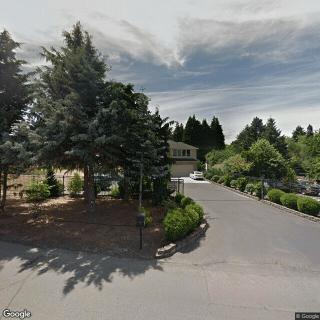






 Comprehensive Exploration of Living Wills and Other Advance Directives
 A Detailed Exploration of Living Wills and Advance Directives
 Comprehensive Guide to Medicare Coverage for Hospice Care