
9418 NW 28th Ct, Vancouver, WA 98665
To contact a resident: (206) 773-3023
For more information about senior living options: (866) 208-4318
Vancouver AFH Costs & Pricing
Vancouver Adult Family Home (AFH) presents a comprehensive range of monthly costs that significantly surpass both Clark County and the wider state averages in Washington. Specifically, for a one-bedroom accommodation, the cost at Vancouver AFH is $7,000, which is considerably higher than the Clark County average of $4,178 and the state average of $4,632. Similarly, private room options at Vancouver AFH also reflect this trend, priced at $7,000 compared to $3,992 in Clark County and $4,772 statewide. These elevated rates may reflect the quality of care and amenities offered at Vancouver AFH, positioning it as a premium choice within the local senior care landscape. However, prospective residents should weigh these costs against their budgetary considerations and desired level of service.
| Floor plans | Vancouver AFH | Clark County | Washington |
|---|---|---|---|
| 1 Bedroom | $7,000 | $4,178 | $4,634 |
| Private | $7,000 | $3,992 | $4,774 |
Memory care communities with a similar price nearby
-
from -$1000 / mo
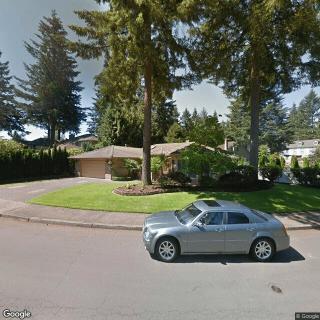
Magnolia Gardens Senior Care Home
$6,000 / month8.3 miles away -
from +$829 / mo
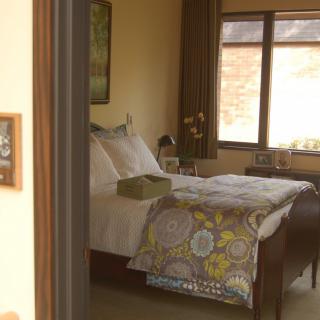
Maryville Memory Care
$7,829 to $8,559 / month16.1 miles away -
from -$860 / mo
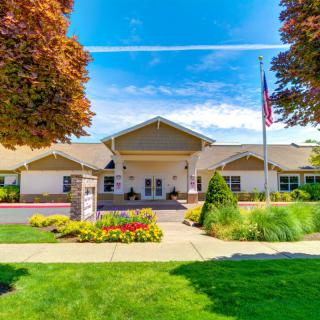
Rosewood Memory Care
$6,140 to $6,585 / month17.9 miles away -
from -$950 / mo

The Cottages Senior Living
$6,050 to $6,300 / month15.5 miles away -
About the same
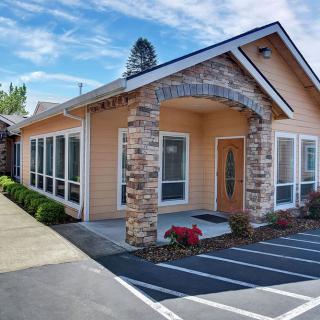
Tabor Crest 1
$7,000 / month13.3 miles away
Overall Review of Vancouver AFH
Pros
 The staff are absolutely amazing.
- The caretakers treat residents like family and truly love them.
- Vancouver AFH is highly recommended by reviewers.
- The reviewers would give the staff a 5+ rating if they could.
Review
Vancouver AFH is best suited for families that prize an exceptionally warm, family-like atmosphere in daily care. The standout strength here is the caregiving heart of the staff, caregivers who are described as “absolutely AMAZING” and who make it clear that residents are treated with the same love and respect families show at home. When a senior’s needs are relatively straightforward but require constant, attentive presence, this community delivers a level of relational care that can translate into real peace of mind for relatives who cannot be present every day. In short, this is a strong fit for residents who thrive on personal connection, consistent kindness, and staff who treat them as beloved members of a small, tight-knit community.
Still, families should explicitly consider who may want to look elsewhere. If the decision hinges on a broader menu of activities, more formal programming, larger-scale amenities, or comprehensive on-site clinical services, alternatives may better fit. The current input comes from a single positive review, which signals exceptional warmth but offers limited visibility into how care holds up across shifts, seasons, or different residents. Prospective movers should compare multiple options to gauge consistency, cost transparency, meal quality, safety features, and the availability of specialized supports (memory care, rehab, or 24/7 nursing) that may matter as needs evolve. A wider set of data points helps ensure the chosen setting aligns with long-term expectations.
The primary pro, staff devotion, does not just feel good; it directly mitigates several common concerns families have about smaller, home-like settings. When caregivers know each resident well and remain genuinely engaged, the risk of missed cues or delayed response drops, particularly for those with feeding, mobility, or sundowning needs. The reviewer’s experience, staff who would be regarded as “5+” if possible, offers a practical counterbalance to the absence of extensive public information. For families where trust in caregivers is the top priority, this relational strength can outweigh some uncertainties about size, brand-name programming, or formal oversight that larger communities emphasize.
However, the lack of multiple reviews creates a legitimate ongoing risk for decision-makers. Without broader data, it’s hard to gauge consistency across all shifts, turnover rates among aides, and how the culture holds up as resident acuity shifts or as the community grows. It’s also unclear how Vancouver AFH handles staffing continuity during vacations, illnesses, or peak times, which can affect the daily rhythm and responsiveness. And while warmth matters, it must be paired with predictable routines, clear care plans, and visible safeguards, areas where new families should seek verified detail through tours, references, and direct conversations with current residents or families.
Given that reality, a practical decision path emerges. Arrange a comprehensive tour with questions focused on caregiver-to-resident ratios, shift coverage, and staff qualifications. Request to observe a mealtime and a care moment to see how the team engages residents who require assistance or reminders. Inquire about a resident’s care plan, birthday or holiday programming, and how family updates are communicated. Ask about costs, what’s included, and what would trigger additional charges. If memory care, rehab, or higher-level medical supports might be needed later, confirm the facility’s capacity to scale or coordinate with external providers. Finally, seek at least two independent references, medical professionals, current families, so the warmth can be weighed against practical operational realities.
For families prioritizing a deeply caring, family-feel environment, Vancouver AFH stands out as a compelling option worth pursuing. The exceptional, affectionate care described in the review can translate into real steadiness for a resident who values daily warmth and personal attention. For those who need a broader spectrum of amenities, more formalized programming, or verifiable data about performance across a range of metrics, it is prudent to explore alternatives in parallel. The best choice will hinge on whether a resident’s well-being depends most on the human bond with caregivers or on the breadth of services and measurable care systems that a larger operation can provide. In the end, Vancouver AFH earns serious consideration for the right fit, with a clear caveat to validate consistency and scope beyond a single glowing testimony.
 Board and Care Home
 Memory Care
 Private
 Portland International (8 miles away)
 Ambulatory care
 Diabetic care





 8 Important Indicators That Memory Care May Be Necessary
 Delving into the Inner World of Dementia: Insights into Thoughts and Awareness
 Five Subtle Dementia Indicators to Observe: An In-Depth Guide to Understanding “Does My Mom Have Dementia?”