
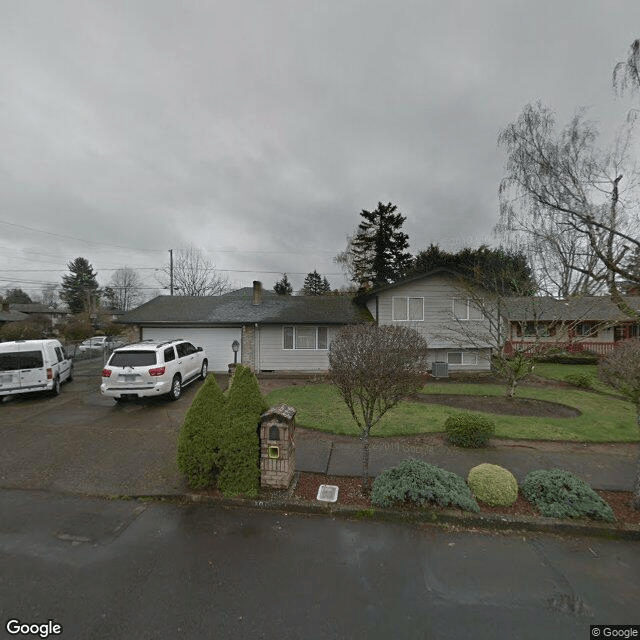
19850 NE Wasco St, Portland, OR 97230
To contact a resident: (503) 667-6271
For more information about senior living options: (866) 208-4318
Wasco Adult Care Home Costs & Pricing
Wasco Adult Care Home offers competitive pricing for its private room accommodations, with a monthly cost of $3,000. This rate is notably lower than the average costs in Multnomah County, which stands at $3,227, and significantly below the statewide average of $3,424 for similar services. By providing a more affordable option without compromising on quality care, Wasco Adult Care Home positions itself as an appealing choice for individuals seeking long-term care solutions in a supportive environment. This financial advantage may help ease the burden on families looking for high-quality adult care while remaining mindful of their budgetary constraints.
| Floor plans | Wasco Adult Care Home | Multnomah County | Oregon |
|---|---|---|---|
| Private | $3,000 | $3,227 | $3,424 |
Senior living communities with a similar price nearby
-
About the same
A Piece of Heaven
$3,000 / month10.2 miles away -
from -$500 / mo
Mapleview Manor, LLC
$2,500 / month9.9 miles away -
About the same
Yamhill Senior Care Home
$3,000 / month2.5 miles away -
About the same
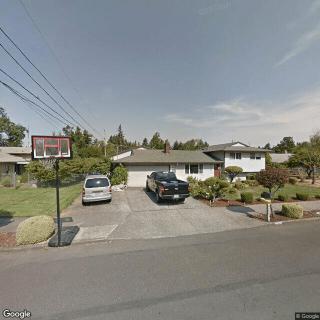
Peaceful Lighthouse Adult Care Home
$3,000 / month0.0 miles away -
from +$500 / mo
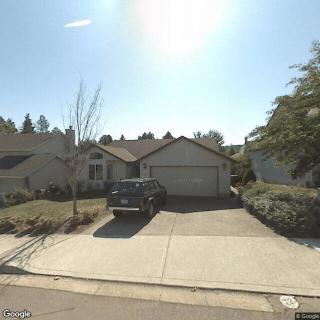
Fulga's ACH
$3,500 / month19.4 miles away
Overall Review of Wasco Adult Care Home
Pros
 The family here is very loving.
- The facility is clean, and the caregivers have many years of experience.
- Caregivers on site are friendly.
- It is a family-run care center connected to the owners’ home, offering a home-like atmosphere.
- The residents seem to like the people and interact well with one another.
Cons
 There is a significant difference in the size of some rooms.
- There is uncertainty about whether they offer activities beyond group interactions.
- No one has been seen playing the piano.
Review
Wasco Adult Care Home in Portland is best suited for families seeking a small, home-style setting where the owners are visibly engaged and daily care is delivered with a personal, family-first touch. It works well for seniors who thrive on warm relationships, familiarity, and a tight-knit, homelike environment. The model shines when a resident benefits from consistent, direct access to the people who run the place, and when a smaller footprint translates into individualized attention rather than impersonal, large-scale routines.
Those who may want to consider alternatives are families prioritizing robust programming and a wide slate of activities, or residents who require more space and uniform accommodations. The available reviews point to a straightforward group dynamic rather than a full calendar of structured enrichment activities. Room sizes differ, with some smaller spaces juxtaposed against larger ones, which could matter for residents who value substantial private space or who require more predictable layouts. For families seeking strong clinical oversight or a facility with extensive nursing support, a larger, more conventional-assisted living or a medical-centered community may be a better fit.
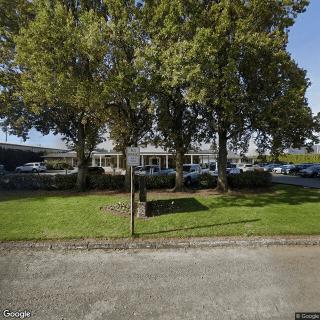
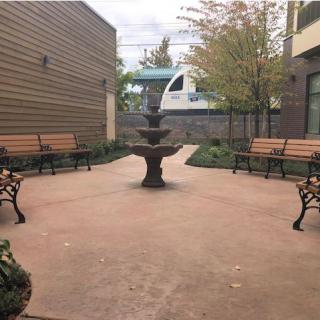
On the upside, the core strengths of Wasco Adult Care Home align with what many families want most: a hands-on, family-run operation where the owners are right there and have long-standing experience in the field. Cleanliness comes through clearly, and caregivers on site are described as friendly and engaged. The intimate seven-bedroom format fosters a sense of home rather than institution, a dynamic reinforced by shared spaces, a community room and dining area, that encourage social contact among residents. Those factors translate into tangible benefits: quicker issue resolution, a higher degree of personal familiarity, and a caregiving approach that can be highly responsive to individual rhythms.
The primary drawbacks drift from the same intimate setup. Activities beyond basic group interactions appear limited, and there is no clear evidence of a dynamic, expansive programming calendar. Room-size variation can matter for residents who prize predictable, generously proportioned living spaces or who have mobility or equipment needs that benefit from consistent room configurations. The smaller, home-like model may also leave some residents craving more formal medical oversight or specialized services that a larger, staff-rich facility would routinely provide. These gaps are not fatal, but they are meaningful in determining fit based on individual needs and expectations.
When weighing the positives against the drawbacks, the advantages tend to offset the limitations for a particular profile. The strongest offset comes from the trust and attentiveness that accompany a family-run operation. Ownership presence and continuity often translate into quicker, more personalized responses to changing needs, fewer layers of bureaucracy, and a culture of warmth that can significantly improve daily well-being. Cleanliness, a sense of safety, and the comfort of a small community further reinforce confidence in the care delivered. For families prioritizing emotional connection, consistency, and a home-like routine over structured activity blocks or expansive amenities, Wasco Adult Care Home delivers tangible value that larger competitors may struggle to match.
In practical terms, this community is a compelling choice for seniors who want to be known by name, who prefer a nearby, small setting where staff turnover feels minimal, and who can thrive with a simpler schedule and more direct owner involvement. It is less convincing for those who require daily, professionally led programming, a broad array of organized activities, or very large, private living spaces. Prospective families should probe specifics about activity offerings, room configurations, and the level of medical or nursing support available to ensure the fit aligns with the resident’s care plan. If warmth and close, hands-on care are the top criteria, Wasco Adult Care Home stands out as a practical, experienced option worth pursuing.
 Board and Care Home
 Private
 Portland International (8 miles away)
 Diabetic care
 Incontinence care


 6 Crucial Ways an Elder Law Attorney Assists Families
 Navigating the Tax Landscape of Caregiving: Credits, Deductions, and Beyond
 Highly Beneficial Low-Impact Exercises for Senior Living Residents