At Summerplace, the costs for assisted living reflect a premium experience compared to average rates in Multnomah County and across Oregon. For instance, a studio unit is priced at $4,450 per month, significantly higher than the county average of $3,455 and the state average of $3,815. Similarly, one-bedroom apartments are available for $5,150, contrasting with Multnomah County's average of $3,402 and the state average of $3,904. Semi-private rooms at Summerplace are offered at $5,525 - above both local and state averages of $4,011 and $4,457 respectively. Lastly, two-bedroom accommodations come with a monthly fee of $6,365, substantially exceeding the county's $3,722 and Oregon's $4,436 averages. These figures suggest that while Summerplace may command higher prices for its assisted living services, residents may benefit from enhanced amenities and personalized care that distinguish it from other options in the region.
Floor plans
Assisted Living at Summerplace
Multnomah County
Oregon
Studio
$4,450
$3,455
$3,815
1 Bedroom
$5,150
$3,402
$3,904
Semi-Private
$5,525
$4,011
$4,457
2 Bedrooms
$6,365
$3,722
$4,436
Memory care communities with a similar price nearby
Residents and families consistently describe staff as kind and attentive.
Many reviews emphasize that caregivers and medical staff are friendly, respectful, and responsive when families have questions or concerns. Several residents’ meals, daily routines, and transitions are described as smoother because staff communicate clearly and treat people with dignity. A number of reviews also mention specific staff members by name, reinforcing that families feel they can count on individuals to help.
differentiator
On-site memory care available
The community offers on-site memory care, which families value for continuity.
Multiple reviews mention that memory care is available on-site, which helps families avoid having to move to a separate building when needs change. Reviews also describe memory care staff handling dementia-related behavior with professionalism and training. For some families, that continuity is framed as a source of reassurance as care needs evolve.
caveat
Dining feels inconsistent
Dining quality and service timing receive mixed feedback from residents.
Some reviewers praise the meals as delicious and enjoyable, including comments about the chef and dining experience. Others describe meal issues such as food lacking flavor, coffee arriving cold, or needing to request softer food for chewing. A few reviews also raise concerns about slower meal service or residents going without meals, which points to uneven day-to-day execution.
caveat
Care staffing and follow-through vary
Several reviews report lapses in staffing coverage and care follow-through.
Alongside positive experiences, multiple reviews describe moments when call-backs are slow, residents wait for help, or medications and meals are not delivered as expected. Some reviewers attribute problems to understaffing or high turnover, and a few mention communication breakdowns with management. Taken together, the reviews suggest families feel care quality depends heavily on staffing levels and consistency.
caveat
Pricing runs above nearby benchmarks
Pricing is described as high compared with common local benchmarks.
Pricing for studio through two-bedroom options is positioned above both the county and state reference points across the unit types shown. Some reviews also express concern about costs, including complaints about billing and that additional fees may be charged when residents can’t get to the dining room. Other families, however, say they chose the community for the care level and feel it delivered on promises, so the value question appears tied to individual expectations and experiences.
How we summarize
We summarize when many written reviews mention each theme; a review can touch several themes, and only frequently mentioned themes are displayed.
Features
Housing
96 resident community capacity
Types of Care
Assisted Living
Memory Care
Respite Care
Pets
Cats allowed
Dogs allowed
Amenities
Activities off-site
Activities on-site
Air-conditioning
Beautician on-site
Beauty salon
Cable or satellite TV
Computer center
Devotional services off-site
Devotional services on-site
Dining room
Fitness room
Fully furnished
Gaming room
Garden
Garden view
Ground floor units
Handicap accessible
Housekeeping services
Indoor common areas
Kitchenette
Move-in coordination
Outdoor common areas
Outdoor patio
Outdoor space
Pet friendly
Private bathrooms
Private patio, deck, or balcony
Respite or short term stays offered
Restaurant-style dining
Small library
Swimming pool / hot tub
Telephone
Wellness center
Wheelchair accessible showers
Wi-Fi/high-speed internet available
Transportation
Portland International (6 miles away)
Community operated transportation
Transportation arrangement
Transportation arrangement (non-medical)
Transportation to doctors appointments
Care Services
12-16 hour nursing
24-hour call system
24-hour supervision
Activities of daily living assistance
Ambulatory care
Assistance with bathing
Assistance with dressing
Assistance with transfers
Coordination with health care providers
Dementia waiver
Diabetes diet
Diabetic care
Hospice waiver
Incontinence care
Meal preparation and service
Medication management
Mental wellness program
Mild cognitive impairment
Special dietary restrictions
Specialized memory care programming
Transportation arrangement (medical)
Transportation to doctors appointments
Dining
Diabetes diet
Guest meals
International cuisine
Low / no sodium
Meals provided
No Sugar
Professional chef
Restaurant style dining
Room service
Special dietary restrictions
Special dining programs
Vegetarian
Activities
Art classes
Bible study group
Community-sponsored activities
Concierge services
Cooking classes
Day trips and outings
Devotional activities offsite
Devotional activities on-site
Educational speakers / life long learning
Fitness programs
Karaoke
Live well programs
Other religious services
Planned day trips
Resident-run activities
Scheduled daily activities
Visiting chaplain or priest
Wine tasting
Nearby Places of Interest
This area of Portland, Oregon, offers a diverse range of amenities and services that cater to seniors looking for convenience and comfort. With a variety of restaurants, cafes, pharmacies, physicians' offices, hospitals, parks, places of worship, and theaters all within a short distance, residents have easy access to everything they may need for day-to-day living. The proximity to the Portland International Airport also provides convenient travel options for those who enjoy exploring beyond the city. Additionally, the abundance of parks and green spaces in the area offers opportunities for outdoor recreation and relaxation. Overall, this neighborhood provides a well-rounded environment for seniors looking to maintain an active lifestyle while having access to essential services.
Restaurants
Taqueria Queretaro (1.2 miles)
Jim Dandy Drive-In (3.3 miles)
Escape Bar and Grill (3.5 miles)
Park City Pub (3.9 miles)
Roscoe's (4.2 miles)
Bipartisan Cafe (4.3 miles)
Jazzy Bagels (4.5 miles)
Pharmacies
Rite Aid (1.5 miles)
Walgreens (2 miles)
Herbalist Farmer (2.2 miles)
Rite Aid (2.5 miles)
Rite Aid (3.3 miles)
Walgreens (3.3 miles)
Walgreens (3.7 miles)
Physicians
Rockwood Medical Offices (2.5 miles)
Eye Health Northwest (3 miles)
The Oregon Clinic (3.1 miles)
Adventist Medical Pavilion (3.5 miles)
Dr. Steven Clark & Associates (3.9 miles)
Sanjeev Jain (4 miles)
PeaceHealth Family Medicine (4.4 miles)
Cafes
Panera Bread (3 miles)
Starbucks (3.2 miles)
Dutch Bros Coffee (3.9 miles)
Starbucks (4 miles)
Dutch Bros. Coffee (4.5 miles)
Black Rock Coffee Bar (4.7 miles)
Black Rock Coffee Bar (6 miles)
Hospitals
Adventist Medical Center (3.5 miles)
Legacy Mount Hood Medical Center (4.8 miles)
Parks
Heritage Park (4 miles)
Clearmeadows Park (4.4 miles)
Gresham Main City Park (4.5 miles)
Tsuru Island (4.6 miles)
Imagination Station (4.7 miles)
Mt. Tabor Park - Off Leash Area (4.9 miles)
Lents Park (5.1 miles)
Places of Worship
East Hill Kid City (4.3 miles)
St Henry Catholic Church (4.3 miles)
St Rose Catholic Church (5.2 miles)
Theaters
Century 16 Eastport Plaza (4.9 miles)
Hollywood Theatre (5.8 miles)
Transportation
Portland Airport Rental Car Center (5.5 miles)
Concourse E (5.5 miles)
Portland International Airport (PDX) (5.6 miles)
Concourse C (5.6 miles)
TSA Checkpoint A/B/C - Portland International Airport (5.6 miles)
At Summerplace, the costs for assisted living reflect a premium experience compared to average rates in Multnomah County and across Oregon. For instance, a studio unit is priced at $4,450 per month, significantly higher than the county average of $3,455 and the state average of $3,815. Similarly, one-bedroom apartments are available for $5,150, contrasting with Multnomah County's average of $3,402 and the state average of $3,904. Semi-private rooms at Summerplace are offered at $5,525 - above both local and state averages of $4,011 and $4,457 respectively. Lastly, two-bedroom accommodations come with a monthly fee of $6,365, substantially exceeding the county's $3,722 and Oregon's $4,436 averages. These figures suggest that while Summerplace may command higher prices for its assisted living services, residents may benefit from enhanced amenities and personalized care that distinguish it from other options in the region.
The features at Assisted Living at Summerplace are designed to create a supportive environment for residents with dementia or Alzheimer's, ensuring their safety and enhancing their quality of life. 24-hour supervision provides consistent monitoring, reducing the risk of wandering or accidents. Assistance with activities of daily living--such as bathing, dressing, and transfers--helps maintain personal hygiene and dignity, promoting independence where possible. Coordination with healthcare providers ensures that each resident's medical needs are met promptly and effectively, while medication management helps prevent confusion and potential health crises. The tailored meal preparation respects dietary restrictions and encourages healthy eating habits, fostering both physical well-being and social engagement during meals. Incontinence care is handled discreetly to support comfort and dignity, while specialized memory care programming addresses the unique challenges faced by residents. Additionally, the mental wellness program focuses on cognitive engagement through stimulating activities, catering to those with mild cognitive impairment. Transportation arrangements for medical appointments further facilitate access to necessary healthcare services without added stress for residents or their families, encompassing a comprehensive approach to memory care that prioritizes individual needs and enhances overall well-being.
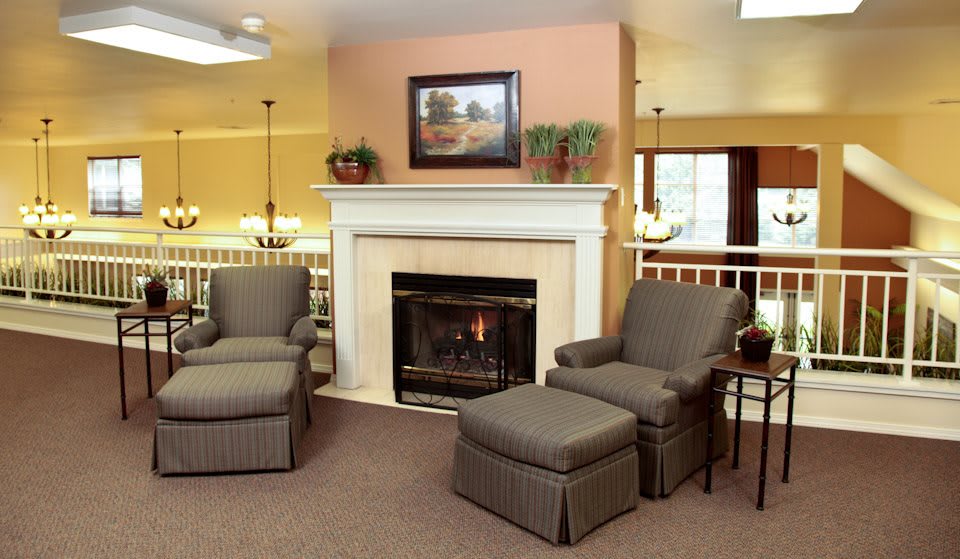
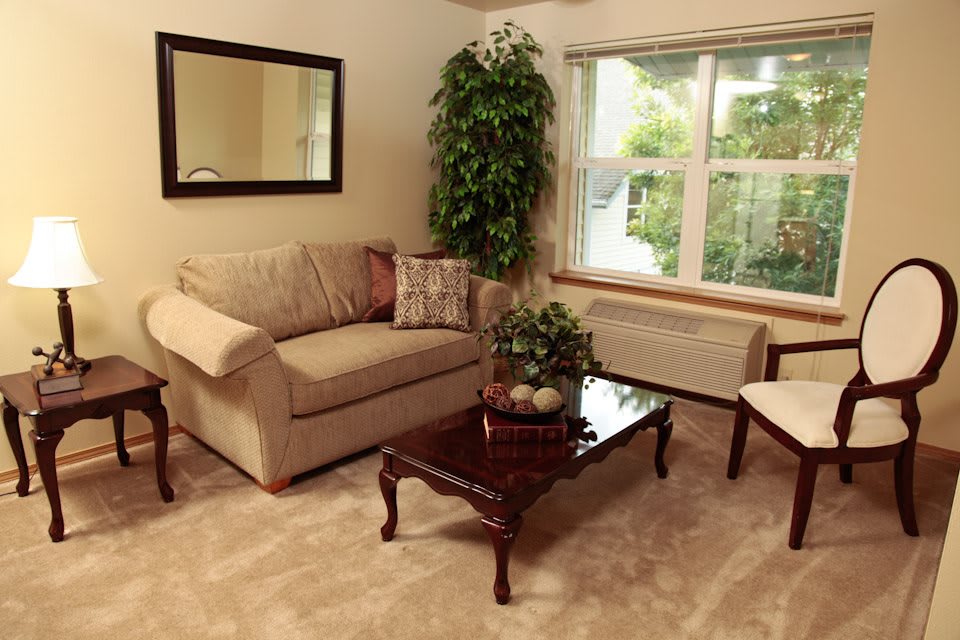
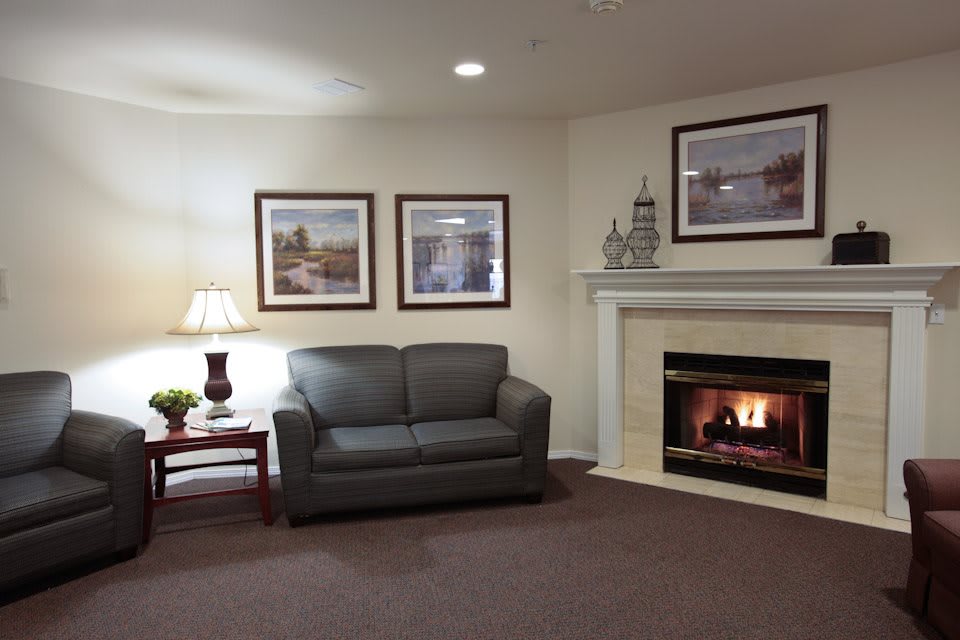
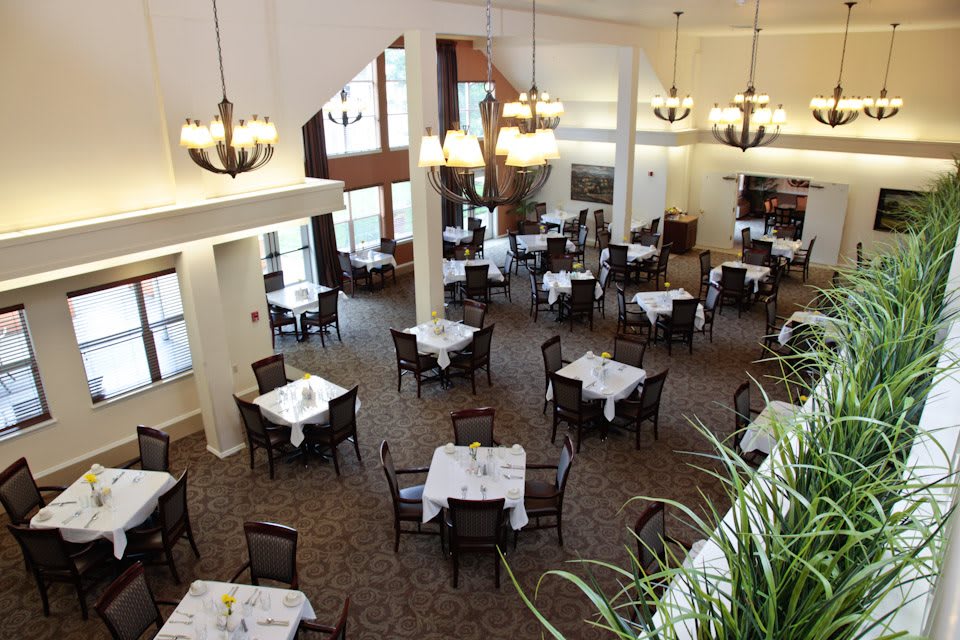
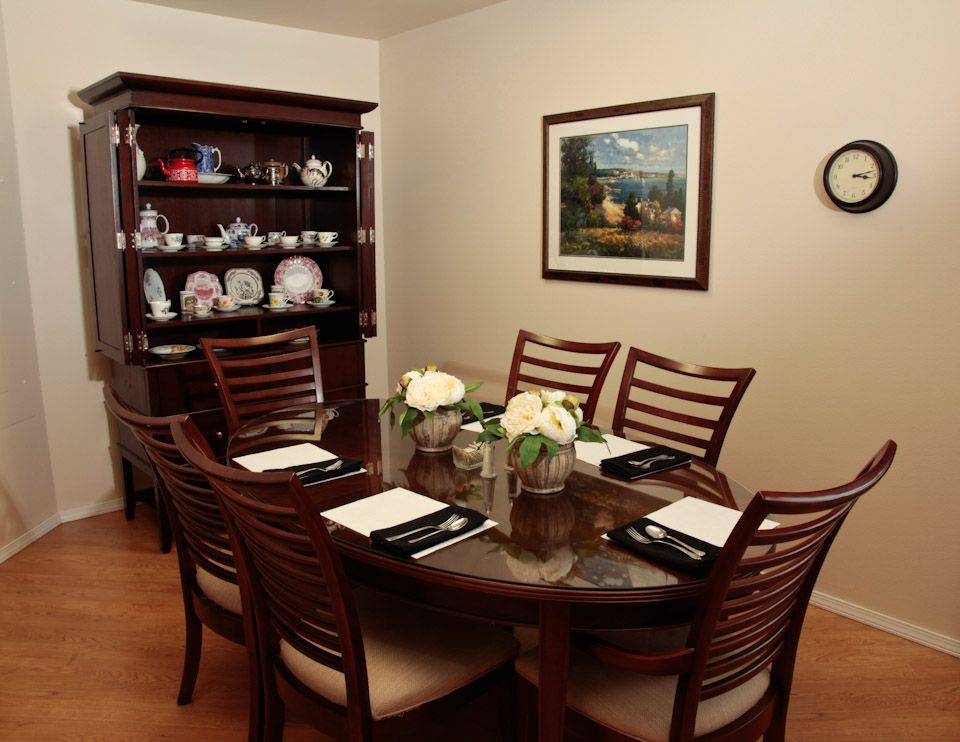
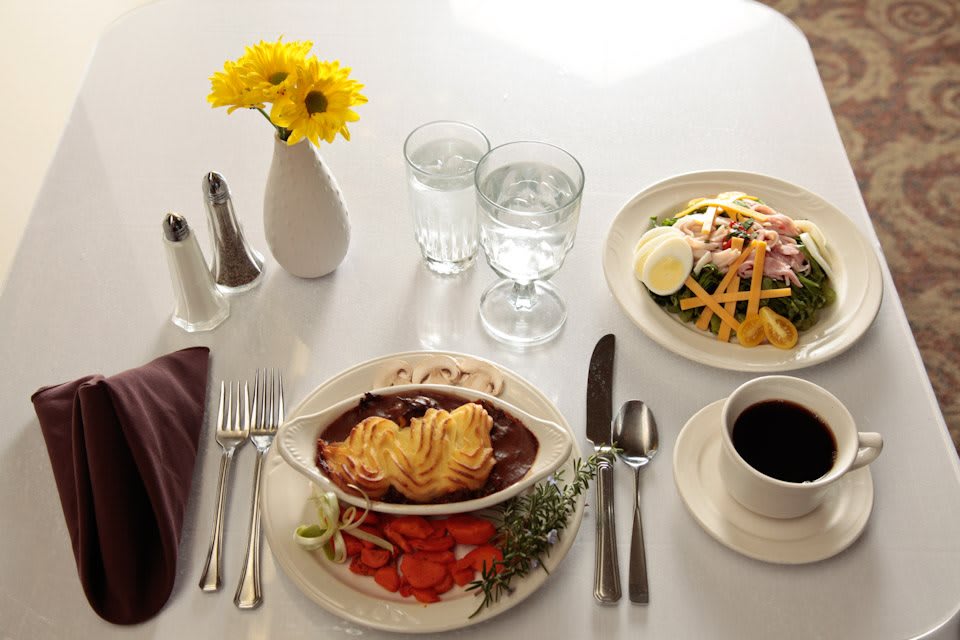
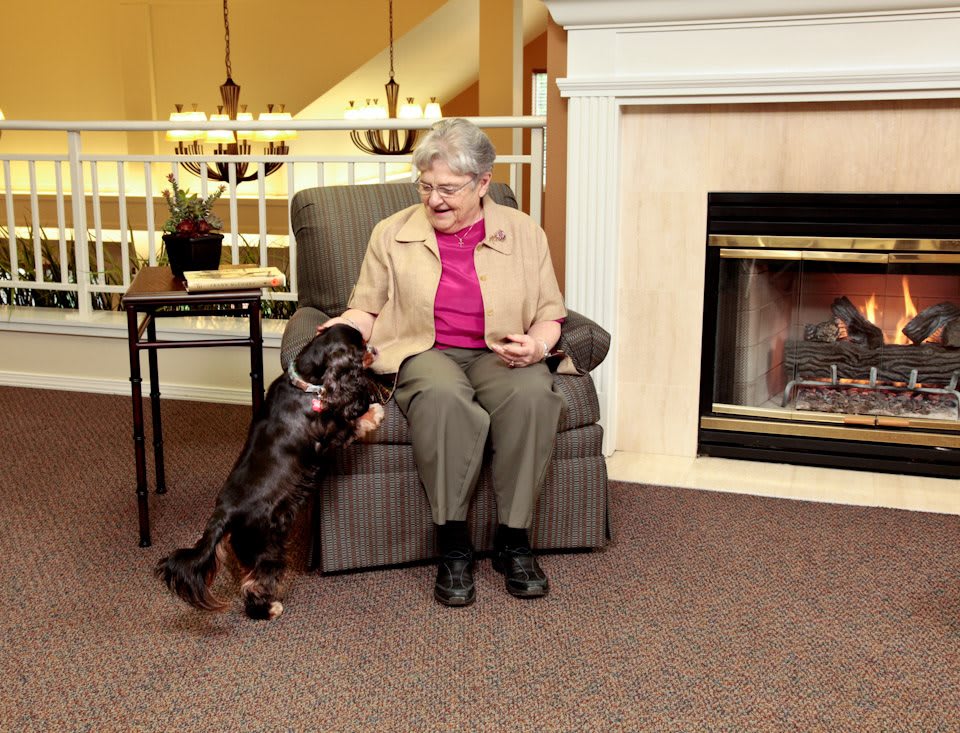
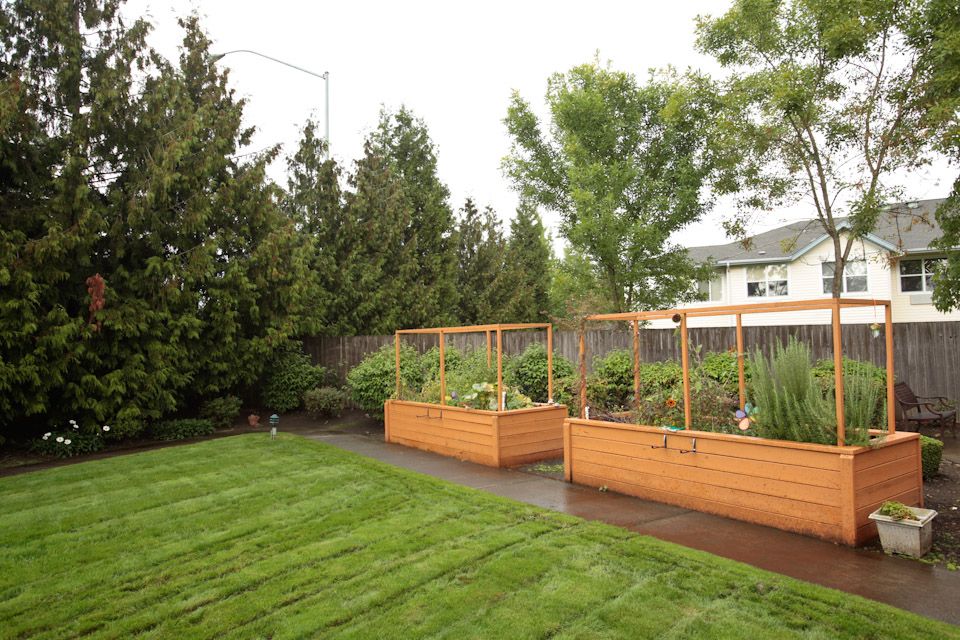
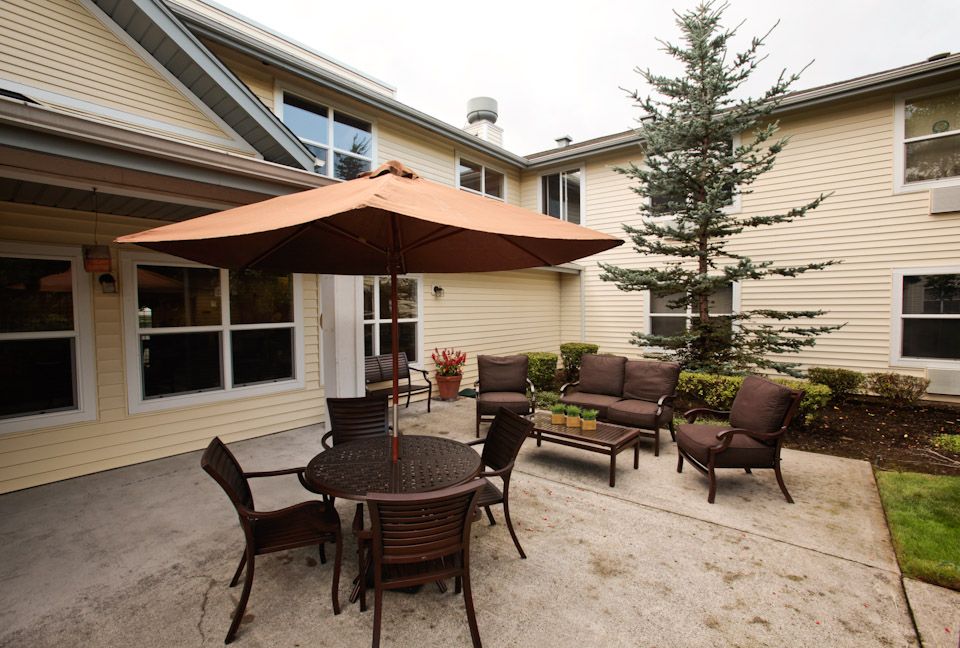
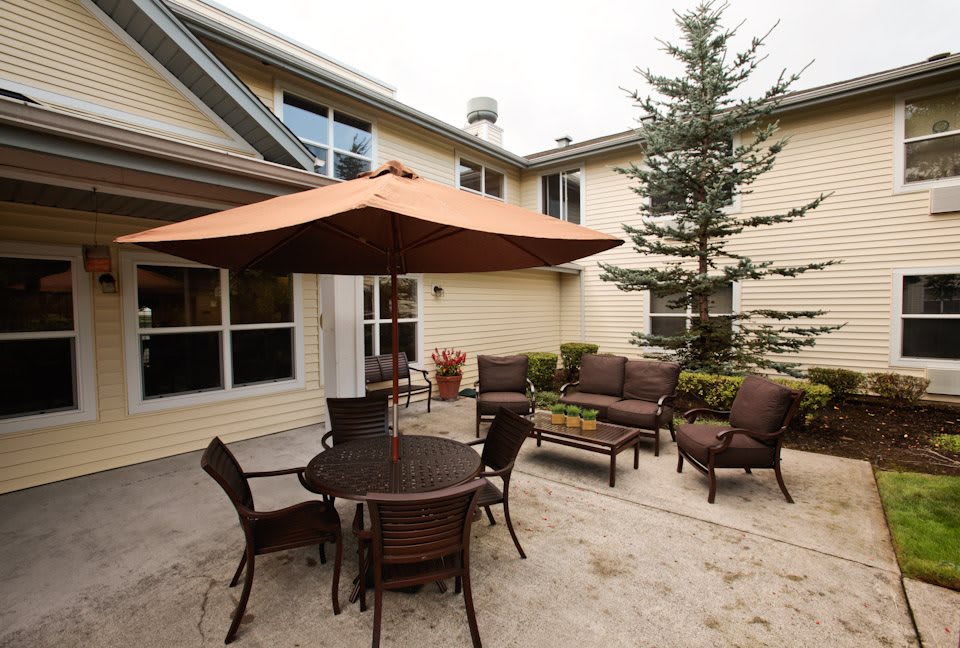
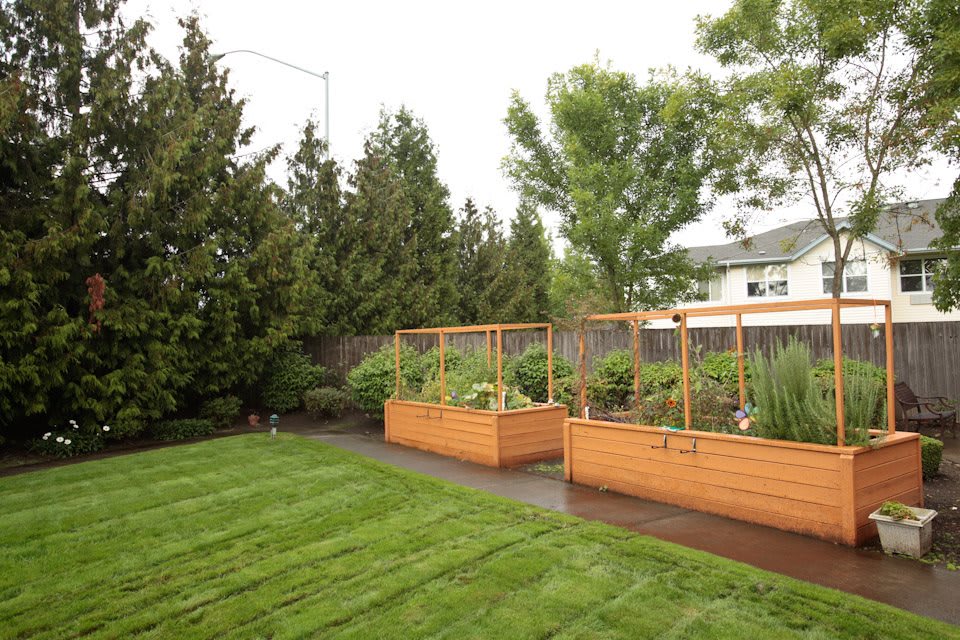
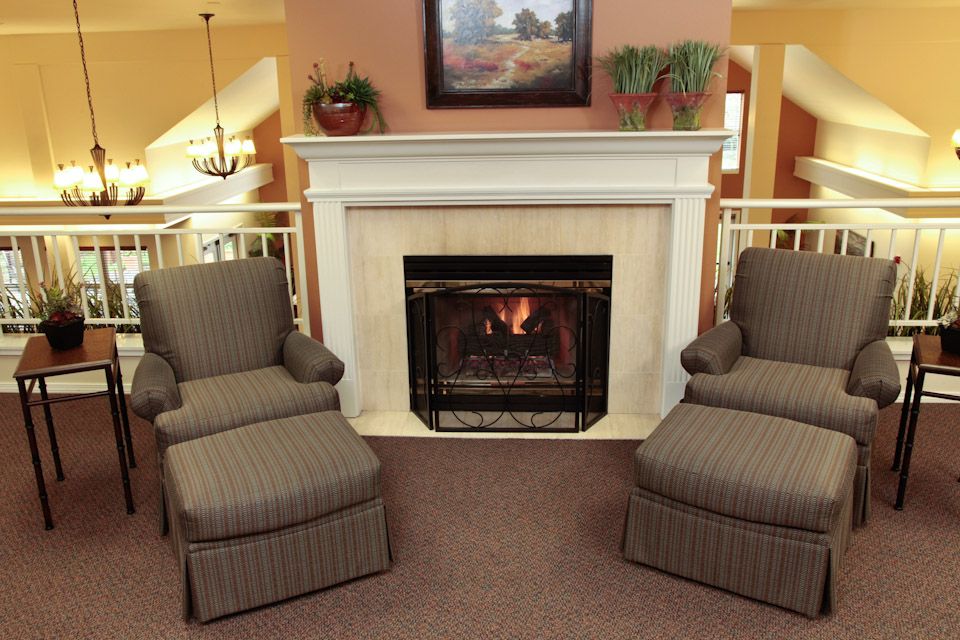
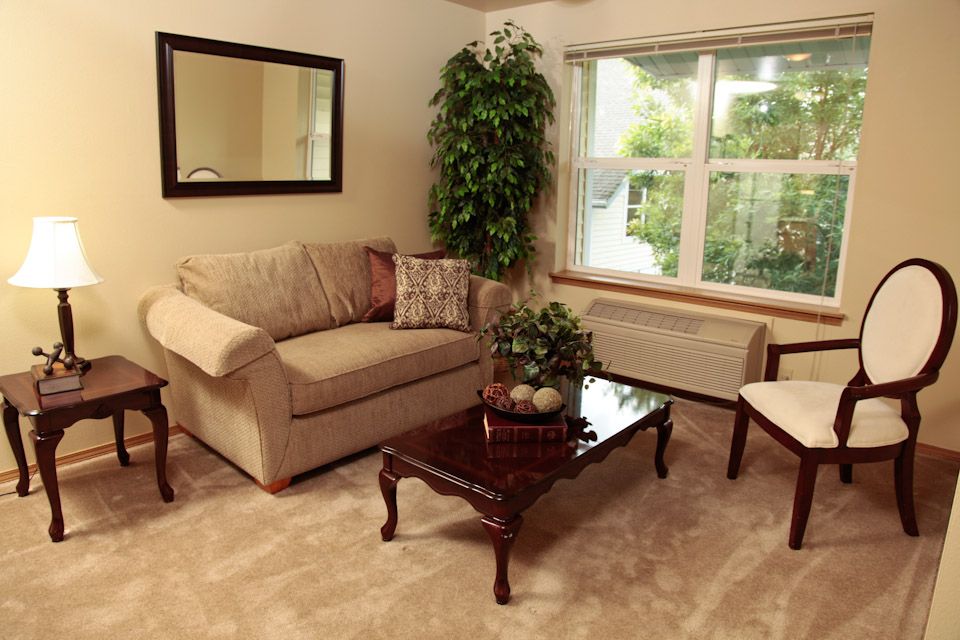
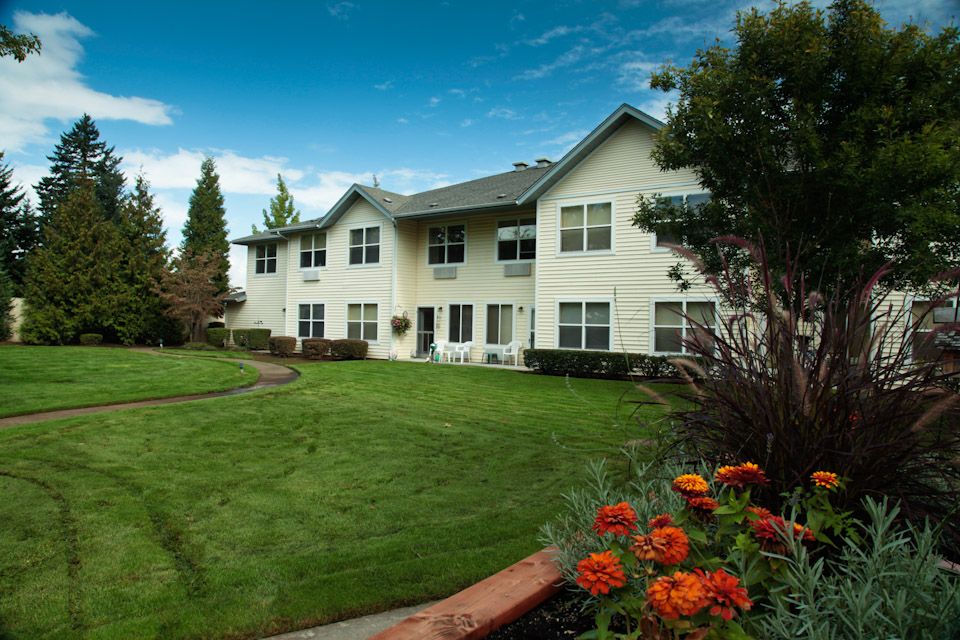
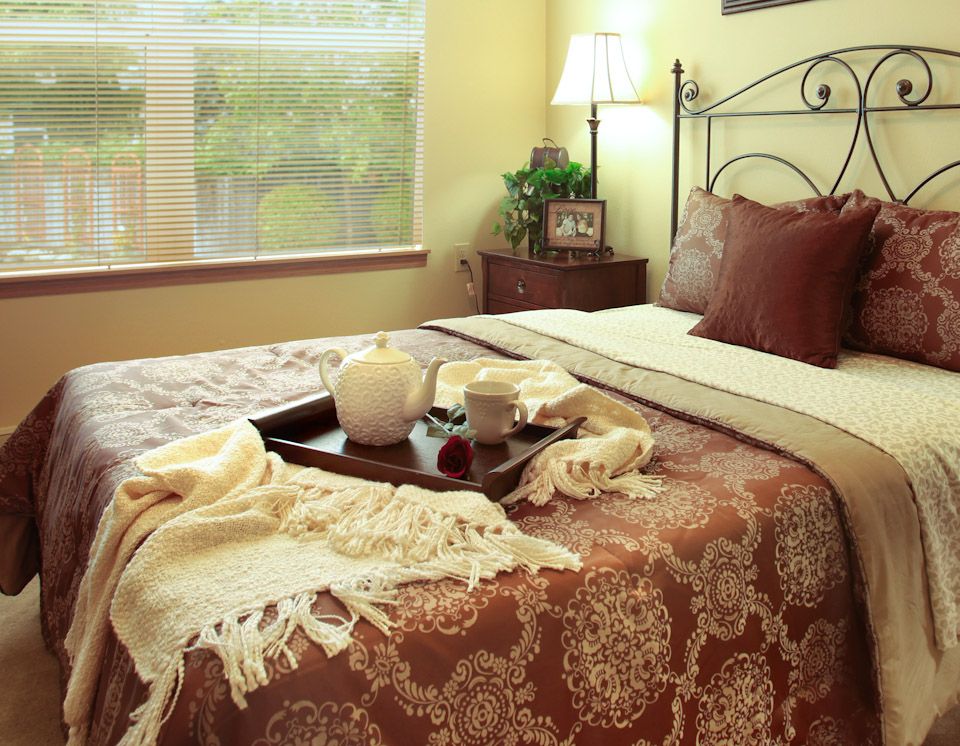
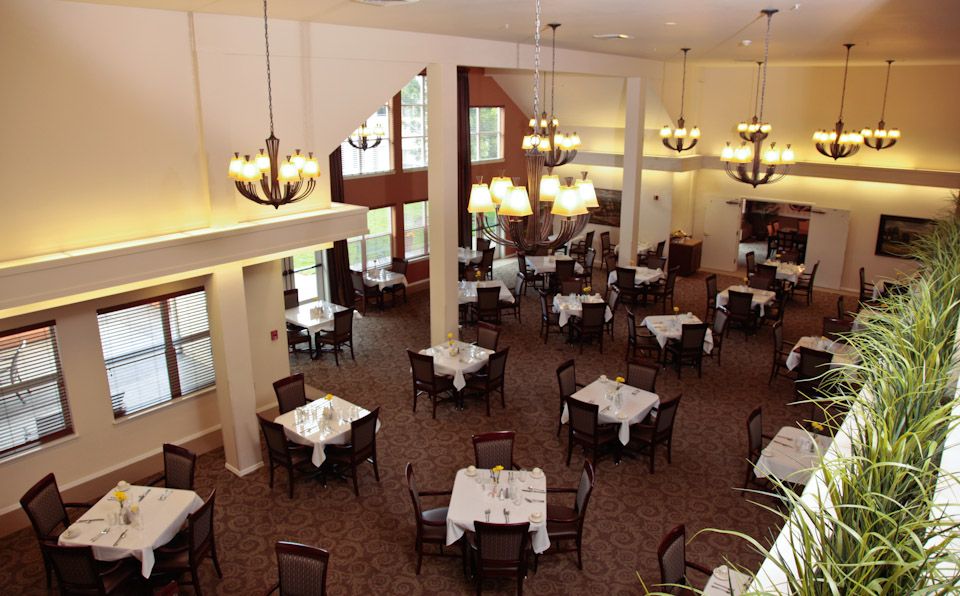
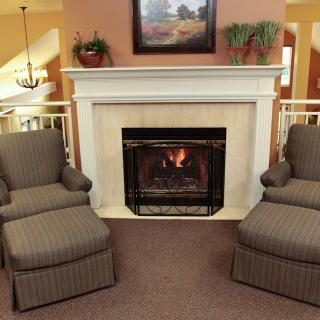
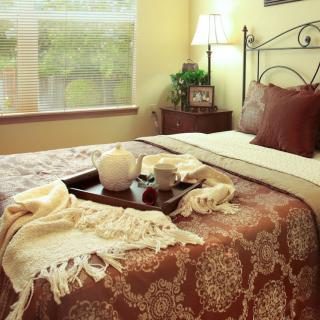
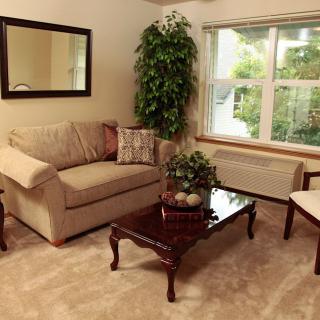
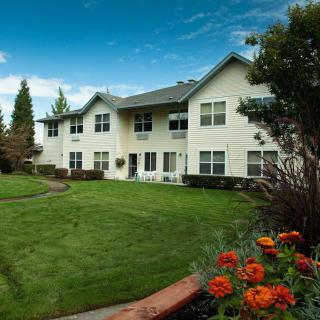
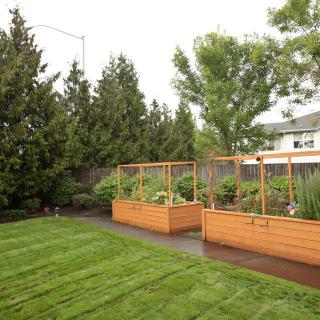
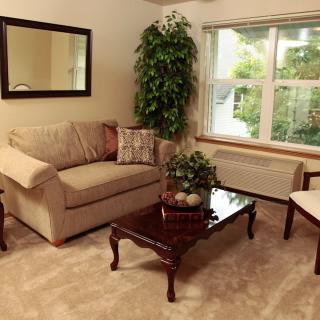
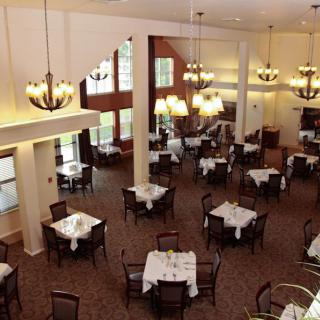
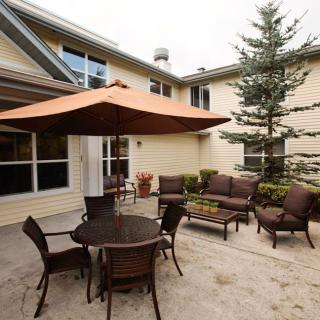
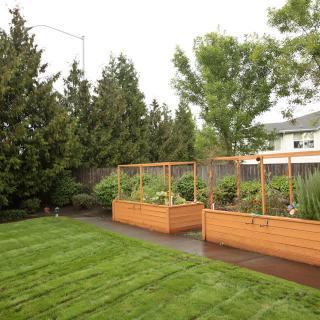
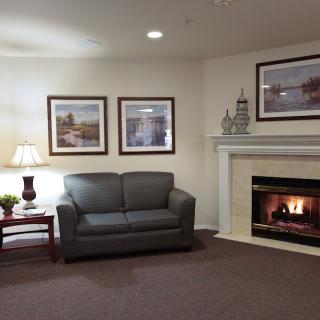
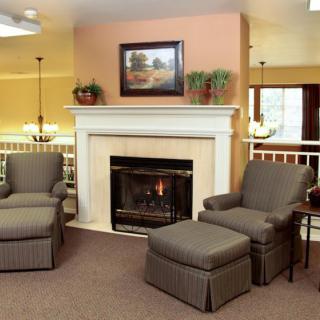
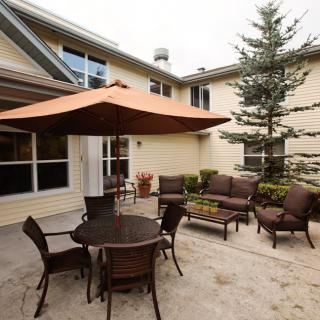
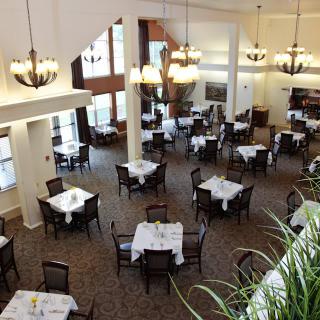
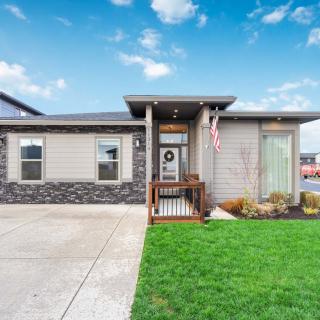
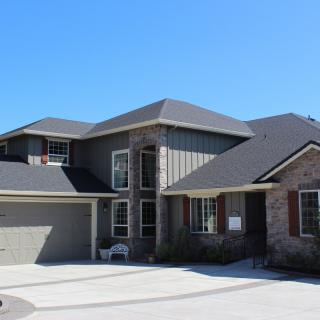
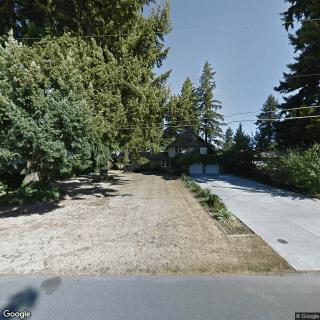
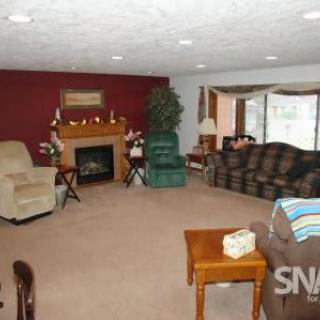
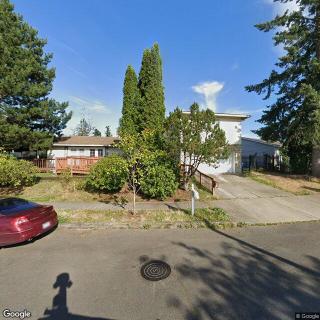
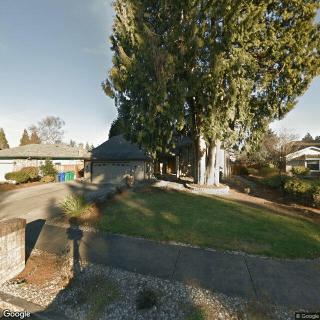
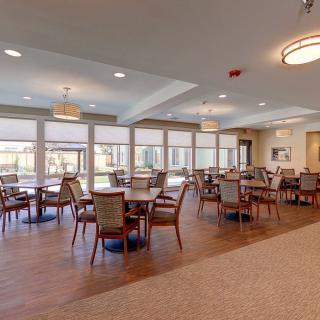
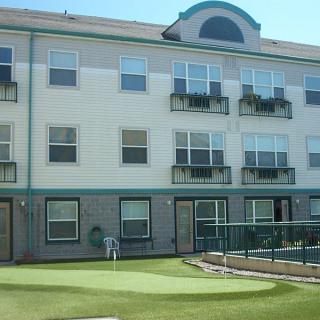
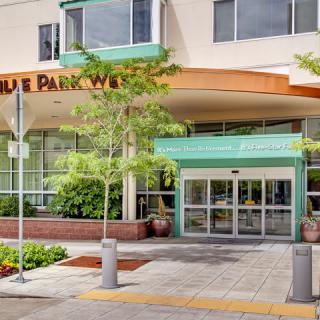
Assisted Living at Summerplace on seniors.fyi includes 19 photos including images showing landscaping, dining, living room, interior, fireplace, garden, windows, decor, and more.
Nearby Communities
Expressions At Summerplace
Portland, OR
3.7 from 38 reviews
Comprehensive memory care with 24/7 supervision, medication management, and personalized ADL support.
Dobra's Care Home
Portland, OR
$3,000 / month
Affordable private/studio options with memory care and day program.
Dobra ACH
Portland, OR
4 from 1 review
$2,000 / month
Quality of care and a spacious private room with outdoor access.
Evelyn's Care Home
Portland, OR
5 from 2 reviews
$2,800 to $4,995 / month
Lower private-room pricing relative to county/state averages with comprehensive care services.
Sandstone Care Home
Portland, OR
3.4 from 16 reviews
$3,000 / month
Affordable private-room pricing with comprehensive care (diabetic, high-acuity, incontinence) and pet-friendly private accommodations.
Summerplace
Portland, OR
4 from 39 reviews
Small, intimate community with personalized care and dietary accommodations.
Sapphire at Firwood Gardens
Portland, OR
3.5 from 64 reviews
Friendly staff; clean, welcoming environment with engaging activities
Hazelwood Community Apartments
Portland, OR
4 from 61 reviews
$954 to $1,303 / month
Very affordable rents with generally positive resident experiences.
Russellville Park
Portland, OR
4.4 from 96 reviews
$2,850 to $4,747 / month
Friendly, responsive staff and resort-like facilities with a wide range of on-site amenities.
Dementia leads to cognitive impairment and can cause emotional and behavioral changes, including aggression that arises from frustration, confusion, or fear. Effective coping strategies for caregivers include understanding dementia's nature, recognizing triggers, using empathetic communication, and employing non-pharmacological interventions like music and art therapy.
Dementia causes cognitive decline and challenging behaviors that caregivers must manage, necessitating an understanding of the neurological basis of these issues. Effective strategies and self-care for caregivers can enhance support for those with dementia and improve their daily lives.
The content outlines five key early indicators of dementia, including significant memory loss and confusion about time and place, while emphasizing the need for professional evaluation and emotional support for both individuals showing symptoms and their caregivers. It encourages family members to monitor these signs closely and use online quizzes for initial awareness.
Get PricingAsk A QuestionSchedule A TourContact Senior Advisor
By clicking submit, you agree to our Partner's Terms of Use. You
also consent to receive calls and texts, which may be autodialed, from our Partner. Your consent is not a condition to
using our Partner's service. Please visit our Partner's Privacy Policy for information about their privacy practices.





 96 resident community capacity
 Assisted Living
 Memory Care
 Respite Care
 Cats allowed
 Dogs allowed
 Activities off-site
 Air-conditioning
 Beautician on-site
 Cable or satellite TV
 Computer center
 Devotional services off-site
 Dining room
 Fitness room
 Fully furnished
 Gaming room
 Garden
 Ground floor units
 Handicap accessible
 Housekeeping services
 Indoor common areas
 Kitchenette
 Move-in coordination
 Outdoor common areas
 Outdoor patio
 Pet friendly
 Private bathrooms
 Private patio, deck, or balcony
 Restaurant-style dining
 Small library
 Swimming pool / hot tub
 Telephone
 Wellness center
 Wheelchair accessible showers
 Wi-Fi/high-speed internet available
 Portland International (6 miles away)
 Community operated transportation
 12-16 hour nursing
 24-hour call system
 Ambulatory care
 Assistance with bathing
 Assistance with dressing
 Assistance with transfers
 Diabetes diet
 Diabetic care
 Hospice waiver
 Incontinence care
 Medication management
 Mental wellness program
 Special dietary restrictions
 Transportation arrangement (medical)
 Art classes
 Bible study group
 Concierge services
 Cooking classes
 Day trips and outings
 Educational speakers / life long learning
 Karaoke
 Wine tasting
 Comprehensive memory care with 24/7 supervision, medication management, and personalized ADL support.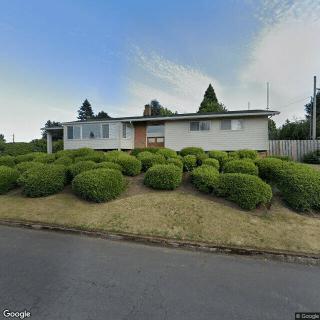

 When Dementia Sparks Anger and Aggression: Understanding the Connection and Ways to Cope
 Dementia Behaviors: In-Depth Understanding and Effective Coping Strategies
 5 Early Indicators of Dementia and What You Can Do