Expressions At Summerplace

15727 North East Russell Street, Portland, OR 97230

For more information about senior living options: (844) 490-3973

3.7 from 38 reviews
5 stars
25
4 stars
0
3 stars
0
2 stars
3
1 stars
10

Assisted Living Board and Care Home Memory Care

Overall Review of Expressions At Summerplace

Pros

  • pro The facility and rooms are nice.
  • pro The community is beautiful with many amazing people.
  • pro The staff is attentive and incredibly kind.
  • pro Kelsey is a fantastic med tech and a dedicated employee who is always kind.
  • pro Stacey is dedicated, very hard working, and goes above and beyond her job.
  • pro The grounds are well maintained and the paint is spot-on.
  • pro The facility is clean and well kept, one of the nicer assisted living facilities.
  • pro What a wonderful facility - clean, beautiful, spacious, and the staff are amazing, caring, and compassionate.
  • pro The staff treated her as family and she loved it.

Cons

  • pro The management and billing department are described as atrocious, with residents being overbilled every month.
  • pro The facility allegedly would not allow medical-necessity lease termination, forcing an extra full month's rent.
  • pro Staff allegedly failed to provide meals or administer medications as promised, leaving residents without food or care.
  • pro There is a high staff turnover and a revolving door of executive directors.
  • pro Corporate-level employees are reportedly unreachable, suggesting neglect of resident concerns.
  • pro The reception desk allegedly allowed theft of deliveries due to insufficient staffing.
  • pro The food service is described as abysmal and disorganized, with long waits for meals.
  • pro Residents suffered falls, neglect, and being forgotten, including missed showers and unaccompanied walks.
  • pro The facility was accused of prioritizing profits over resident care and of charging erroneous fees.
  • pro Some reviewers stated that Prestige properties are "the bottom of the barrel," implying systemic quality issues.

Review

The overall picture of Summerplace Assisted Living is a blend of attractive surroundings and troubling realities, depending on who you ask and when you ask. On one hand, the facility itself often gets praise for its physical appearance: well-maintained grounds, clean and well-kept interiors, and a sense of spaciousness. A number of residents and family members describe the building as beautiful and pleasant to be in, with some staff members and long-term residents expressing genuine appreciation for the community. In particular, several individuals note that certain staff members - like Kelsey, a med tech, and Stacey at the front desk - stand out for their kindness, dedication, and willingness to pitch in beyond their defined roles. For families and residents who feel well-supported, these positive touchpoints reinforce a sense of warmth and reliability within the building.

However, many others recount a very different experience, centered on serious lapses in care and communication that overshadow the facility's aesthetics. A common thread is that health and daily needs deteriorated for a resident soon after moving in, sometimes because of pain or mobility issues that prevented meals from being eaten in the dining room. In these accounts, meals arranged to be delivered to a resident's room were not consistently provided, leaving some days with no meals at all. Medication management is repeatedly cited as a critical failure - missed doses and delays that can have real consequences for someone's health - and the impression left is that the staff are stretched too thin to keep up with basic, essential tasks.

Billing and administrative practices emerge as another major point of contention. Several reviews describe ongoing overbilling and a friction-filled relationship with the billing department, with families repeatedly having to intervene to correct errors. The frustration is compounded by a sense that the organization prioritizes revenue over resident well-being. One particularly jarring note is that even after a resident's death, substantial charges continued to arrive - creeping into the mail months later when no one should be responsible for a bill tied to a deceased individual. The transfer of ownership to Prestige is mentioned as a turning point for many reviewers, with some alleging that the corporate layer is detached and hard to reach, leaving families feeling unsupported during critical times.

Staff turnover and management culture are highlighted as recurring problems that undermine stability and trust. Several reviews describe a revolving door of executives and a perception that management treats care staff poorly, sometimes speaking to them in demeaning or high-pressure tones. The impression given is that leadership's treatment of front-line workers influences day-to-day care and the overall atmosphere within the community. The sentiment that corporate offices are unreachable or unresponsive adds to a sense of disconnection between the local campus and the broader organization, making it harder for families to voice concerns and seek timely resolutions.

Safety, quality of care, and patient advocacy surface repeatedly as areas of concern. Residents recount falls, missed showers, missed mobility follow-ups, and a lack of consistent supervision during the day. In at least one case, an arm wound from an ER visit led to infection and extended care beyond what families felt was appropriate. The phrase "assisted living works if you do not need assistance" captures a bitter irony in these accounts: the very level of care designed to support independence can fail when residents require more hands-on help than the staff can reliably provide. In these narratives, food service is described as inconsistent, sometimes decent and at other times disorganized and slow, further contributing to a sense of neglect when residents depend on staff to meet basic daily needs.

Despite these negative experiences, there are still voices of reassurance and gratitude. Some residents report long tenures and glowing memories of care from specific staff members, and even when problems are acknowledged, they recount moments of compassionate care that made a real difference. One former resident's family describes a decade of experience with a different perspective on quality - recognizing the facility as clean, well kept, and capable of providing dementia care that felt safe and respectful. In these cases, the care team's consistency, communication with families, and personal touches helped illuminate what the community could be at its best.

The mixed reviews culminate in a nuanced portrait: Summerplace can be a beautiful, well-maintained community with dedicated individuals who genuinely care and who can make a meaningful difference in a resident's life. Yet the same place can present serious challenges when care needs escalate, when billing issues arise, or when staff turnover and management practices undermine trust and continuity. Prospective families and residents are left with a clear cautionary message: while there are shining examples of care and kindness within the walls, there are also significant, systemic concerns that require vigilant oversight, active advocacy, and meticulous communication with the facility, especially during medical downturns or transitions of care.

Ultimately, the experiences range from deeply positive to alarmingly negative, with some families feeling heard and supported by certain staff, and others warning that the institution's problems - staff turnover, management style, inconsistent meal and medication delivery, and persistent billing disputes - can erode the very quality of life the community aims to provide. The recurring advice across the narratives is to approach Summerplace with eyes open: visit thoroughly, ask pointed questions about meals, medications, and care plans, and ensure there is a reliable line of communication with both the local administration and any corporate offices to address concerns promptly.

Features

Housing

  • 20 resident community capacity 20 resident community capacity

Types of Care

  • Assisted Living Assisted LivingAssisted living facilities provide crucial support and care for seniors who may need help with daily tasks such as medication management, bathing, and meal preparation. These communities offer a safe and comfortable environment where seniors can maintain their independence while receiving the assistance they need to thrive in their golden years.
  • Board and Care Home Board and Care HomeBoard and care homes provide a smaller, more intimate setting for seniors who require assistance with daily tasks but do not need the level of care offered by a nursing home. They offer personalized care, meals, and social activities in a homelike environment, ensuring that seniors receive individualized attention and support in their golden years.
  • Memory Care Memory CareMemory care is crucial for seniors as it provides specialized support and services for individuals with dementia or Alzheimer's disease. These programs offer a safe and secure environment where residents receive personalized care, cognitive stimulation, and help with daily activities. Memory care helps seniors maintain their independence, quality of life, and dignity while also providing peace of mind for their families.

Amenities

  • Beauty salon Beauty salonBeauty salons are important for seniors because they provide a space for them to feel pampered, socialize, and maintain their personal grooming and hygiene. Regular visits to a beauty salon can help boost seniors' self-esteem and overall well-being.
  • Cable or satellite TV Cable or satellite TVCable or satellite TV is important for seniors because it provides entertainment, news, and companionship, helping to combat loneliness and boredom. It also offers a wide range of programming options tailored to different interests and preferences.
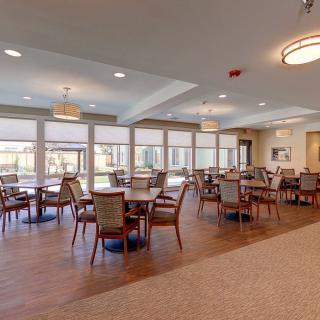
  • Dining room Dining roomDining rooms are important for seniors as they provide a space for socialization, connection, and nutritious meals. They offer opportunities for residents to bond over shared meals, foster a sense of community, and promote healthy eating habits. Dining rooms also ensure that seniors have access to well-balanced meals tailored to their dietary needs and preferences.
  • Fully furnished Fully furnishedFully furnished senior living communities are important for seniors because they provide convenience, comfort, and a hassle-free moving experience. Seniors can easily settle into their new living space without the stress of having to buy and move furniture. This allows them to focus on enjoying their new home and community.
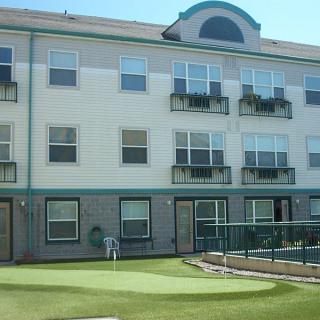
  • Garden GardenGardens are important for seniors as they provide a peaceful and therapeutic environment for relaxation, physical activity, and socialization. Being in nature has been shown to reduce stress, improve mood, and promote overall well-being. Gardens also offer opportunities for seniors to engage in gardening activities, which can improve mobility, flexibility, and cognitive function. Additionally, gardens create a sense of community and connection with others who share a passion for plants and outdoor spaces.
  • Housekeeping services Housekeeping servicesHousekeeping services are important for seniors because they help maintain a clean and safe living environment, promote independence, and reduce the risk of accidents or illnesses. Additionally, having assistance with household chores can alleviate physical strain and allow seniors to focus on other aspects of their well-being.
  • Kitchenette KitchenetteKitchenettes are important for seniors living in senior living communities because they provide the convenience and independence of being able to prepare simple meals and snacks in the comfort of their own living space. This can help promote a sense of autonomy and well-being for seniors, allowing them to maintain some level of control over their dietary choices and daily routines.
  • Move-in coordination Move-in coordinationMove-in coordination is important for seniors because it helps ease the transition into their new living environment. It ensures that all logistics, such as packing, organizing movers, and setting up utilities are taken care of, allowing seniors to focus on settling in and adjusting to their new home. Having a smooth move-in process can alleviate stress and anxiety, making the transition smoother and more enjoyable for seniors.
  • Outdoor space Outdoor spaceOutdoor spaces are important for seniors as they provide opportunities for physical activity, social interaction, exposure to natural light and fresh air, and a sense of connection to nature. Having access to outdoor spaces can improve overall well-being and quality of life for older adults living in senior communities.
  • Telephone TelephoneTelephones are important for seniors as they provide a lifeline for communication with loved ones, emergency services, and healthcare providers. They offer a sense of security and independence, enabling seniors to stay connected and access assistance when needed.
  • Wi-Fi/high-speed internet available Wi-Fi/high-speed internet availableWi-Fi/high-speed internet is important for seniors to stay connected with loved ones, access online resources, and participate in virtual activities to combat feelings of loneliness and isolation. It also allows them to easily manage healthcare needs, access entertainment, and engage in lifelong learning opportunities.

Transportation

  • Portland International (6 miles away) Portland International (6 miles away)

Care Services

  • 24-hour call system 24-hour call system24-hour call systems are important for seniors because they provide peace of mind and immediate assistance in case of emergencies. This technology ensures that help is always available, promoting safety and security for elderly individuals living alone or in assisted living facilities.
  • 24-hour supervision 24-hour supervision24-hour supervision is important for seniors to ensure their safety, well-being, and access to immediate assistance in case of emergencies or health issues. This constant support provides peace of mind for both seniors and their loved ones, allowing them to age in place with dignity and security.
  • Activities of daily living assistance Activities of daily living assistanceActivities of daily living assistance are important for seniors because they provide essential support with tasks such as eating, bathing, dressing, and mobility. This assistance helps seniors maintain their independence, dignity, and overall quality of life as they age.
  • Assistance with bathing Assistance with bathingAssistance with bathing is crucial for seniors as it helps maintain personal hygiene, prevents infections, and ensures their overall well-being and comfort. It also provides a sense of dignity and independence for seniors who may struggle with this task on their own.
  • Assistance with dressing Assistance with dressingAssistance with dressing is important for seniors because it helps maintain their independence, promotes personal hygiene, prevents accidents and injuries, and improves overall quality of life. This service ensures that seniors can continue to dress comfortably and confidently, despite any physical limitations they may have.
  • Assistance with transfers Assistance with transfersAssistance with transfers is crucial for seniors as it helps prevent falls and injuries, maintains their independence, and ensures they can safely navigate their living environment. It also provides peace of mind for both seniors and their loved ones.
  • Coordination with health care providers Coordination with health care providersCoordination with health care providers is crucial for seniors to ensure proper medical care, medication management, and overall well-being. This collaboration helps prevent overlapping treatments, track progress more effectively, and provide comprehensive support tailored to individual needs.
  • Dementia waiver Dementia waiverDementia waivers are essential for seniors as they provide critical protections and accommodations for those experiencing cognitive decline. These waivers ensure individuals with dementia receive appropriate care, support, and resources to maintain their quality of life and dignity as they navigate the challenges of this progressive condition.
  • Diabetes diet Diabetes dietA diabetes diet is crucial for seniors as it helps manage blood sugar levels, reduce risks of complications, and improve overall health and well-being. By following a balanced and nutritious diet tailored to their specific needs, seniors can better control their diabetes and enhance their quality of life.
  • Hospice waiver Hospice waiverHospice waivers are important for seniors because they allow individuals to receive specialized end-of-life care and support at home or in a hospice facility. This waiver ensures that seniors can access the necessary resources and services to maintain comfort and dignity during their final days.
  • Meal preparation and service Meal preparation and serviceMeal preparation and service are crucial for seniors as they may have limited mobility or energy to cook nutritious meals. Having access to healthy and convenient food options can ensure they are getting the proper nutrition needed to maintain their overall health and well-being.
  • Medication management Medication managementMedication management is crucial for seniors to ensure they are taking the right medications at the correct dosages and times. This helps prevent adverse drug interactions, reduces the risk of medication errors, and promotes overall health and well-being. Proactive management also allows for adjustments as needed based on changing health conditions or new prescriptions.
  • Mental wellness program Mental wellness programMental wellness programs are essential for seniors as they promote cognitive stimulation, emotional support, and social engagement. These programs help prevent isolation, depression, and cognitive decline, ultimately enhancing the overall quality of life for older adults.
  • Mild cognitive impairment Mild cognitive impairment"Mild cognitive impairment" is important for seniors because it is an early stage of cognitive decline that can potentially progress to more severe conditions such as dementia. Recognizing and addressing mild cognitive impairment can help seniors receive appropriate care and support to maintain their quality of life and independence for as long as possible.
  • Special dietary restrictions Special dietary restrictionsSpecial dietary restrictions are important for seniors because age-related changes in metabolism and health conditions can make it difficult for their bodies to process certain foods. By following a diet tailored to their specific needs, seniors can maintain their overall health and well-being, manage chronic conditions, and reduce the risk of complications such as malnutrition or food interactions with medications.
  • Specialized memory care programming Specialized memory care programmingSpecialized memory care programming is crucial for seniors with cognitive impairments such as dementia or Alzheimer's disease. These programs provide a safe and supportive environment tailored to the unique needs of individuals with memory loss, helping them maintain their independence, dignity, and quality of life.
  • Transportation arrangement (medical) Transportation arrangement (medical)Transportation arrangements for medical purposes are essential for seniors as they may have difficulty driving themselves to appointments or accessing public transportation. Having reliable and safe transportation options ensures that seniors can receive timely medical care and maintain their health and well-being.
  • Transportation to doctors appointments Transportation to doctors appointmentsTransportation to doctors' appointments is crucial for seniors as it ensures they have access to necessary medical care and support for their health needs. Without reliable transportation, seniors may struggle to attend important appointments, leading to potential delays in treatment and health complications. Providing transportation services helps seniors maintain their overall well-being and quality of life.
Dining

  • Diabetes diet Diabetes dietA diabetes diet is crucial for seniors as it helps manage blood sugar levels, reduce risks of complications, and improve overall health and well-being. By following a balanced and nutritious diet tailored to their specific needs, seniors can better control their diabetes and enhance their quality of life.
  • Special dietary restrictions Special dietary restrictionsSpecial dietary restrictions are important for seniors because age-related changes in metabolism and health conditions can make it difficult for their bodies to process certain foods. By following a diet tailored to their specific needs, seniors can maintain their overall health and well-being, manage chronic conditions, and reduce the risk of complications such as malnutrition or food interactions with medications.

Activities

  • Community-sponsored activities Community-sponsored activitiesCommunity-sponsored activities are important for seniors as they provide opportunities for social interaction, mental stimulation, and physical activity. These activities can help improve overall well-being, combat loneliness and isolation, and promote a sense of belonging and purpose among older adults.
  • Scheduled daily activities Scheduled daily activitiesScheduled daily activities are important for seniors because they provide structure, socialization, mental stimulation, and physical activity. Engaging in regular activities can improve overall well-being and quality of life for seniors living in a community setting.

Description

Expressions At Summerplace is an assisted living community located in Portland, Oregon. We offer a range of care services including board and care home as well as memory care for individuals with dementia or Alzheimer's disease.

Our community is designed to provide a comfortable and supportive environment for our residents. Each room is fully furnished and includes cable or satellite TV, a kitchenette, telephone, and Wi-Fi/high-speed internet access. Housekeeping services ensure that our residents can enjoy a clean and tidy living space.

We understand the importance of maintaining a sense of independence while also providing assistance when needed. Our staff provides 24-hour supervision and assistance with activities of daily living such as bathing, dressing, and transfers. We also offer medication management services to ensure that our residents receive their medications on schedule.

At Expressions At Summerplace, we believe in promoting mental wellness and cognitive abilities. Our specialized memory care programming is designed to engage residents in stimulating activities that enhance their cognitive function. We also have a mental wellness program in place to support the emotional well-being of our residents.

Dining is an important aspect of life at our community. We cater to special dietary restrictions to ensure that each resident receives meals that meet their individual needs. Our scheduled daily activities offer opportunities for socialization and engagement within the community.

Located in close proximity to various amenities, Expressions At Summerplace offers convenience and accessibility. Nearby are cafes, parks, pharmacies, physicians' offices, restaurants, places of worship, theaters, and hospitals.

If you are looking for an assisted living community that provides personalized care in a welcoming environment, look no further than Expressions At Summerplace in Portland, Oregon.

Nearby Places of Interest

Restaurants

  • Taqueria Queretaro (1.2 miles)
  • Jim Dandy Drive-In (3.3 miles)
  • Escape Bar and Grill (3.5 miles)
  • Park City Pub (3.9 miles)
  • Roscoe's (4.2 miles)
  • Bipartisan Cafe (4.3 miles)
  • Jazzy Bagels (4.5 miles)

Pharmacies

  • Rite Aid (1.5 miles)
  • Walgreens (2 miles)
  • Herbalist Farmer (2.2 miles)
  • Rite Aid (2.5 miles)
  • Rite Aid (3.3 miles)
  • Walgreens (3.3 miles)
  • Walgreens (3.7 miles)

Physicians

  • Rockwood Medical Offices (2.5 miles)
  • Eye Health Northwest (3 miles)
  • The Oregon Clinic (3.1 miles)
  • Adventist Medical Pavilion (3.5 miles)
  • Dr. Steven Clark & Associates (3.9 miles)
  • Sanjeev Jain (4 miles)
  • PeaceHealth Family Medicine (4.4 miles)

Cafes

  • Panera Bread (3 miles)
  • Starbucks (3.2 miles)
  • Dutch Bros Coffee (3.9 miles)
  • Starbucks (4 miles)
  • Dutch Bros. Coffee (4.5 miles)
  • Black Rock Coffee Bar (4.7 miles)
  • Black Rock Coffee Bar (6 miles)

Hospitals

  • Adventist Medical Center (3.5 miles)
  • Legacy Mount Hood Medical Center (4.8 miles)

Parks

  • Heritage Park (4 miles)
  • Clearmeadows Park (4.4 miles)
  • Gresham Main City Park (4.5 miles)
  • Tsuru Island (4.6 miles)
  • Imagination Station (4.7 miles)
  • Mt. Tabor Park - Off Leash Area (4.9 miles)
  • Lents Park (5.1 miles)

Places of Worship

  • East Hill Kid City (4.3 miles)
  • St Henry Catholic Church (4.3 miles)
  • St Rose Catholic Church (5.2 miles)

Theaters

  • Century 16 Eastport Plaza (4.9 miles)
  • Hollywood Theatre (5.9 miles)

Transportation

  • Portland Airport Rental Car Center (5.5 miles)
  • Concourse E (5.5 miles)
  • Portland International Airport (PDX) (5.6 miles)
  • Concourse C (5.6 miles)
  • TSA Checkpoint A/B/C - Portland International Airport (5.6 miles)
  • Alaska Airlines Lounge - PDX (5.6 miles)
  • Concourse D (5.7 miles)

Frequently Asked Questions

Where is Expressions At Summerplace?
Does Expressions At Summerplace provide care for residents with dementia or Alzheimer's disease?

Nearby Communities

Related Resources

  • dementia behaviorsUnderstanding Dementia Behaviors: Practical Insights and Strategies for Caregivers

    Dementia affects memory and cognitive function in older adults, presenting challenges for caregivers due to behavioral changes such as confusion and mood swings. Compassionate, person-centered care that considers individual history and preferences, along with effective communication and environmental modifications, is essential for supporting both patients and their caregivers.

  • dementia and angerWhen Dementia Sparks Anger and Aggression: Understanding the Connection and Ways to Cope

    Dementia leads to cognitive impairment and can cause emotional and behavioral changes, including aggression that arises from frustration, confusion, or fear. Effective coping strategies for caregivers include understanding dementia's nature, recognizing triggers, using empathetic communication, and employing non-pharmacological interventions like music and art therapy.

  • dementia behaviorsDementia Behaviors: In-Depth Understanding and Effective Coping Strategies

    Dementia causes cognitive decline and challenging behaviors that caregivers must manage, necessitating an understanding of the neurological basis of these issues. Effective strategies and self-care for caregivers can enhance support for those with dementia and improve their daily lives.