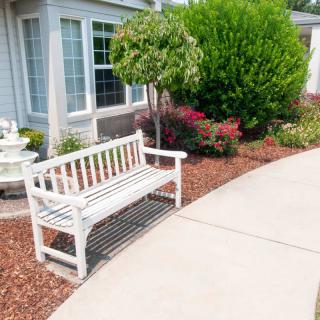
Roxy Ann Memory Community in Medford, OR

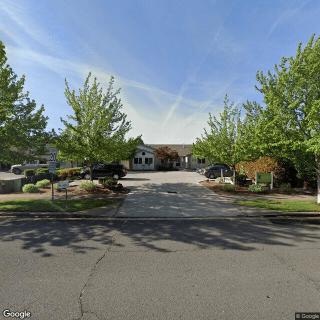
2530 Lone Pine Road, Medford, OR 97504

For more information about senior living options: (844) 490-3973

4.7 from 7 reviews
5 stars
6
4 stars
0
3 stars
1
2 stars
0
1 stars
0

Assisted Living Board and Care Home Memory Care

Overall Review of Roxy Ann Memory Community

Pros

  • pro Roxy Ann is a beautiful, family-owned memory care facility with a great reputation for taking care of residents.
  • pro The environment is clean, odor-free, and bright with natural light, staffed by caring caregivers.
  • pro Families are grateful for the compassionate care provided to their loved ones over many months.
  • pro Administrators are open and honest, offering insights and helpful recommendations for residents' best care.
  • pro The caregivers are genuinely kind and patient, creating a positive and relaxed atmosphere.
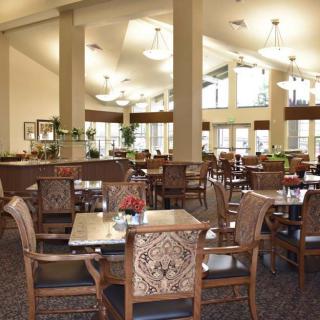
  • pro The facility feels small and homey, with welcoming communal spaces like a large kitchen and living area.
  • pro Roxy Ann offers engaging activities, including visits from children and pets, to keep residents active.
  • pro The care is outstanding and well-communicated, with staff highly trained in dementia care and families feeling supported - even after a loved one passes; one reviewer even ranks Roxy Ann among the top 1%.

Cons

  • pro The facility had no availability at the time of inquiry.
  • pro The smaller facility was at full capacity with no openings.
  • pro On some shifts, regular staff were unavailable and substitute staff did not meet the usual quality standards.

Review

Roxy Ann Memory Community in Medford is best suited for families seeking a small, intimate memory-care setting where residents receive highly personal, hands-on attention from a family-owned operation. The atmosphere is deliberately home-like: clean, bright, with natural light and a calm, welcoming feel that signals steady, compassionate care. This is the kind of place where staff turnover feels low, and caregivers are viewed as extended family rather than distant workers, a dynamic that can translate into steadier routines and more meaningful connections for residents with dementia.

The strongest upside lies in the people and the culture. Families repeatedly highlight a genuine, compassionate staff and an administrator who communicates openly and honestly, offering practical guidance for navigating dementia care. Residents routinely have clean rooms, well-kept clothes, and a living environment that feels cared for rather than clinical. The day-to-day experience centers on dignity, patience, and consistent attention, with a cadence of activities designed to keep residents engaged. The presence of a home kitchen, shared areas, and regular social moments - sometimes incorporating children or pets - helps maintain a sense of normalcy and belonging that many families prize.

Yet this community's appeal is closely tied to its size and structure. It operates on a small footprint - roughly a 20-resident capacity - which translates into a very personal environment but also means limited immediate availability. Several families arrive on a waiting list, hoping for a chance to join when space opens. For families needing rapid placement, or those preferring the resource depth of a larger campus with broader medical staffing and more expansive programming, alternatives will likely be preferable. There can also be occasional hiccups when regular staff are out and substitutes step in; while this seldom undermines care, it is a factor to weigh against the otherwise steady, resident-focused approach.

Despite the occasional staffing blip, the tight-knit model tends to offset most cons through exceptional continuity of care and family engagement. A small team can tailor routines to individual needs, monitor subtle shifts in cognition, and coordinate with families in a way that larger facilities struggle to duplicate. The result is a level of reassurance that many families value: clear lines of communication, proactive problem-solving, and care plans that evolve in step with a resident's changing condition. In this setting, families frequently report feeling confident that their loved one is known, valued, and respectfully treated in every interaction.

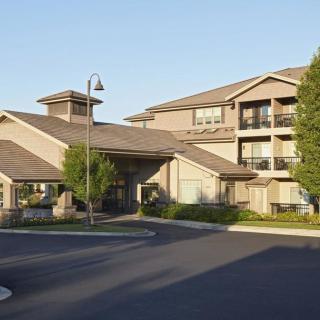
Another significant strength is the dementia-focused program and staff training. Families note that residents stay occupied and stimulated with structured activities, meaningful surfaces for social interaction, and a culture of respect for residents' independence and dignity. The environment supports a slower, more intentional pace that aligns well with memory-care needs, without sacrificing warmth or humor. The facility's older-but-well-kept building does not obscure the real value: a welcoming, brighter-than-average environment with ample outdoor space and ample common areas where residents can mingle or find quiet moments as needed.

For families weighing options, the practical takeaway is clear. Roxy Ann Memory Community is an excellent match for those who prioritize a family-owned, compassionate, small-community memory-care experience and can tolerate a wait for an opening. It is less suitable for those needing immediate placement, or for anyone seeking the resources and scale of a larger campus with broader medical services. Pros - exceptional staff, honest communication, a home-like setting, and robust dementia-focused engagement - substantially offset the drawbacks of limited capacity and occasional staffing substitutions. Prospective residents should visit, speak with leadership, and observe how the team interacts during routine moments to confirm alignment with care goals, and to understand how care plans would adapt if staffing gaps arise.

Features

Housing

  • 16 resident community capacity 16 resident community capacity

Types of Care

  • Assisted Living Assisted LivingAssisted living facilities provide crucial support and care for seniors who may need help with daily tasks such as medication management, bathing, and meal preparation. These communities offer a safe and comfortable environment where seniors can maintain their independence while receiving the assistance they need to thrive in their golden years.
  • Board and Care Home Board and Care HomeBoard and care homes provide a smaller, more intimate setting for seniors who require assistance with daily tasks but do not need the level of care offered by a nursing home. They offer personalized care, meals, and social activities in a homelike environment, ensuring that seniors receive individualized attention and support in their golden years.
  • Memory Care Memory CareMemory care is crucial for seniors as it provides specialized support and services for individuals with dementia or Alzheimer's disease. These programs offer a safe and secure environment where residents receive personalized care, cognitive stimulation, and help with daily activities. Memory care helps seniors maintain their independence, quality of life, and dignity while also providing peace of mind for their families.

Amenities

  • Cable or satellite TV Cable or satellite TVCable or satellite TV is important for seniors because it provides entertainment, news, and companionship, helping to combat loneliness and boredom. It also offers a wide range of programming options tailored to different interests and preferences.
  • Dining room Dining roomDining rooms are important for seniors as they provide a space for socialization, connection, and nutritious meals. They offer opportunities for residents to bond over shared meals, foster a sense of community, and promote healthy eating habits. Dining rooms also ensure that seniors have access to well-balanced meals tailored to their dietary needs and preferences.
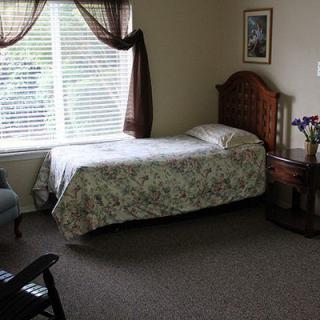
  • Fully furnished Fully furnishedFully furnished senior living communities are important for seniors because they provide convenience, comfort, and a hassle-free moving experience. Seniors can easily settle into their new living space without the stress of having to buy and move furniture. This allows them to focus on enjoying their new home and community.
  • Garden GardenGardens are important for seniors as they provide a peaceful and therapeutic environment for relaxation, physical activity, and socialization. Being in nature has been shown to reduce stress, improve mood, and promote overall well-being. Gardens also offer opportunities for seniors to engage in gardening activities, which can improve mobility, flexibility, and cognitive function. Additionally, gardens create a sense of community and connection with others who share a passion for plants and outdoor spaces.
  • Housekeeping services Housekeeping servicesHousekeeping services are important for seniors because they help maintain a clean and safe living environment, promote independence, and reduce the risk of accidents or illnesses. Additionally, having assistance with household chores can alleviate physical strain and allow seniors to focus on other aspects of their well-being.
  • Move-in coordination Move-in coordinationMove-in coordination is important for seniors because it helps ease the transition into their new living environment. It ensures that all logistics, such as packing, organizing movers, and setting up utilities are taken care of, allowing seniors to focus on settling in and adjusting to their new home. Having a smooth move-in process can alleviate stress and anxiety, making the transition smoother and more enjoyable for seniors.
  • Outdoor space Outdoor spaceOutdoor spaces are important for seniors as they provide opportunities for physical activity, social interaction, exposure to natural light and fresh air, and a sense of connection to nature. Having access to outdoor spaces can improve overall well-being and quality of life for older adults living in senior communities.
  • Telephone TelephoneTelephones are important for seniors as they provide a lifeline for communication with loved ones, emergency services, and healthcare providers. They offer a sense of security and independence, enabling seniors to stay connected and access assistance when needed.
  • Wi-Fi/high-speed internet available Wi-Fi/high-speed internet availableWi-Fi/high-speed internet is important for seniors to stay connected with loved ones, access online resources, and participate in virtual activities to combat feelings of loneliness and isolation. It also allows them to easily manage healthcare needs, access entertainment, and engage in lifelong learning opportunities.

Transportation

  • Rogue Valley International (2 miles away) Rogue Valley International (2 miles away)

Care Services

  • 24-hour supervision 24-hour supervision24-hour supervision is important for seniors to ensure their safety, well-being, and access to immediate assistance in case of emergencies or health issues. This constant support provides peace of mind for both seniors and their loved ones, allowing them to age in place with dignity and security.
  • Activities of daily living assistance Activities of daily living assistanceActivities of daily living assistance are important for seniors because they provide essential support with tasks such as eating, bathing, dressing, and mobility. This assistance helps seniors maintain their independence, dignity, and overall quality of life as they age.
  • Assistance with bathing Assistance with bathingAssistance with bathing is crucial for seniors as it helps maintain personal hygiene, prevents infections, and ensures their overall well-being and comfort. It also provides a sense of dignity and independence for seniors who may struggle with this task on their own.
  • Assistance with dressing Assistance with dressingAssistance with dressing is important for seniors because it helps maintain their independence, promotes personal hygiene, prevents accidents and injuries, and improves overall quality of life. This service ensures that seniors can continue to dress comfortably and confidently, despite any physical limitations they may have.
  • Assistance with transfers Assistance with transfersAssistance with transfers is crucial for seniors as it helps prevent falls and injuries, maintains their independence, and ensures they can safely navigate their living environment. It also provides peace of mind for both seniors and their loved ones.
  • Coordination with health care providers Coordination with health care providersCoordination with health care providers is crucial for seniors to ensure proper medical care, medication management, and overall well-being. This collaboration helps prevent overlapping treatments, track progress more effectively, and provide comprehensive support tailored to individual needs.
  • Dementia waiver Dementia waiverDementia waivers are essential for seniors as they provide critical protections and accommodations for those experiencing cognitive decline. These waivers ensure individuals with dementia receive appropriate care, support, and resources to maintain their quality of life and dignity as they navigate the challenges of this progressive condition.
  • Diabetes diet Diabetes dietA diabetes diet is crucial for seniors as it helps manage blood sugar levels, reduce risks of complications, and improve overall health and well-being. By following a balanced and nutritious diet tailored to their specific needs, seniors can better control their diabetes and enhance their quality of life.
  • Hospice waiver Hospice waiverHospice waivers are important for seniors because they allow individuals to receive specialized end-of-life care and support at home or in a hospice facility. This waiver ensures that seniors can access the necessary resources and services to maintain comfort and dignity during their final days.
  • Meal preparation and service Meal preparation and serviceMeal preparation and service are crucial for seniors as they may have limited mobility or energy to cook nutritious meals. Having access to healthy and convenient food options can ensure they are getting the proper nutrition needed to maintain their overall health and well-being.
  • Medication management Medication managementMedication management is crucial for seniors to ensure they are taking the right medications at the correct dosages and times. This helps prevent adverse drug interactions, reduces the risk of medication errors, and promotes overall health and well-being. Proactive management also allows for adjustments as needed based on changing health conditions or new prescriptions.
  • Mental wellness program Mental wellness programMental wellness programs are essential for seniors as they promote cognitive stimulation, emotional support, and social engagement. These programs help prevent isolation, depression, and cognitive decline, ultimately enhancing the overall quality of life for older adults.
  • Mild cognitive impairment Mild cognitive impairment"Mild cognitive impairment" is important for seniors because it is an early stage of cognitive decline that can potentially progress to more severe conditions such as dementia. Recognizing and addressing mild cognitive impairment can help seniors receive appropriate care and support to maintain their quality of life and independence for as long as possible.
  • Special dietary restrictions Special dietary restrictionsSpecial dietary restrictions are important for seniors because age-related changes in metabolism and health conditions can make it difficult for their bodies to process certain foods. By following a diet tailored to their specific needs, seniors can maintain their overall health and well-being, manage chronic conditions, and reduce the risk of complications such as malnutrition or food interactions with medications.
  • Specialized memory care programming Specialized memory care programmingSpecialized memory care programming is crucial for seniors with cognitive impairments such as dementia or Alzheimer's disease. These programs provide a safe and supportive environment tailored to the unique needs of individuals with memory loss, helping them maintain their independence, dignity, and quality of life.
  • Transportation arrangement (medical) Transportation arrangement (medical)Transportation arrangements for medical purposes are essential for seniors as they may have difficulty driving themselves to appointments or accessing public transportation. Having reliable and safe transportation options ensures that seniors can receive timely medical care and maintain their health and well-being.
  • Transportation to doctors appointments Transportation to doctors appointmentsTransportation to doctors' appointments is crucial for seniors as it ensures they have access to necessary medical care and support for their health needs. Without reliable transportation, seniors may struggle to attend important appointments, leading to potential delays in treatment and health complications. Providing transportation services helps seniors maintain their overall well-being and quality of life.

Dining

  • Diabetes diet Diabetes dietA diabetes diet is crucial for seniors as it helps manage blood sugar levels, reduce risks of complications, and improve overall health and well-being. By following a balanced and nutritious diet tailored to their specific needs, seniors can better control their diabetes and enhance their quality of life.
  • Special dietary restrictions Special dietary restrictionsSpecial dietary restrictions are important for seniors because age-related changes in metabolism and health conditions can make it difficult for their bodies to process certain foods. By following a diet tailored to their specific needs, seniors can maintain their overall health and well-being, manage chronic conditions, and reduce the risk of complications such as malnutrition or food interactions with medications.

Activities

  • Community-sponsored activities Community-sponsored activitiesCommunity-sponsored activities are important for seniors as they provide opportunities for social interaction, mental stimulation, and physical activity. These activities can help improve overall well-being, combat loneliness and isolation, and promote a sense of belonging and purpose among older adults.
  • Scheduled daily activities Scheduled daily activitiesScheduled daily activities are important for seniors because they provide structure, socialization, mental stimulation, and physical activity. Engaging in regular activities can improve overall well-being and quality of life for seniors living in a community setting.

Description

Roxy Ann Memory Community is a warm and inviting assisted living community located in Medford, OR. Our community specializes in providing care for individuals with memory care needs, creating a safe and supportive environment for residents.

We offer both board and care homes as well as specialized memory care services to cater to the unique needs of each individual. Our fully furnished accommodations provide a comfortable and home-like atmosphere, allowing residents to feel at ease in their new surroundings.

At Roxy Ann Memory Community, we understand the importance of maintaining an active and engaged lifestyle. That's why we offer a variety of amenities and services to enhance our residents' daily lives. Our dining room provides nutritious meals that can accommodate special dietary restrictions, ensuring that each resident receives the proper nutrition they need. In addition, our housekeeping services ensure that the living spaces are always clean and tidy.

We also provide numerous opportunities for socialization and recreation. Residents can enjoy spending time in our beautiful garden or outdoor spaces, engaging in activities or simply relaxing amidst nature. Our mental wellness program offers specialized programming to promote cognitive health and emotional well-being.

For added convenience, we coordinate transportation arrangements for medical appointments, ensuring that residents can easily access the healthcare providers they need. Additionally, our proximity to nearby cafes, parks, pharmacies, restaurants, places of worship, theaters, hospitals, and physicians allows residents to easily explore the local community and maintain their connections.

At Roxy Ann Memory Community, we prioritize the comfort and well-being of our residents. With our comprehensive care services and enriching amenities, we strive to create a nurturing environment where individuals with memory care needs can thrive.

Nearby Places of Interest

Parks

  • Donahue Frohnmeyer Park (0.4 miles)
  • Cedar Links Park (0.7 miles)
  • Holmes Park (1.5 miles)
  • Hawthorne Park (1.6 miles)
  • Railroad Park (1.8 miles)

Restaurants

  • Domino's Pizza (0.6 miles)
  • Erawan Thai Cuisine (1 miles)
  • Jimmy John's (1.2 miles)
  • Del Taco (1.2 miles)
  • Kaleidoscope Pizzeria & Pub (1.3 miles)
  • Burger King (1.3 miles)
  • Ahuva Bagel Co. (1.3 miles)

Cafes

  • Dutch Bros Coffee (0.7 miles)
  • Starbucks (1.3 miles)
  • Forage Coffee (1.6 miles)
  • Dutch Bros Coffee (1.8 miles)
  • The Good Bean Cafe (1.8 miles)
  • Starbucks (1.9 miles)
  • Noonie's Boba Tea (1.9 miles)

Pharmacies

  • Wellness Compounding Pharmacy (0.9 miles)
  • Good Neighbor Pharmacy (1 miles)
  • Rite Aid (1.3 miles)
  • Safeway Pharmacy (1.4 miles)
  • Fred Meyer Pharmacy (1.4 miles)
  • Mother Earth Medicines (1.8 miles)
  • Oregon Farmacy (2 miles)

Physicians

  • Keith R Berg DMD (0.9 miles)
  • Savage James James D Savage DDS Medford (0.9 miles)
  • Providence Medford Medical Center (1 miles)
  • Noel Lesley Infusion Center at Providence Southern Oregon Cancer Center (1.1 miles)
  • Southern Oregon Orthopedics Phys & Surs (1.1 miles)
  • Intractable Pain Center (1.2 miles)
  • Vista Pathology (1.2 miles)

Places of Worship

  • Westminster Presbyterian Church (1.4 miles)

Theaters

  • Cinemark Tinseltown USA (1.4 miles)

Transportation

  • Hertz Rent A Car (1.8 miles)

Hospitals

  • Asante Health System (1.9 miles)

Frequently Asked Questions

Where is Roxy Ann Memory Community?
Does Roxy Ann Memory Community provide care for residents with dementia or Alzheimer's disease?

Nearby Communities

  • Roxy Ann Memory Care Community

    Roxy Ann Memory Care Community

    Medford, OR

     
    $4,000 / month

    pro Specialized high-acuity memory care with private bathrooms and trained staff.

  • Bonaventure of Medford

    Bonaventure of Medford

    Medford, OR

    3.9 from 100 reviews
    $3,580 to $5,930 / month

    pro Caring staff, clean and welcoming facility with engaging activities and quality dining.

  • A Touch Of Grace

    A Touch Of Grace

    Medford, OR

     
    $4,000 / month

    pro Private rooms with private bathrooms and nearby amenities

  • Touch Of Grace

    Touch Of Grace

    Medford, OR

    3.9 from 28 reviews
     

    pro Personalized care with 24-hour supervision across assisted living and memory care.

  • Ashley Manor - Brookhurst

    Ashley Manor - Brookhurst

    Medford, OR

    3.3 from 20 reviews
    $3,400 to $3,900 / month

    pro Home-like environment with attentive staff, engaging daily activities, and a secure, clean setting.

  • Ashley Manor Brookhurst

    Ashley Manor Brookhurst

    Medford, OR


    pro Comprehensive assisted living with 24-hour supervision, medical coordination, diabetes-friendly dining, and fully furnished living spaces.

  • The Springs at Veranda Park

    The Springs at Veranda Park

    Medford, OR

    4.5 from 54 reviews
    $2,995 to $4,995 / month

    pro Excellent dining and an active community with diverse housing options.

  • Avamere at Waterford

    Avamere at Waterford

    Medford, OR

    4.3 from 26 reviews
    $2,407 to $3,518 / month

    pro Caring staff with a strong community feel and engaging activities.

  • Farmington Square Medford

    Farmington Square Medford

    Medford, OR

    4 from 66 reviews
    $4,610 to $5,565 / month

    pro Caring, attentive staff with good communication and smooth move?in/transfer processes; welcoming atmosphere.

Assisted Living in Nearby Cities

Related Resources

  • reminiscence therapyExploring the Power of Reminiscence Therapy for Individuals With Dementia

    Reminiscence therapy helps individuals with dementia recall past memories through structured discussions and meaningful objects, enhancing mood, relationships, and sense of identity while celebrating their lives. It can be practiced in formal settings or at home, requiring sensitivity to personal histories and cultural backgrounds.

  • reminiscence therapyAn In-Depth Look at Reminiscence Therapy in Dementia Care

    Reminiscence therapy is a structured method for older adults, especially those with dementia, to share life stories using prompts and sensory cues, fostering emotional well-being, social engagement, and self-identity. It aims to improve quality of life by enhancing interpersonal connections and cognitive stimulation while requiring careful facilitation to avoid distressing memories.

  • dementia hallucinationsDementia-Related Hallucinations: Causes, Experiences, and Practical Approaches

    Dementia, particularly Lewy body dementia, often involves hallucinations that can significantly distress both patients and caregivers due to disruptions in sensory processing and neurotransmitter imbalances. Effective management includes compassionate communication, environmental adjustments, and a multidisciplinary approach to care while addressing the emotional needs of caregivers.