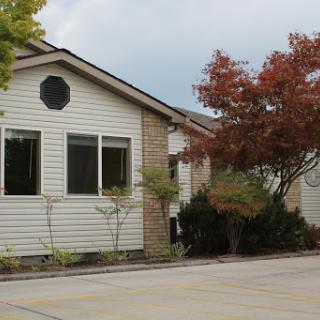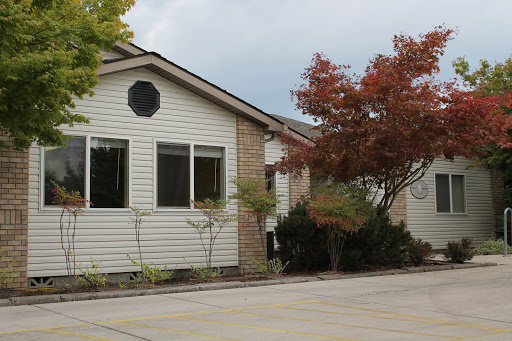
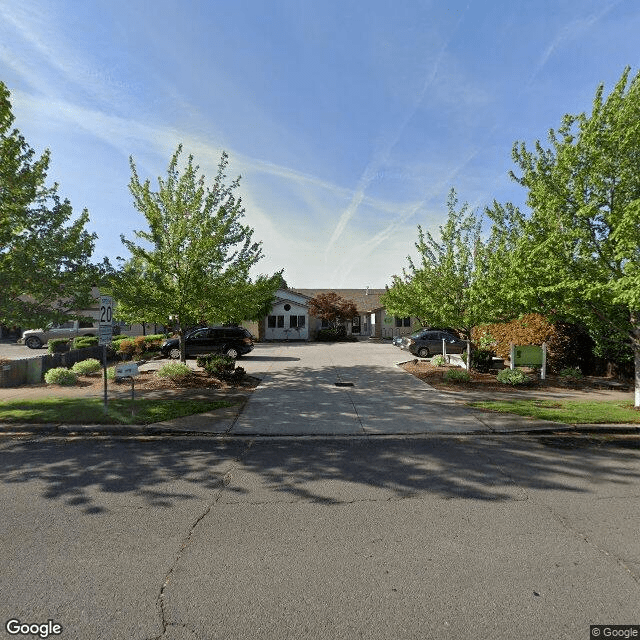
2146 Brookhurst, Medford, OR 97504
To contact a resident: (541) 618-9050
For more information about senior living options: (866) 208-4318
Ashley Manor - Brookhurst Costs & Pricing
Ashley Manor - Brookhurst offers competitive pricing for its residents, particularly when compared to the averages in both Jackson County and the broader state of Oregon. For those considering a semi-private room, Ashley Manor's monthly fee of $3,400 stands in stark contrast to Jackson County's average of $4,919 and Oregon's average of $4,457. Studio accommodations at Ashley Manor are priced at $3,900, which is slightly above Oregon's state average of $3,815 but still favorable compared to Jackson County's higher rate of $4,239. Furthermore, for private rooms, Ashley Manor maintains a rate of $3,900 - marginally above Jackson County's average of $3,899 but significantly lower than Oregon's average cost of $3,424. Overall, Ashley Manor - Brookhurst provides a valuable option for individuals seeking quality care at more accessible prices than many alternatives in the region.
| Floor plans | Ashley Manor - Brookhurst | Jackson County | Oregon |
|---|---|---|---|
| Semi-Private | $3,400 | $4,919 | $4,457 |
| Studio | $3,900 | $4,239 | $3,815 |
| Private | $3,900 | $3,899 | $3,424 |
Memory care communities with a similar price nearby
-
from +$120 / mo
Arbor House Of Grants Pass
$3,520 to $3,780 / month24.4 miles away -
from -$650 / mo

Suncrest Senior Care Home
$2,750 to $3,450 / month7.6 miles away -
from -$425 / mo

Northridge Center
$2,975 to $4,173 / month4.4 miles away -
from +$595 / mo

Weatherly Court
$3,995 to $5,995 / month1.2 miles away -
from +$500 / mo

Prestige Senior Living Arbor Place
$3,900 to $5,000 / month2.9 miles away
Overall Review of Ashley Manor - Brookhurst
Pros
 The staff genuinely care for the residents and their families.
- The administrator goes to bat for the residents and their families.
- The staff are amazing and genuinely attentive to the residents.
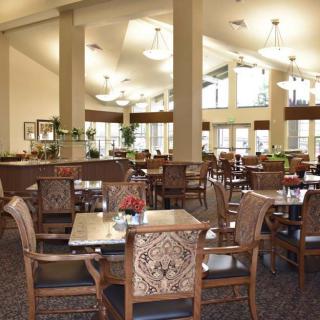
- The facility is clean and nicely decorated.
- Kaylene’s leadership has brought positive changes and increased happiness for residents and families.
- The move-in experience was very good, with accommodating staff who made it easy.
Cons
 They are short-staffed and overwhelmed, failing to keep the resident dry.
- There were no real activities beyond watching TV; essentially nothing.
- They lack enough staff to fulfill what they promised in the contract, despite paying $7,000 for 30 days.
- The resident was often found in other people's clothes and bedding even though she supplied her own.
- The administrator runs the community through fear and intimidation and is narcissistic, following only her rules.
- There are numerous violations, including administering insulin without proper delegation.
- The staff left the grandmother in a chair for hours, mold grew under her nails, and staff used her lotion on themselves.
- They neglect patients, letting residents sit in urine and leaving bathrooms dirty, without frequent checks.
- Some staff actions suggest a lack of qualified care, such as avoiding basic care because it frightened them.
- The facility has odors from open bathrooms and cleanliness issues.
Review
Ashley Manor Brookhurst is best suited for families seeking a small, home‑like assisted living where warmth, routine, and personal attention feel tangible, provided the leadership and the frontline team are consistently engaged and adequately staffed. When administration is active and staff levels are sufficient, residents tend to enjoy clean, cozy surroundings, dependable meals, and meaningful interpersonal connections with caregivers who know them by name. This setting works best for those who value a neighborhood feel, a manageable size, and the sense that staff will notice if a resident needs help. The strongest outcomes come when the community operates as a tight, accountable unit rather than a sprawling campus.
Those considering alternatives should note who may not be well served here. Families prioritizing rigorous clinical oversight, strict regulatory compliance, and uniformly reliable staffing will want to look elsewhere. The most serious feedback centers on persistent understaffing and care gaps, with several accounts alleging fear-based or inconsistent management. Questions about medication administration, accountability for residents’ belongings, and responsiveness to family concerns reinforce the impression that day-to-day reliability can vary. For families seeking a high level of clinical oversight and predictable operations, other options may offer a calmer, more consistently managed experience.
The strongest pros, when they line up with staffing and leadership, can offset some of the downsides. Positive threads include staff who are described as genuinely caring, administrators who advocate for residents, and a homey, decorated environment that feels safe. Residents benefit from attentive supervision, regular meals, and a sense of community that can be comforting for families who value visible, personal attention. The facility’s clean appearance, secure ambience, and opportunities for small social interactions also matter. In these scenarios, the combination of warmth and structure can provide meaningful quality of life that makes the potential risks feel manageable.
Yet the main cons carry substantial weight. Recurrent reports of residents left unattended, delays in basic care, and situations suggesting inadequate monitoring undermine confidence in daily operations. Odors in bathrooms, inconsistent hygiene practices, and disputes over personal belongings heighten concerns about overall stewardship. Instances of apparent gaps in medical oversight, such as questions about delegation in medication administration, are red flags that families should not overlook. When these issues surface consistently, they erode trust and raise legitimate questions about whether the setting can sustain safe, respectful care over time.
Move-in experiences and family engagement show a mixed picture. Several reviewers describe smooth transitions, responsive admissions staff, and a welcoming, homelike atmosphere that aligns with expectations for assisted living. Others note that once settled, the social environment within the community can be uneven, particularly when many residents are not fully functional and interaction depends heavily on frequent family visits. A key takeaway is that the social quality of life here hinges on consistent staff engagement and the level of resident activity opportunities, which may be uneven depending on shifts and leadership climate.
The practical conclusion for families weighing this community is clear: Ashley Manor Brookhurst can be a good fit for those who want a small, intimate setting with caring staff and a home-like feel, provided administration remains engaged and staffing remains sufficient. Prospective buyers should pursue rigorous due diligence: request current staff-to-resident ratios, observe multiple shifts, speak with front-line caregivers, and verify medication processes with a nurse or administrator. Inspect care routines at different times, verify the tracking of personal belongings, and talk to multiple families about long-term satisfaction. If these assurances cannot be confirmed, or if red flags persist, alternatives offering steadier clinical oversight and more consistent day-to-day care should be prioritized.
 Board and Care Home
 Memory Care
 Cats allowed
 Dogs allowed
 Private
 Rogue Valley International (2 miles away)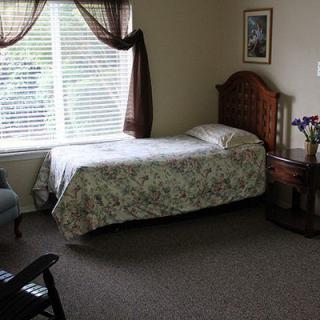






 Illuminating Insights About Alzheimer's Disease: Ten Crucial Realities
 A Thorough Discussion of Medications Potentially Linked to Dementia Risk
 Why Do Dementia Patients Sleep So Much? Understanding Oversleeping, Stages, and Care Approaches