
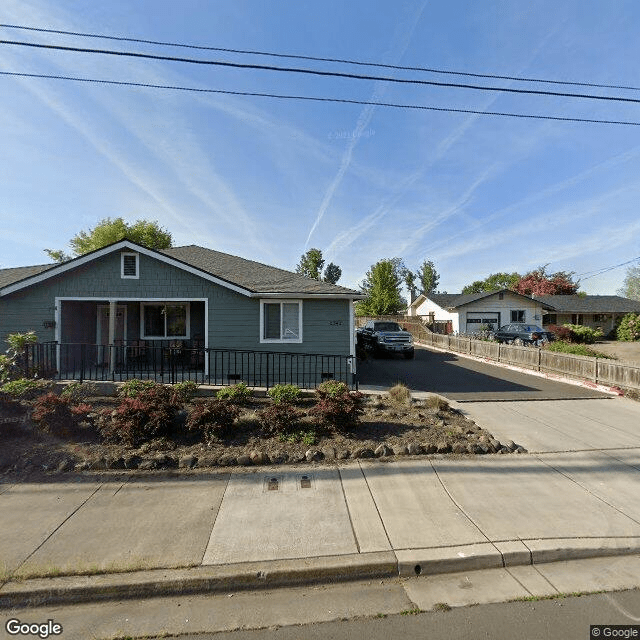
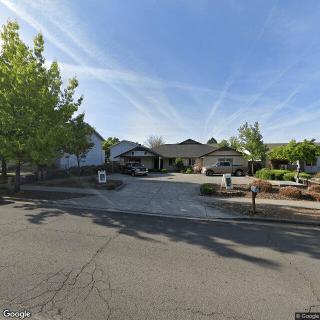
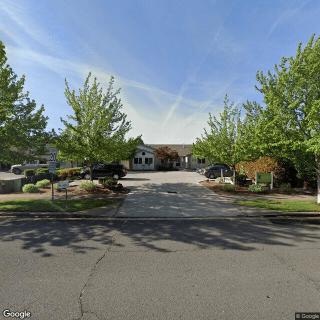
2342 Roberts Road, Medford, OR 97504
To contact a resident: (541) 772-0755
For more information about senior living options: (866) 208-4318
Shalom Adult Foster Care Home Costs & Pricing
At Shalom Adult Foster Care Home, the monthly cost for a private room is set at $3,000, which positions it as a more affordable option compared to the average costs in both Jackson County and the broader state of Oregon. In Jackson County, the typical expense for a private room averages around $3,899, while across Oregon, this figure is approximately $3,424. This price differential highlights Shalom's commitment to providing quality care at a competitive rate, making it an attractive choice for families seeking nurturing and supportive environments for their loved ones without straining their financial resources.
| Floor plans | Shalom Adult Foster Care Home | Jackson County | Oregon |
|---|---|---|---|
| Private | $3,000 | $3,899 | $3,424 |
Senior living communities with a similar price nearby
-
from +$200 / mo
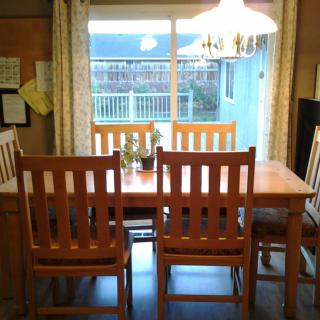
Spring Lily Adult Foster Home
$3,200 / month9.2 miles away -
from +$520 / mo
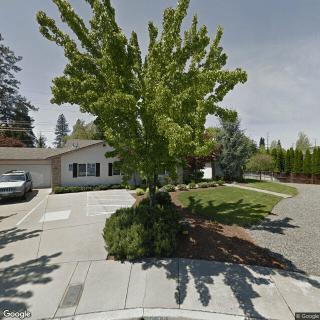
Arbor House Of Grants Pass
$3,520 to $3,780 / month24.5 miles away -
from +$192 / mo
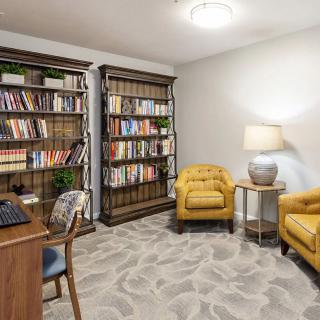
Suncrest Place
$3,192 to $5,502 / month7.7 miles away -
from -$250 / mo
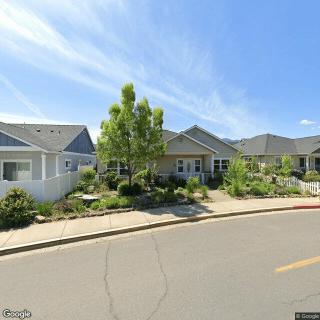
Suncrest Senior Care Home
$2,750 to $3,450 / month7.8 miles away -
About the same

Northridge Center
$2,975 to $4,173 / month4.6 miles away
Overall Review of Shalom Adult Foster Care Home
Pros
 The staff at Sunset House is kind and helpful.
- Sunset House feels like a home and a family.
- The care is highly personalized.
- It’s comforting to know she’s in such good hands.
- A weight has been lifted from the family’s shoulders.
- Communication with the staff is excellent.
- The staff provide exercise, enrichment, and good nutrition with warmth and caring.
- They are glad they found Sunset House and would recommend it to other families.
Review
Shalom Adult Foster Care Home in Medford, Oregon, is best suited for families seeking a small, home-like setting for a loved one with Alzheimer's or dementia who benefits from highly personalized attention. The environment emphasizes warmth, a sense of family, and staff who treat residents as cherished members of a private household. The strongest fit is someone who thrives on consistent routines, gentle daily exercise, meaningful enrichment, and meals prepared with care. Communication with caregivers tends to be proactive and clear, ensuring changes in mood, appetite, or mobility are addressed promptly. For families navigating dementia care at home, this setting offers the comfort of familial care delivered with professional sensitivity.
Not every situation fits this model. If a loved one requires robust on-site nursing, rapid escalation of medical needs, or a full continuum of care with hospital-level services, a larger memory-care community or skilled-nursing facility may be more appropriate. Complex medication regimens, high fall risk requiring advanced monitoring, or the need for 24/7 clinical staffing should prompt comparison across options. Location and cost are practical considerations as well, since proximity to family for visits matters deeply in dementia care. If the priority is a broad program with extensive resources, explore alternatives; if the goal is a quiet, intimate, home-like atmosphere, Shalom stands out.
Among the strongest positives are personalized care and genuine warmth from the staff. Residents are treated with kindness, and the setting feels like a close-knit family. The small scale enables caregivers to tailor routines to individual histories and evolving needs, often translating into steadier mood and better engagement with activities. Regular exercise and enrichment are integrated into the day, and meals receive careful attention to nutrition and taste. Clear, ongoing communication with families makes care plans and daily progress easy to follow, reducing caregiver stress and instilling confidence about a loved one’s well-being.
Yet a smaller clinical footprint can feel limiting to some. While daily life and emotional support are outstanding, questions about 24-hour nursing coverage, specialized therapies, or rapid escalation protocols deserve direct confirmation. The upside is the opposite: intimate knowledge of each resident leads to quicker routine adjustments and safer, more consistent supervision. Strong attention to nutrition and activity helps prevent isolation and decline that often accompany dementia. In practical terms, the trade-off favors deep, consistent engagement over broad clinical services, making this option an excellent match for those prioritizing warmth, stability, and a true home environment.
When evaluating Shalom, prospective families should prioritize questions about staffing during peak hours, dementia-specific training, how care plans are updated, and how daily activity calendars are structured. Inquire about meal planning for dietary restrictions, safety features such as handrails and secure outdoor spaces, and fall-prevention measures. Ask for sample menus and activity schedules, and request references. Cost structures, contract terms, and any ancillary services should be clarified upfront. A multi-visit assessment helps reveal how well the ambience, routines, and communication align with the loved one’s needs.
Bottom line: Shalom Adult Foster Care Home offers a compelling option for families seeking dementia-focused, personalized, home-like care delivered with warmth. It is particularly effective for residents who thrive on individualized routines and stable staff relationships. For those requiring more intensive medical oversight or a broader continuum of care, exploring larger memory-care communities or skilled-nursing options is prudent. The next step is a guided visit accompanied by a clear request for care plans and references. With careful assessment, families can determine whether Shalom will shoulder the caregiving burden in a way that aligns with values and needs.
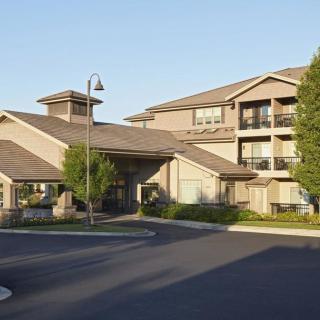
 Board and Care Home
 Devotional services off-site
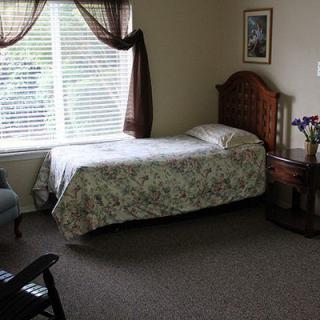
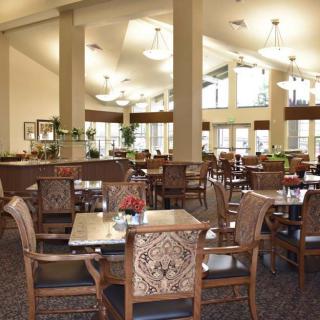
 Indoor common areas
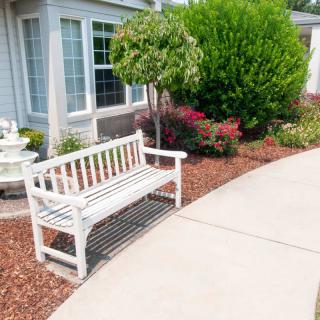
 Outdoor common areas
 Private
 Private bathrooms
 Wheelchair accessible showers
 Rogue Valley International (2 miles away)
 Diabetic care
 High acuity care
 Incontinence care
 Medication management
 Meals provided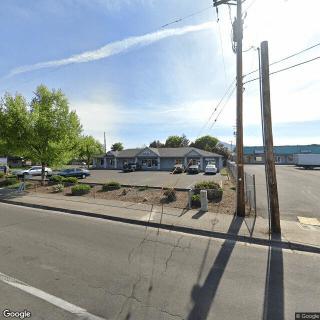

 Comprehensive Insights and Practical Strategies to Help Older Adults Avoid Falls
 6 Crucial Ways an Elder Law Attorney Assists Families
 Navigating the Tax Landscape of Caregiving: Credits, Deductions, and Beyond