Residents and families describe staff as caring and responsive in day-to-day situations.
Across the reviews, families repeatedly describe staff who are helpful, kind, and supportive—especially during move-in and adjustment. Several caregivers are singled out for handling urgent situations professionally and continuing to check in as needs change. A few reviews are sharply negative about communication, training, and how staff follow schedules, but even those comments still point to staff performance as a central issue.
common5 reviews mention this
Food is a frequent focus
Food stands out in both positive and negative reviews.
Many reviews praise meals as genuinely great, including comments that residents have enjoyed the food and that meals are handled with care. Others report the food arriving cold and describe problems with meal quality. A few notes also mention meal assistance as part of getting residents settled. Overall, dining experience is consistently discussed as a make-or-break detail.
common5 reviews mention this
Activities can vary a lot
Resident life includes activities, though some reviews say engagement has declined.
Positive reviews highlight plenty of activities and social engagement, with residents described as making friends and having things to do. One family also mentions that plans and programs helped support their loved one’s comfort and routine. Negative reviews describe reduced stimulation over time, including comments about residents staying in common areas and no longer having the engagement they expected. That split suggests activities may depend on the period and day-to-day execution.
differentiator4 reviews mention this
Memory care experience is discussed
Reviews specifically address how staff handle dementia and memory care needs.
Some families say the staff understands dementia and Alzheimer’s and support residents appropriately, including examples involving seizures and other cognitive or health changes. Other reviewers disagree, citing issues they connect to memory care training and conduct, including complaints about disrespect and care approach. The community offers specialized memory care programming and related support services, which aligns with how often memory care is mentioned in reviews. For families considering memory care, review themes suggest it’s a key area to ask about directly.
caveat6 reviews mention this
Training and staffing draw complaints
Several reviews raise concerns about staffing consistency and training.
A recurring negative theme is staffing coverage—reviews mention late arrivals, being understaffed, and difficulty tracking staff during urgent moments. Some comments also describe gaps in training, including concerns about how medication is handled and whether caregivers are prepared for residents’ needs. Another negative review describes problems with administration and communication, while at least a few others say things improved under new management and more training. Taken together, reviews suggest care quality depends heavily on staffing and operational readiness.
How we summarize
Counts show how many written reviews mention each theme; a review can touch several themes, and only frequently mentioned themes are displayed.
Features
Housing
78 resident community capacity
Types of Care
Assisted Living
Memory Care
Respite Care
Skilled Nursing Facility
Amenities
Air-conditioning
Beautician on-site
Beauty salon
Cable or satellite TV
Computer center
Dining room
Financial aid
Financing advice
Fitness room
Fully furnished
Gaming room
Garden
Home sale assistance
Housekeeping services
Kitchenette
Laundry
Move-in coordination
Outdoor space
Party space
Private bathrooms
Restaurant-style dining
Small library
TV room
Telephone
VA Benefits Consultation
Wellness center
Wi-Fi/high-speed internet available
Transportation
Portland International (24 miles away)
Community operated transportation
Transportation arrangement
Transportation arrangement (non-medical)
Transportation to doctors appointments
Care Services
12-16 hour nursing
24-hour call system
24-hour supervision
Activities of daily living assistance
Assistance with bathing
Assistance with dressing
Assistance with transfers
Diabetes diet
Meal preparation and service
Medication management
Mental wellness program
Mild cognitive impairment
Special dietary restrictions
Specialized memory care programming
Dining
Diabetes diet
Special dietary restrictions
Activities
Activities off-site
Community-sponsored activities
Concierge services
Educational speakers / life long learning
Fitness programs
Games
Live musical performances
Planned day trips
Religious services
Resident-run activities
Scheduled daily activities
Stories
Languages Spoken
English
Nearby Places of Interest
Restaurants
McDonald's (0.1 miles)
Great Northwest Ice Cream (2 miles)
McDonald's (7.5 miles)
Gales Creek Tavern (7.6 miles)
Park Lanes Family Entertainment Center (8.5 miles)
Front Row Bar & Grill (9 miles)
Taco Bell (9 miles)
Physicians
Dr Pace's Office (0.2 miles)
Clemens Oral Surgery (0.7 miles)
Mountainview Family Practice (0.7 miles)
Cascade Medical Boutique (5.1 miles)
Dr Chad Pfefer MD (5.2 miles)
Davis Catherina-General Surgeon (5.3 miles)
Hillsboro Orthopedic Clinic (5.3 miles)
Pharmacies
Hillsboro Pharmacy United Drugs (4.9 miles)
Hillsboro Pharmacy (5.4 miles)
Walgreens (5.5 miles)
CVS Pharmacy (6.5 miles)
Rite Aid (6.5 miles)
Walgreens (8.9 miles)
Fred Meyer Pharmacy (9.2 miles)
Hospitals
Tuality Community Hospital (5.4 miles)
Tuality Health Education Center (5.4 miles)
Cafes
Starbucks (6.6 miles)
Starbucks (7.5 miles)
Starbucks (8.3 miles)
Dutch Bros Coffee (8.9 miles)
Starbucks (9 miles)
Black Rock Coffee Bar (11.4 miles)
Aurora Coffeehouse PDX (14.5 miles)
Transportation
Hertz Car Rental - Hillsboro Airport (6.9 miles)
Hillsboro Airport (HIO) (6.9 miles)
TriMet Quatama/NW 205th Ave MAX Station (9.7 miles)
The Grove and The Gardens offer 24-hour supervision to ensure residents are safe and supported at all times, which is crucial for individuals with dementia or Alzheimer's disease who may require immediate assistance. Activities of daily living assistance, including help with bathing, dressing, and transfers, promotes independence while minimizing frustration related to cognitive challenges. Meal preparation and service tailored to individual dietary needs enhance both nutrition and enjoyment, supporting overall health. Medication management ensures that residents receive their medications correctly and on time, preventing complications that can arise from missed doses. The mental wellness program is designed to engage residents cognitively and emotionally, fostering a sense of purpose and connection in their daily lives. Additionally, specialized memory care programming addresses the unique needs of those with mild cognitive impairment or more advanced stages of dementia, providing activities and therapies that stimulate brain function while promoting social interaction in a safe environment.
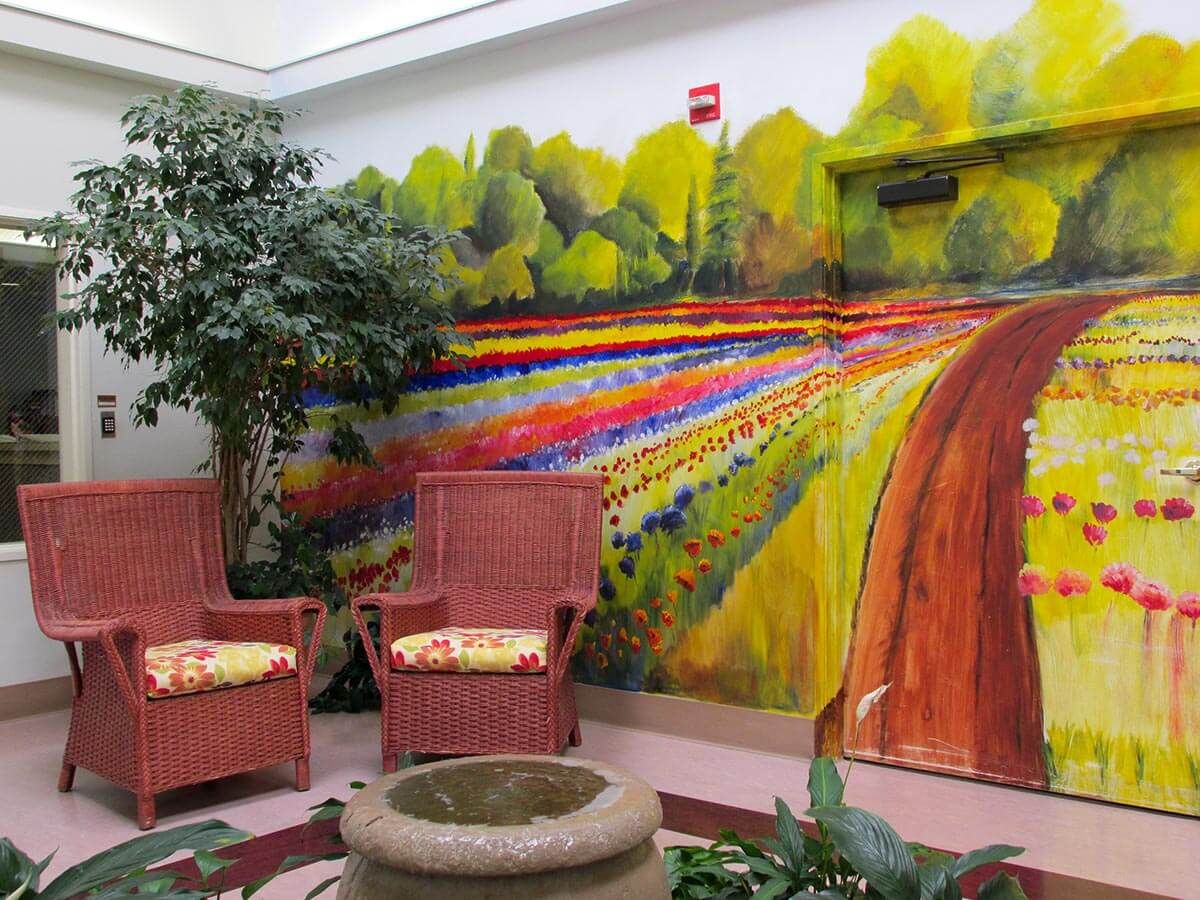
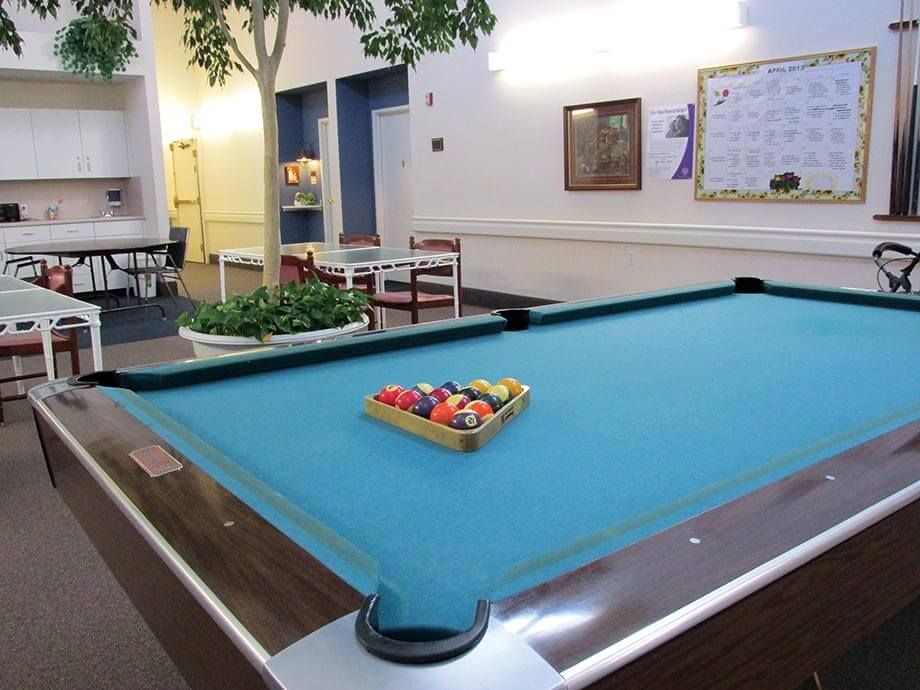
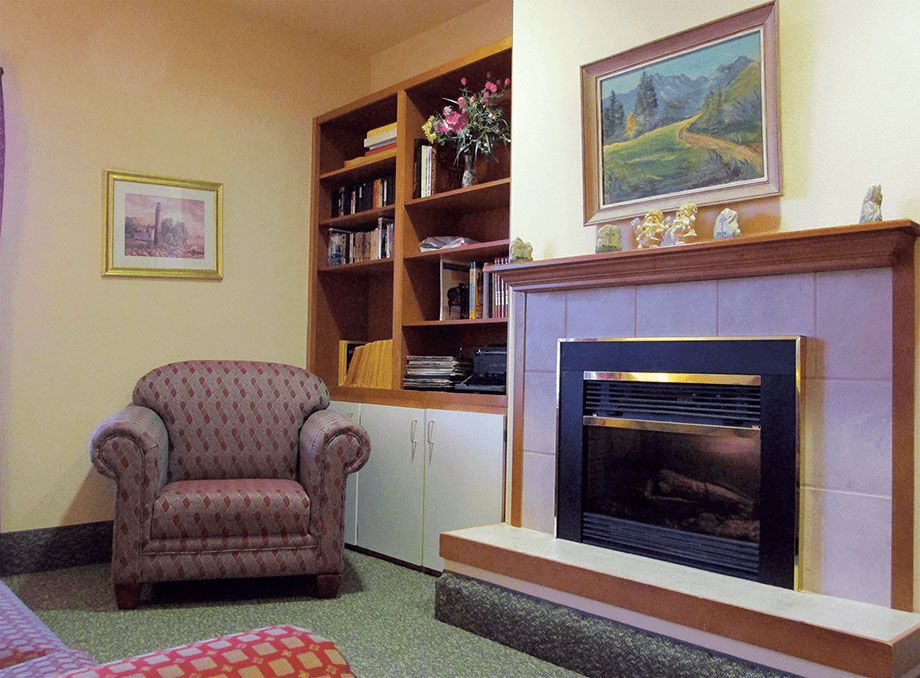
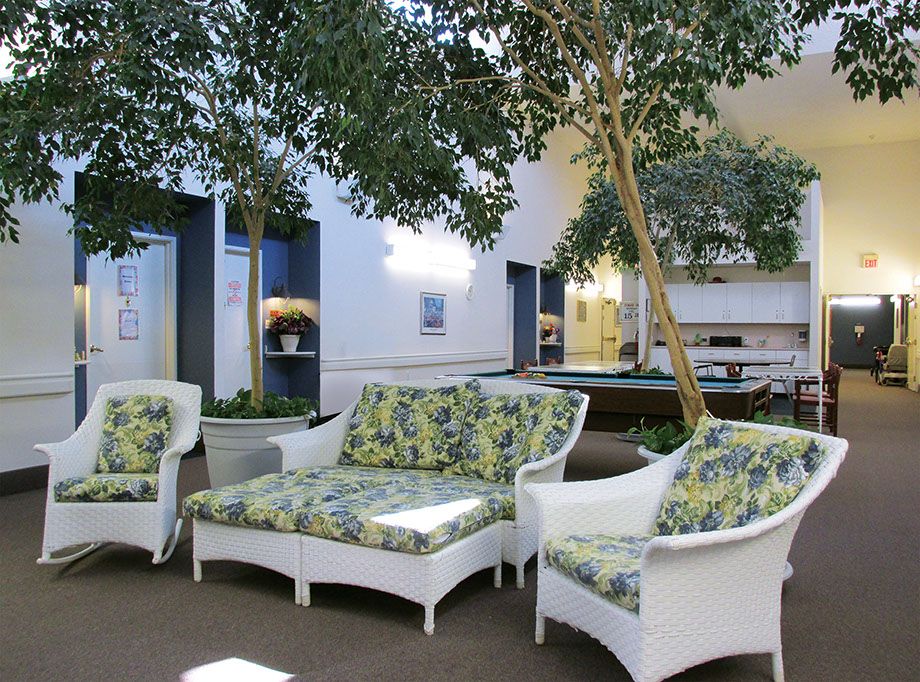
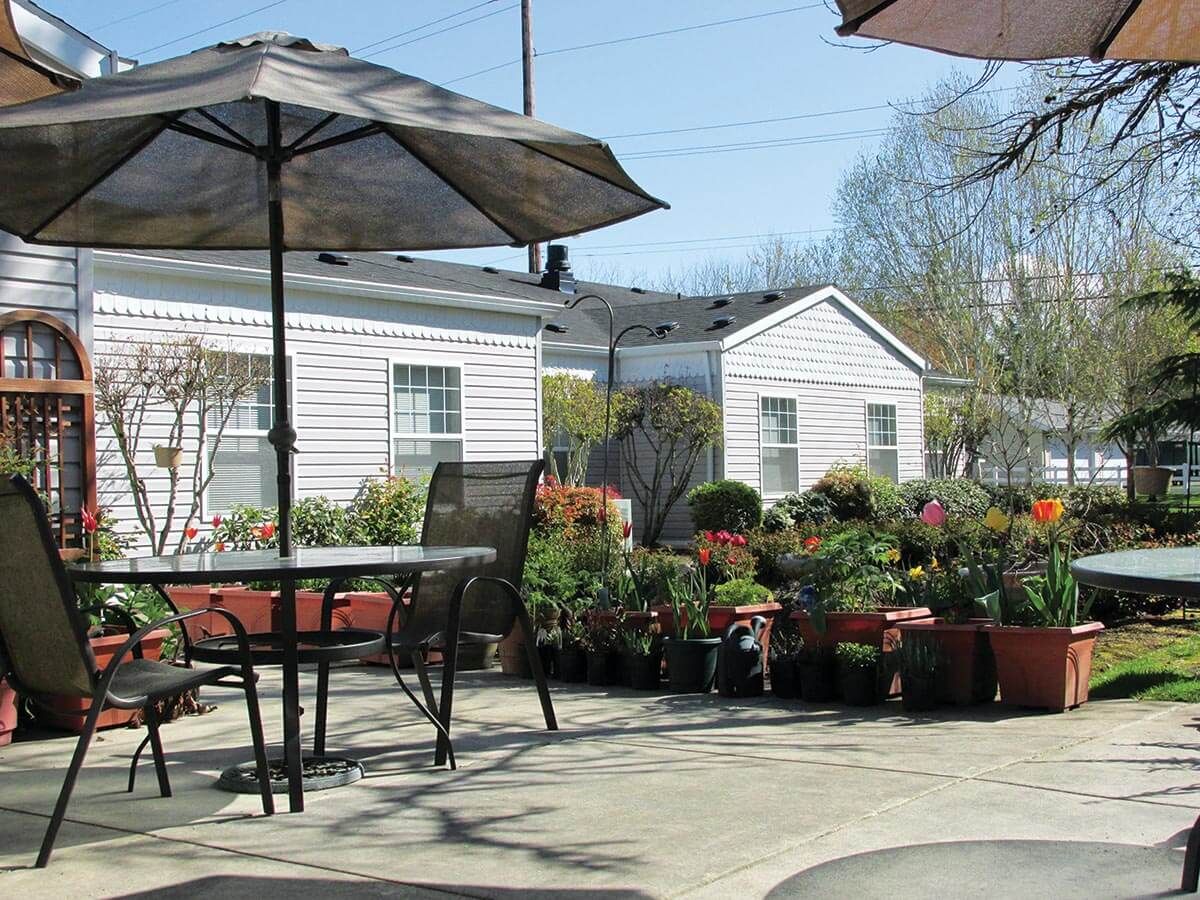
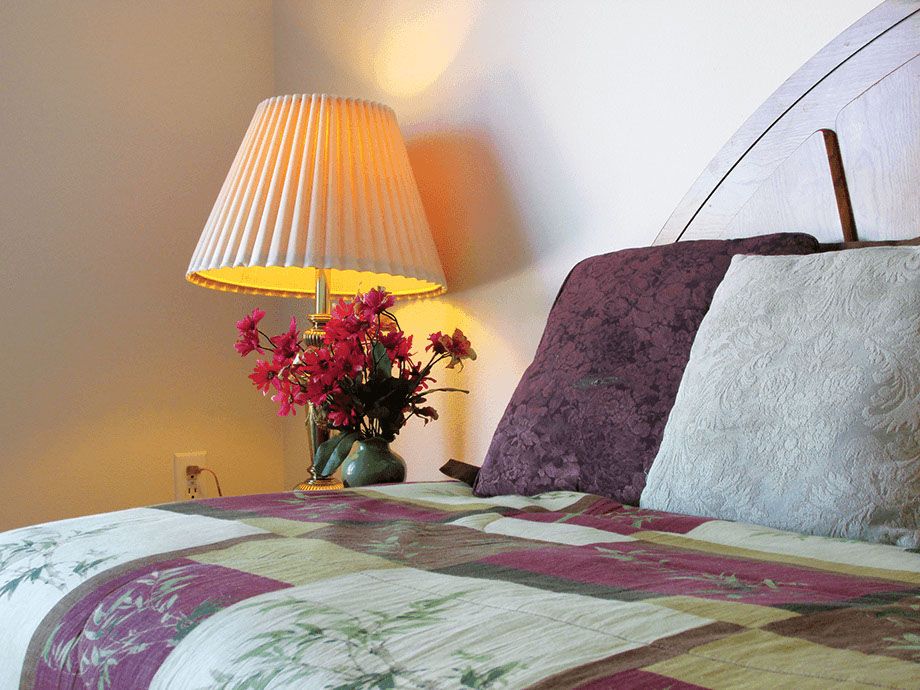
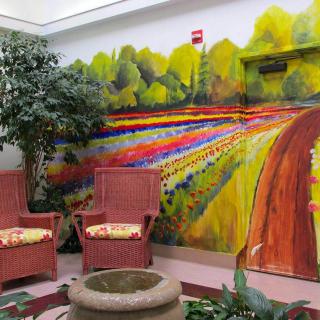
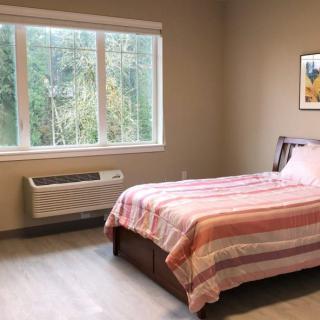
The Grove and The Gardens on seniors.fyi includes 7 photos including images showing indoor garden, seating area, artwork, billiards, interior, garden, bedroom, tree, and more.
Nearby Communities
Pacific Grove Memory Care
Forest Grove, OR
3.8 from 48 reviews
$3,675 to $5,900 / month
Caring staff with good family communication and engaging activities.
Competitive pricing with comprehensive care options (independent, assisted, and memory care) and extensive on-site amenities such as dining, transportation, fitness, and wellness.
Marquis Forest Grove Post Acute Rehab
Forest Grove, OR
3.3 from 19 reviews
Comprehensive amenities and 24-hour care (ADL assistance, medication management, diabetes diet) in a mid-sized, 63-bed community.
Marquis Care Forest Grove Post Acute Rehab
Forest Grove, OR
3.5 from 21 reviews
Attentive staff and dedicated therapists driving active rehabilitation.
Marquis Forest Grove Assisted Living
Forest Grove, OR
3 from 3 reviews
$3,691 to $4,723 / month
Good social environment with strong on-site amenities and supportive care services.
Prestige Forest Grove Rehabilitation and Care Center
Forest Grove, OR
4.2 from 69 reviews
Family advocacy prompted improved hygiene and comfort for the resident.
Tarkington Square Apartments
Hillsboro, OR
3.3 from 8 reviews
Great access to healthcare and nearby amenities.
Holi Senior Living
Hillsboro, OR
3.9 from 45 reviews
$4,750 to $5,750 / month
Friendly, caring staff in a clean, well-maintained setting.
The article highlights eight indicators that a loved one with dementia may require specialized memory care, emphasizing the emotional and logistical challenges families encounter in this decision. It discusses signs such as difficulties with daily tasks, safety concerns, and caregiver burnout, suggesting that memory care facilities can provide the necessary support and structured environments for those experiencing cognitive decline.
Dementia, primarily caused by Alzheimer's disease but also linked to other conditions, leads to cognitive decline impacting memory and daily functioning, with individuals experiencing varied awareness of their impairments. Despite memory loss, emotional connections persist, enabling responses to familiar stimuli, highlighting the need for caregivers to provide compassionate support that recognizes both limitations and retained emotional depth.
The article presents five subtle indicators of dementia, such as memory lapses and mood swings, to help families assess cognitive decline in loved ones. It emphasizes early detection, open communication, and seeking professional help while providing practical support steps.
Get PricingAsk A QuestionSchedule A TourContact Senior Advisor
By clicking submit, you agree to our Partner's Terms of Use. You
also consent to receive calls and texts, which may be autodialed, from our Partner. Your consent is not a condition to
using our Partner's service. Please visit our Partner's Privacy Policy for information about their privacy practices.






 78 resident community capacity
 Assisted Living
 Memory Care
 Respite Care
 Skilled Nursing Facility
 Air-conditioning
 Beautician on-site
 Cable or satellite TV
 Computer center
 Dining room
 Financial aid
 Fitness room
 Fully furnished
 Gaming room
 Garden
 Housekeeping services
 Kitchenette
 Laundry
 Move-in coordination
 Outdoor space
 Party space
 Private bathrooms
 Restaurant-style dining
 Small library
 Telephone
 Wellness center
 Wi-Fi/high-speed internet available
 Portland International (24 miles away)
 Community operated transportation
 12-16 hour nursing
 24-hour call system
 Activities of daily living assistance
 Assistance with bathing
 Assistance with dressing
 Assistance with transfers
 Diabetes diet
 Medication management
 Mental wellness program
 Special dietary restrictions
 Concierge services
 Educational speakers / life long learning
 Games
Games Live musical performances
 Planned day trips
 Religious services
 Stories
 English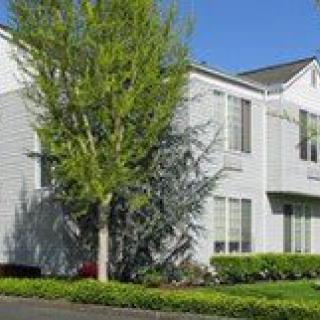
 Caring staff with good family communication and engaging activities.



 8 Important Indicators That Memory Care May Be Necessary
 Delving into the Inner World of Dementia: Insights into Thoughts and Awareness
 Five Subtle Dementia Indicators to Observe: An In-Depth Guide to Understanding “Does My Mom Have Dementia?”