

Marquis Forest Grove Post Acute Rehab

Save

  • Interior

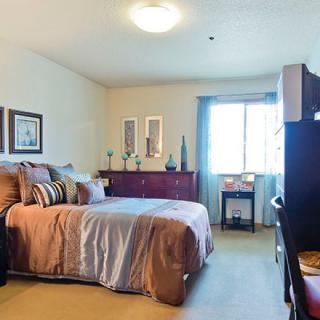
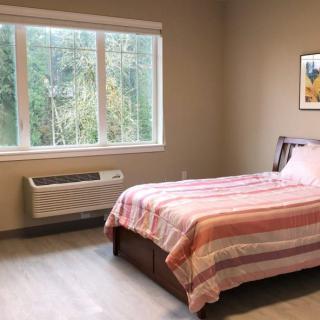
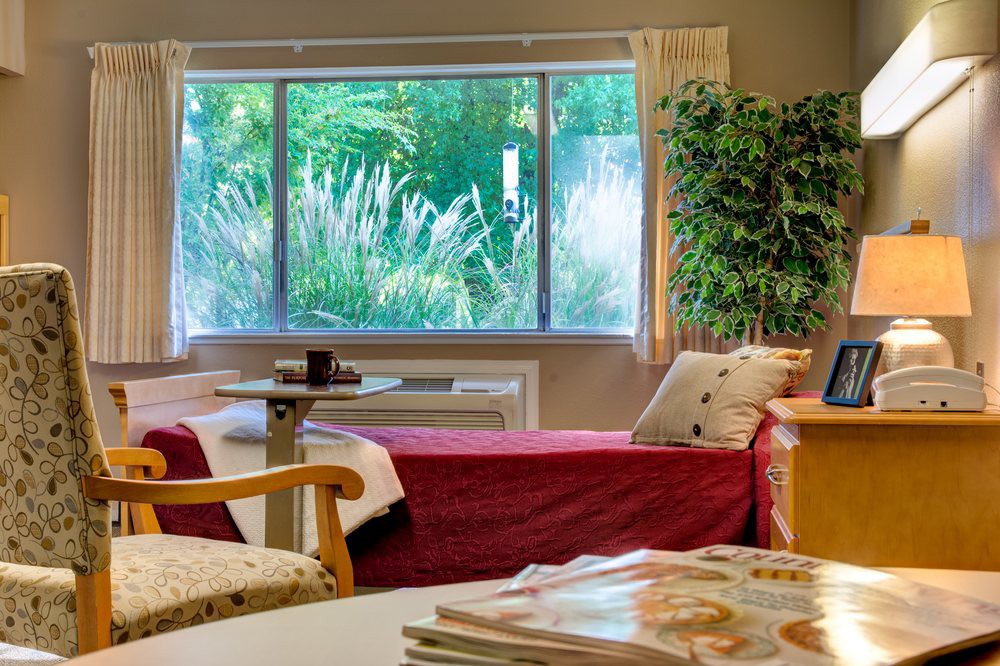
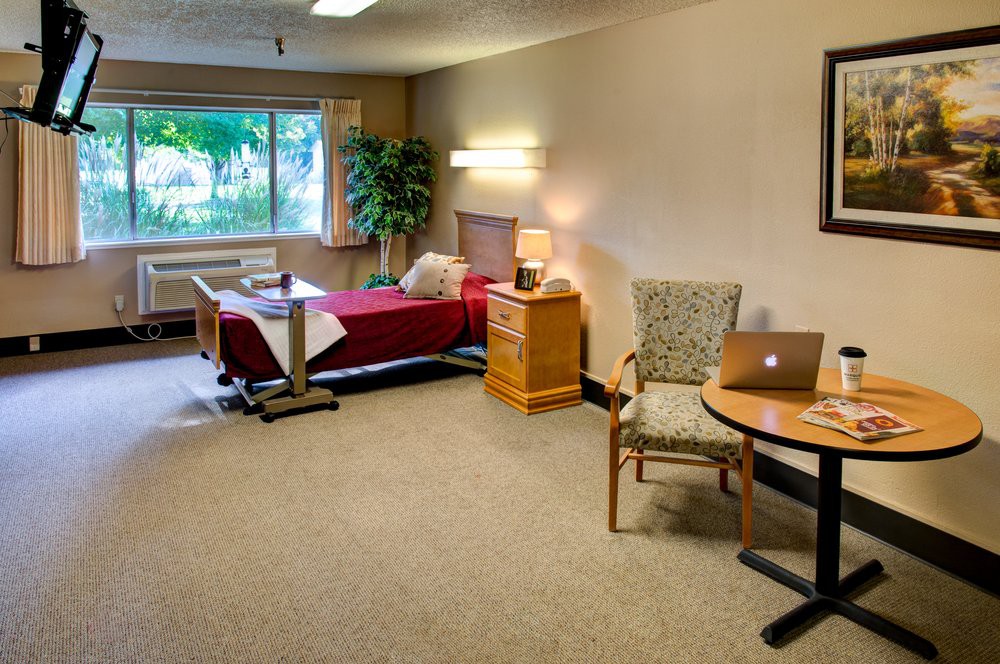
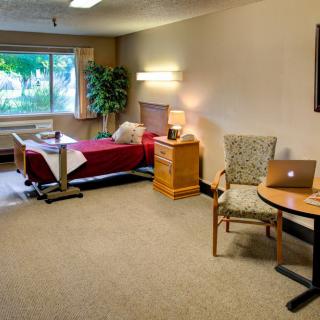
    A well-furnished hospital room featuring a bed, table, chair, and large window.
  • Outdoors

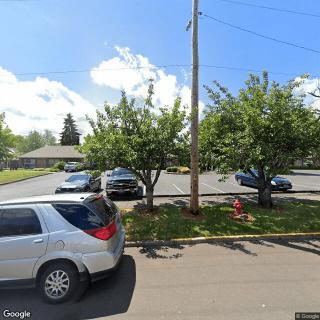
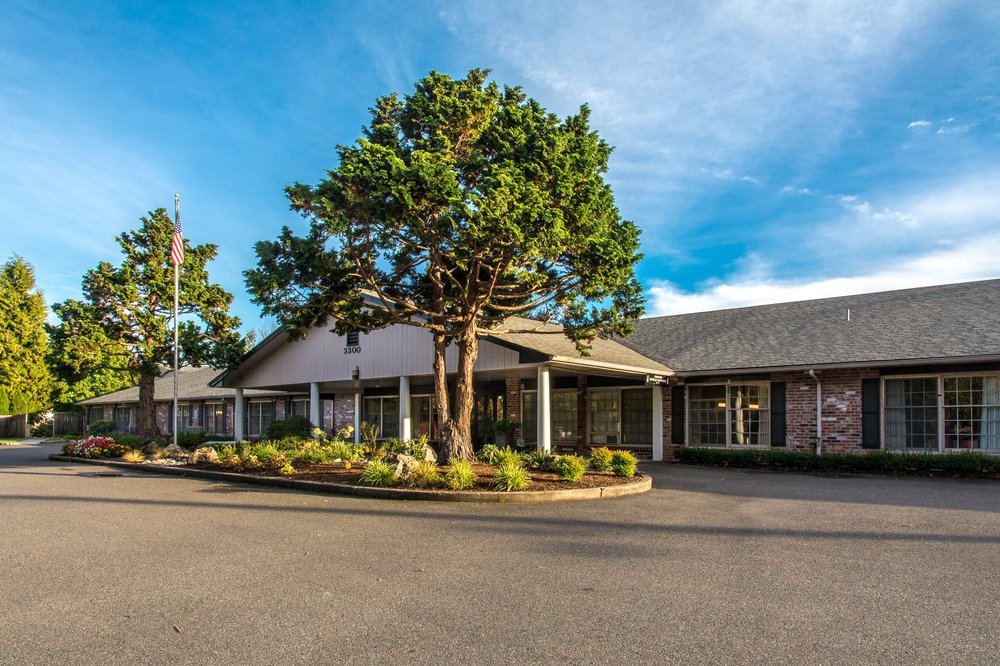
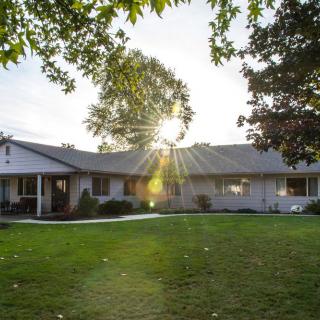
    A building with a tree in the foreground and a clear sky above.
  • Living Room

    A cozy living room with a large window allowing natural light to brighten the space, featuring a sofa adorned with pillows and a table with magazines.
  • Building

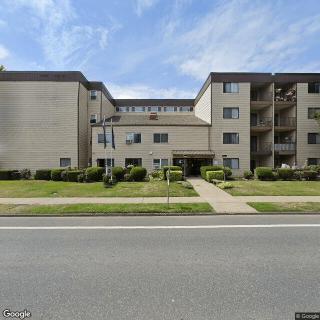
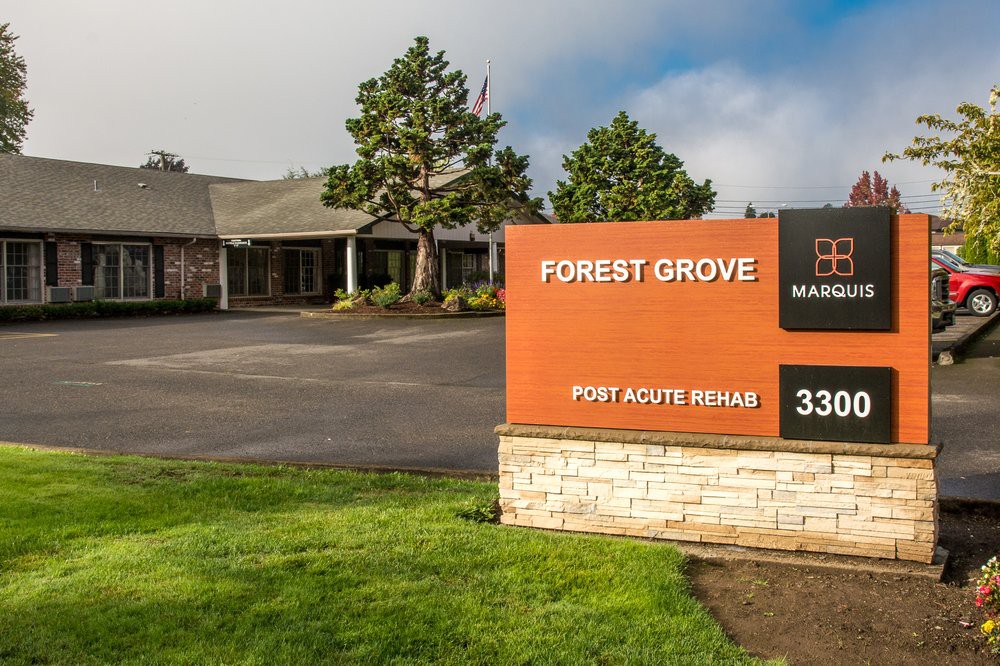
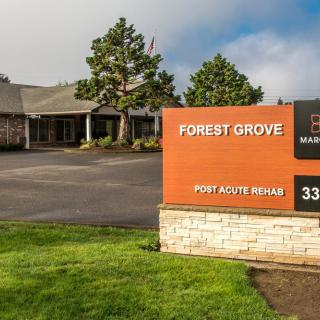
    Entrance to a commercial building with a prominent Forest Grove sign and well-maintained landscaping.
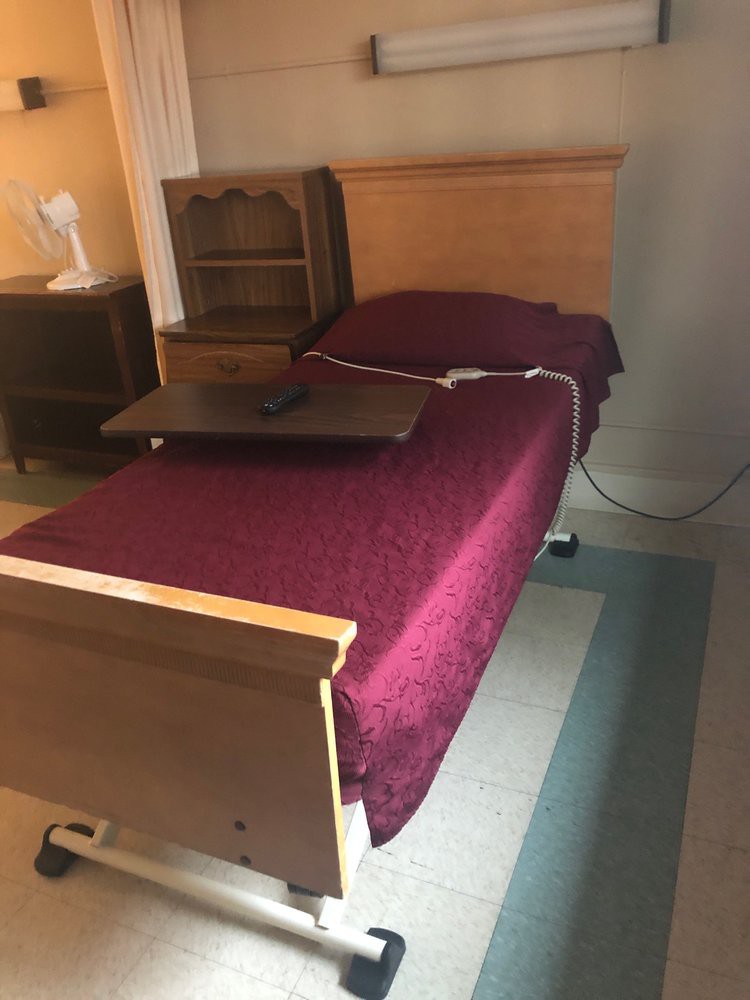
  • Bedroom

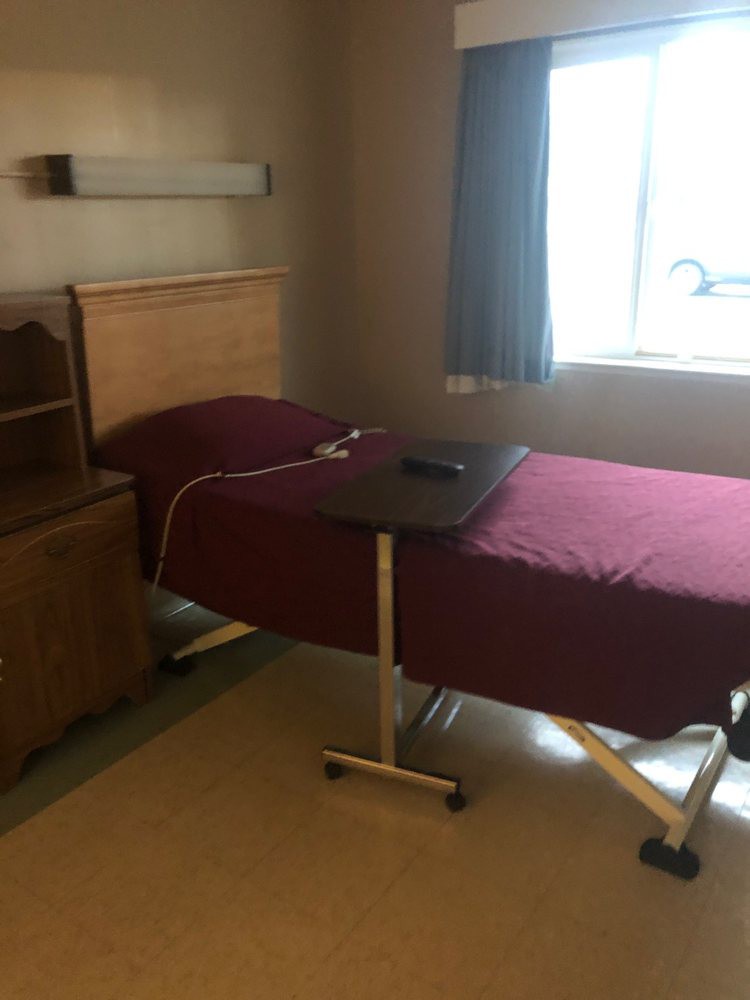
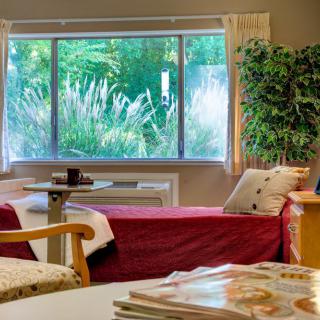
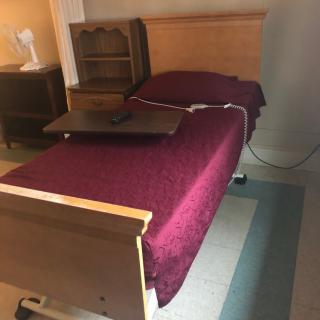
    A hospital bed with a burgundy cover and an adjustable side table in a room.
  • Trees

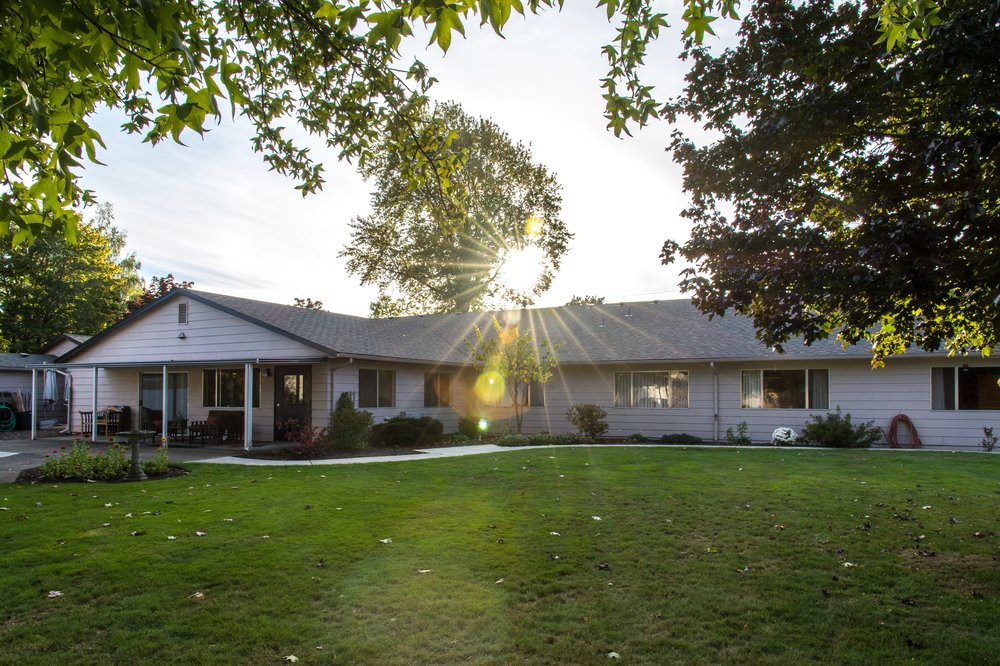
    A suburban house with a well-maintained lawn during sunset.
  • Windows

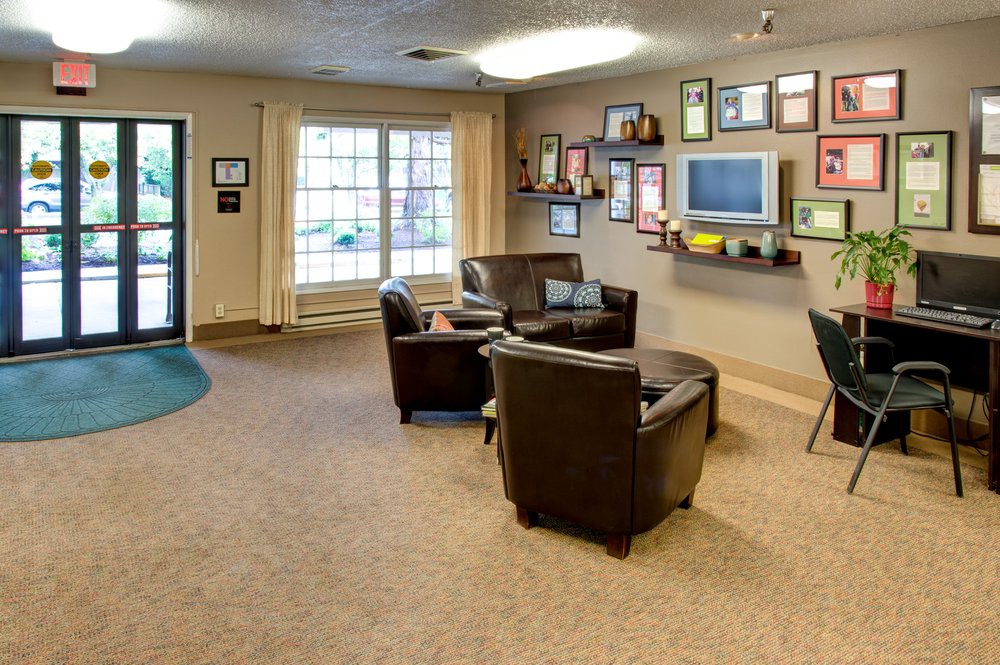
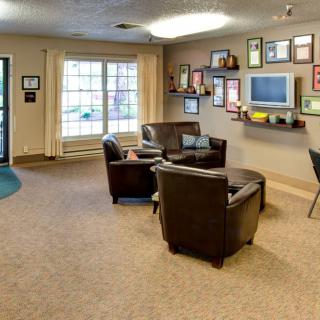
    A cozy waiting room with leather chairs, a television, and framed certificates on the wall.
  • Dining

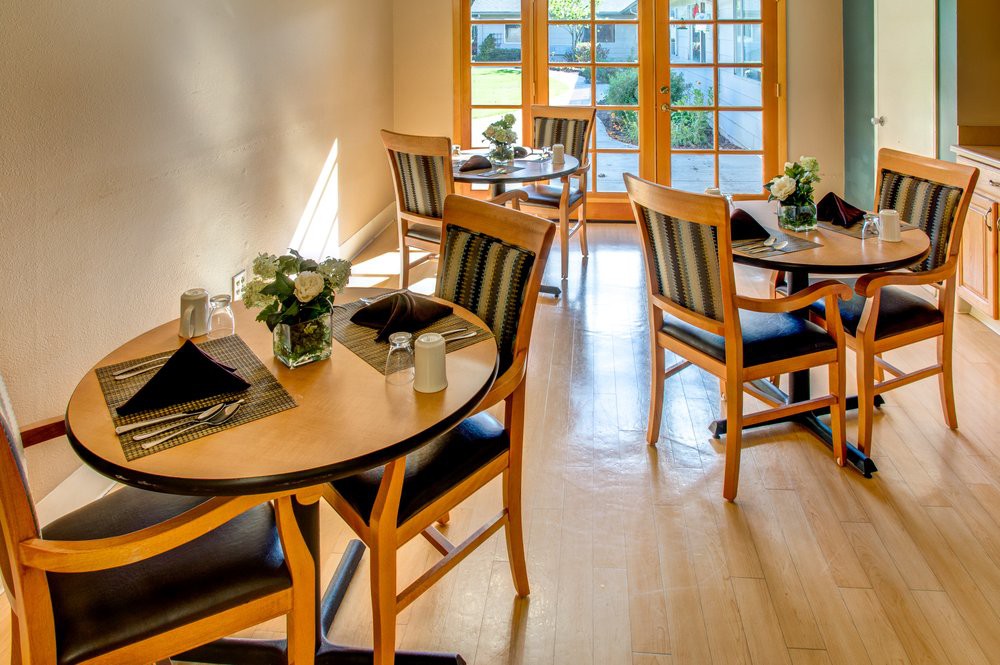
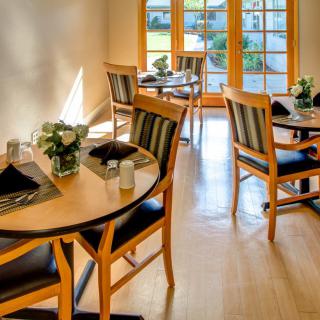
    A cozy restaurant dining area with wooden tables and chairs, well-lit by natural light.
  • Landscaping

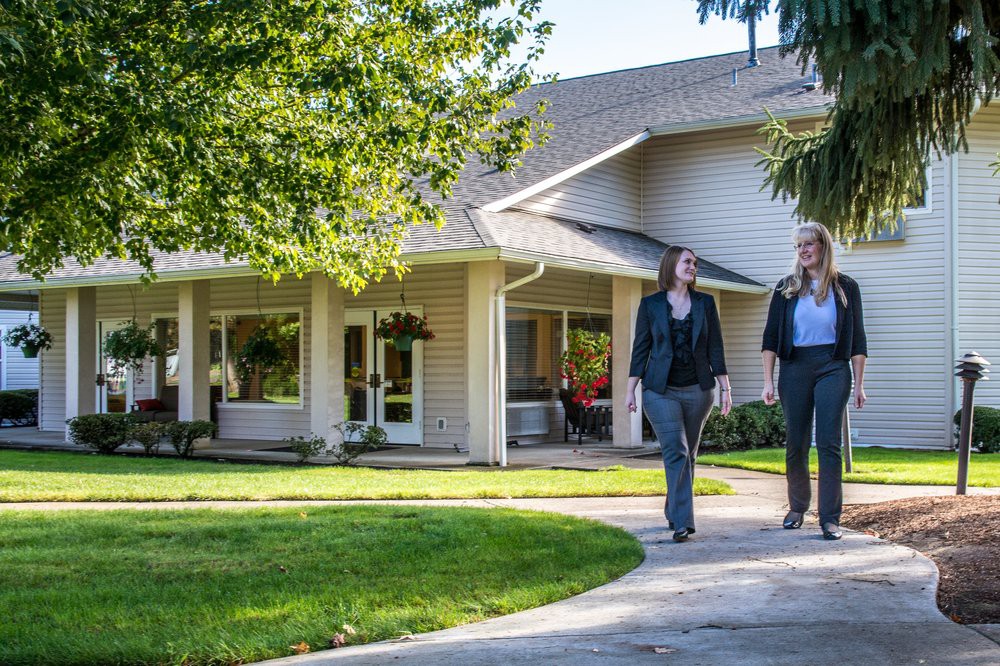
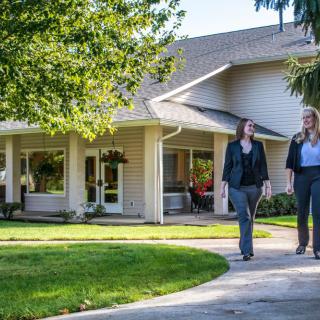
    Two people walking on a pathway in front of a house surrounded by greenery.
  • Garden

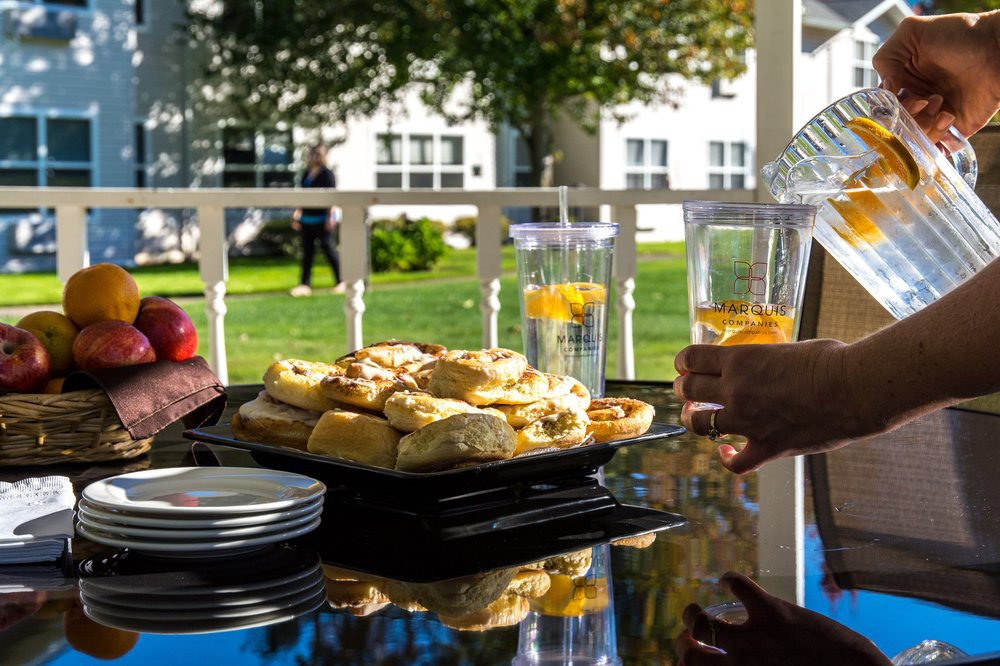
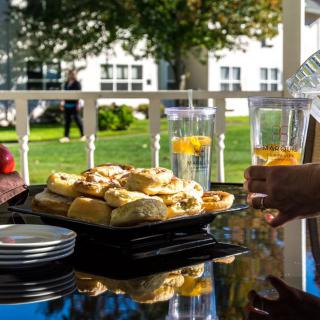
    A delightful outdoor setting featuring a plate of pastries and refreshing drinks, perfect for a summer afternoon.
  • Entrance

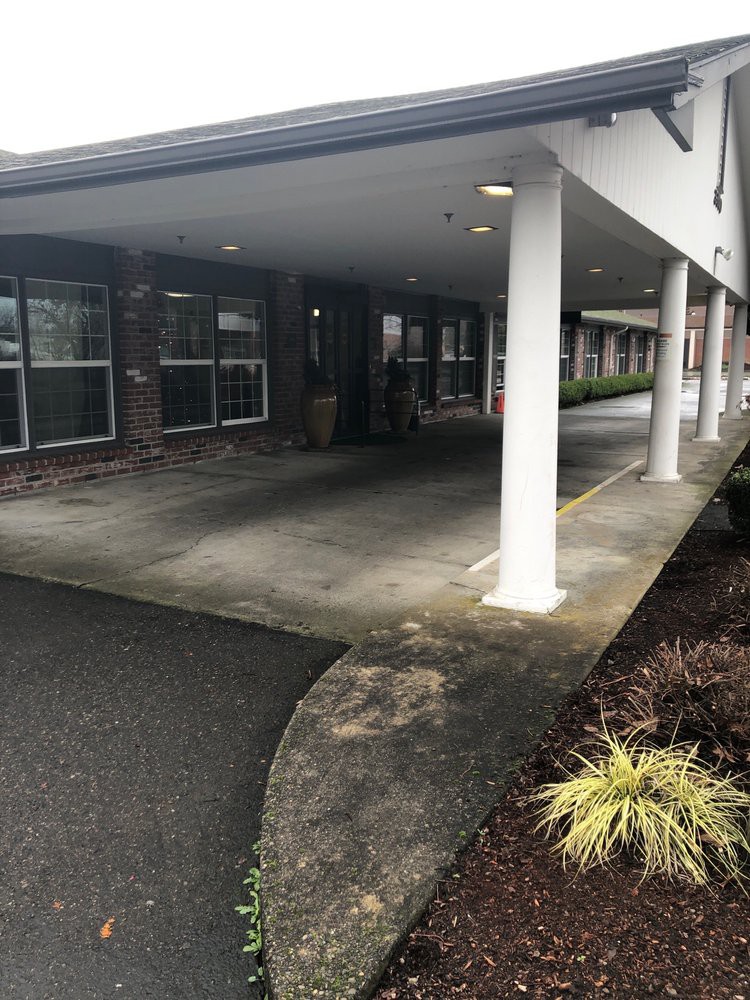
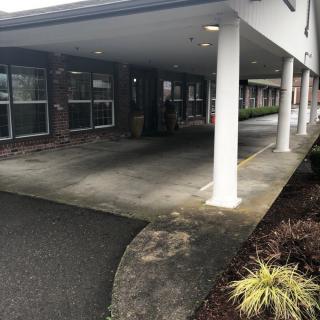
    A covered building entrance with white columns and landscaping.
  • Outdoor

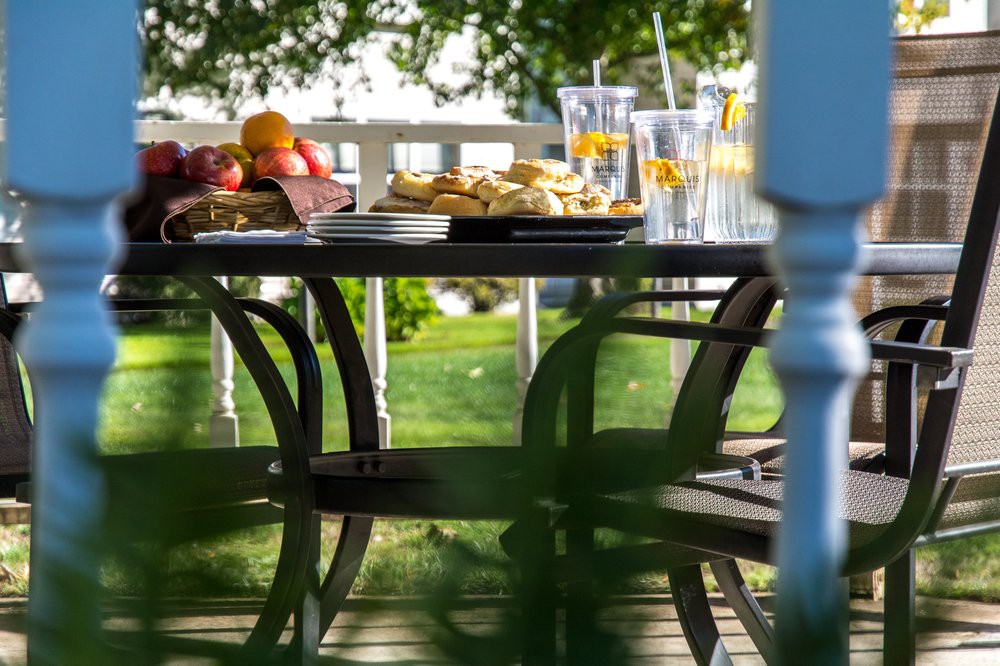
    An inviting outdoor table set with food and drinks, surrounded by a lush garden.
  • Pathway

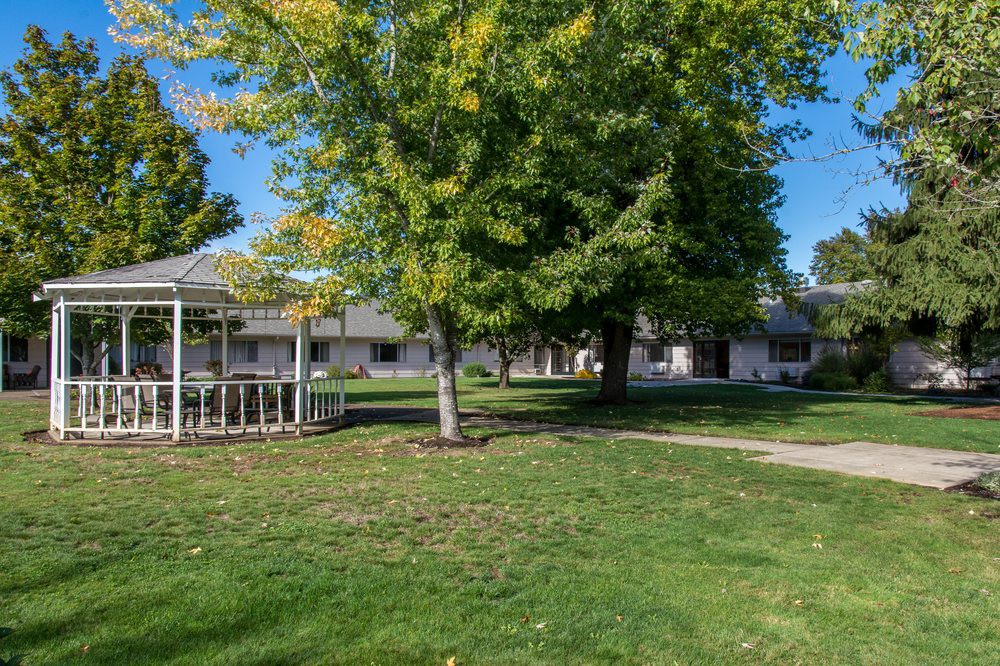
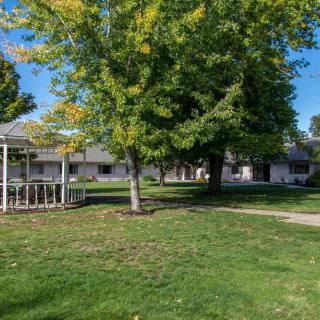
    A tranquil outdoor scene featuring a gazebo, lush green grass, and trees under a clear blue sky.
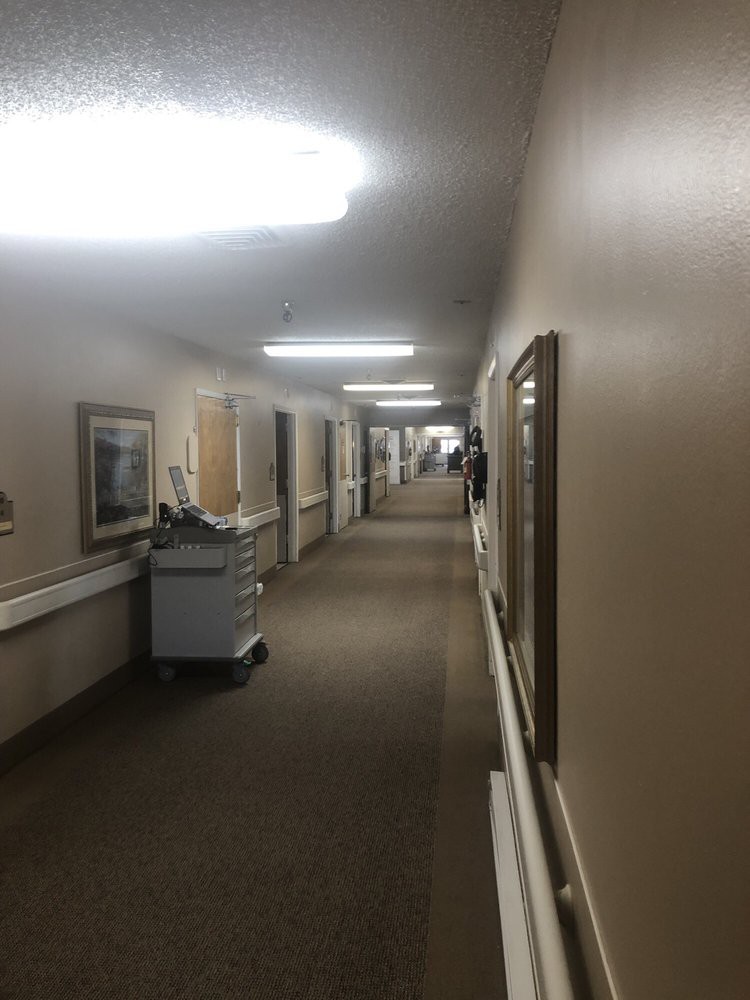
  • Hallway

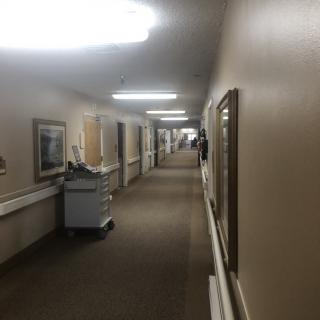
    A quiet hospital hallway with equipment and framed art on the walls.

Marquis Forest Grove Post Acute Rehab

3300 19Th Avenue, Forest Grove, OR 97116

For more information about senior living options: (844) 490-3973

3.3 from 19 reviews
5 stars
8
4 stars
3
3 stars
1
2 stars
1
1 stars
6

Skilled Nursing Facility

What level of care are you interested in?

Assisted Living

Memory Care

Independent Living

Skilled Nursing Facility

Continuing Care Retirement Community (CCRC)CCRC

Other


Request a tour at Marquis Forest Grove Post Acute Rehab

    Overall Review of Marquis Forest Grove Post Acute Rehab

    Pros

    • pro The reviewer described Marquis Forest Grove as a top notch facility.
    • pro The staff were awesome, friendly, and responsive to residents' needs.
    • pro The physical therapists were competent in their jobs.
    • pro The nursing staff were very helpful in addressing needs.
    • pro The PT crew did a great job assisting in recovery from back surgery.
    • pro Ro's kitchen staff did a good job preparing meals, with plates going back empty.
    • pro The intake experience and discharge were wonderful, with great communication and coordination.
    • pro Families praised the care and would highly recommend the facility.

    Cons

    • pro The staff were described as incompetent and uncaring.
    • pro They yelled at a patient to get up and do physical therapy.
    • pro There were not enough staff to adequately care for patients.
    • pro A personal blanket was lost after the patient asked not to launder it.
    • pro A nurse ignored the patient when they reported feeling unwell.
    • pro The halls smelled of urine.
    • pro Cleaning staff reused dirty gloves or rags on dirty facilities and guests' items.
    • pro The facility allegedly pushed sedating medications like Dilaudid on patients who refused them.

    Review

    Marquis Forest Grove comes across in these accounts as a facility with real strengths in rehabilitation, paired with troubling inconsistencies in staffing, hygiene, and patient safety. Some residents and families sing its praises for the rehab programs and the kindness of certain staff, while others describe scenes that raise serious red flags about day-to-day care, communication, and accountability.

    On the positive side, several reviewers highlight the effectiveness of the rehab experience. One patient who underwent a total knee replacement and a subsequent kneecap revision spent 10 days there and felt that the rehab he received exceeded what he had accomplished in three months at a local physical therapy facility. He attributed this to a particularly supportive and responsive staff, noting that "the employees are just awesome" and that the team was there when he needed them. Another reviewer, Pat W., praised the nursing staff for being helpful and responsive, the physical therapy team for doing a great job with back-surgery rehabilitation, and the kitchen crew for meals that left plates empty. The overall sentiment from several families is that, when the patients have attentive care and engaged therapists, outcomes can be notably positive, and some families report good communication and smooth discharge planning with doctors' appointments and transportation arranged for them.

    There are likewise consistently positive remarks about certain family members' experience with ongoing care. One reviewer described their father's stay as marked by friendly staff, good intake experiences, and meaningful participation in activities and dining rather than solitary time in a room. This person also emphasized strong communication and the facility's willingness to coordinate doctor visits and transportation, concluding with a strong endorsement. A caregiver for a mother noted compassionate treatment and suggested that anyone who might be overly critical could benefit from spending time in a skilled nursing facility to understand the realities of care. Taken together, these voices point to a subset of residents and families who felt heard, engaged, and satisfactorily supported during recovery and daily routines.

    However, the same facility is the target of other, more troubling experiences that raise questions about safety, staffing levels, and consistency across shifts. Several reviewers recount serious concerns about how patients are treated on admission and throughout their stay. One patient fell ill on arrival and reports being pressured to begin physical therapy before feeling ready, with comments indicating expectations to "get up and move" even when health status did not support it. The feedback notes insufficient staffing overall, with only one nurse described as genuinely kind, and complaints about limited walking opportunities - "one time a day to walk the hall" - despite a suggestion that more movement might be appropriate. Hygiene issues are a recurring theme in these accounts: mentions of two showers per week feel inadequate, and there are strong accusations about the cleanliness of common areas, including the smell of urine in the halls and gloves being used on dirty surfaces without proper replacement.

    There are also specific, distressing anecdotes about administrative and caregiving lapses. A prominent complaint concerns a lost personal item - a blanket - the reviewer believes was taken to laundry on the night of discharge and never recovered. The facility's response is described as inconsistent, with promises to cover a replacement failing to fully resolve the emotional loss. In another case, a patient's fear and distress were seemingly ignored by a nurse, culminating in the patient needing transport by ambulance to the hospital after feeling unwell, with a diagnosis of kidney stones. The sense conveyed by these stories is that, for some patients, basic comfort and timely attention to complaints or evolving health issues were not reliably upheld.

    Beyond everyday hygiene and caregiving challenges, there are allegations about how medications are managed. A reviewer claims that "the medication Dilaudid is a popular pill here," noted for its sedating effects and potential to render patients groggy or unresponsive. The critique suggests a pattern in which some residents who refuse certain medications are treated as if they lack agency, with caregivers attempting to push medications in a manner described as infantilizing. This, combined with reports of gloves and cleaning practices that may not meet basic infection-control standards, contributes to a perception of hazardous or unsafe conditions in some shifts.

    There is also a sobering account of a patient's relative - a grandmother - whose stroke recovery deteriorated after a hospitalization and admission to the facility. This reviewer reports that neurological changes were repeatedly overlooked or dismissed by staff, who claimed the patient was fine without performing neurological exams. Within days, another major stroke occurred, leaving the patient profoundly dependent and unlikely to return home. The family framed this experience as neglect, signaling a catastrophic failure in monitoring and timely intervention. This contrasts with other testimonials that describe compassionate, patient-focused care, underscoring how dramatically experiences can diverge from one resident to the next.

    The collection of reviews also includes meta-comments from families who question the reliability of online feedback itself, with questions about who monitors reviews and whether one legitimate, consistent experience exists. Several entries raise practical questions - such as whether the facility accepts Care Oregon - and one visitor even mentions their relative who remains lucid and young while currently in the facility, highlighting the diverse spectrum of residents. Meanwhile, other families reported being very satisfied with discharge planning, activities, and communication, while still acknowledging that the facility's overall performance appears to vary widely by shift, staff member, and perhaps patient condition.

    In sum, Marquis Forest Grove appears to offer the best of both worlds: robust rehabilitation programs and compassionate care from some staff members yield excellent outcomes for certain patients, with clear and measurable improvements in mobility, function, and daily living. At the same time, there are persistent and serious concerns about staffing sufficiency, hygiene practices, medication management, patient monitoring, and the handling of personal belongings and complaints. Prospective families and patients should approach the facility with a balanced view, asking pointed questions about staffing ratios, infection-control practices, medication policies, neurological monitoring, and the facility's processes for tracking and resolving patient concerns. If considering care here, it would be wise to visit multiple times, speak with both staff and families, review state inspection records, and ensure clear lines of communication with the care team to understand how the facility plans to address the kinds of issues raised in these accounts.

    Features

    Housing

    • 63 resident community capacity 63 resident community capacity

    Types of Care

    • Skilled Nursing Facility Skilled Nursing FacilitySkilled Nursing Facilities are crucial for seniors as they provide round-the-clock medical care, rehabilitation services, and assistance with daily activities. These facilities ensure that seniors receive the specialized care they need to maintain their health and well-being as they age.

    Amenities

    • Air-conditioning Air-conditioningAir conditioning is important for seniors as they are more vulnerable to heat-related illnesses and may have underlying health conditions that make it difficult for them to regulate their body temperature. It helps to keep them comfortable, safe, and healthy in hot weather.
    • Beauty salon Beauty salonBeauty salons are important for seniors because they provide a space for them to feel pampered, socialize, and maintain their personal grooming and hygiene. Regular visits to a beauty salon can help boost seniors' self-esteem and overall well-being.
    • Cable or satellite TV Cable or satellite TVCable or satellite TV is important for seniors because it provides entertainment, news, and companionship, helping to combat loneliness and boredom. It also offers a wide range of programming options tailored to different interests and preferences.
    • Computer center Computer centerA computer center is essential for seniors as it provides access to technology, communication tools, and resources that can enhance their daily lives. It allows them to stay connected with loved ones, engage in online activities, and learn new skills, ultimately promoting socialization and mental stimulation.
    • Dining room Dining roomDining rooms are important for seniors as they provide a space for socialization, connection, and nutritious meals. They offer opportunities for residents to bond over shared meals, foster a sense of community, and promote healthy eating habits. Dining rooms also ensure that seniors have access to well-balanced meals tailored to their dietary needs and preferences.
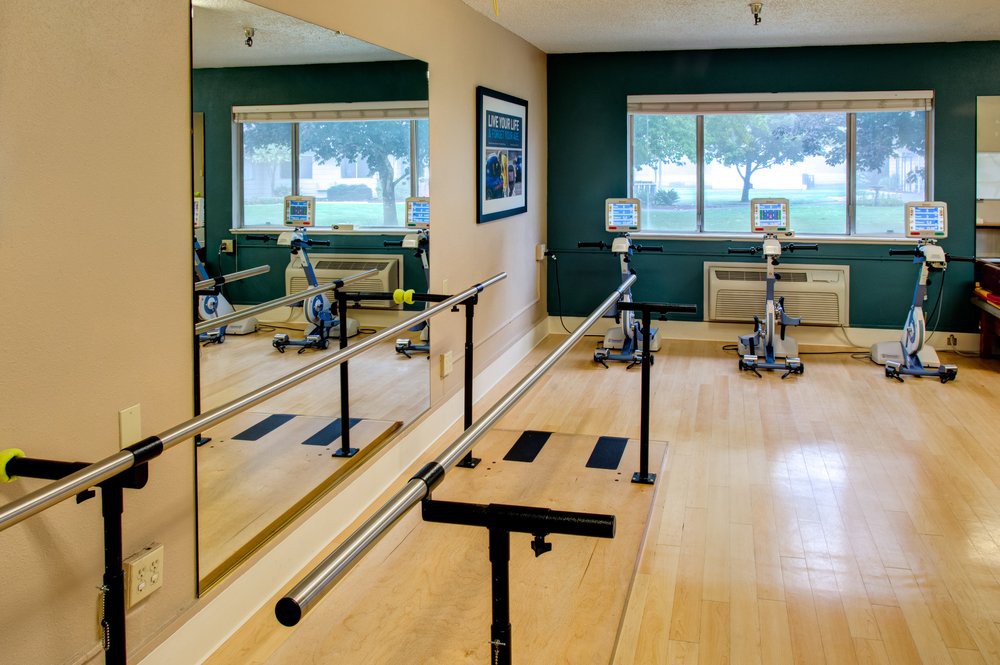
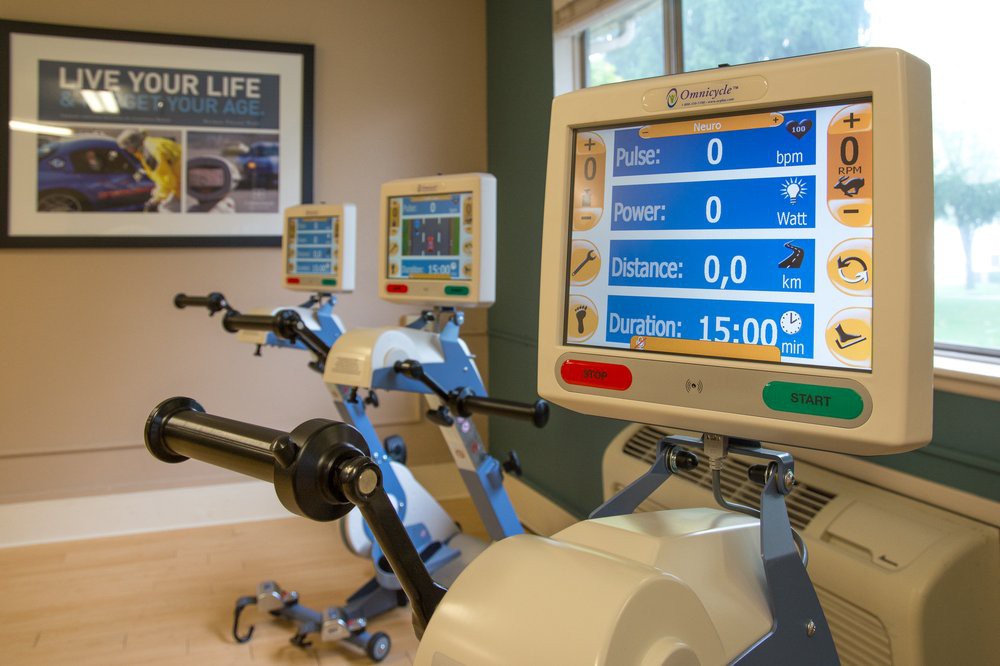
    • Fitness room Fitness roomHaving a fitness room in a senior living community is essential for seniors to stay active, maintain their physical health, and improve their overall well-being. Regular exercise can help prevent falls, reduce the risk of chronic diseases, and promote mental sharpness. It also provides social opportunities for residents to connect with others and enjoy a sense of community.
    • Fully furnished Fully furnishedFully furnished senior living communities are important for seniors because they provide convenience, comfort, and a hassle-free moving experience. Seniors can easily settle into their new living space without the stress of having to buy and move furniture. This allows them to focus on enjoying their new home and community.
    • Gaming room Gaming roomGaming rooms are important for seniors as they provide a fun and engaging environment for socializing, cognitive stimulation, and physical activity. Games can improve memory, problem-solving skills, and overall mental well-being while fostering friendships and reducing feelings of isolation.
    • Garden GardenGardens are important for seniors as they provide a peaceful and therapeutic environment for relaxation, physical activity, and socialization. Being in nature has been shown to reduce stress, improve mood, and promote overall well-being. Gardens also offer opportunities for seniors to engage in gardening activities, which can improve mobility, flexibility, and cognitive function. Additionally, gardens create a sense of community and connection with others who share a passion for plants and outdoor spaces.
    • Housekeeping services Housekeeping servicesHousekeeping services are important for seniors because they help maintain a clean and safe living environment, promote independence, and reduce the risk of accidents or illnesses. Additionally, having assistance with household chores can alleviate physical strain and allow seniors to focus on other aspects of their well-being.
    • Kitchenette KitchenetteKitchenettes are important for seniors living in senior living communities because they provide the convenience and independence of being able to prepare simple meals and snacks in the comfort of their own living space. This can help promote a sense of autonomy and well-being for seniors, allowing them to maintain some level of control over their dietary choices and daily routines.
    • Move-in coordination Move-in coordinationMove-in coordination is important for seniors because it helps ease the transition into their new living environment. It ensures that all logistics, such as packing, organizing movers, and setting up utilities are taken care of, allowing seniors to focus on settling in and adjusting to their new home. Having a smooth move-in process can alleviate stress and anxiety, making the transition smoother and more enjoyable for seniors.
    • Outdoor space Outdoor spaceOutdoor spaces are important for seniors as they provide opportunities for physical activity, social interaction, exposure to natural light and fresh air, and a sense of connection to nature. Having access to outdoor spaces can improve overall well-being and quality of life for older adults living in senior communities.
    • Private bathrooms Private bathroomsPrivate bathrooms are important for seniors in senior living communities because they provide independence, dignity, and comfort. Having a private bathroom allows seniors to maintain their personal hygiene routines without the need for assistance, promoting a sense of autonomy and privacy. Additionally, private bathrooms help prevent the spread of infections and provide a safe and clean environment for seniors to navigate safely.
    • Restaurant-style dining Restaurant-style diningRestaurant-style dining is important for seniors because it allows them to enjoy delicious, nutritious meals in a social and upscale setting. This enhances their dining experience, promotes healthy eating habits, and fosters socialization with fellow residents, ultimately contributing to their overall well-being and quality of life.
    • Small library Small librarySmall libraries are important for seniors as they provide access to a variety of reading materials, including books, newspapers, and magazines. This can help stimulate their minds, keep them engaged, and provide a sense of community through book clubs and other social activities. Additionally, reading has been shown to improve cognitive function and overall mental well-being in older adults.
    • Telephone TelephoneTelephones are important for seniors as they provide a lifeline for communication with loved ones, emergency services, and healthcare providers. They offer a sense of security and independence, enabling seniors to stay connected and access assistance when needed.
    • Wellness center Wellness centerWellness centers are important for seniors because they offer a variety of programs and services that promote physical, mental, and emotional well-being. These centers provide opportunities for exercise, socialization, education, and relaxation, helping seniors maintain their overall health and quality of life.
    • Wi-Fi/high-speed internet available Wi-Fi/high-speed internet availableWi-Fi/high-speed internet is important for seniors to stay connected with loved ones, access online resources, and participate in virtual activities to combat feelings of loneliness and isolation. It also allows them to easily manage healthcare needs, access entertainment, and engage in lifelong learning opportunities.

    Transportation

    • Portland International (24 miles away) Portland International (24 miles away)
    • Community operated transportation Community operated transportationCommunity operated transportation is crucial for seniors as it provides them with the means to access essential services, social activities, and medical appointments. It allows seniors to maintain their independence and quality of life by ensuring they can participate in activities outside of their homes. Additionally, community-operated transportation services offer a safe and reliable way for seniors to travel without having to rely on family or friends for assistance.
    • Transportation arrangement Transportation arrangementTransportation arrangements are crucial for seniors as they may face challenges with driving, mobility, or access to public transportation. Having reliable transportation services ensures that seniors can easily attend appointments, social activities, and maintain their independence and quality of life.
    • Transportation arrangement (non-medical) Transportation arrangement (non-medical)Transportation arrangements are essential for seniors as they provide access to essential services, activities, and social interactions outside the home. This service helps maintain independence, mobility, and overall well-being for seniors who may have limited transportation options.
    • Transportation to doctors appointments Transportation to doctors appointmentsTransportation to doctors appointments is crucial for seniors as it ensures they have access to necessary medical care and support, promoting their health and well-being. It allows them to receive timely treatment, monitor existing conditions, and address any new health concerns efficiently. Additionally, transportation services can help seniors maintain their independence and quality of life by enabling them to stay connected with their healthcare providers.

    Care Services

    • 12-16 hour nursing 12-16 hour nursing12-16 hour nursing care is crucial for seniors in order to ensure around-the-clock monitoring, timely medication administration, and prompt response to any health concerns or emergencies. This level of care helps to promote the overall well-being and safety of seniors living in senior living communities.
    • 24-hour call system 24-hour call system24-hour call systems are important for seniors because they provide peace of mind and immediate assistance in case of emergencies. This technology ensures that help is always available, promoting safety and security for elderly individuals living alone or in assisted living facilities.
    • 24-hour supervision 24-hour supervision24-hour supervision is important for seniors to ensure their safety, well-being, and access to immediate assistance in case of emergencies or health issues. This constant support provides peace of mind for both seniors and their loved ones, allowing them to age in place with dignity and security.
    • Activities of daily living assistance Activities of daily living assistanceActivities of daily living assistance are important for seniors because they provide essential support with tasks such as eating, bathing, dressing, and mobility. This assistance helps seniors maintain their independence, dignity, and overall quality of life as they age.
    • Assistance with bathing Assistance with bathingAssistance with bathing is crucial for seniors as it helps maintain personal hygiene, prevents infections, and ensures their overall well-being and comfort. It also provides a sense of dignity and independence for seniors who may struggle with this task on their own.
    • Assistance with dressing Assistance with dressingAssistance with dressing is important for seniors because it helps maintain their independence, promotes personal hygiene, prevents accidents and injuries, and improves overall quality of life. This service ensures that seniors can continue to dress comfortably and confidently, despite any physical limitations they may have.
    • Assistance with transfers Assistance with transfersAssistance with transfers is crucial for seniors as it helps prevent falls and injuries, maintains their independence, and ensures they can safely navigate their living environment. It also provides peace of mind for both seniors and their loved ones.
    • Diabetes diet Diabetes dietA diabetes diet is crucial for seniors as it helps manage blood sugar levels, reduce risks of complications, and improve overall health and well-being. By following a balanced and nutritious diet tailored to their specific needs, seniors can better control their diabetes and enhance their quality of life.
    • Meal preparation and service Meal preparation and serviceMeal preparation and service are crucial for seniors as they may have limited mobility or energy to cook nutritious meals. Having access to healthy and convenient food options can ensure they are getting the proper nutrition needed to maintain their overall health and well-being.
    • Medication management Medication managementMedication management is crucial for seniors to ensure they are taking the right medications at the correct dosages and times. This helps prevent adverse drug interactions, reduces the risk of medication errors, and promotes overall health and well-being. Proactive management also allows for adjustments as needed based on changing health conditions or new prescriptions.
    • Mental wellness program Mental wellness programMental wellness programs are essential for seniors as they promote cognitive stimulation, emotional support, and social engagement. These programs help prevent isolation, depression, and cognitive decline, ultimately enhancing the overall quality of life for older adults.
    • Special dietary restrictions Special dietary restrictionsSpecial dietary restrictions are important for seniors because age-related changes in metabolism and health conditions can make it difficult for their bodies to process certain foods. By following a diet tailored to their specific needs, seniors can maintain their overall health and well-being, manage chronic conditions, and reduce the risk of complications such as malnutrition or food interactions with medications.

    Dining

    • Diabetes diet Diabetes dietA diabetes diet is crucial for seniors as it helps manage blood sugar levels, reduce risks of complications, and improve overall health and well-being. By following a balanced and nutritious diet tailored to their specific needs, seniors can better control their diabetes and enhance their quality of life.
    • Special dietary restrictions Special dietary restrictionsSpecial dietary restrictions are important for seniors because age-related changes in metabolism and health conditions can make it difficult for their bodies to process certain foods. By following a diet tailored to their specific needs, seniors can maintain their overall health and well-being, manage chronic conditions, and reduce the risk of complications such as malnutrition or food interactions with medications.

    Activities

    • Community-sponsored activities Community-sponsored activitiesCommunity-sponsored activities are important for seniors as they provide opportunities for social interaction, mental stimulation, and physical activity. These activities can help improve overall well-being, combat loneliness and isolation, and promote a sense of belonging and purpose among older adults.
    • Concierge services Concierge servicesConcierge services are essential for seniors as they provide assistance with daily tasks and errands, enhance their quality of life by offering convenience and personalized care, and promote a sense of safety and security.
    • Fitness programs Fitness programsFitness programs are crucial for seniors as they help improve strength, flexibility, balance, and overall well-being. Staying active can reduce the risk of chronic diseases, improve mental health, and enhance quality of life in older adults.
    • Planned day trips Planned day tripsPlanned day trips are important for seniors because they offer opportunities for socialization, mental stimulation, and physical activity. They provide a change of scenery and help seniors stay engaged and connected to their community, promoting overall well-being and quality of life.
    • Resident-run activities Resident-run activitiesResident-run activities are important for seniors as they encourage social interaction, creativity, and a sense of autonomy. These activities empower seniors to stay engaged and active in their community while fostering meaningful connections with their peers.
    • Scheduled daily activities Scheduled daily activitiesScheduled daily activities are important for seniors because they provide structure, socialization, mental stimulation, and physical activity. Engaging in regular activities can improve overall well-being and quality of life for seniors living in a community setting.

    Description

    Marquis Forest Grove Post Acute Rehab is an assisted living community located in Forest Grove, Oregon. The community offers a wide range of amenities and care services to cater to the needs of its residents.

    Amenities at Marquis Forest Grove include a beauty salon where residents can pamper themselves, cable or satellite TV for entertainment, and a computer center for internet access. Community-operated transportation is available for outings and appointments, ensuring residents can easily get around. The community also features a dining room where restaurant-style meals are served, allowing residents to enjoy delicious and nutritious food together.

    For recreational activities, Marquis Forest Grove provides various options. Residents can stay active in the fitness room or engage in games at the gaming room. There is also a small library where residents can relax with a good book. Outdoor space and gardens provide a peaceful environment for relaxation and enjoying nature. Wi-Fi/high-speed internet is available throughout the community for those who want to stay connected.

    In terms of care services, Marquis Forest Grove ensures that residents receive 24-hour supervision and assistance with activities of daily living such as bathing, dressing, and transfers. Medication management is provided to ensure proper administration of medications. A mental wellness program is available to support the emotional well-being of residents.

    Special dietary restrictions are accommodated at Marquis Forest Grove, with diabetes diet options and meal preparation services provided. Transportation arrangements are made for non-medical purposes as well as doctors' appointments.

    To promote socialization and engagement within the community, various activities are organized. Concierge services are available to assist residents with any needs or requests they may have. Fitness programs help keep residents active and healthy. Planned day trips offer opportunities for exploration outside of the community, while resident-run activities allow individuals to participate in hobbies they enjoy. Scheduled daily activities provide further opportunities for social interaction and stimulation.

    Additionally, Marquis Forest Grove is conveniently located near pharmacies, physicians' offices, and restaurants, ensuring easy access to essential services and dining options.

    Overall, Marquis Forest Grove Post Acute Rehab offers a comprehensive range of amenities and care services to create a comfortable and enriching assisted living community for its residents.

    Nearby Places of Interest

    Physicians

    • Dr Pace's Office (0.1 miles)
    • Mountainview Family Practice (0.7 miles)
    • Clemens Oral Surgery (0.7 miles)
    • Cascade Medical Boutique (5.1 miles)
    • Dr Chad Pfefer MD (5.2 miles)
    • Davis Catherina-General Surgeon (5.3 miles)
    • Hillsboro Orthopedic Clinic (5.3 miles)

    Restaurants

    • McDonald's (0.2 miles)
    • Great Northwest Ice Cream (2.1 miles)
    • McDonald's (7.6 miles)
    • Gales Creek Tavern (7.7 miles)
    • Park Lanes Family Entertainment Center (8.5 miles)
    • Front Row Bar & Grill (9.1 miles)
    • Taco Bell (9.1 miles)

    Pharmacies

    • Hillsboro Pharmacy United Drugs (5 miles)
    • Hillsboro Pharmacy (5.4 miles)
    • Walgreens (5.6 miles)
    • CVS Pharmacy (6.4 miles)
    • Rite Aid (6.5 miles)
    • Walgreens (8.9 miles)
    • Fred Meyer Pharmacy (9.3 miles)

    Hospitals

    • Tuality Community Hospital (5.4 miles)
    • Tuality Health Education Center (5.5 miles)

    Cafes

    • Starbucks (6.5 miles)
    • Starbucks (7.5 miles)
    • Starbucks (8.4 miles)
    • Dutch Bros Coffee (8.9 miles)
    • Starbucks (9 miles)
    • Black Rock Coffee Bar (11.4 miles)
    • Aurora Coffeehouse PDX (14.5 miles)

    Transportation

    • Hertz Car Rental - Hillsboro Airport (6.9 miles)
    • Hillsboro Airport (HIO) (7 miles)
    • TriMet Quatama/NW 205th Ave MAX Station (9.7 miles)
    • Beaverton Creek MAX Station (12.5 miles)
    • Sunset Transit Center (14.9 miles)

    Parks

    • Orenco Woods Nature Park (8.8 miles)
    • Hondo Dog Park (9 miles)
    • Tamarack Park (9 miles)
    • Butternut Creek Park (9.5 miles)
    • Butternut Park (10.7 miles)
    • Granada Park (11.5 miles)
    • Burntwood West Upper Park (12.1 miles)

    Theaters

    • Regal Evergreen Parkway & RPX (10.6 miles)
    • Century Theater Cedarhill (13.5 miles)

    Frequently Asked Questions

    Where is Marquis Forest Grove Post Acute Rehab?
    What photos are available for Marquis Forest Grove Post Acute Rehab in Forest Grove, Oregon?

    Nearby Communities

    Related Resources

    • home care aideHome Health Care Aides: Understanding Their Role and Supporting Your Family

      Home health care aides provide vital medical and non-medical support to individuals at home, assisting with daily living activities and promoting emotional well-being, while the demand for these services increases due to an aging population. Families benefit from in-home care's flexibility and cost-effectiveness but face challenges like scheduling consistency and caregiver turnover.

    • uti in elderlyUrinary Tract Infections in Older Adults: Comprehensive Insights on Symptoms, Treatment, and Prevention

      Older adults with urinary tract infections (UTIs) often present atypical symptoms, complicating diagnosis due to factors like incomplete bladder emptying and chronic health conditions that increase their susceptibility. Effective management involves prompt treatment with antibiotics, hydration, and preventive strategies while minimizing antibiotic resistance and focusing on holistic care approaches.

    • 602 formCalifornia's Form 602A: An In-Depth Examination of Senior Care Assessment
      California's Form 602A is a vital tool for evaluating the health needs of seniors seeking residential care, detailing their medical conditions and daily living requirements to ensure proper service alignment. This standardized form enhances communication among physicians, families, and facilities, serving as a regulatory measure for admissions and ongoing care while adapting to changing healthcare practices.


    Get Pricing Ask A Question Schedule A Tour Contact Senior Advisor