
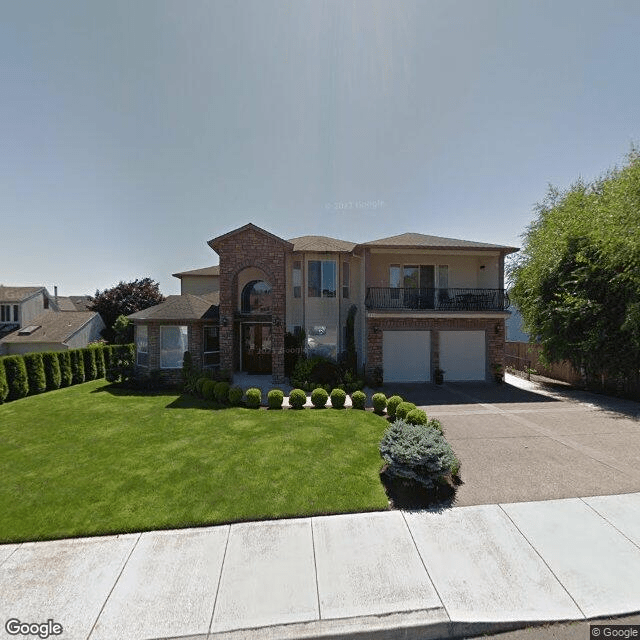
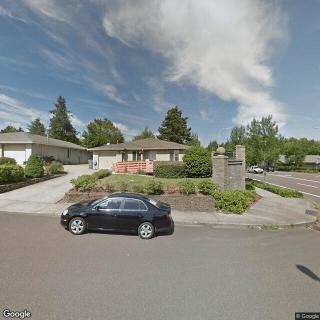
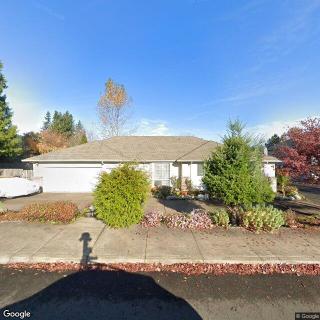
12980 SE Almond Ct, Clackamas, OR 97015
To contact a resident: (503) 698-4467
For more information about senior living options: (866) 208-4318
Happy Family Care Home Costs & Pricing
Happy Family Care Home offers a competitive rate for its private rooms at $3,200 per month, which positions it favorably compared to the broader market in Clackamas County and the state of Oregon. In Clackamas County, the average cost for similar accommodations stands at $3,373, while across Oregon, the average climbs slightly higher to $3,424. This pricing strategy not only provides residents with a cost-effective option but also reflects Happy Family Care Home's commitment to delivering quality care within a budget-friendly framework. The center's pricing underscores its dedication to providing accessible support for families seeking reliable care solutions in their community.
| Floor plans | Happy Family Care Home | Clackamas County | Oregon |
|---|---|---|---|
| Private | $3,200 | $3,373 | $3,424 |
Senior living communities with a similar price nearby
-
from +$600 / mo
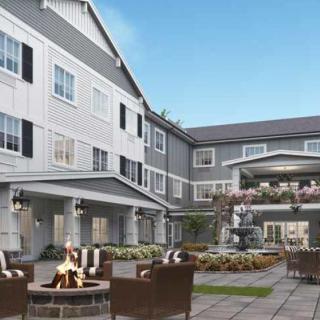
The Inn at University Village
$3,800 to $7,500 / month21.2 miles away -
from -$200 / mo
A Piece of Heaven
$3,000 / month3.5 miles away -
from -$200 / mo
Yamhill Senior Care Home
$3,000 / month6.7 miles away -
from -$200 / mo
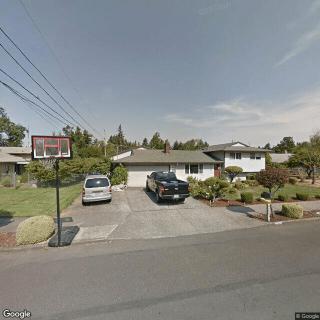
Peaceful Lighthouse Adult Care Home
$3,000 / month8.5 miles away -
from +$300 / mo
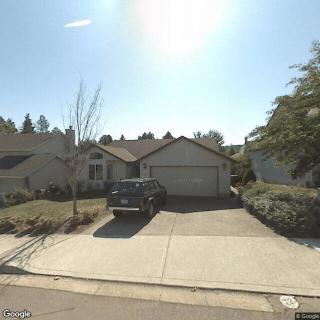
Fulga's ACH
$3,500 / month15.7 miles away
Overall Review of Happy Family Care Home
Pros
 The owners are loving and wonderful to their residents.
- The interactions between caregivers and residents are heartwarming.
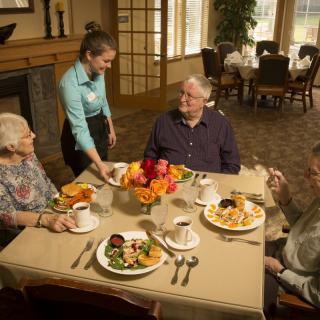
- The food is homemade and delicious, truly made with love.
- Dad would have been very happy as a resident sooner.
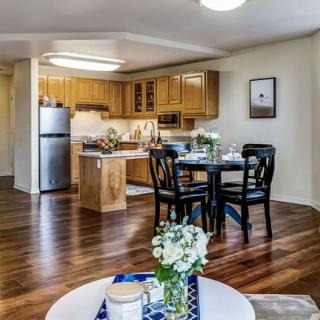
- The home is clean and well-kept, with five rooms each having a private bathroom and a central wheelchair-accessible bath.
- The staff are genuinely joyful, hardworking, and go the extra mile to support families.
Cons
 The food is not perfect.
Review
Happy Family Care Home in Clackamas is best suited for families seeking a small, intimate, hands-on home environment where a loving, family-owned operation directly shapes daily life. This community excels for seniors who thrive on personal attention, social interaction, and home-cooked meals prepared with care. With five private rooms each featuring its own bathroom and a central, wheelchair-accessible bathing option, residents experience a sense of privacy within a warm, village-like setting. The true strength lies in the relationship-driven approach: owners who are visibly involved, caregivers who know residents well, and a atmosphere where kindness and steadiness define routine. For families prioritizing a genuine home feel over a clinical, institutional setting, this is where comfort and continuity become the anchor of daily living.
That said, alternatives become a meaningful consideration for certain needs. If a loved one requires round-the-clock clinical nursing oversight, highly specialized memory care, or a more expansive campus with numerous on-site services, a larger assisted living community or a memory-care-focused facility may be a better fit. Families pursuing highly structured programming, extensive clinical protocols, or highly standardized routines might find that a bigger operation delivers the breadth of medical resources and diversified activity options they expect. Additionally, those who value maximal privacy or a more impersonal, professional boundary between staff and residents may prefer options where the owners’ direct involvement is less pronounced or where a formal, institutional style is the norm.
The strongest pros here, exceptional warmth, proactive ownership, and a genuine sense of being cared for, largely offset the potential drawbacks. The owners’ loving leadership translates into attentive, reliable care, and the staff appears highly committed to the residents’ well-being. Home-cooked meals are a tangible everyday benefit, contributing to dignity, appetite, and social meals that reinforce a sense of community. The five private rooms with individual baths, plus a central wheelchair-accessible bath, support autonomy while preserving safety and convenience. Observations and anecdotes about residents improving mobility or enjoying renewed social engagement underscore the practical impact of these benefits. When family members need to coordinate around hospice or end-of-life transitions, the staff’s flexibility and willingness to accommodate speak to a level of responsiveness that larger facilities sometimes struggle to deliver.
Yet the small size does carry trade-offs. A family should expect that medical staffing will be more limited than at bigger campuses, and that activities, while warm and neighborly, may not match the breadth of a larger community. The one explicit drawback mentioned in a parent review, that the food is not perfect, suggests occasional menu gaps, though the overarching sentiment remains positive due to the quality of home preparation and care. The proximity of owners, while a source of trust and prompt problem-solving, may raise privacy considerations for some residents who prefer a strict professional boundary. These factors are not fatal, but they define the profile of this setting: exceptionally compassionate care in a compact, homey frame, with potential limits on medical breadth and dining variety.
For families evaluating a move, a practical playbook makes the decision clearer. Schedule a face-to-face visit and tour; observe how staff interact with residents and how residents respond to routine. Request conversations with current residents and family members to gauge consistency of care and the reliability of communication. Clarify staffing patterns, care planning processes, and how hospice or palliative needs are integrated into day-to-day routines. Inspect room layout, private baths, safety features, and accessibility; confirm meal practices, accommodation for dietary restrictions, and opportunities for meaningful social activities. Finally, demand transparent pricing and a clear understanding of what services are included versus add-ons, so expectations align with reality before commitments are made.
In the end, Happy Family Care Home stands out as a compelling choice for families who prize a warm, tight-knit, family-directed environment that treats daily living as a collaborative, home-centered project. It is especially compelling for residents who benefit from strong relational continuity, home-style meals, and active social participation within a small community. It is less aligned with those needing intensive medical infrastructure, expansive programming, or highly specialized dementia care. For families who fit the former profile, the conclusion is straightforward: invest time in a visit, verify references, and prepare to lean into the evident heart of the operation. For others, it remains wise to compare against larger, more clinical options to ensure all medical and cognitive needs are confidently met.
 Board and Care Home
 Activities off-site
 Indoor common areas
 Outdoor common areas
 Private
 Respite or short term stays offered
 Wheelchair accessible showers
 Portland International (12 miles away)
 Ambulatory care
 Diabetic care
 High acuity care
 Incontinence care
 Kosher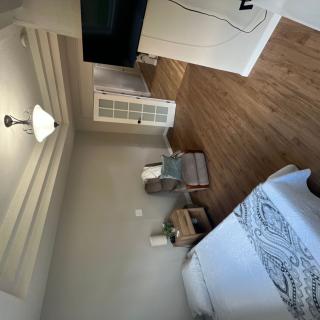


 Essential Knowledge on Pneumonia in Older Adults
 Exploring Palliative Care in the Home: A Comprehensive Overview
 Comprehensive Insights into Palliative Home Care: What It Is and What to Expect