Judy's Loving Hands

Save
Judy's Loving Hands Judy's Loving Hands Judy's Loving Hands Judy's Loving Hands

Judy's Loving Hands

12146 South East Solstice Court, Clackamas, OR 97015

For more information about senior living options: (844) 490-3973

4.7 from 21 reviews
5 stars
19
4 stars
0
3 stars
1
2 stars
0
1 stars
1

Active Adult Communities (55+) Assisted Living Board and Care Home Continuing Care Retirement Community (CCRC) Independent Living Memory Care Skilled Nursing Facility

What level of care are you interested in?

Assisted Living

Memory Care

Independent Living

Skilled Nursing Facility

Continuing Care Retirement Community (CCRC)CCRC

Other


Request a tour at Judy's Loving Hands

    Overall Review of Judy's Loving Hands

    Pros

    • pro Assisting Hands is compassionate, caring, and highly competent, making transitions easier for loved ones.
    • pro The caregivers are punctual, professional, and deeply attentive to each person's needs.
    • pro The team provides personalized care, including activities the loved one enjoys and practical help like light housekeeping.
    • pro The office staff are friendly, responsive, and diligent about updates and notes.
    • pro The agency has consistently exceeded expectations and is dependable and caring.
    • pro Janel is fantastic, compassionate, and a strong, thoughtful leader.
    • pro Families report trust and peace of mind from the caregiving teams.
    • pro The agency delivers thorough care plans and solid medication oversight with timely, thoughtful communication.

    Cons

    • pro Assisting Hands failed to notify the family about the caregiver's absence, leaving the mother alone.
    • pro The mother lay on the floor for seven to eight hours without assistance.
    • pro The promised alert procedures were not followed, preventing an earlier warning to the family.
    • pro This lapse contributed to the mother's extended suffering and distress at the end of life.
    • pro The overall experience with Assisting Hands ended in a very big disappointment.

    Review

    Assisting Hands, including the Clackamas and Happy Valley teams, has been a lifeline for many families navigating the realities of in-home care. Across dozens of reviews, the thread that runs strongest is the impression that the agency and its leadership - centered on owner Janel - and the dedicated caregivers, such as Tiana, bring a rare blend of genuine compassion, steady competence, and practical adaptability. Families repeatedly describe the staff as warm, thoughtful, and remarkably reliable, capable of adjusting plans as conditions change and always focused on the person receiving care. In many stories, AH is portrayed not just as a service provider but as a steady presence that helps families breathe a little easier during difficult seasons.

    What stands out in the most vivid testimonials is how deeply caring and professional the AH team can be when everything is going well. Caregivers are praised for more than just meeting basic needs; they create a sense of companionship and safety. Reviewers talk about caregivers playing music the loved one enjoys, spending time outdoors, keeping the house clean, and even handling light housekeeping and laundry. The office teams are repeatedly described as responsive and engaged - emailing updates, maintaining a patient portal with notes, and coordinating care plans with a sensitivity to the family's rhythms and the patient's preferences. In short, many families feel that AH does more than deliver tasks; they cultivate an atmosphere of dignity and warmth around someone's daily life.

    The organization's strength is especially evident in long-term relationships. Several reviews recount extended care - for example, 4-1/2 years of in-home care for an elderly mother - where caregivers became trusted partners in living with Parkinson's, Alzheimer's, and other challenging conditions. In these cases, AH's ability to oversee medications, manage evolving care plans, and coordinate with medical professionals stands out. Families note that caregivers generated continuity and reassurance, even as schedules shifted or new needs emerged. They also highlight how flexible AH was in adjusting to changing circumstances, whether that meant reshuffling shifts, extending care hours, or accommodating new tasks to keep a loved one safe and comfortable at home.

    There are numerous stories that depict AH as a lifeline in crisis. When a loved one was recovering from a stroke or facing hospice, the agency's responsiveness and the caregivers' professionalism were frequently described as pivotal. In these accounts, the team - often led by Janel and supported by caregivers like Leah and Zanna - worked closely with hospital and rehab teams, supported discharge planning, and offered patient and family education along the way. Families repeatedly express gratitude for caregivers who showed up on time, acted with sensitivity, and provided not only practical help but emotional steadiness during uncertain times. The testimonials speak to the sense that AH can be called upon to step into tense hospital-to-home transitions with competence and care.

    Yet, with any narrative that spans years and many families, there are moments that puncture the otherwise glowing pictures. The most somber and consequential entry explains a February 14, 2025 incident in which a caregiver could not reach the home due to snowy conditions and could not access the driveway. In that moment, the caregiver reported the inability to provide assistance to the family, but crucially, the family was not notified. The mother ended up lying on the floor for seven to eight hours, unable to call for help. She was found by a neighbor after the shift had ended and was taken to the hospital with multiple injuries. Ultimately, after a week's hospital stay and medical advice, the family moved to hospice care, and the mother died a little more than a week later at the age of 97. The family's message is not just about fault but about the importance of communication and procedures - if AH had alerted the family to the caregiver's absence, the escalation of concern could have happened much sooner. This painful chapter underscores a critical need for robust alert protocols so that families can mobilize support without delay when a caregiver cannot arrive.

    Even as this tragedy casts a long shadow, many families who have experienced AH's services continue to speak in terms of praise for the organization's core strengths and the people who work there. Several reviews emphasize that, outside of the February incident, the staff and leadership consistently demonstrate compassion, attentiveness, and a willingness to go "above and beyond." The voice of many is one of trust built over years of reliable care, with conversations about not just tasks but overall quality-of-life improvements, the safety net afforded by medications management, and the genuine human warmth shown by caregivers who learn a loved one's routines, preferences, and humor. In other words, the overarching sentiment remains that Assisting Hands can be a deeply dependable partner in care, as long as fundamental communication and contingency procedures are in place and followed.

    Taken together, the collection of experiences paints a complex but hopeful portrait of Assisting Hands. The organization is described as a professional, compassionate agency that can handle both routine support and extraordinary caregiving needs - from daily bathing supervision and transportation to coordinating complex care plans across medical teams and hospice. The owner's direct involvement and the team's commitment to personalized care shine in the stories where families recount long, meaningful relationships with caregivers who know their loved ones well. At the same time, the February 2025 episode serves as a solemn reminder that even excellent care systems must continuously evolve their communication infrastructure and emergency protocols to protect families in moments of crisis. The conversations inside these reviews suggest a clear path forward: uphold the strengths of compassionate, well-coordinated care while relentlessly tightening lines of communication so that families are never left guessing or alone when a caregiver cannot arrive.

    In the end, many families would still say they value Assisting Hands for the genuine kindness, the high standards of caregiving, and the practical supports that make home life possible for a loved one facing aging, illness, or recovery. They speak of a company that, in the moments that matter most, shows up with warmth, competence, and a readiness to adapt. The unfortunate episode of February 14, 2025 is a painful chapter that invites introspection and improvement, but it does not erase the broader portrait of AH as a trusted partner for families who need care delivered with both heart and professionalism. For those who have seen the positive impact of Tiana, Janel, Leah, Zanna, and countless others on the ground, the takeaway is clear: the agency is capable of extraordinary care - and with stronger communication safeguards, it can be a steadfast source of support for families well into the future.

    Features

    Housing

    • 5 resident community capacity 5 resident community capacity

    Types of Care

    • Active Adult Communities (55+) Active Adult Communities (55+)Active Adult Communities provide seniors with opportunities for socialization, activities, and wellness programs tailored to their needs. These communities offer a sense of belonging and security while promoting an active and independent lifestyle for those aged 55 and older.
    • Assisted Living Assisted LivingAssisted living facilities provide crucial support and care for seniors who may need help with daily tasks such as medication management, bathing, and meal preparation. These communities offer a safe and comfortable environment where seniors can maintain their independence while receiving the assistance they need to thrive in their golden years.
    • Board and Care Home Board and Care HomeBoard and care homes provide a smaller, more intimate setting for seniors who require assistance with daily tasks but do not need the level of care offered by a nursing home. They offer personalized care, meals, and social activities in a homelike environment, ensuring that seniors receive individualized attention and support in their golden years.
    • Continuing Care Retirement Community (CCRC) Continuing Care Retirement Community (CCRC)Continuing Care Retirement Communities (CCRCs) are important for seniors because they provide a range of housing options and care services all in one location. This allows seniors to age in place and receive the level of care they need as their health changes, without having to move to a new facility. CCRCs provide a sense of security and peace of mind for seniors and their families, knowing that they will be taken care of no matter what the future holds.
    • Independent Living Independent LivingIndependent living communities are important for seniors because they offer a safe and supportive environment where older adults can live independently while still having access to amenities and services that enhance their quality of life. These communities provide social opportunities, recreational activities, and assistance with daily tasks, promoting overall well-being and allowing seniors to maintain their independence for as long as possible.
    • Memory Care Memory CareMemory care is crucial for seniors as it provides specialized support and services for individuals with dementia or Alzheimer's disease. These programs offer a safe and secure environment where residents receive personalized care, cognitive stimulation, and help with daily activities. Memory care helps seniors maintain their independence, quality of life, and dignity while also providing peace of mind for their families.
    • Skilled Nursing Facility Skilled Nursing FacilitySkilled Nursing Facilities are crucial for seniors as they provide round-the-clock medical care, rehabilitation services, and assistance with daily activities. These facilities ensure that seniors receive the specialized care they need to maintain their health and well-being as they age.

    Amenities

    • Air-conditioning Air-conditioningAir conditioning is important for seniors as they are more vulnerable to heat-related illnesses and may have underlying health conditions that make it difficult for them to regulate their body temperature. It helps to keep them comfortable, safe, and healthy in hot weather.
    • Cable or satellite TV Cable or satellite TVCable or satellite TV is important for seniors because it provides entertainment, news, and companionship, helping to combat loneliness and boredom. It also offers a wide range of programming options tailored to different interests and preferences.
    • Dining room Dining roomDining rooms are important for seniors as they provide a space for socialization, connection, and nutritious meals. They offer opportunities for residents to bond over shared meals, foster a sense of community, and promote healthy eating habits. Dining rooms also ensure that seniors have access to well-balanced meals tailored to their dietary needs and preferences.
    • Fully furnished Fully furnishedFully furnished senior living communities are important for seniors because they provide convenience, comfort, and a hassle-free moving experience. Seniors can easily settle into their new living space without the stress of having to buy and move furniture. This allows them to focus on enjoying their new home and community.
    • Garden GardenGardens are important for seniors as they provide a peaceful and therapeutic environment for relaxation, physical activity, and socialization. Being in nature has been shown to reduce stress, improve mood, and promote overall well-being. Gardens also offer opportunities for seniors to engage in gardening activities, which can improve mobility, flexibility, and cognitive function. Additionally, gardens create a sense of community and connection with others who share a passion for plants and outdoor spaces.
    • Housekeeping services Housekeeping servicesHousekeeping services are important for seniors because they help maintain a clean and safe living environment, promote independence, and reduce the risk of accidents or illnesses. Additionally, having assistance with household chores can alleviate physical strain and allow seniors to focus on other aspects of their well-being.
    • Located close to restaurants Located close to restaurantsBeing located close to restaurants is important for seniors because it offers convenience, social opportunities, and the ability to maintain a healthy and varied diet. Easy access to dining options allows seniors to enjoy meals with friends or family, try new cuisines, and support their overall well-being.
    • Located close to shopping centers Located close to shopping centersBeing located close to shopping centers is important for seniors because it provides easy access to daily necessities, social interaction, and recreational activities. This convenience can enhance their quality of life and independence, making it a desirable feature for senior living communities.
    • Move-in coordination Move-in coordinationMove-in coordination is important for seniors because it helps ease the transition into their new living environment. It ensures that all logistics, such as packing, organizing movers, and setting up utilities are taken care of, allowing seniors to focus on settling in and adjusting to their new home. Having a smooth move-in process can alleviate stress and anxiety, making the transition smoother and more enjoyable for seniors.
    • Organic food and ingredients Organic food and ingredientsOrganic food and ingredients are important for seniors because they offer higher nutrient content, fewer harmful chemicals, and can help improve overall health and well-being as individuals age. Organic food is also more environmentally sustainable, making it a healthier choice for both seniors and the planet.
    • Outdoor patio Outdoor patioOutdoor patios are essential for seniors as they provide a safe and peaceful space for them to enjoy the outdoors, socialize with friends and family, engage in physical activity, and soak up natural sunlight which promotes overall well-being and mental health.
    • Outdoor space Outdoor spaceOutdoor spaces are important for seniors as they provide opportunities for physical activity, social interaction, exposure to natural light and fresh air, and a sense of connection to nature. Having access to outdoor spaces can improve overall well-being and quality of life for older adults living in senior communities.
    • Private bathrooms Private bathroomsPrivate bathrooms are important for seniors in senior living communities because they provide independence, dignity, and comfort. Having a private bathroom allows seniors to maintain their personal hygiene routines without the need for assistance, promoting a sense of autonomy and privacy. Additionally, private bathrooms help prevent the spread of infections and provide a safe and clean environment for seniors to navigate safely.
    • Small library Small librarySmall libraries are important for seniors as they provide access to a variety of reading materials, including books, newspapers, and magazines. This can help stimulate their minds, keep them engaged, and provide a sense of community through book clubs and other social activities. Additionally, reading has been shown to improve cognitive function and overall mental well-being in older adults.
    • Telephone TelephoneTelephones are important for seniors as they provide a lifeline for communication with loved ones, emergency services, and healthcare providers. They offer a sense of security and independence, enabling seniors to stay connected and access assistance when needed.
    • Wi-Fi/high-speed internet available Wi-Fi/high-speed internet availableWi-Fi/high-speed internet is important for seniors to stay connected with loved ones, access online resources, and participate in virtual activities to combat feelings of loneliness and isolation. It also allows them to easily manage healthcare needs, access entertainment, and engage in lifelong learning opportunities.

    Transportation

    • Portland International (12 miles away) Portland International (12 miles away)

    Care Services

    • 24-hour supervision 24-hour supervision24-hour supervision is important for seniors to ensure their safety, well-being, and access to immediate assistance in case of emergencies or health issues. This constant support provides peace of mind for both seniors and their loved ones, allowing them to age in place with dignity and security.
    • Accept incoming residents on hospice Accept incoming residents on hospiceAccepting incoming residents on hospice is important for seniors because it allows them to receive specialized end-of-life care in a comfortable and supportive environment. This ensures that they can maintain their dignity and quality of life during their final days, surrounded by compassionate staff who are trained to provide the necessary medical and emotional support.
    • Activities of daily living assistance Activities of daily living assistanceActivities of daily living assistance are important for seniors because they provide essential support with tasks such as eating, bathing, dressing, and mobility. This assistance helps seniors maintain their independence, dignity, and overall quality of life as they age.
    • Assistance with bathing Assistance with bathingAssistance with bathing is crucial for seniors as it helps maintain personal hygiene, prevents infections, and ensures their overall well-being and comfort. It also provides a sense of dignity and independence for seniors who may struggle with this task on their own.
    • Assistance with dressing Assistance with dressingAssistance with dressing is important for seniors because it helps maintain their independence, promotes personal hygiene, prevents accidents and injuries, and improves overall quality of life. This service ensures that seniors can continue to dress comfortably and confidently, despite any physical limitations they may have.
    • Assistance with transfers Assistance with transfersAssistance with transfers is crucial for seniors as it helps prevent falls and injuries, maintains their independence, and ensures they can safely navigate their living environment. It also provides peace of mind for both seniors and their loved ones.
    • Care with behavioral issues Care with behavioral issuesCare with behavioral issues is important for seniors because it ensures they receive the specialized support and attention they need to manage their unique challenges and maintain their quality of life. This type of care helps address issues such as dementia, aggression, anxiety, depression or mood swings, allowing seniors to live comfortably and safely in a senior living community.
    • Dementia waiver Dementia waiverDementia waivers are essential for seniors as they provide critical protections and accommodations for those experiencing cognitive decline. These waivers ensure individuals with dementia receive appropriate care, support, and resources to maintain their quality of life and dignity as they navigate the challenges of this progressive condition.
    • Diabetes diet Diabetes dietA diabetes diet is crucial for seniors as it helps manage blood sugar levels, reduce risks of complications, and improve overall health and well-being. By following a balanced and nutritious diet tailored to their specific needs, seniors can better control their diabetes and enhance their quality of life.
    • Hospice waiver Hospice waiverHospice waivers are important for seniors because they allow individuals to receive specialized end-of-life care and support at home or in a hospice facility. This waiver ensures that seniors can access the necessary resources and services to maintain comfort and dignity during their final days.
    • Meal preparation and service Meal preparation and serviceMeal preparation and service are crucial for seniors as they may have limited mobility or energy to cook nutritious meals. Having access to healthy and convenient food options can ensure they are getting the proper nutrition needed to maintain their overall health and well-being.
    • Medication management Medication managementMedication management is crucial for seniors to ensure they are taking the right medications at the correct dosages and times. This helps prevent adverse drug interactions, reduces the risk of medication errors, and promotes overall health and well-being. Proactive management also allows for adjustments as needed based on changing health conditions or new prescriptions.
    • Mild cognitive impairment Mild cognitive impairment"Mild cognitive impairment" is important for seniors because it is an early stage of cognitive decline that can potentially progress to more severe conditions such as dementia. Recognizing and addressing mild cognitive impairment can help seniors receive appropriate care and support to maintain their quality of life and independence for as long as possible.
    • Preventative health screenings Preventative health screeningsPreventative health screenings are crucial for seniors as they can help identify potential health issues early on, allowing for prompt treatment and prevention of more serious conditions. Regular screenings can help maintain overall health and quality of life in older adults.
    • Same day assessments Same day assessmentsSame day assessments are crucial for seniors because they provide immediate insight into their needs and abilities, allowing for more timely and effective care planning. This can help address any urgent concerns or issues that may arise, ensuring seniors receive the appropriate support as quickly as possible.
    • Special dietary restrictions Special dietary restrictionsSpecial dietary restrictions are important for seniors because age-related changes in metabolism and health conditions can make it difficult for their bodies to process certain foods. By following a diet tailored to their specific needs, seniors can maintain their overall health and well-being, manage chronic conditions, and reduce the risk of complications such as malnutrition or food interactions with medications.

    • Specialized memory care programming Specialized memory care programmingSpecialized memory care programming is crucial for seniors with cognitive impairments such as dementia or Alzheimer's disease. These programs provide a safe and supportive environment tailored to the unique needs of individuals with memory loss, helping them maintain their independence, dignity, and quality of life.

    Dining

    • Diabetes diet Diabetes dietA diabetes diet is crucial for seniors as it helps manage blood sugar levels, reduce risks of complications, and improve overall health and well-being. By following a balanced and nutritious diet tailored to their specific needs, seniors can better control their diabetes and enhance their quality of life.
    • Special dietary restrictions Special dietary restrictionsSpecial dietary restrictions are important for seniors because age-related changes in metabolism and health conditions can make it difficult for their bodies to process certain foods. By following a diet tailored to their specific needs, seniors can maintain their overall health and well-being, manage chronic conditions, and reduce the risk of complications such as malnutrition or food interactions with medications.

    Activities

    • Community-sponsored activities Community-sponsored activitiesCommunity-sponsored activities are important for seniors as they provide opportunities for social interaction, mental stimulation, and physical activity. These activities can help improve overall well-being, combat loneliness and isolation, and promote a sense of belonging and purpose among older adults.
    • Scheduled daily activities Scheduled daily activitiesScheduled daily activities are important for seniors because they provide structure, socialization, mental stimulation, and physical activity. Engaging in regular activities can improve overall well-being and quality of life for seniors living in a community setting.

    Description

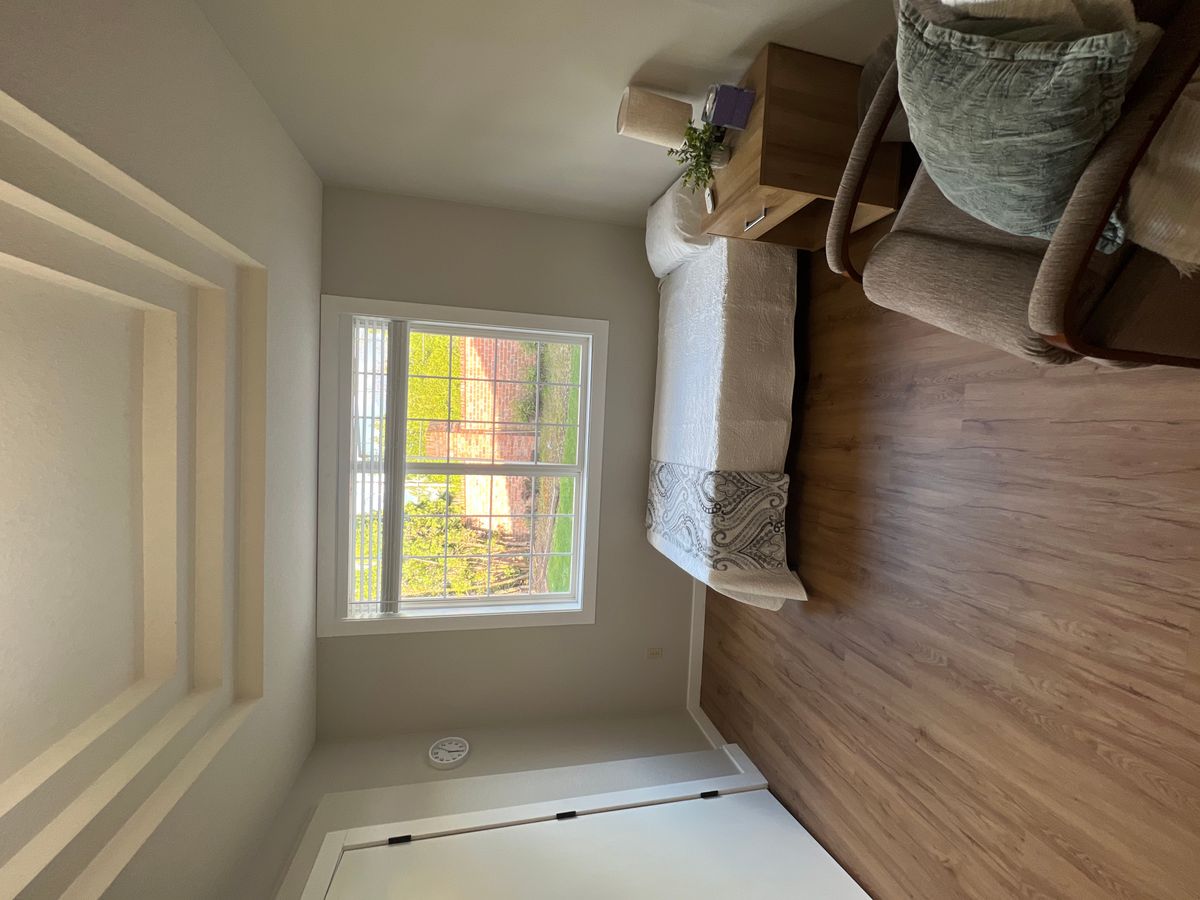
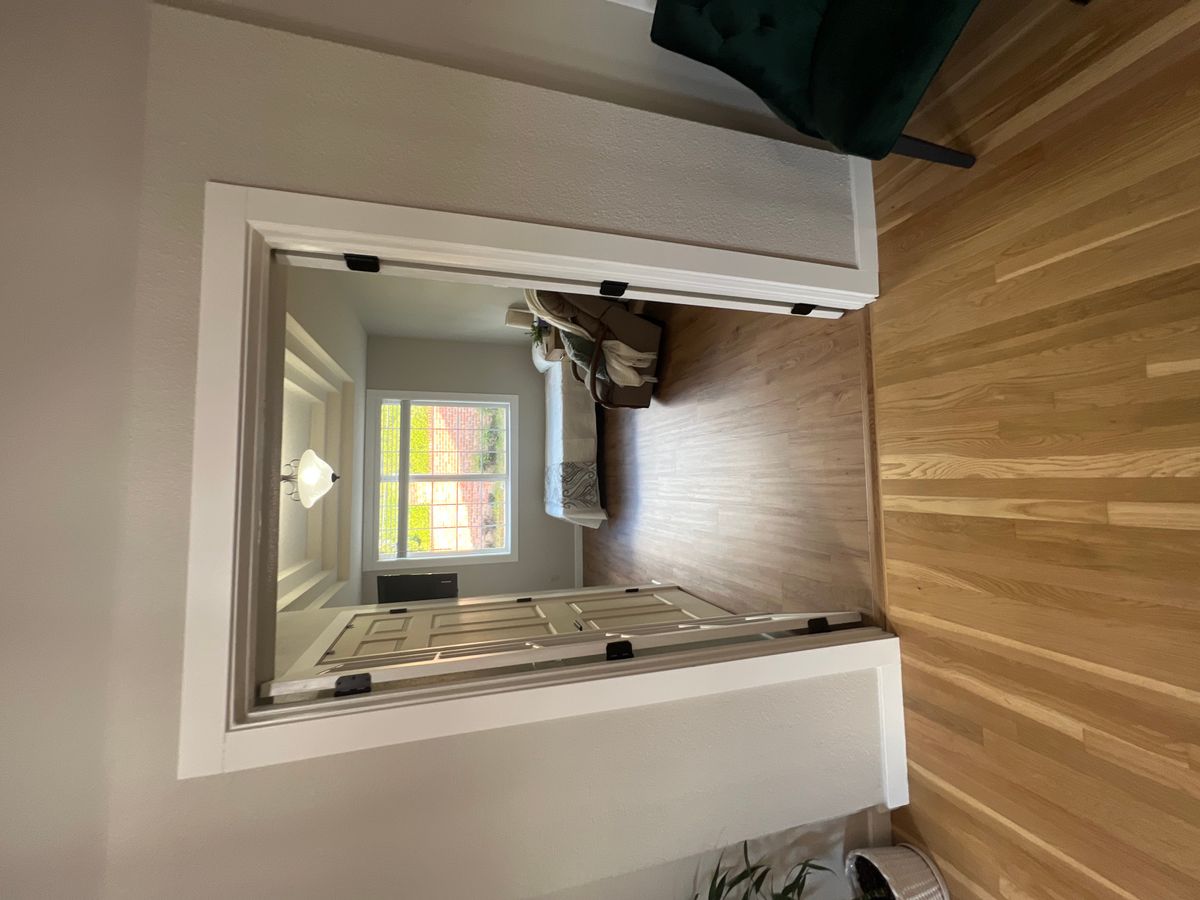
    Welcome to Judy's Loving Hands, a compassionate and vibrant assisted living community located in Clackamas, Oregon. Here, we offer a comprehensive range of care options tailored to meet the diverse needs of our residents, including Assisted Living, Board and Care Home, Continuing Care Retirement Community (CCRC), Independent Living, Memory Care, and Skilled Nursing Facility services.

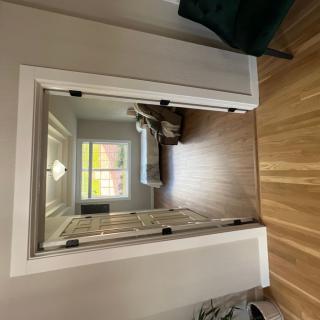
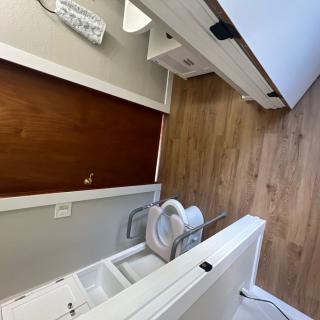
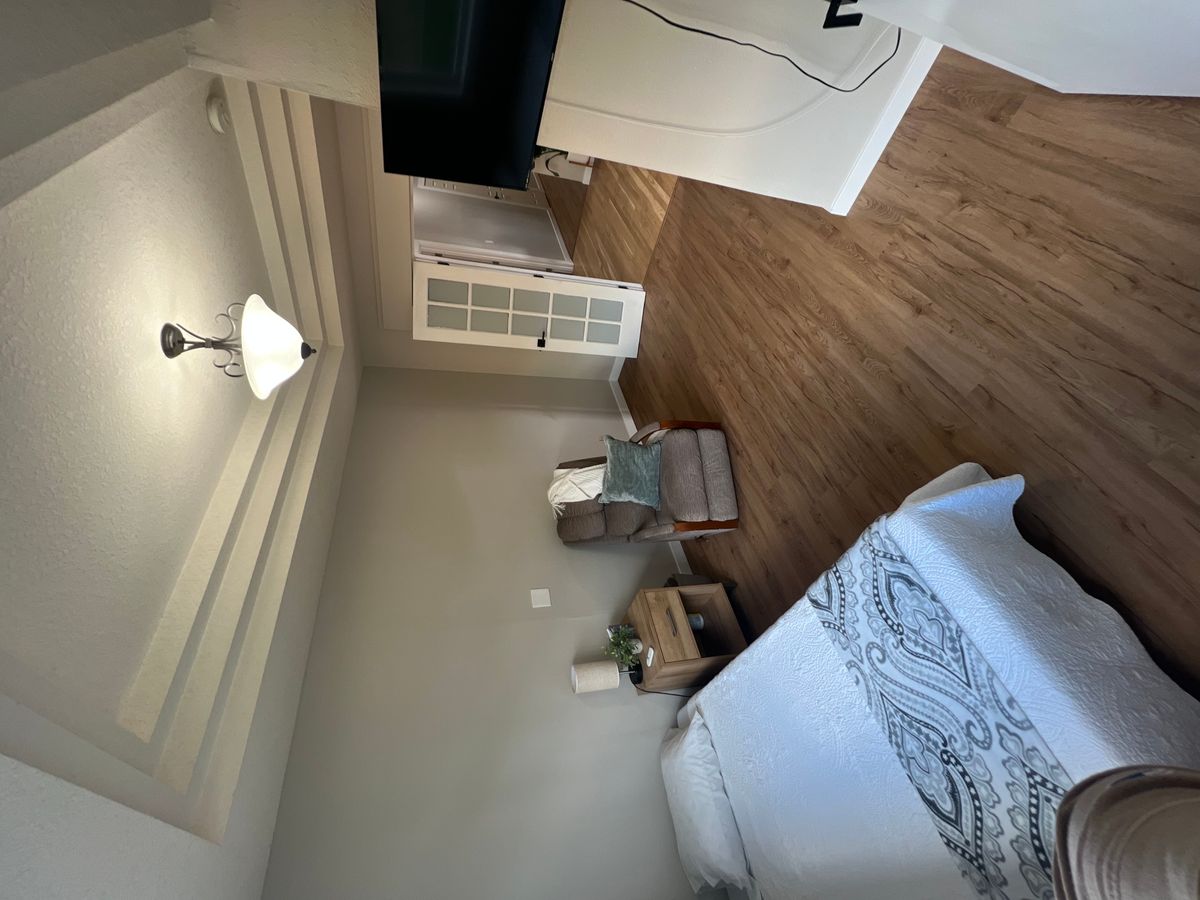
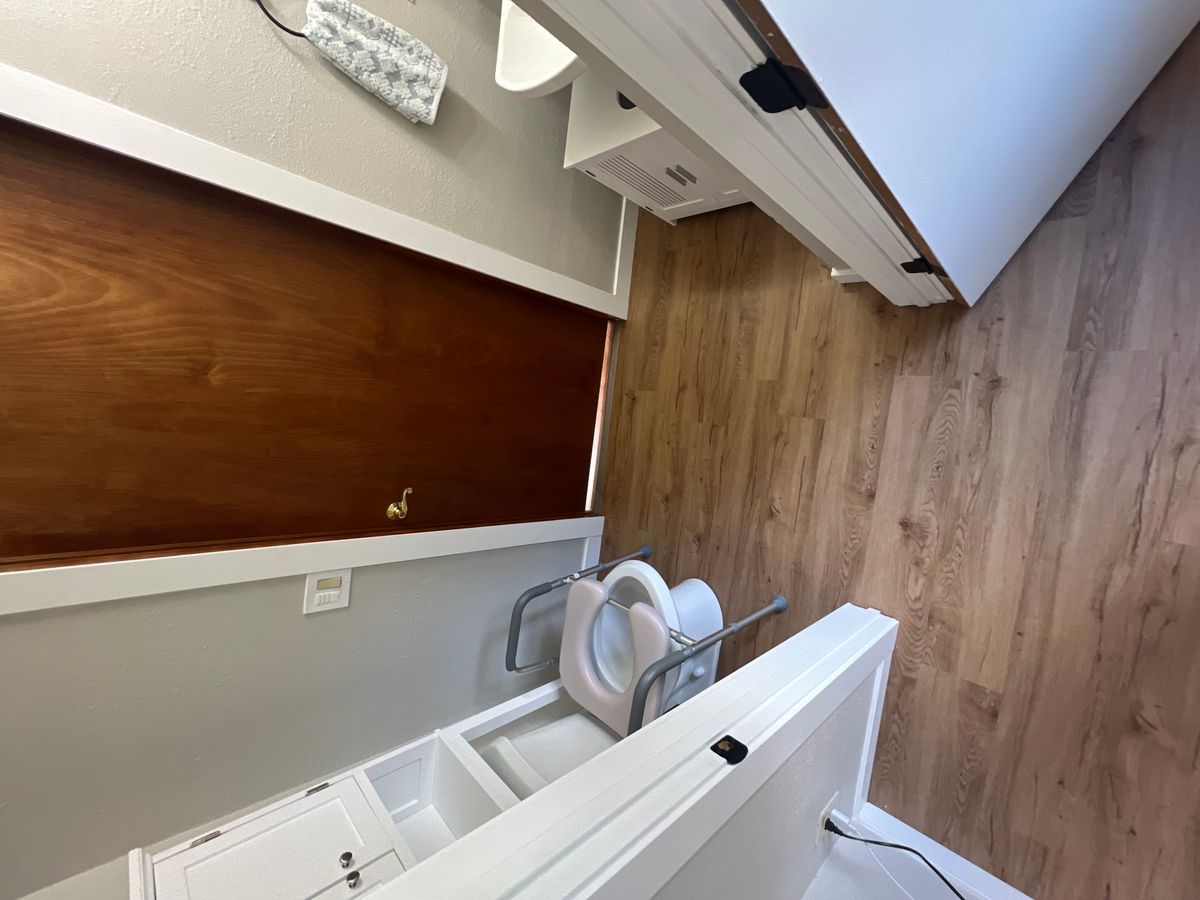
    At Judy's Loving Hands, the comfort and well-being of our residents are our top priorities. Our community boasts a variety of amenities designed to enhance daily living and promote a sense of belonging. Residents can enjoy cable or satellite TV in their fully furnished private rooms that feature modern bathrooms. The inviting dining room offers delicious meals crafted with organic ingredients to meet special dietary restrictions. For outdoor enthusiasts, we have beautiful gardens and an outdoor patio where residents can relax.

    Our dedicated staff is committed to providing personalized care services that include assistance with activities of daily living such as bathing, dressing, and transfers. We also specialize in memory care programming for those living with cognitive challenges like dementia or mild cognitive impairment. With additional services like medication management and meal preparation tailored for diabetes diets or other dietary needs, we ensure that each resident receives the support they require.

    At Judy's Loving Hands, we believe in fostering an engaging lifestyle through scheduled daily activities that encourage social interaction and personal growth. Our location is conveniently situated near various cafes, parks, pharmacies, restaurants, physicians' offices, and hospitals—making it easy for residents to stay connected with the wider community.

    Experience compassionate care in a warm environment at Judy's Loving Hands—a place where every individual is valued and cherished.

    Nearby Places of Interest

    Pharmacies

    • Rite Aid (0.8 miles)
    • Walgreens (0.8 miles)
    • Kaiser Sunnybrook Pharmacy (2.2 miles)
    • Walgreens (3.4 miles)
    • Walgreens (4.2 miles)
    • Rite Aid (4.6 miles)
    • Rite Aid (4.6 miles)

    Parks

    • Southern Lites Park (1.2 miles)
    • Hidden Falls Nature Park (1.6 miles)
    • Windswept Waters (1.9 miles)
    • Happy Valley Park (2.5 miles)
    • Stringfield Family Park (4.4 miles)
    • Dahl Beach (4.4 miles)
    • Lents Park (5 miles)

    Hospitals

    • Kaiser Sunnyside Medical Center (1.4 miles)
    • Providence Milwaukie Hospital (4.8 miles)
    • Adventist Medical Center (6.6 miles)
    • West Linn Clinic - US Department of Veterans Affairs (7.3 miles)
    • Hand Reconstructive Surgery NW (7.5 miles)

    Physicians

    • Kaiser Permanente Mount Talbert - Emily West MD (1.5 miles)
    • Kaiser Sunnybrook - Institut (1.5 miles)
    • Pacific Digestive Associates (1.6 miles)
    • Metropolitan Pediatrics (3 miles)
    • Avada Hearing Care Center (4.6 miles)
    • Clackamas Gastroenterology Associates PC (4.8 miles)
    • Oregon Neurology PC (4.8 miles)

    Restaurants

    • The Old Spaghetti Factory (1.7 miles)
    • Chick-Fil-A (1.8 miles)
    • Stone Cliff Inn (2.6 miles)
    • High Rocks Steak and Chops (3.2 miles)
    • Taco Bell (4.2 miles)
    • McDonald's (4.7 miles)
    • Oregon City Brewing Company (4.9 miles)

    Cafes

    • Starbucks (4.6 miles)
    • Dutch Bros Coffee (5.2 miles)
    • Starbucks (6.1 miles)
    • Dutch Bros Coffee (6.3 miles)
    • Keeper Coffee Co. (6.4 miles)
    • Starbucks (6.4 miles)
    • Portland CĂ  PhĂŞ (6.9 miles)

    Theaters

    • Century 16 Eastport Plaza (5.5 miles)
    • Regal Hilltop Cinema (6.3 miles)

    Places of Worship

    • St Henry Catholic Church (7.5 miles)

    Frequently Asked Questions

    Where is Judy's Loving Hands?
    Does Judy's Loving Hands provide care for residents with dementia or Alzheimer's disease?
    What photos are available for Judy's Loving Hands in Clackamas, Oregon?

    Nearby Communities

    Related Resources

    • delirium vs dementiaDelirium and Dementia: Unraveling the Key Differences

      Delirium is a rapidly onset, reversible cognitive disturbance often caused by acute medical issues, while dementia is a gradual and irreversible decline due to chronic neurodegenerative diseases. Accurate differentiation between the two is essential for appropriate treatment and management in older adults.

    • can you die from dementiaAre Dementia and Alzheimer's Disease Lethal? A Comprehensive Exploration

      Dementia, including Alzheimer’s disease, is often mischaracterized in terms of lethality as it leads to complications that can be fatal rather than being a direct cause of death; it causes a progressive decline in cognitive and physical health, making patients vulnerable to infections and other health crises. Effective management of nutrition, hydration, and communication is crucial in patient care, with palliative care becoming vital in advanced stages to enhance comfort and quality of life while caregivers play a key role amidst the challenges posed by the disease.

    • reminiscence therapyExploring the Power of Reminiscence Therapy for Individuals With Dementia


      Reminiscence therapy helps individuals with dementia recall past memories through structured discussions and meaningful objects, enhancing mood, relationships, and sense of identity while celebrating their lives. It can be practiced in formal settings or at home, requiring sensitivity to personal histories and cultural backgrounds.


    Get Pricing Ask A Question Schedule A Tour Contact Senior Advisor