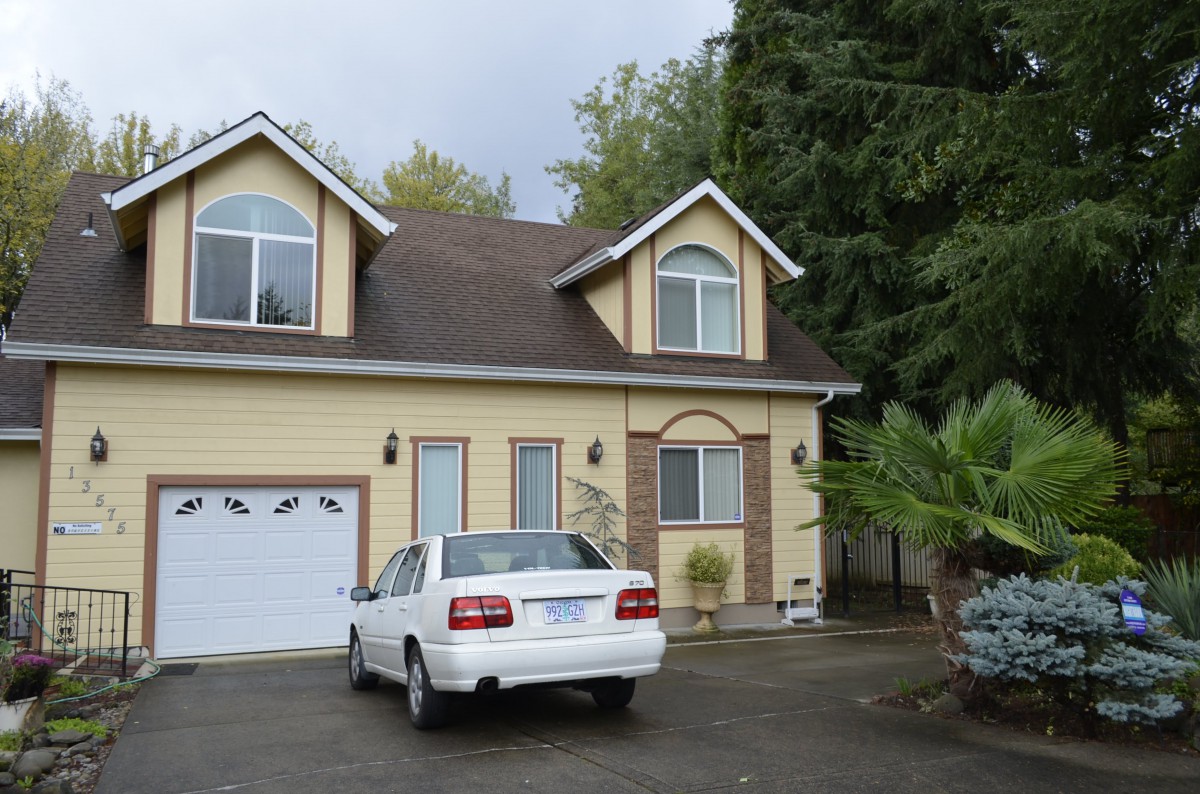
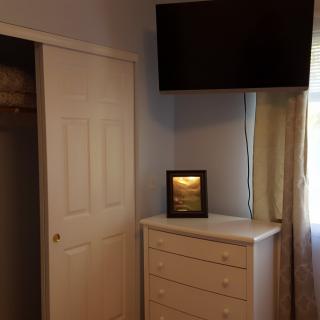
13575 SE 119th Drive, Clackamas, OR 97015
To contact a resident: (503) 317-3076
For more information about senior living options: (866) 208-4318
Clackamas Adult Care Home Costs & Pricing
Clackamas Adult Care Home offers competitive pricing for its private room accommodations, with a monthly rate of $2,500. This rate stands in contrast to the average costs within Clackamas County, which are approximately $3,373, and the broader state of Oregon where private rooms average around $3,424. By positioning itself at a lower cost point than both the county and state averages, Clackamas Adult Care Home presents an appealing option for individuals seeking quality care while being mindful of budget considerations. This combination of affordability and care excellence positions them as a notable choice in the region's senior living landscape.
| Floor plans | Clackamas Adult Care Home | Clackamas County | Oregon |
|---|---|---|---|
| Private | $2,500 | $3,373 | $3,424 |
Senior living communities with a similar price nearby
-
About the same
Mapleview Manor, LLC
$2,500 / month2.3 miles away -
from -$300 / mo
The Peace and Joy Garden
$2,200 / month15.1 miles away -
About the same
A Gentle Care Home
$2,500 / month3.0 miles away -
About the same
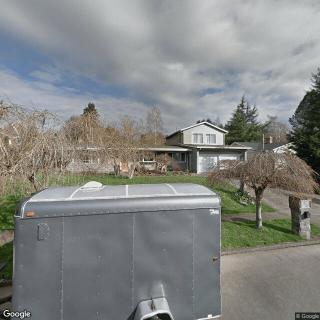
Sacred Heart Adult Foster Care
$2,500 / month13.5 miles away -
from +$300 / mo
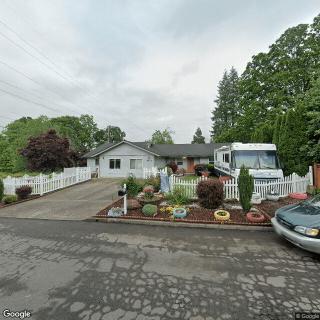
Lund AFH
$2,800 / month18.7 miles away
Overall Review of Clackamas Adult Care Home
Pros
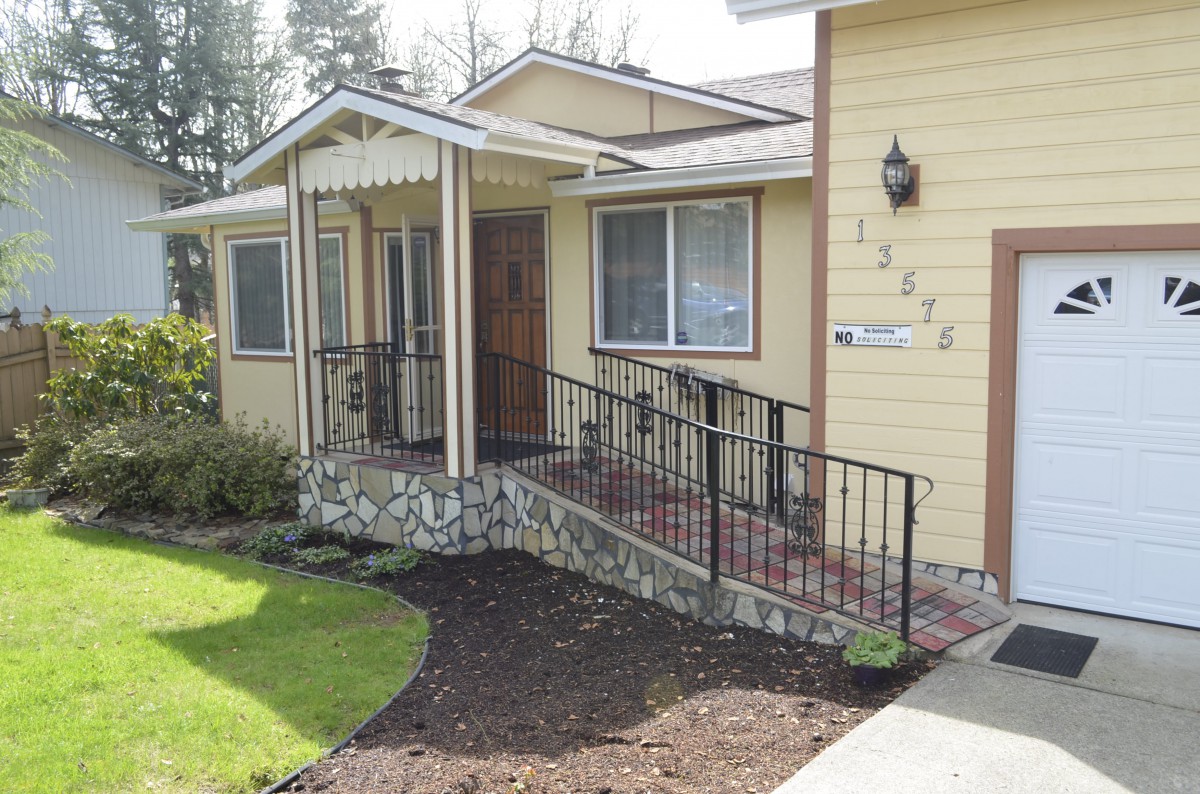
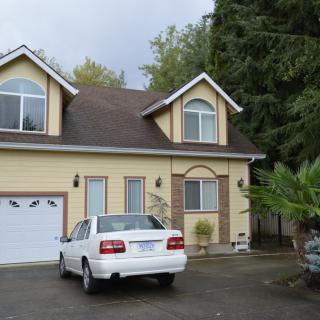
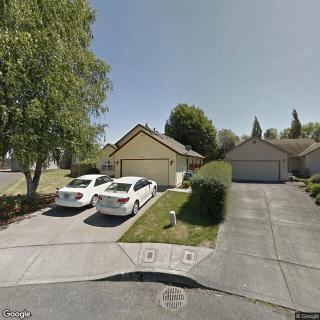
 The house was beautiful and so were the grounds and everything.
- It seemed like a really really nice place.
Cons
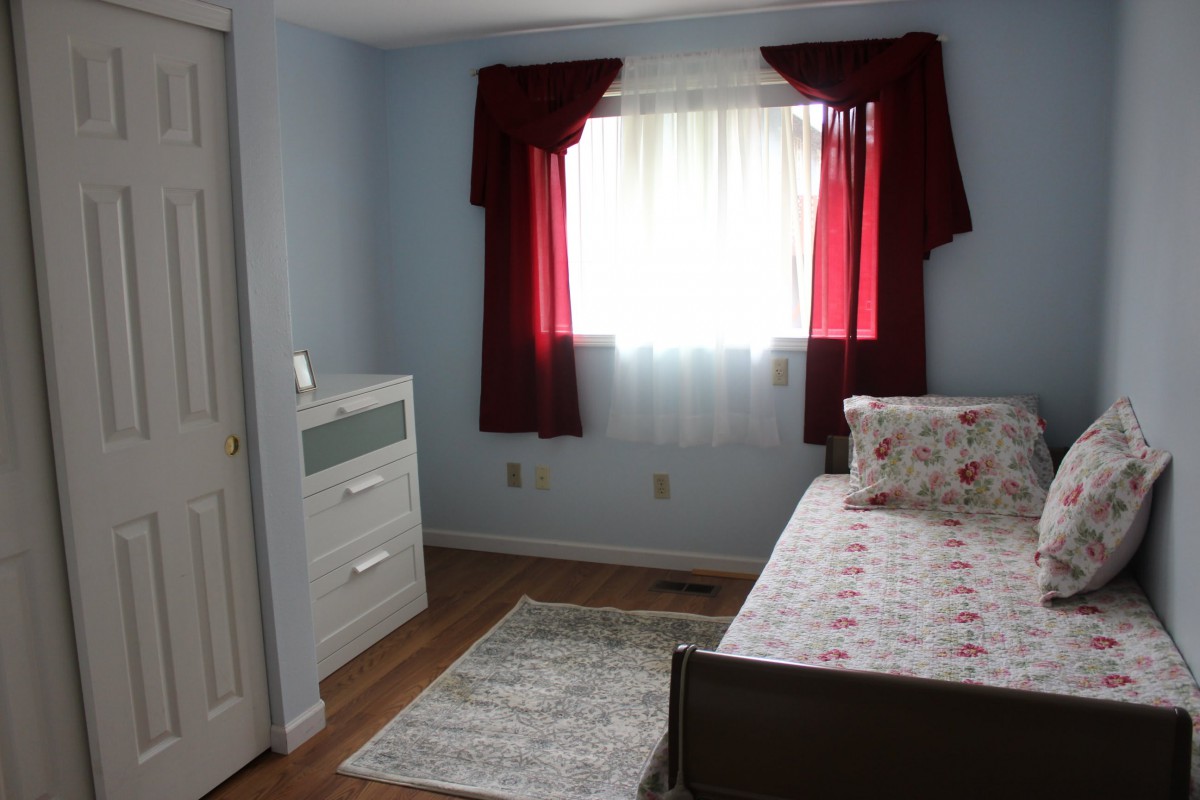
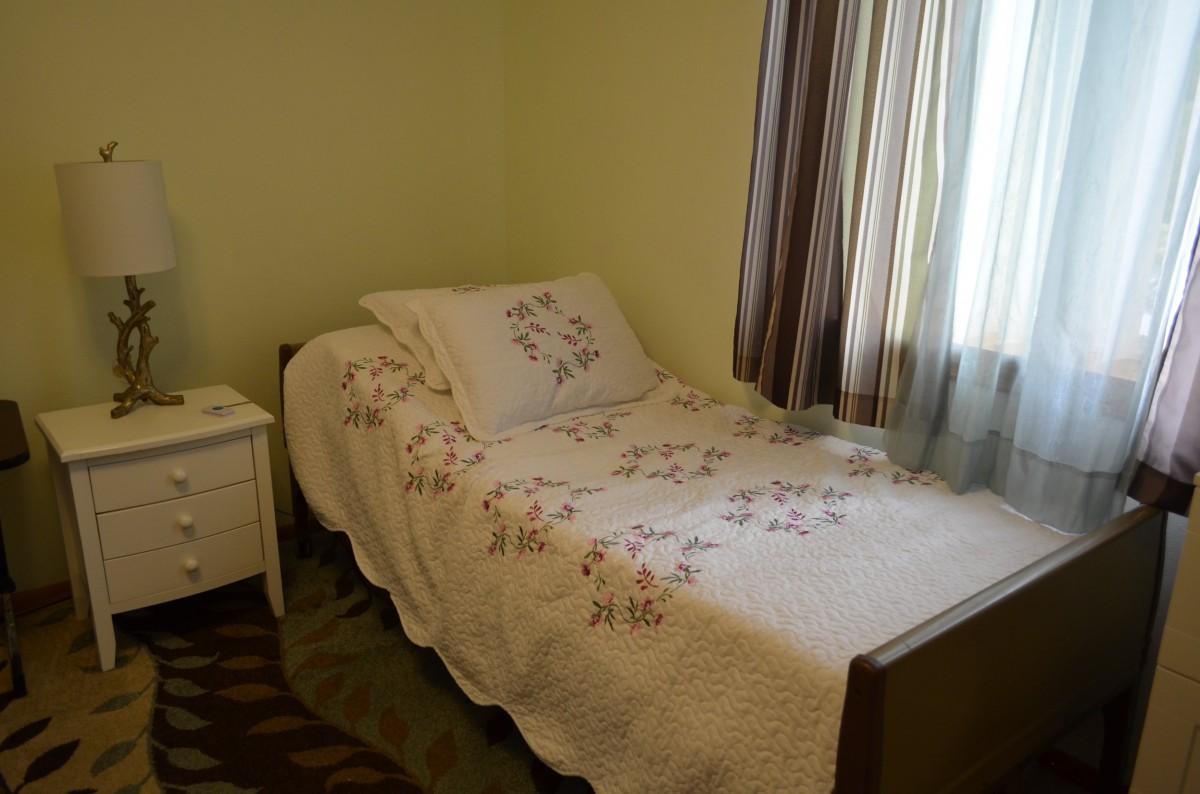
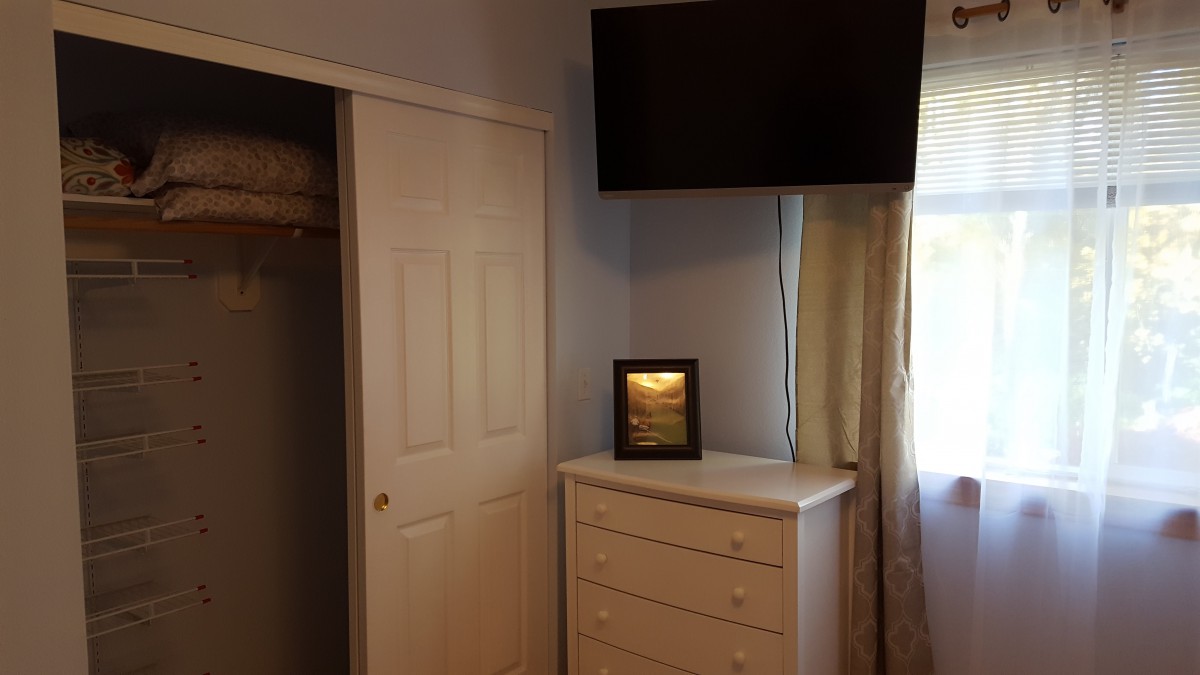
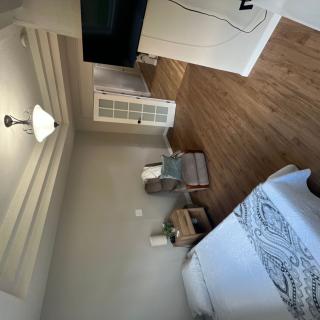
 It had only four rooms, which felt cramped.
- The teeny tiny bedroom was inadequate.
- One of the ladies helping there came across as more of a patient, yet was treated like staff, which felt odd.
- Her mom didn’t want to be that far away.
Review
Clackamas Adult Care Home is best suited for seniors who want a highly intimate, home-like setting and can tolerate a very compact footprint. The arrangement favors residents who value beauty, quiet, and a highly personal atmosphere over expansive common areas or a bustling activity calendar. Families with a preference for a serene, almost private home feel, where a small number of residents can receive focused attention, will likely find this community appealing. It is not ideal for those who need substantial daily assistance, a broad social program, or spacious, traditional assisted-living accommodations. Distance considerations also matter: the setting sits along a route toward Clackamas Town Center, which can be convenient for nearby families but may feel far from others depending on travel patterns and caregiving support networks.
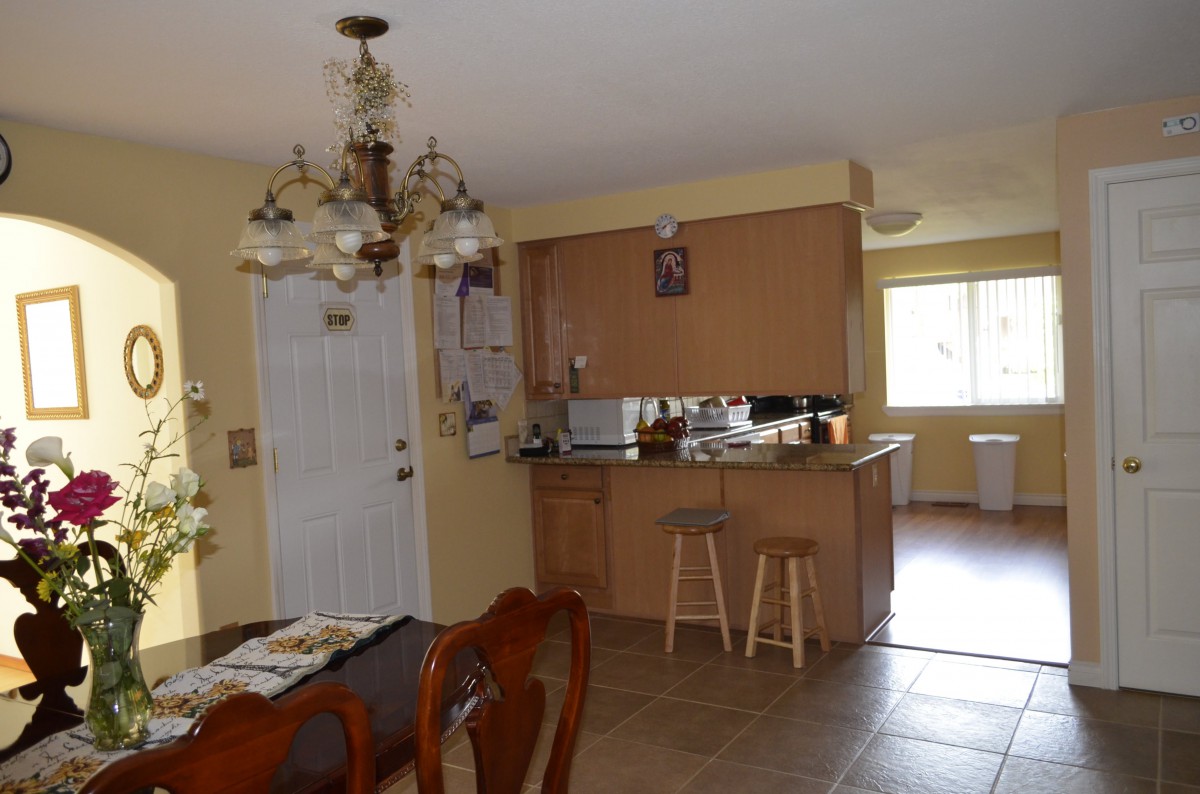
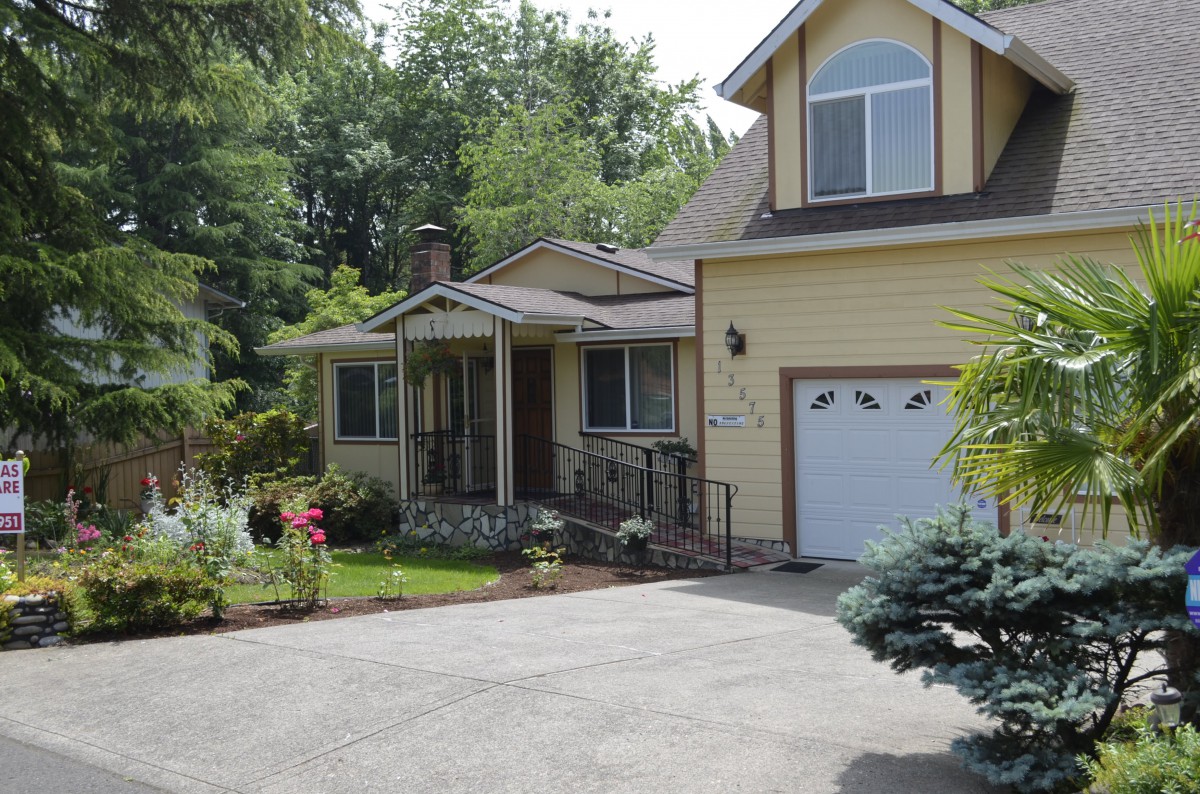
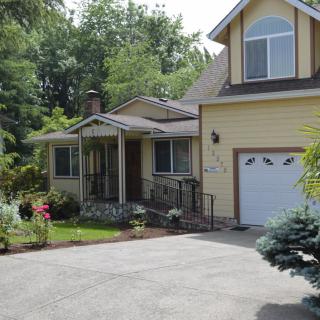
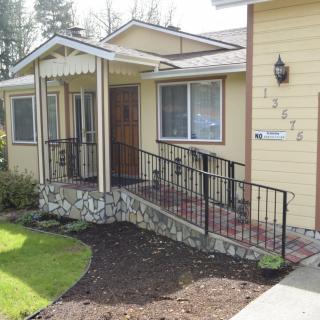
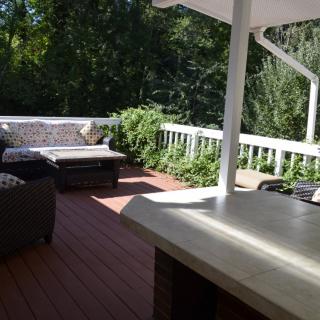
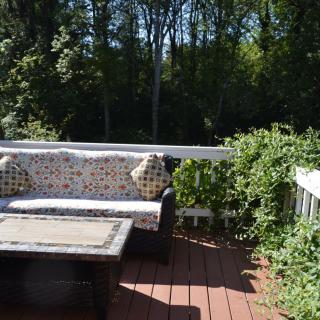
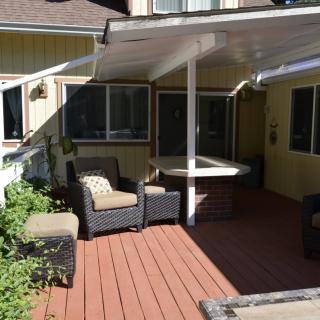
The strongest positives center on atmosphere and setting. The house itself is described as beautiful, with attractive grounds and a welcoming exterior that exudes homelike comfort rather than institutional formality. For residents who prioritize a nonclinical vibe, this environment can be a meaningful comfort, an enabling backdrop for routine, family visits, and low-key daily living. The compact size creates an easy-to-navigate space where staff can offer attentive, individualized contact without the distractions of a larger building. In short, when aesthetics, privacy, and a gentle pace matter, the place delivers a clear, tangible value proposition.
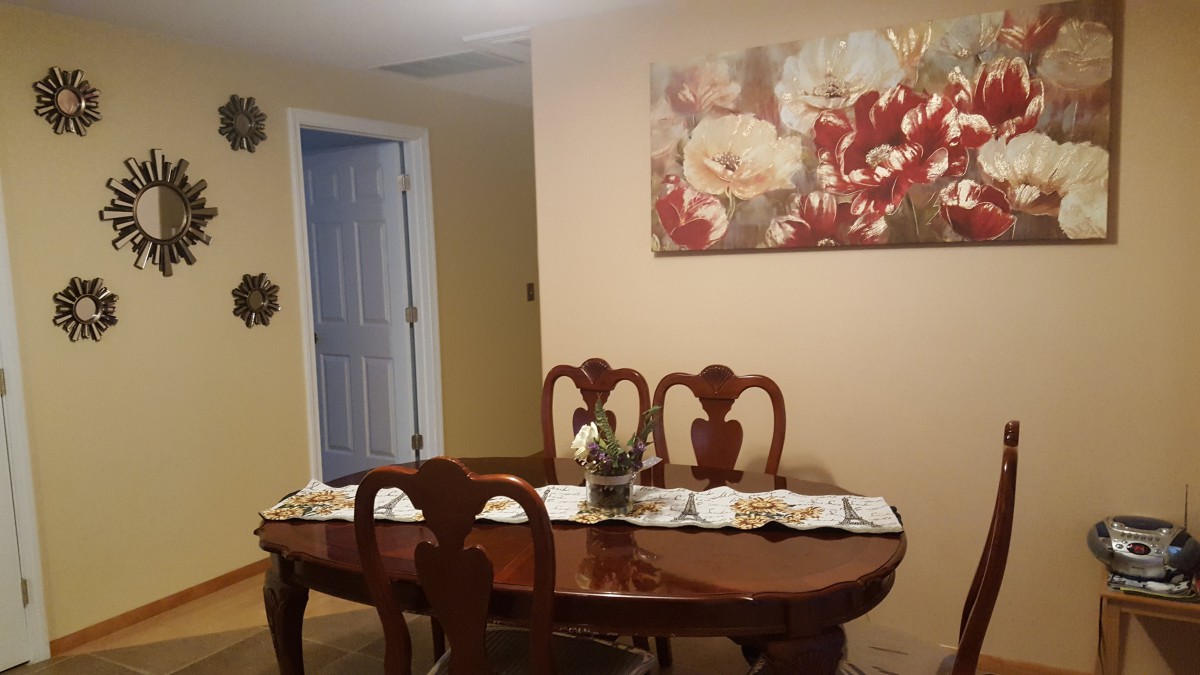
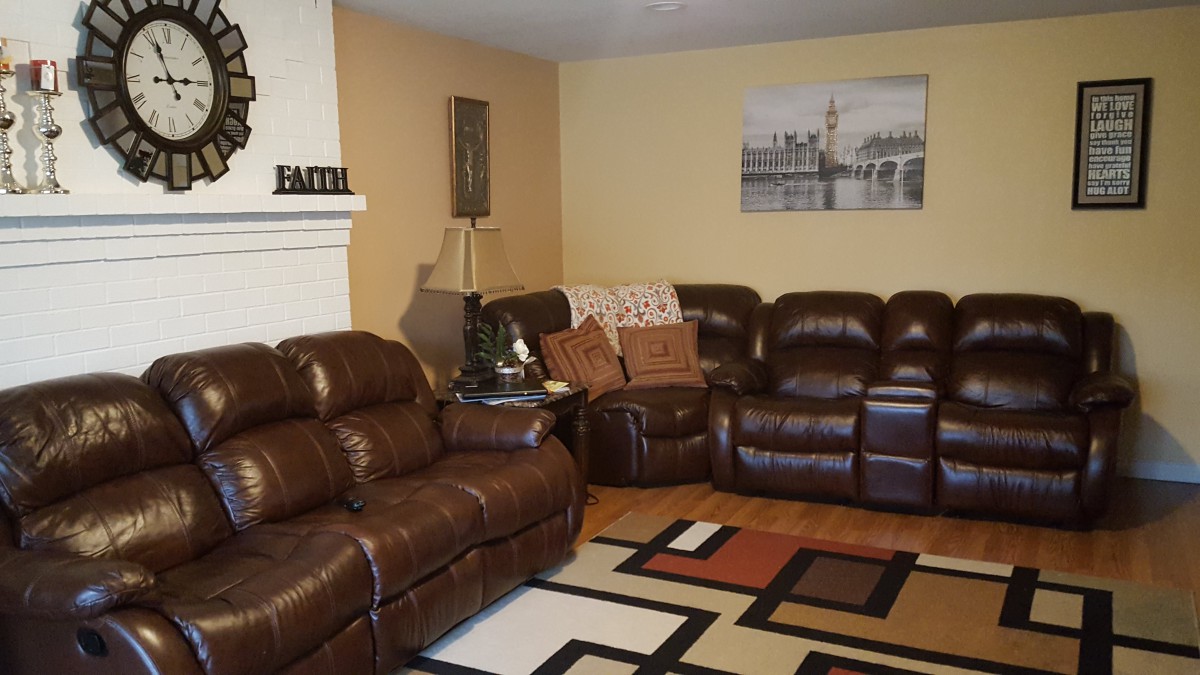
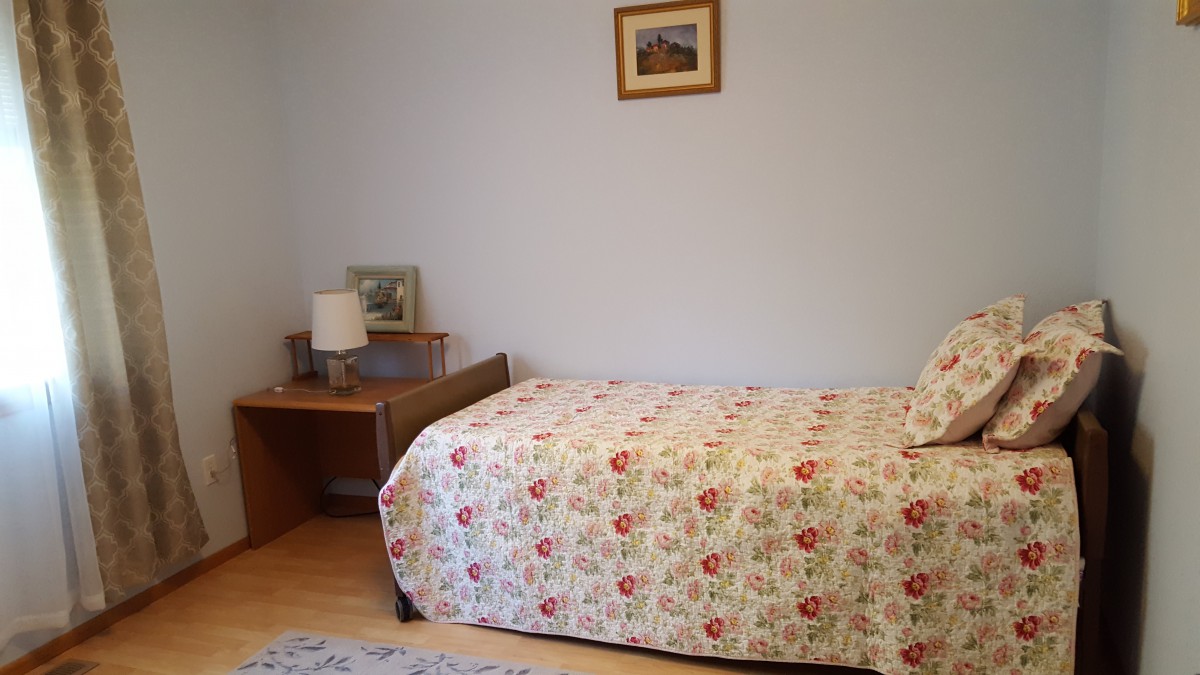
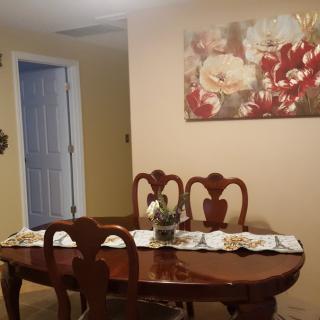
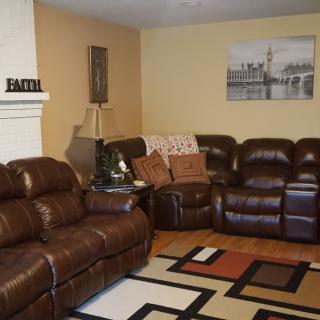
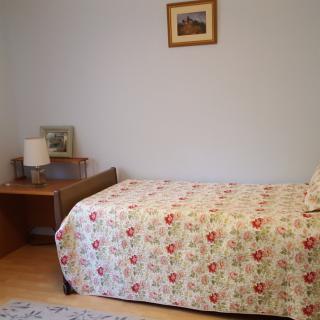
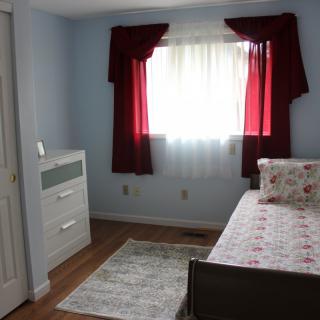
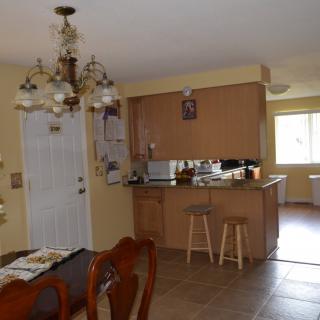
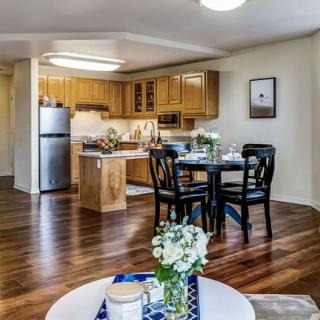
However, the unit’s very intimacy also highlights notable drawbacks. With only four rooms, the available living space is extremely limited, and private bedrooms are described as tiny. The resulting lack of private and shared square footage can constrain daily activities, mobility, and the potential for guests to feel comfortable staying for extended visits. The small common room reinforces a sense of confinement for residents who relish larger social or recreational areas or who have frequent visits from family and friends. These space constraints translate into practical implications for safety, mobility, and the ability to accommodate varying care routines, especially as needs evolve.
A troubling element in the reviews is the staffing dynamic. One observer noted that a caregiver helper appeared more like a patient, yet was permitted to “act like part of the staff,” which raises legitimate concerns about oversight, role clarity, and accountability. In a setting this small, the distinction between staff and residents matters for safety, training, and responsive care. Families weighing this option should demand clear evidence of staff qualifications, supervision protocols, and the facility’s approach to emergencies, medication management, and day-to-day support. Without transparent, robust governance around these issues, the otherwise appealing environment risks undermining reliability and consistency of care.
The apparent pros can offset the cons for a specific profile: a resident who is low- to moderate-need, who values a calm, aesthetically pleasing home and can thrive with limited communal space, may find this setting a rare fit. For such individuals, the intimate attention possible in a small team can feel more personal than a larger, busier facility. Yet for anyone whose care needs include more ongoing assistance, memory-support programming, or a broader social calendar, alternatives with larger resident cohorts, more robust activity offerings, and clearly defined staffing structures are likely to deliver fuller peace of mind and more predictable care.
Practical next steps are straightforward. Visit with a clear checklist: review the actual room dimensions, the availability of alternative room configurations, and the adequacy of private and shared spaces for comfort and safety. Ask for a detailed staffing plan: ratios, shift coverage, caregiver qualifications, and how supervision is handled. Probe the daily routines, programming, and transportation options to nearby activities, shopping, or medical appointments. Confirm licensing status and request references from current families about responsiveness and consistency of care. If distance from loved ones is a significant factor, map out a realistic visit schedule and corroborate how amenable the community is to accommodating regular family presence. If these criteria align, Clackamas Adult Care Home can be a warm, tasteful haven; if not, the search should continue toward environments with more space, clearer governance, and a broader support framework.
 Board and Care Home
 Activities on-site
 Cable or satellite TV
 Devotional services off-site
 Indoor common areas
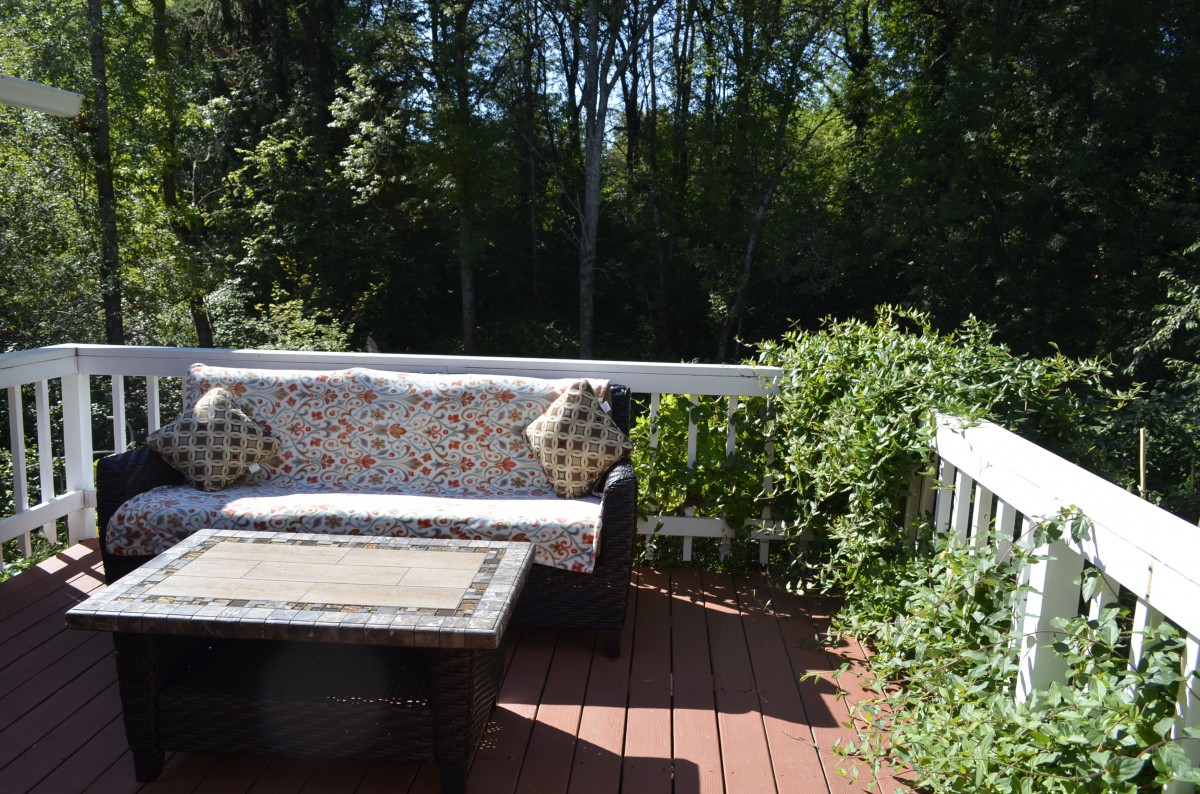
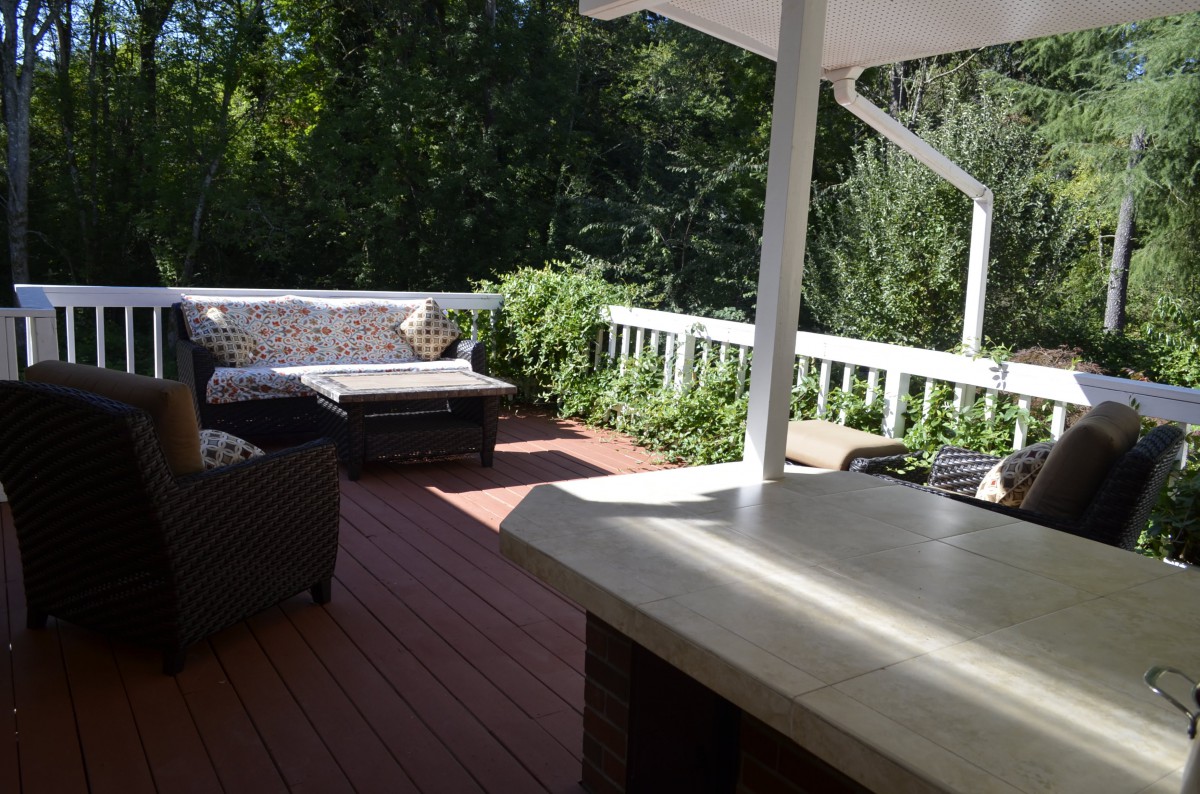
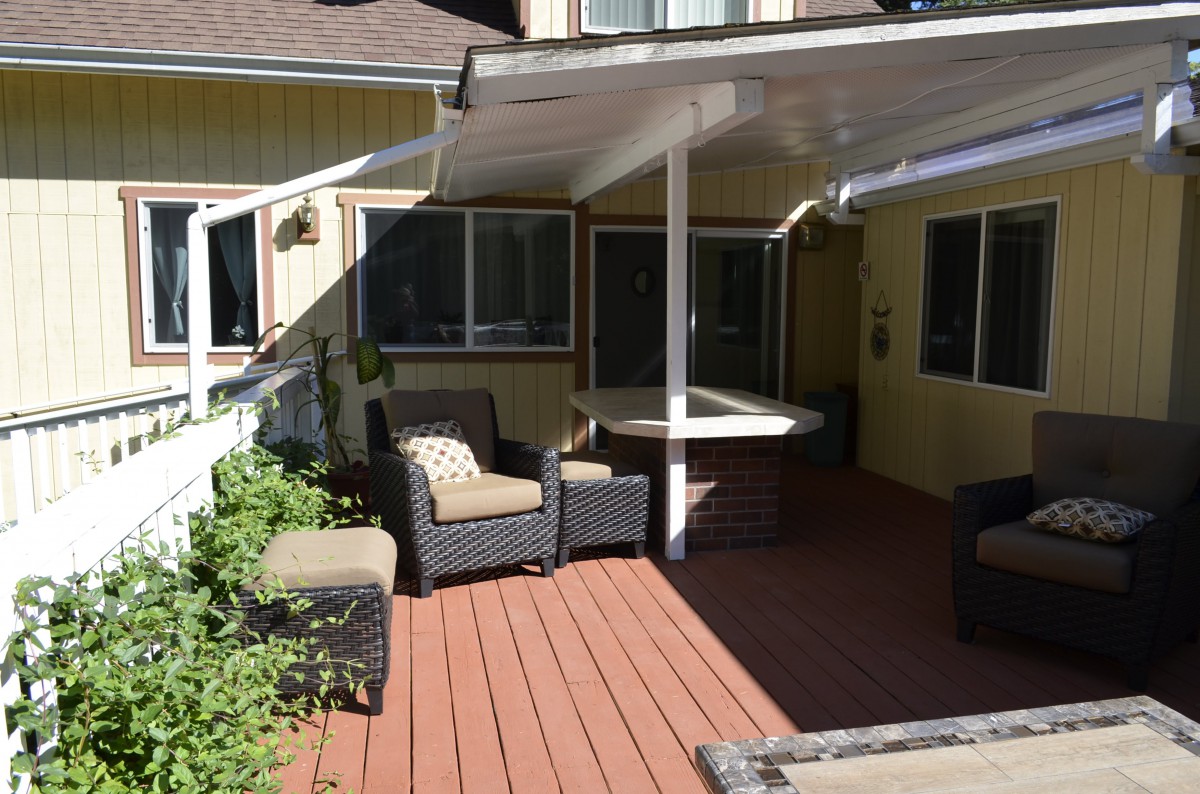
 Outdoor common areas
 Private
 Private bathrooms
 Wheelchair accessible showers
 Wi-Fi/high-speed internet available
 Portland International (12 miles away)
 Diabetic care
 High acuity care
 Incontinence care
 Medication management
 Anytime dining
 Art classes
 BBQs or picnics
 Birthday parties
 Cooking classes
 Gardening club
 Live dance or theater performances
 Live musical performances
 Stretching classes
 Visiting chaplain or priest
 Exploring Palliative Care in the Home: A Comprehensive Overview
 Comprehensive Insights into Palliative Home Care: What It Is and What to Expect
 Skilled Nursing Facilities vs. Nursing Homes: Making Sense of the Differences