
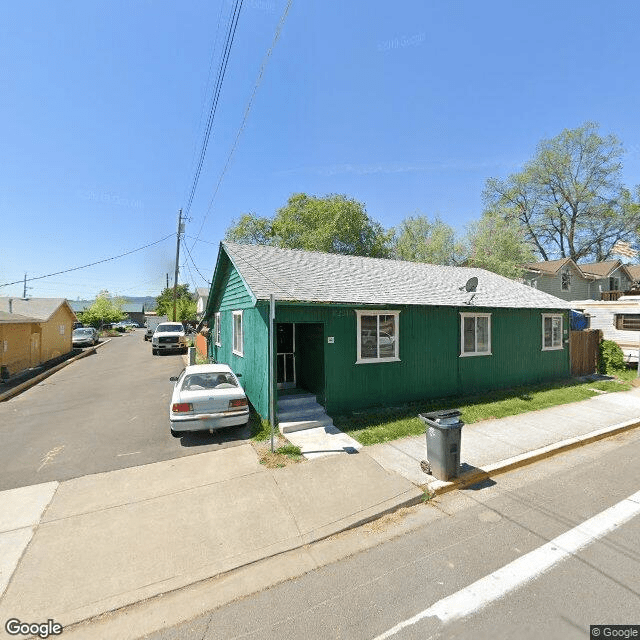
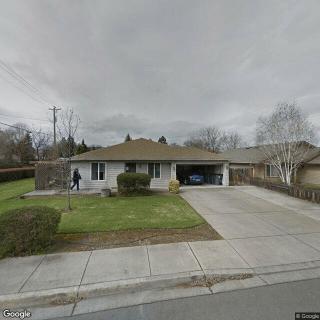
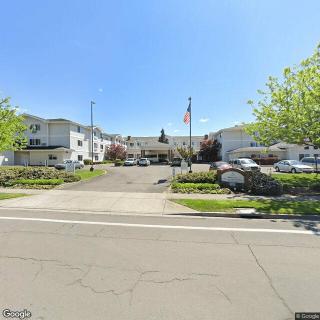
134 Laurel St, Central Point, OR 97502
To contact a resident: (541) 664-4415
For more information about senior living options: (866) 208-4318
Overall Review of Laurel Residential Care
Pros
 The facility is a nice place for loved elder family members to live once they need daily living assistance.
- It specializes in safe and secure memory care.
Cons
 The living conditions were filthy and the smell was so bad it made the reviewer physically ill, with very neglectful caregivers.
- Stacy does not care about the place or its staff, and she left the near-fire to her staff without taking action.
- The facility hardly ever answers the phone; repeated calls go unanswered and the voicemail is full.
- The administration runs the facility so poorly that residents are severely neglected by staff, and it’s unprofessional to have managers' kids working there who smoke pot in the parking lot and threaten other staff.
- It is extremely frustrating to contact anyone there; the phone is never answered and messages go ignored for weeks.
- The facility fails to take care of patients—examples include bed sores and a lack of bathing for extended periods, showing a pervasive lack of respect.
- The place is described as needing to be shut down or condemned due to disorganization and neglect.
- The reviewer warns that no family should house their loved ones there.
Review
Laurel Residential Care in Central Point, Oregon is best suited for families seeking a memory-care focused, secure setting for a loved one who needs daily supervision and a controlled environment. The facility markets itself as a safe place where memory-impaired residents can live with guardrails and structure. For families whose top priorities are a proven, reliable care team, transparent communication, and consistently clean conditions, alternatives deserve serious consideration. The memory-care designation matters: it implies specialized routines, monitoring, and behavior management that may be essential for certain residents, but it does not automatically ensure quality of daily life.
From the gathered reviews, the most consequential flaws are cleanliness, safety, and responsiveness. Descriptions emphasize filth and a strong odor, with staff and facilities falling far short of professional standards. Neglectful care emerges as a recurring theme, including insufficient bathing and inadequate treatment of skin issues, leaving residents without adequate attention for extended periods. Management repeatedly appears disengaged or overwhelmed; one critical incident suggests a near-fire situation was mishandled, and there are persistent concerns about staff morale and professionalism, including inappropriate behavior in the parking area. Communication is a pervasive bottleneck: phones unanswered, voicemail boxes full, and calls reportedly unreturned for weeks.
Those negatives bluntly strike at the core value offered: a secure memory-care environment. The one clear pro, the facility’s memory-care specialization, offers apparent structure, routine, and safety features that can be essential for residents who wander or require high levels of supervision. In theory, this could offset some operational gaps if staffing were consistently trained and responsive. In practice, however, the current pattern of neglect, disorganization, and poor communication undermines the benefit, making safe, dignified care uncertain rather than dependable.
Before deciding, prospective families should verify whether conditions have improved and implement a due-diligence plan. Schedule a live tour with a focus on cleanliness, safety equipment, and resident interactions. Request to speak with the administrator and front-line caregivers to assess training and turnover. Probe for response times to calls and whether there is a consistent caregiver-to-resident ratio. Inspect daily routines, bathing schedules, and skin-care protocols for residents with memory impairment. Ask outright about incident history, how emergencies are managed, and what accountability measures exist for staff. Finally, demand recent references from current families and a clear, written care plan with measurable goals.
Alternatives should be on the shortlist for any family not willing to accept repeated communication failures or questionable cleanliness. Facilities with strong, stable management, proactive family updates, transparent reporting, and high staffing standards typically outperform Laurel on everyday quality of life metrics. For memory-care-specific needs, seek communities with a documented track record of preventing bed sores, ensuring timely assistance, and maintaining a clean, odor-free environment. If a resident’s well-being hinges on rapid escalation and dependable response, these attributes become non-negotiable.
Bottom line: Laurel Residential Care represents a high-risk option in the Central Point market. It may appeal only to families who place a premium on the memory-care framework and are prepared for the likelihood of operational instability. For most families, especially those prioritizing cleanliness, reliable communication, and consistently attentive care, exploring stronger options is advised. A rigorous comparison process, site visits, direct conversations with management, and written care plans, will clarify which community can deliver on safety, dignity, and daily living needs. If pursuing Laurel, approach with structured questions, a clear trial period, and a plan to switch if commitments aren’t met.
 Board and Care Home
 Rogue Valley International (2 miles away)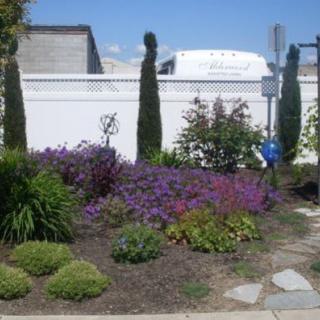


 Essential Knowledge on Pneumonia in Older Adults
 Exploring Palliative Care in the Home: A Comprehensive Overview
 Comprehensive Insights into Palliative Home Care: What It Is and What to Expect