
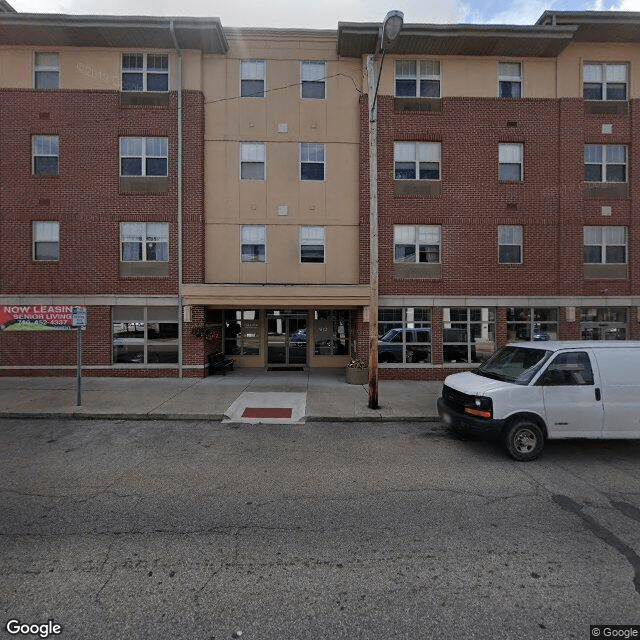
502 Market Street, Zanesville, OH 43701
To contact a resident: (740) 452-4337
For more information about senior living options: (866) 208-4318
Pollock Apartments Costs & Pricing
Pollock Apartments offers competitively priced studio units at $575 per month, significantly lower than the average rental costs in Muskingum County and across the state of Ohio. In comparison, renters in Muskingum County typically face an average monthly expense of $2,816, while the state-wide average rises even higher to $3,727. This indicates that Pollock Apartments provides a cost-effective option for individuals seeking housing in the area, making it an attractive choice for students or professionals looking to manage their budgets without sacrificing quality living arrangements.
| Floor plans | Pollock Apartments | Muskingum County | Ohio |
|---|---|---|---|
| Studio | $575 | $2,816 | $3,727 |
Senior living communities with a similar price nearby
-
About the same
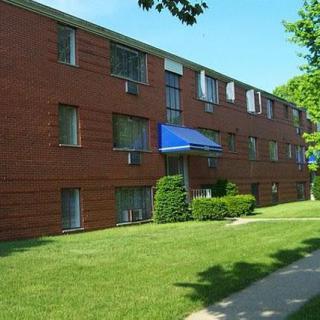
Plaza Garden Apartments
$565 to $600 / month24.1 miles away -
from -$65 / mo

Sharon Glyn
$510 to $570 / month24.5 miles away
Overall Review of Pollock Apartments
Cons
 The manager is described as worthless, rude, and long overdue for firing.
- The place is the worst ever, with the elderly treated very badly.
- The office manager is not compassionate; she treats residents like inmates, belittles them, and can force them out if she dislikes them.
- She talks about other residents' private business and makes issues seem like a bother to handle.
- Management is a huge problem in Zanesville; this review is living proof.
- Some residents are forced out for walking, receive large bills, and feel like they’re in a prison ward.
- The staff, including a manager named Susan, are described as terrible and exploiting vulnerable residents; not recommended.
- A reviewer calls for the office manager to be fired and suggests the board should resign.
Review
Pollock Apartments in Zanesville, OH is best suited for residents who truly have no viable housing alternatives and can tolerate a punitive, impersonal management style. The prevailing feedback makes clear that the operating culture here functions more like a strict, nine-to-five governance than a warm, supportive living environment. Prospective residents should not expect individualized attention, proactive problem-solving, or a sense of companionship; the tone and tenor described by multiple tenants point to a setting where rule enforcement and authority override resident dignity. In practical terms, this is a property to be approached only if every other option has been exhausted and the priority is simply securing a roof, not finding a caring home.
Any family or elder navigating this choice should actively consider alternatives. Communities with demonstrated commitments to respectful interaction, transparent communication, and resident advocacy are far more likely to deliver the stability many aging adults require. If the goal is to preserve independence without compromising safety or self-worth, Pollock Apartments should not be the default choice. Those with sensitive health needs, mobility challenges, or a desire for a pleasant, collaborative living atmosphere ought to look toward options that emphasize resident rights, approachable management, and consistent follow-through on concerns.
The scant positive elements that might exist, such as basic affordability or straightforward, minimal-maintenance housing, do not meaningfully offset the overwhelming downsides. The reviews repeatedly describe a culture where problems are minimized or dismissed rather than addressed, turning what should be routine support into sources of anxiety. In practical terms, the supposed benefits fail to justify exposure to ongoing management friction, complicated charges, and a climate of fear or intimidation. When weighed against the potential cost in dignity and peace of mind, the apparent conveniences come up short.
The central issue is management. The office manager, identified repeatedly in the feedback, emerges as a controlling, discourteous figure who treats residents as if they are wards rather than tenants. Descriptions of belittling behavior, a lack of compassion, and invasions of privacy (sharing residents’ business with others) paint a portrait of an environment that undermines trust and security. The pattern suggests that, for those needing responsive, humane leadership, this particular building’s leadership fails to meet even basic standards of elder regard. Rhetorical assurances of help and support ring hollow when followed by a culture of intimidation and “accountability” that feels punitive.
The consequences of that management approach ripple through daily life. Residents report feeling scared to speak up, facing threats of eviction for ordinary activities, and witnessing or enduring financially punitive actions that appear disproportionate to the issues at hand. The metaphor of a prison-like atmosphere is more than hyperbole for several accounts, including claims that a resident was billed heavily after an incident linked to mobility and bathroom needs. Such episodes erode safety, autonomy, and trust in the place meant to protect and support seniors. When living space becomes a source of stress and fear, the supposed benefits evaporate in practical terms.
In the end, the prudent course is clear. Pollock Apartments should be avoided by families prioritizing dignity, consistent care, and respectful treatment. If there is no immediate alternative, insist on rigorous documentation of policies, performance reviews of the management team, and ongoing oversight from third-party exercise of resident rights. Conduct thorough conversations with current residents about day-to-day responsiveness, and verify any eviction or fee policies in writing before committing. For families seeking real peace of mind, channel the search toward communities with proven, compassionate leadership and a track record of treating seniors as respected members of a community rather than administrative challenges to be managed.
 Active Adult Communities (55+)
 Proactive pest-control efforts aimed at a long-term solution.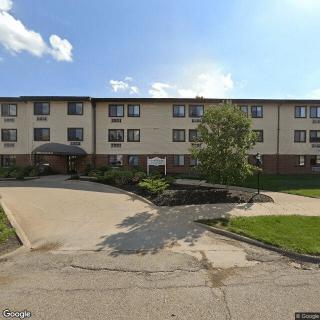



 Comprehensive Exploration of Living Wills and Other Advance Directives
 A Detailed Exploration of Living Wills and Advance Directives
 Comprehensive Guide to Medicare Coverage for Hospice Care