Chesterwood Village offers a competitive pricing structure for its residents, particularly when compared to both Hamilton County and the broader state of Ohio. For a studio apartment, the monthly cost at Chesterwood Village is $3,137, significantly below Hamilton County's average of $4,327 and only slightly higher than the state average of $3,727. One-bedroom units are similarly priced favorably at $3,723, which is notably lower than the county's rate of $4,174 while remaining on par with the state's $3,712. Even in the two-bedroom category, Chesterwood Village maintains a reasonable rate of $4,271 compared to Hamilton County's higher price point of $4,030 and well above Ohio's average of $3,501. This pricing positions Chesterwood Village as an attractive option for those seeking quality living arrangements that provide value without compromising comfort or amenities.
Floor plans
Chesterwood Village
Hamilton County
Ohio
Studio
$3,137
$4,327
$3,727
1 Bedroom
$3,723
$4,174
$3,712
2 Bedrooms
$4,271
$4,030
$3,501
Assisted Living communities with a similar price nearby
Residents and families repeatedly describe attentive, caring staff members who help with day-to-day needs.
Across many reviews, families and residents describe staff as friendly, supportive, and responsive when questions or concerns come up. Several mention professional nurses and aides, with help that feels thorough and patient during rehab and recovery. A few reviews also note communication can be harder than it should be at times, especially when trying to reach someone.
differentiator6 reviews mention this
Care levels and age-in-place
The community’s care setup supports staying as needs change rather than forcing a move immediately.
Multiple reviews say the layout is designed for aging in place, with families expecting residents can move into a different section if medical care becomes necessary. One reviewer specifically describes being told a person could stay in a patio home until medical care is needed, then transition within the facility. Others mention having independent living alongside assisted living, dementia units, and nursing care options in the same community.
common9 reviews mention this
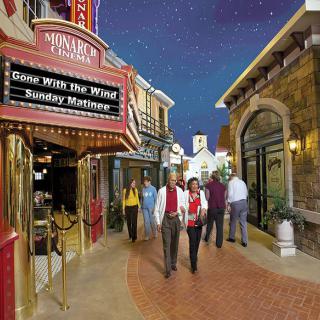
Activities and ‘Main Street’ feel social
Residents describe a full calendar of activities and community spaces that keep people engaged.
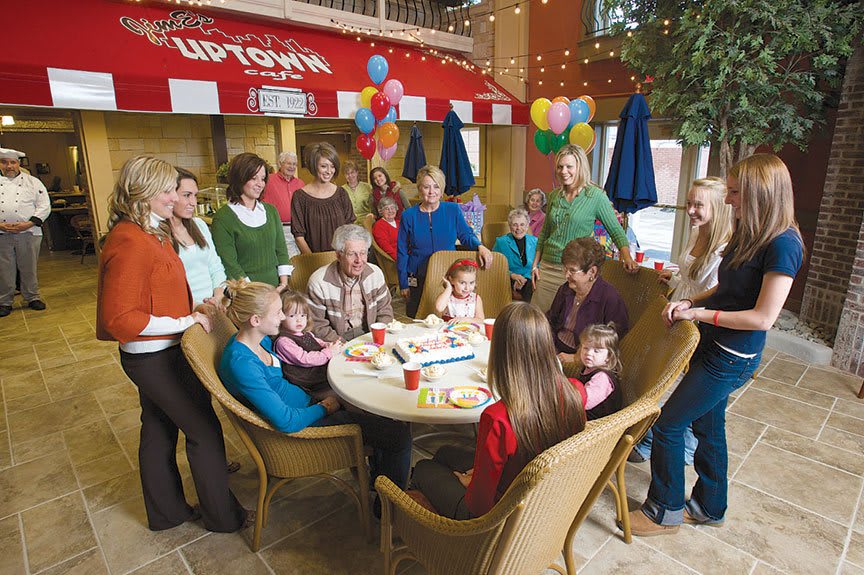
Many reviews highlight on-site activities and social options, including outings, games and crafts, and regular community events. Several also point to dedicated gathering spaces—often described with pride—where residents spend time with others. Even when one reviewer felt the overall vibe might not fit a loved one, the theme is still that there’s a lot going on.
caveat6 reviews mention this
Dining earns mixed feedback
Dining is a frequent topic, with some residents enjoying meals while others report the quality has declined.
Some reviews praise the food as good or even surprisingly good, and a few mention residents enjoy their meals. Other reviewers describe dining as only average or say it worsened over time, including complaints about food being unpleasant. One review notes a resident stopped eating in the dining room because of the food.
common2 reviews mention this
Convenient for shopping and visits
Reviewers mention the community’s location makes it easier to get out for shopping and family visits.
At least a couple of reviews describe it as close to stores and shopping, and one mentions being near a grocery area. Another notes easy access to the freeway and that family can reach the community without difficulty.
caveat3 reviews mention this
Communication and access can disappoint
Some reviews raise concerns about communication and access to residents, especially during restricted periods.
A few reviews describe trouble getting in touch with staff or reaching family members, including long delays and being transferred between people. During COVID-related restrictions, one reviewer says they had limited contact and no clear updates about a loved one’s condition. Another review also describes staff behavior that felt unhelpful during a request for assistance.
How we summarize
Counts show how many written reviews mention each theme; a review can touch several themes, and only frequently mentioned themes are displayed.
Features
Housing
74 resident community capacity
1-bedroom apartments
2-bedroom apartments
Detached homes
Studio apartments
Types of Care
Assisted Living
Continuing Care Retirement Community (CCRC)
Independent Living
Memory Care
Respite Care
Skilled Nursing Facility
Amenities
Activities off-site
Activities on-site
Air-conditioning
Bath tubs
Beautician on-site
Beauty salon
Cable or satellite TV
Computer center
Devotional services off-site
Devotional services on-site
Dining room
Fitness room
Full kitchen
Fully furnished
Gaming room
Garden
Housekeeping services
Indoor common areas
Kitchenette
Laundry
Move-in coordination
Outdoor common areas
Outdoor space
Party space
Private bathrooms
Resident parking
Respite or short term stays offered
Restaurant-style dining
Small library
Swimming pool
Telephone
Wellness center
Wheelchair accessible showers
Wi-Fi/high-speed internet available
Transportation
Community operated transportation
Transportation & parking
Transportation arrangement
Care Services
24-hour call system
24-hour supervision
Activities of daily living assistance
Ambulatory care
Assistance with bathing
Assistance with dressing
Assistance with transfers
Diabetes diet
Diabetic care
High acuity care
Incontinence care
Meal preparation and service
Medication management
Physical therapy
Special dietary restrictions
Dining
Diabetes diet
Meals provided
Special dietary restrictions
Activities
Activities off-site
Activities on-site
Community-sponsored activities
Concierge services
Devotional activities offsite
Devotional activities on-site
Fitness programs
Planned day trips
Religious services
Resident-run activities
Scheduled daily activities
Languages Spoken
English
Nearby Places of Interest
This part of West Chester, Ohio offers a wide range of amenities and services that may appeal to seniors looking for a convenient and vibrant community. With several restaurants nearby offering a variety of dining options, as well as numerous cafes such as Starbucks for casual meetups or quiet reading sessions, residents can enjoy a diverse culinary scene. Additionally, there are several pharmacies and healthcare facilities in close proximity, including hospitals like West Chester Hospital and Cincinnati Children's Hospital Medical Center Liberty Campus, ensuring easy access to medical care. Outdoor enthusiasts will appreciate the nearby parks like Voice of America Park for leisurely walks or picnics. For spiritual fulfillment, there are various places of worship available within a few miles' radius. Furthermore, the area provides entertainment options like the AMC West Chester 18 theater and transportation services like the KI/Miami Valley Railroad station for those looking to explore beyond the immediate vicinity. Overall, this part of West Chester offers convenience, healthcare access, recreational opportunities, and community engagement for seniors seeking an active lifestyle in their golden years.
Restaurants
Chick-Fil-A (0.3 miles)
Raising Cane's Chicken Fingers (0.6 miles)
Chicken Salad Chick (1.4 miles)
Chick-Fil-A (1.5 miles)
Kona Grill (1.7 miles)
Agave & Rye (1.7 miles)
The Cone (2.1 miles)
Cafes
Starbucks (0.4 miles)
Starbucks (4.1 miles)
Starbucks (4.3 miles)
Starbucks (5.5 miles)
Starbucks (5.6 miles)
Pharmacies
Walgreens (0.5 miles)
Discount Drug Mart (1.3 miles)
Skilled Care Pharmacy (1.5 miles)
Walgreens (2 miles)
CVS Pharmacy (2 miles)
Assure Rx Health (2.6 miles)
Walgreens (2.9 miles)
Hospitals
West Chester Hospital (0.8 miles)
Cincinnati Children's Hospital Medical Center Liberty Campus (1.9 miles)
Micu 4 (2.9 miles)
Cincinnati Children's (4.4 miles)
Midwest Process Innovation (4.7 miles)
Group Health Medical Center (5.5 miles)
TriHealth Seniority - TriHealth Bethesda North Hospital (6.9 miles)
Physicians
Cincinnati Arthritis Association (0.8 miles)
Orthopaedic & Sports Medicine (0.8 miles)
Wetherington Family Medicine (1 miles)
DOCS - Dermatologists Of Central States (DSWO) - Mason (1.3 miles)
Southwest Ohio Pain Management (1.8 miles)
Mason Women's Center (2.2 miles)
Mercy Health Partners Lab, X-ray (2.2 miles)
Parks
Voice of America Park (1.1 miles)
Cottell Park (3.4 miles)
Fleckenstein Park (3.8 miles)
Sharon Woods Park (5.5 miles)
Weller Park (6.2 miles)
Places of Worship
Four Corners Church (1.1 miles)
Mason Christs Church At (2 miles)
Heritage Presbyterian Church (2.7 miles)
St Anne Episcopal Church (2.7 miles)
Axis Christian Church (3.5 miles)
Motherless Daughters Ministry (7 miles)
Theaters
AMC West Chester 18 (4 miles)
Transportation
KI/Miami Valley Railroad - Losantiville Station (4.8 miles)
Chesterwood Village offers a competitive pricing structure for its residents, particularly when compared to both Hamilton County and the broader state of Ohio. For a studio apartment, the monthly cost at Chesterwood Village is $3,137, significantly below Hamilton County's average of $4,327 and only slightly higher than the state average of $3,727. One-bedroom units are similarly priced favorably at $3,723, which is notably lower than the county's rate of $4,174 while remaining on par with the state's $3,712. Even in the two-bedroom category, Chesterwood Village maintains a reasonable rate of $4,271 compared to Hamilton County's higher price point of $4,030 and well above Ohio's average of $3,501. This pricing positions Chesterwood Village as an attractive option for those seeking quality living arrangements that provide value without compromising comfort or amenities.
The features offered at Chesterwood Village are specifically designed to create a supportive environment for residents with dementia or Alzheimer's disease, significantly enhancing their quality of life. The 24-hour supervision ensures that trained staff are always available to provide immediate assistance and reassurance, promoting a sense of safety. Assistance with activities of daily living, such as bathing and dressing, not only fosters personal hygiene but also helps maintain dignity and self-esteem. Care during transfers is crucial in preventing falls, while incontinence care addresses a common challenge faced by residents, enhancing comfort and reducing stress for both individuals and families. Meal preparation and service ensure that residents receive nutritious meals tailored to their dietary needs, promoting overall health. Additionally, medication management is vital for maintaining adherence to prescribed treatments. Finally, physical therapy supports mobility and strength, contributing to greater independence while addressing physical challenges associated with cognitive decline. Together, these services create a holistic approach that nurtures both the physical and emotional well-being of residents in memory care.
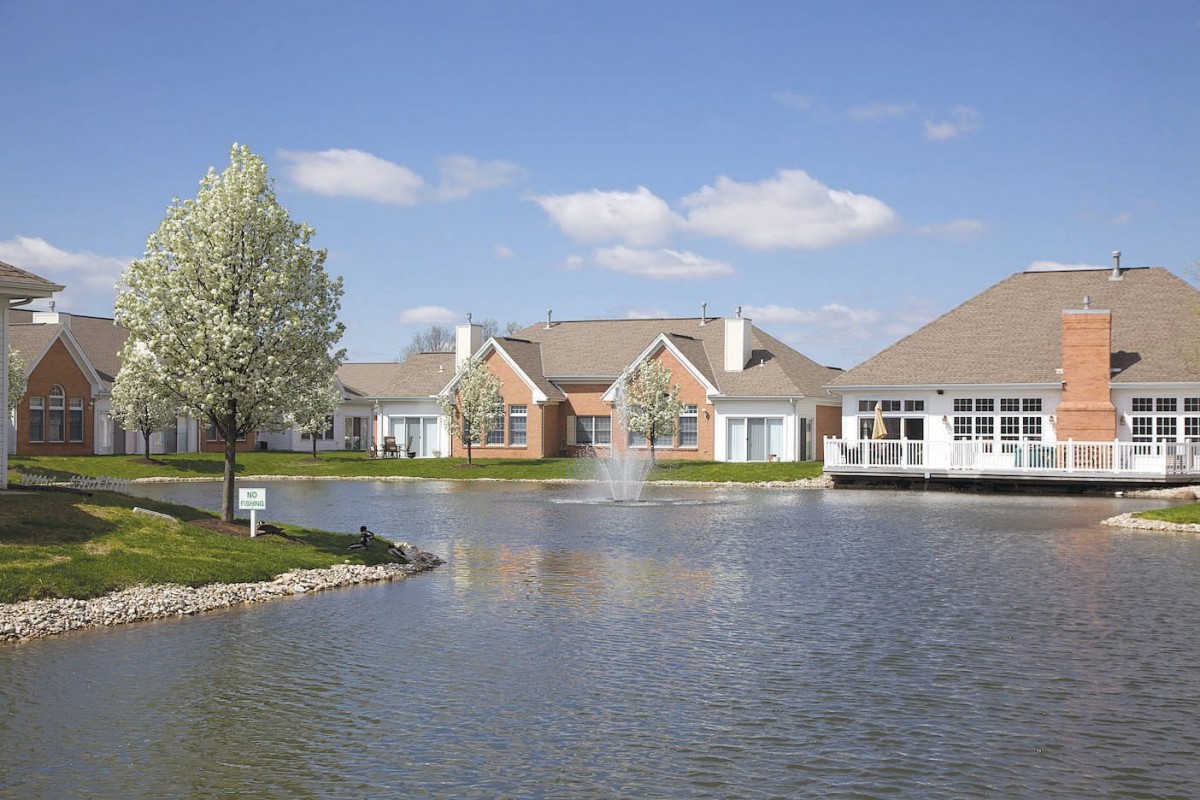
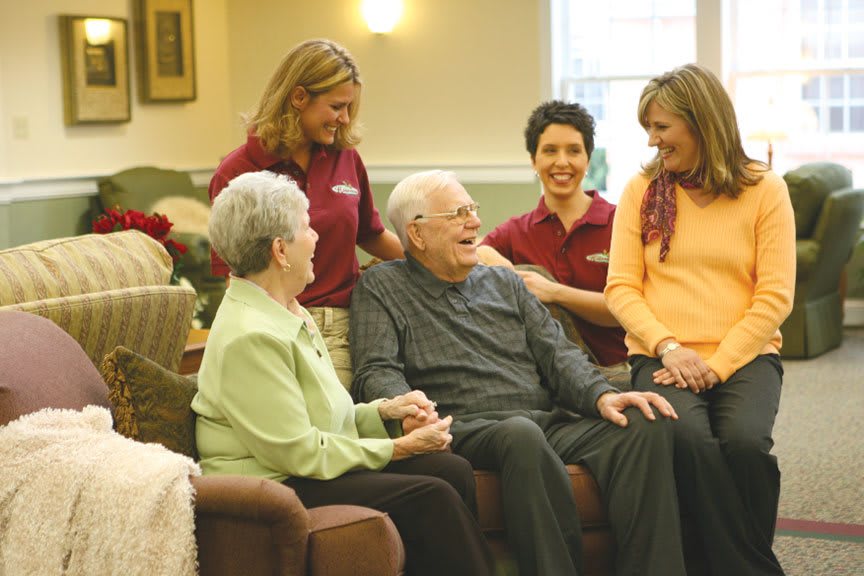
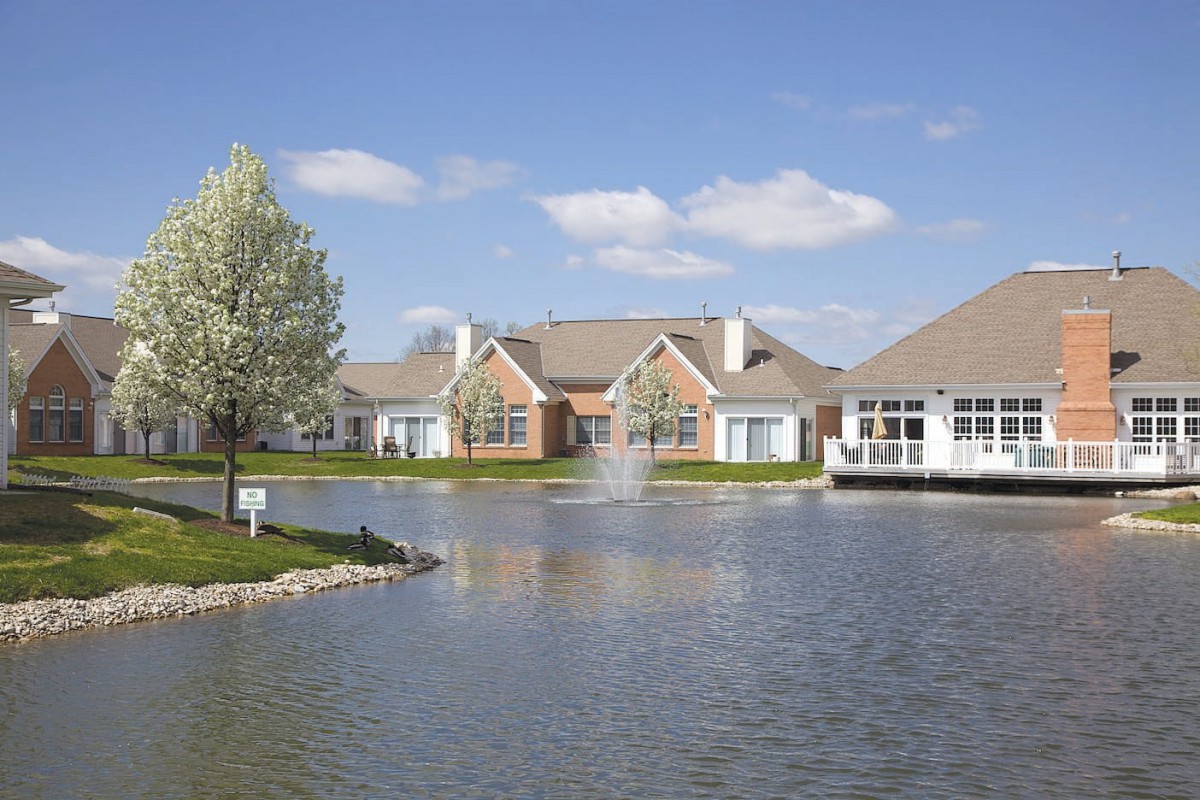
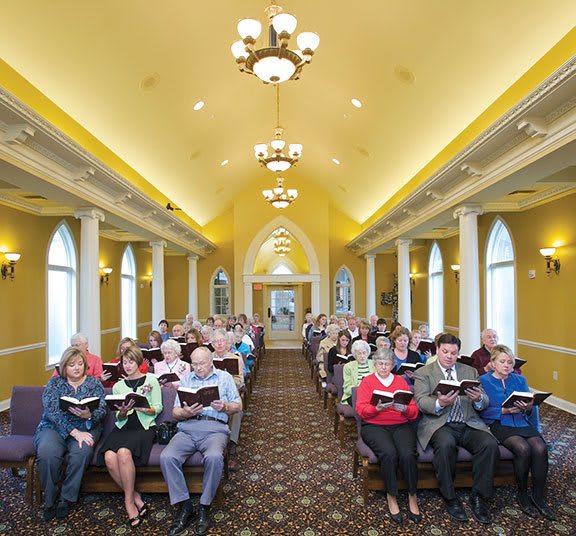
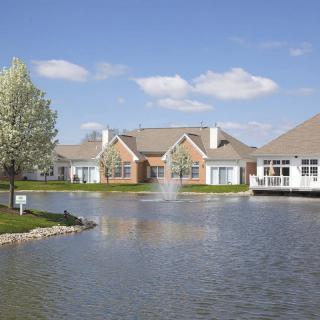
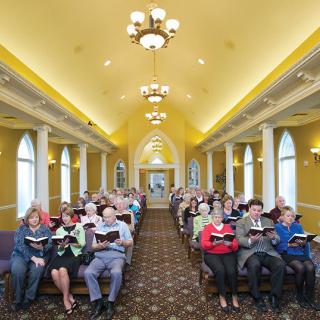
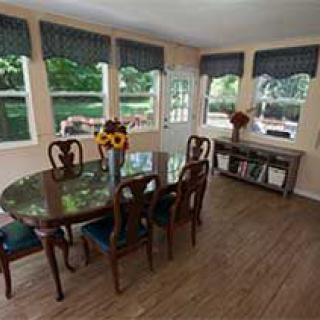
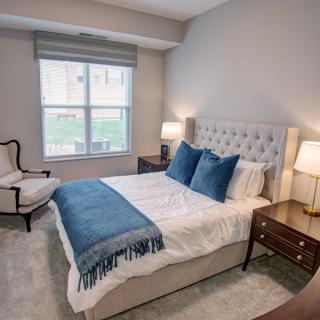
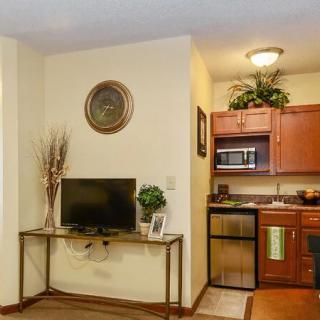
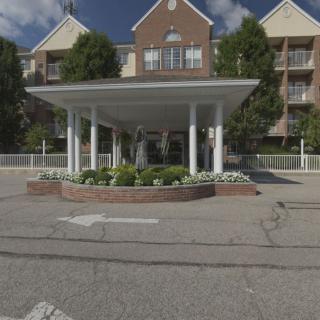
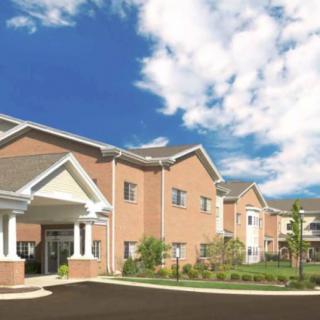
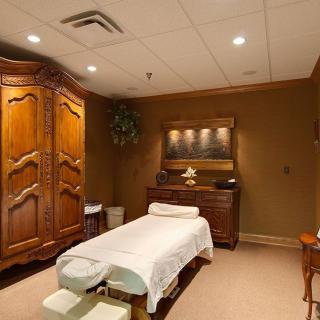
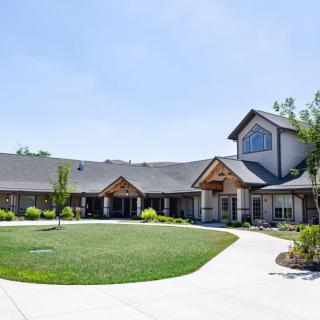
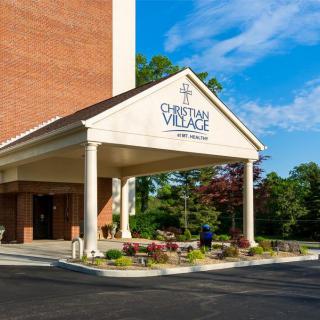
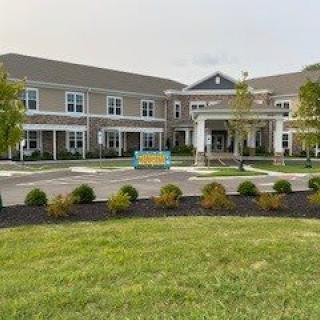
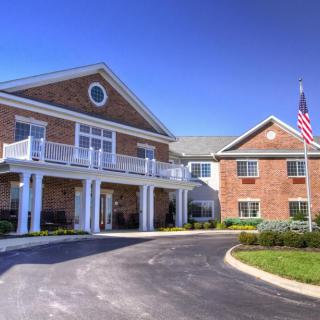
Chesterwood Village on seniors.fyi includes 8 photos including images showing interior, architecture, nursing home, pond, nature, landscaping, water, theater, and more.
Nearby Communities
Hillandale Communities | Chesterwood Village
West Chester Township, OH
3.5 from 113 reviews
Diverse housing options and robust on-site amenities with active resident life.
ComForcare Senior Services
West Chester, OH
Excellent access to a wide range of nearby amenities and healthcare.
Care Team Network
West Chester, OH
Amenities-rich location with easy access to cafes, parks, pharmacies, physicians, restaurants, worship venues, and hospitals.
Heritagespring Healthcare Center Of West Chester
West Chester, OH
4.2 from 137 reviews
Beautiful, well-maintained facility with pleasant grounds and some compassionate staff.
Barrington of West Chester
West Chester, OH
4.6 from 119 reviews
$3,950 to $4,250 / month
Clean, well-maintained facility with spacious 1- and 2-bedroom apartments, a wide activity program, and friendly, responsive staff.
The Legacy At Liberty Ridge
West Chester, OH
4.6 from 48 reviews
Strong caregiver engagement with extensive memory-care amenities.
Mason Christian Village
Mason, OH
4.1 from 35 reviews
Newer facility with friendly, attentive staff and clean, welcoming spaces.
BrightStar Living of Mason
Mason, OH
4.7 from 79 reviews
$4,000 to $4,700 / month
Caring staff with personalized care, clear family communication, and a bright, engaging environment.
The Landing of Long Cove
Mason, OH
4.4 from 147 reviews
$3,580 to $4,550 / month
Attentive staff in a clean, well-equipped community with engaging activities.
Reminiscence therapy helps individuals with dementia recall past memories through structured discussions and meaningful objects, enhancing mood, relationships, and sense of identity while celebrating their lives. It can be practiced in formal settings or at home, requiring sensitivity to personal histories and cultural backgrounds.
Reminiscence therapy is a structured method for older adults, especially those with dementia, to share life stories using prompts and sensory cues, fostering emotional well-being, social engagement, and self-identity. It aims to improve quality of life by enhancing interpersonal connections and cognitive stimulation while requiring careful facilitation to avoid distressing memories.
Dementia, particularly Lewy body dementia, often involves hallucinations that can significantly distress both patients and caregivers due to disruptions in sensory processing and neurotransmitter imbalances. Effective management includes compassionate communication, environmental adjustments, and a multidisciplinary approach to care while addressing the emotional needs of caregivers.
Get PricingAsk A QuestionSchedule A TourContact Senior Advisor
By clicking submit, you agree to our Partner's Terms of Use. You
also consent to receive calls and texts, which may be autodialed, from our Partner. Your consent is not a condition to
using our Partner's service. Please visit our Partner's Privacy Policy for information about their privacy practices.








 74 resident community capacity
 1-bedroom apartments
 Detached homes
 Assisted Living
 Continuing Care Retirement Community (CCRC)
 Independent Living
 Memory Care
 Respite Care
 Skilled Nursing Facility
 Activities off-site
 Air-conditioning
 Bath tubs
 Beautician on-site
 Cable or satellite TV
 Computer center
 Devotional services off-site
 Dining room
 Fitness room
 Full kitchen
 Fully furnished
 Gaming room
 Garden
 Housekeeping services
 Indoor common areas
 Laundry
 Move-in coordination
 Outdoor common areas
 Party space
 Private bathrooms
 Resident parking
 Restaurant-style dining
 Small library
 Swimming pool
 Telephone
 Wellness center
 Wheelchair accessible showers
 Wi-Fi/high-speed internet available
 Community operated transportation
 24-hour call system
 Ambulatory care
 Assistance with bathing
 Assistance with dressing
 Assistance with transfers
 Diabetes diet
 Diabetic care
 High acuity care
 Incontinence care
 Medication management
 Physical therapy
 Special dietary restrictions
 Concierge services
 Planned day trips
 English
 Diverse housing options and robust on-site amenities with active resident life.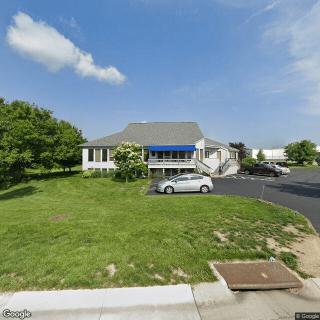
 Exploring the Power of Reminiscence Therapy for Individuals With Dementia
 An In-Depth Look at Reminiscence Therapy in Dementia Care
 Dementia-Related Hallucinations: Causes, Experiences, and Practical Approaches