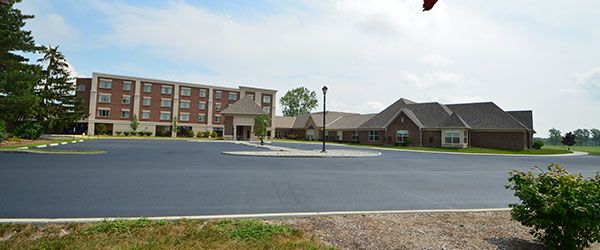

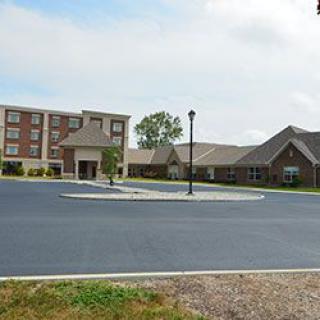
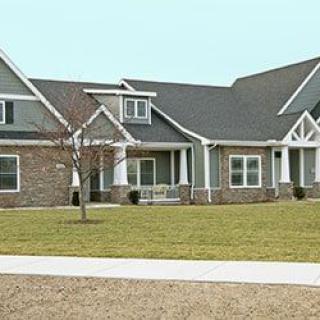
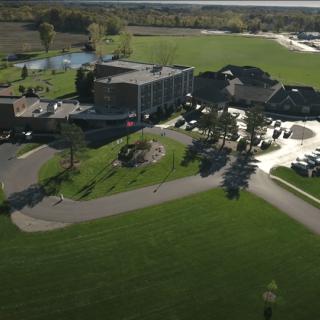
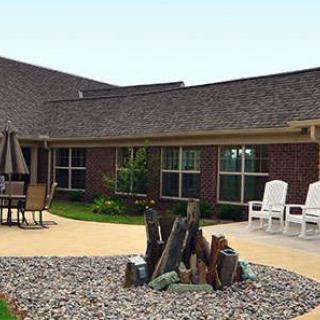
8883 Browning Drive, Waterville, OH 43566
For more information about senior living options: (866) 208-4318
Browning Masonic Community Costs & Pricing
Browning Masonic Community offers competitive pricing for its residents compared to both Lucas County and the broader state of Ohio. For a studio apartment, Browning's monthly cost of $2,010 significantly undercuts the county average of $3,843 and the state average of $3,727. This trend continues with their one-bedroom units priced at $2,900, which is notably higher than Lucas County's average of $2,789 but remains more affordable than the state's typical rate of $3,712. However, when it comes to two-bedroom options, Browning's rate of $3,895 exceeds both Lucas County's average of $2,513 and Ohio's average of $3,501. Overall, Browning Masonic Community provides an appealing choice for those seeking affordable living arrangements in a supportive community environment.
| Floor plans | Browning Masonic Community | Lucas County | Ohio |
|---|---|---|---|
| Studio | $2,010 | $3,843 | $3,727 |
| 1 Bedroom | $2,900 | $2,789 | $3,712 |
| 2 Bedrooms | $3,895 | $2,513 | $3,501 |
Memory care communities with a similar price nearby
-
from +$65 / mo
Perrysburg Commons
$2,075 to $3,959 / month9.6 miles away -
About the same
Landings Of Oregon
$2,070 to $5,125 / month19.1 miles away -
About the same
Otterbein Pemberville SeniorLife Community
$2,000 to $3,200 / month15.6 miles away -
About the same
Henderson House Assisted Living
$1,995 to $2,800 / month8.9 miles away
Overall Review of Browning Masonic Community
Pros
 The staff at Pathways is exceptional.
- The life enrichment director goes above and beyond to tailor activities to residents' preferences.
- They give residents independence, but in a safe way.
- His quality of life has improved greatly.
- Everyone there is very nice.
- It feels like a community where he can thrive and feel in control.
- The staff has been very patient with him as he adjusts.
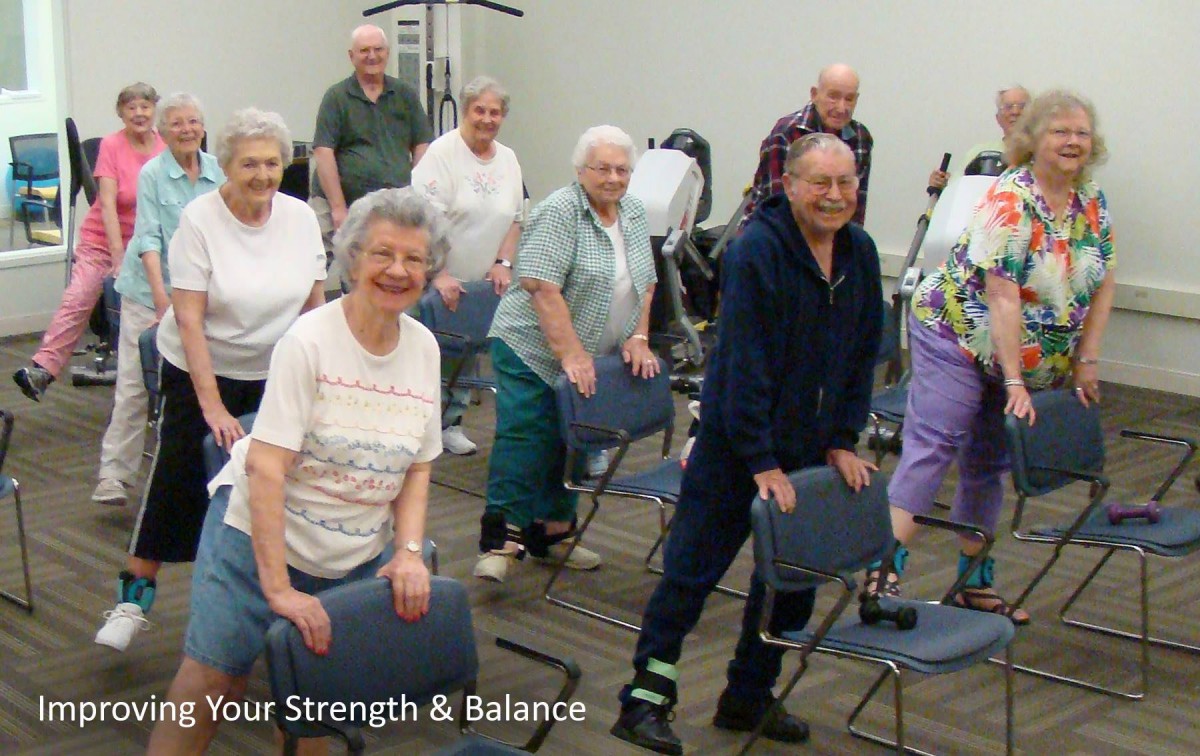
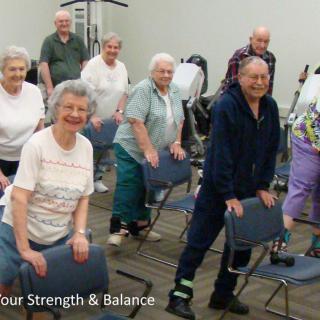
- There is a full schedule of activities, including music therapy and exercise classes.
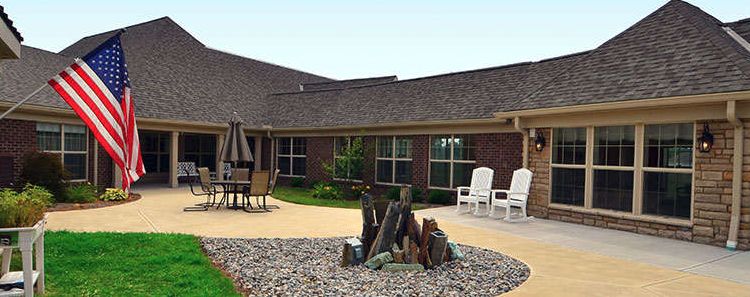
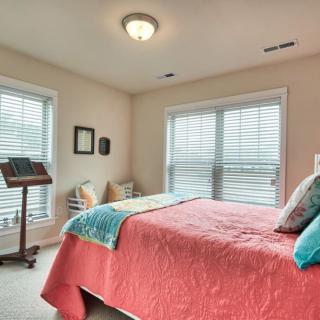
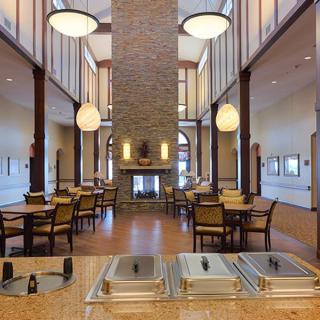
- The village is designed with bright light and many windows, making it uplifting.
- It is the perfect size for his condition.
- Browning Masonic Community and its staff go above and beyond for their residents.
- Heather, the life enrichment director, makes everything seamless and cares for residents like family.
Cons
 The memory care is described as just a title, with no indication that its strategies differ from other care centers.
- The unit is short-staffed.
- Residents have to search for immediate answers or for help.
- There is little to no one-on-one stimulation, with residents mostly watching TV.
- Browning restricts re-entry to a room with a spouse for residents who develop memory issues.
- One reviewer felt Browning Masonic was not their cup of tea.
Review
Best suited for Browning Masonic Community are seniors who need assisted living with memory-support needs and who value a campus-like, people-focused environment. The strongest appeal lies with residents who benefit from a built-in village feel, 24/7 staff oversight, and a robust calendar of engaging activities. Families seeking a warm, professional atmosphere where care teams coordinate around daily routines, and where light-filled spaces and secure design minimize confusion and risk, will find this community especially compelling. The memory-care wing, and the emphasis on life enrichment, makes it a practical home for those who want safety, social connection, and continuity of care in one place.
Those who should consider alternatives are those whose loved ones require higher or more specialized nursing acuity than Browning can reliably sustain, or who anticipate rapid changes in medical needs. Several reviews flag short-staffing and a lack of consistent one-on-one stimulation, particularly in memory care, which can leave families questioning whether the care plan adapts quickly enough to evolving conditions. Prospective residents with off-site rehabilitation needs, strict requirements for re-entry to a spouse’s room, or a desire for multiple-bedroom living arrangements may find Browning limiting. For families prioritizing high nursing skill, fluid rehab options, or expansive on-site therapy, other communities may better meet those expectations.
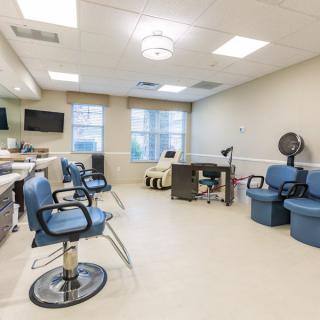
The community’s core strengths, attentive staff, an active life-enrichment program, and a genuine sense of community, do a lot to offset the main drawbacks. Families repeatedly praise the memory-care team’s compassion, the life-enrichment director’s personalized approach, and the consistent focus on keeping residents engaged and safe. The design of the village emphasizes visible security and bright, comfortable common areas, which supports independence within a safe framework. Cleanliness, attractive amenities, and practical conveniences like on-site hair and nail services add tangible quality of life. Taken together, these positives create a livable, dignified environment that can preserve a resident’s spirit even as needs evolve.
To evaluate Browning effectively, prospective families should insist on concrete, facility-specific answers. Ask for current staff-to-resident ratios, especially within the memory-care wing, and inquire about response times for assistance during peak hours. Seek clarity on memory-care protocols: are there dedicated strategies, meaningful one-on-one activities, and RN oversight tailored to cognitive impairment? Tour the Pathways spaces to assess how exits are managed, how privacy is balanced with safety, and whether residents can realistically re-enter their rooms with a spouse if that flexibility is important. Verify the availability of two-bedroom or companion suites, and confirm rehab options on-site or nearby if recovery stays might be needed after hospitalization.
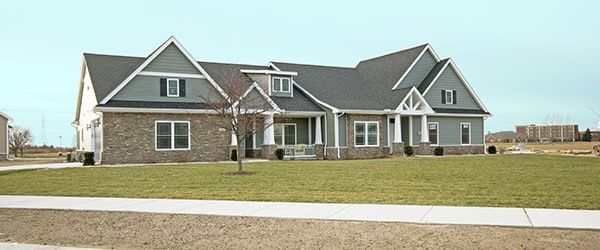
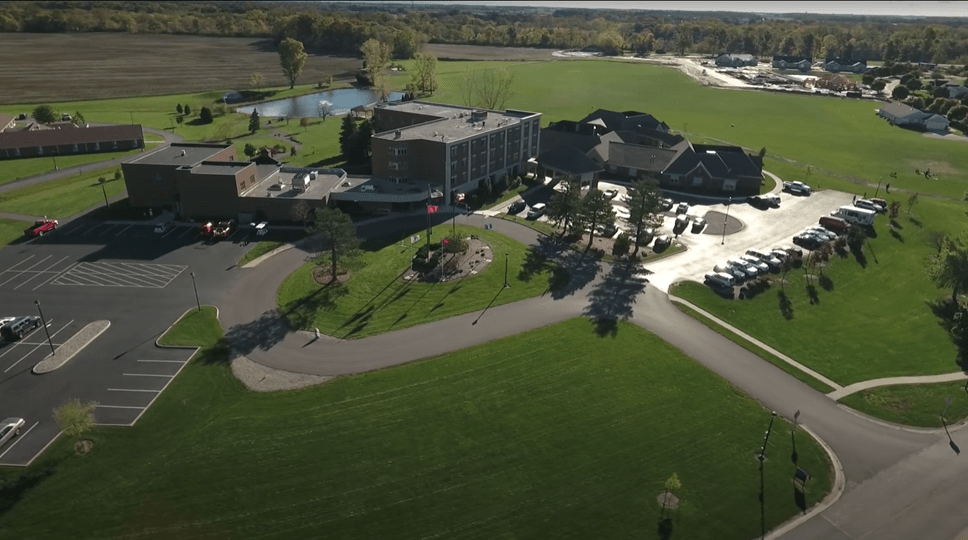
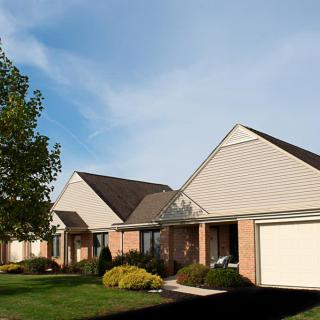
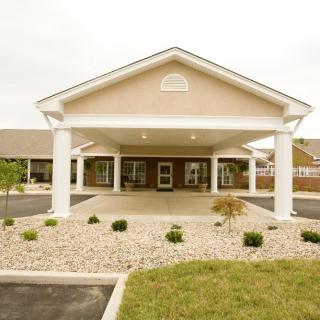
The experiential side of Browning, its condos, park-like setting, and the sense of a self-contained, lived-in community, will resonate with families who prize comfort, predictability, and social integration. Yet potential gaps in immediate staffing responsiveness and in-depth, individualized memory-support strategies cannot be dismissed. The decision hinges on balancing the comfort and security of a well-run campus with the reality of care intensity required by the loved one. For residents who are currently stable but may drift into higher care needs, Browning offers a solid, respectful home; for those facing frequent medical fluctuations and the desire for aggressive, highly personalized memory-care interventions, alternatives should be explored.
In sum, Browning Masonic Community is a practical, caring choice for seniors who want a high-quality, community-centered environment with memory-care capabilities and a strong commitment to enrichment. It works best when the resident’s needs align with well-supported assisted living and structured programming, and when family members value a warm, collaborative caregiving team. For families prioritizing top-tier nursing intensity, flexible rehab options, or fewer restrictions on spouse access and room-sharing, exploring other options will likely yield a better fit. A thoughtful tour, direct discussions with the life-enrichment director, and candid questions about staffing and care protocols will reveal whether Browning can deliver the steady, engaging, secure daily life sought.
 86 resident community capacity
 1-bedroom apartments
 Assisted Living
 Independent Living
 Memory Care
 Cats allowed
 Dogs allowed
 Activities on-site
 Air-conditioning
 Beautician on-site
 Cable or satellite TV
 Computer center
 Devotional services off-site
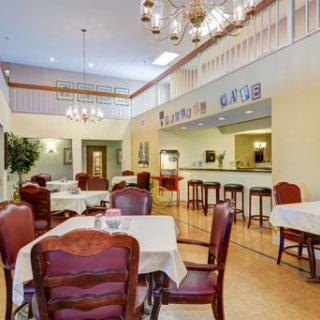
 Dining room
 Financial aid
 Fitness room
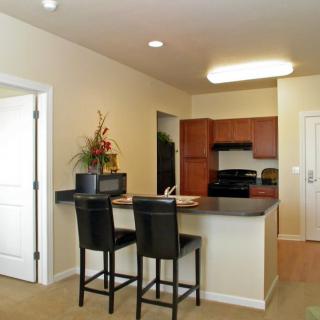
 Full kitchen
 Fully furnished
 Gaming room
 Garden
 Handicap accessible
 Housekeeping services
 Indoor common areas
 Move-in coordination
 Outdoor common areas
 Private bathrooms
 Respite or short term stays offered
 Restaurant-style dining
 Small library
 Telephone
 Wellness center
 Wi-Fi/high-speed internet available
 Toledo Express (8 miles away)
 Community operated transportation
 12-16 hour nursing
 24-hour call system
 Ambulatory care
 Assistance with bathing
 Assistance with dressing
 Assistance with transfers
 Diabetes diet
 Diabetic care
 High acuity care
 Hospice care
 Incontinence care
 Medication management
 Mental wellness program
 Special dietary restrictions
 Art classes
 Concierge services
 Cooking classes
 Day trips and outings
 Educational speakers / life long learning
 Happy hour
 Karaoke
 Live musical performances
 Visiting chaplain or priest
 Wine tasting
 English

 An In-Depth Look at Reminiscence Therapy in Dementia Care
 Dementia-Related Hallucinations: Causes, Experiences, and Practical Approaches
 Illuminating Insights About Alzheimer's Disease: Ten Crucial Realities