
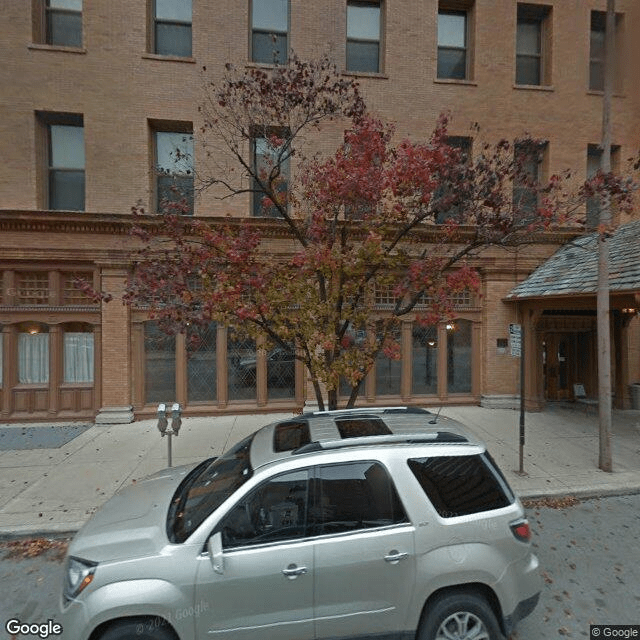
419 N St Clair St, Toledo, OH 43604
To contact a resident: (419) 241-3721
For more information about senior living options: (866) 208-4318
Overall Review of Renaissance Senior Apartments
Pros
 An elderly veteran was assisted after a scooter rollover.
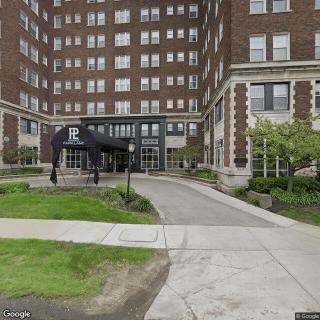
- The building is noted for its historic character.
- There are occasional resident activities, such as bingo.
- The downtown location is seen as a positive feature.
- Management is described as caring about what is going on in the building.
Cons
 The phone is never answered and there is no voicemail option.
- The staff would rather complain about parking than help residents who were injured.
- They blamed others for a scooter rollover instead of offering support or thanks.
- Management is only available to collect rent during the early part of the month.
- There is no security, the lighting is dim, and non-residents can wander into the building.
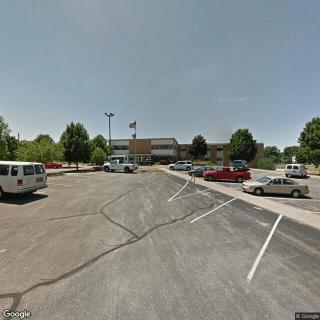
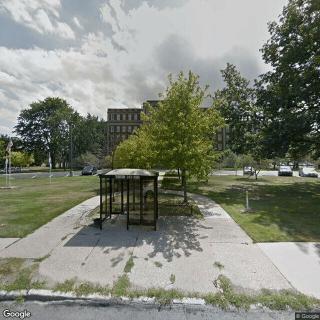
- Residents have nowhere to sit outside and must gather in front of the building.
- The building is historical but lacks updated furniture and proper upkeep; cleaning is tied to inspections.
- There is a bed bug problem and theft is an ongoing issue, with homeless individuals entering or sleeping on the furniture.
- There are no working security cameras, despite assurances to the contrary.
- Resident activities are minimal, with at most one bingo night per week.
- Drug activity is present within the building.
- Management is rarely present and only available when necessary, mainly for rent collection.
- The entire building needs a makeover and new furniture.
- The reviewer would not recommend these senior living apartments.
- Being downtown does not outweigh the negatives.
Review
Renaissance Senior Apartments in Toledo is best suited for independent seniors who want a downtown address and can tolerate minimal on-site oversight, weak safety measures, and sparse programming. The configuration does not support residents who rely on regular staff responsiveness, robust security, or structured social activities. For families and individuals requiring dependable assistance, predictable staffing, or precautionary safeguards, alternatives with clearly staffed management and stronger safety features are the prudent choice.
The bottom-line verdict centers on a consistent pattern of accessibility and security failures. Phone lines go unanswered, with no voicemail option for urgent needs, leaving residents and families in a pause between worry and action. Management appears to appear only for rent collection in a narrow window, and not as a reliable courtesy presence for residents. The facility exists in a setting where non-residents can wander in, and the lack of security cameras compounds safety concerns. Interior and exterior maintenance trails far behind what is expected for a residence serving seniors, with dim lighting, limited outdoor seating, and a building that feels outdated rather than inviting. Reports of bed bugs, theft, and even drug activity translate into a palpable sense that personal safety and belongings may not be protected. Aesthetic upgrades are overdue, but the real missed mark is consistent, proactive oversight.
The few potential positives are overshadowed by the scale of the issues. A historic structure offers a certain character, but without a plan to refresh furniture, improve lighting, and modernize common areas, that advantage remains theoretical. The absence of a stable management presence further erodes any perceived charm; even the most favorable aspects of location and heritage cannot compensate for ongoing maintenance lapses, inadequate pest control, and a laissez-faire approach to resident security. In practice, the environment feels neglected rather than supportive, turning what could be a simple housing option into a source of ongoing concern for families.
On balance, the key advantages fail to offset the main drawbacks. The strongest appeal, downtown convenience and architectural potential, are diluted by a lack of on-site staffing, minimal security, and insufficient engagement opportunities. The scarcity of activities beyond occasional bingo undermines social well-being and resident morale. Cleanliness and upkeep appear to align with inspection-driven cycles rather than a steady culture of care, which means problems tend to surface around required checks rather than as a continuous, resident-focused effort. In short, the risk profile here outweighs any convenience, and that calculus matters when evaluating long-term living arrangements.
Alternatives deserve careful consideration for anyone prioritizing safety, consistency, and active community life. Families should compare options with clear, reachable on-site management hours, visible security measures (including cameras and controlled access), and regular pest and maintenance services. A community that offers structured activities, predictable housekeeping, and prompt responsiveness to calls and emergencies will better support independence without sacrificing peace of mind. For residents with mobility or medical needs, or for households requiring reliable emergency support, other properties with proven staff coverage and a track record of timely interventions will prove far more prudent.
The practical takeaway is straightforward. If safety, dependable management, and meaningful resident programming are non-negotiables, Renaissance Senior Apartments should not be the first choice. Prospective renters should actively assess the living environment with a direct, in-person visit, ideally during daytime hours, to gauge staff presence, lighting quality, and door security. Ask about pest control history, crime-related incidents, and the frequency of routine maintenance. Speak with current residents about responsiveness and the overall sense of security. And insist on written details about management hours, after-hours contact options, and any improvements planned for the building. A well-chosen option will balance affordability with reliable oversight, a safe living environment, and ongoing opportunities for social engagement, criteria that are notably unmet here.
 Active Adult Communities (55+)
 Cats allowed
 Dogs allowed
 Activities on-site
 Devotional services off-site
 Indoor common areas
 Toledo Express (15 miles away)
 Ambulatory care
 Meals provided

 Recognizing the Journey: Understanding and Navigating Anticipatory Grief
 Encouraging Participation in Adult Day Care: A Guide to Supporting a Hesitant Parent
 Comprehensive Exploration of Living Wills and Other Advance Directives