
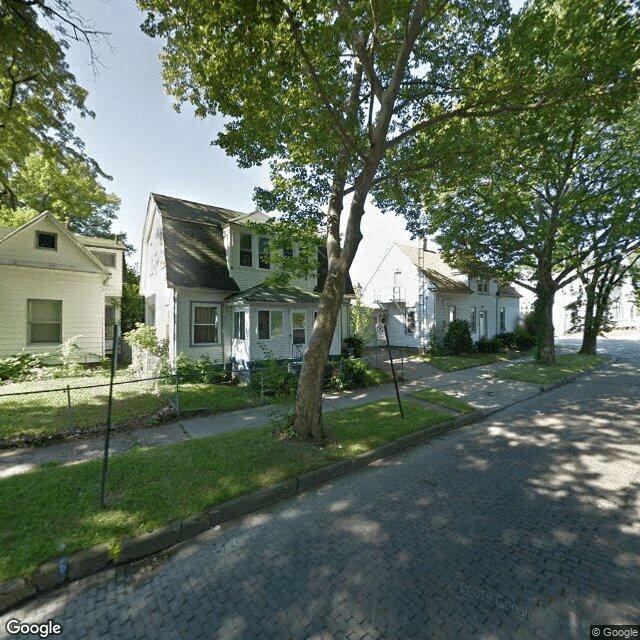
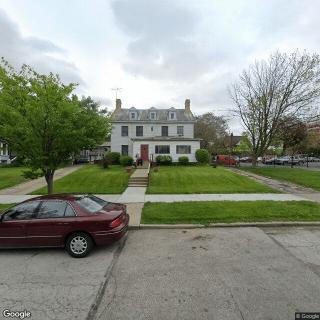
1321 Fernwood, Toledo, OH 43607
To contact a resident: (419) 241-4338
For more information about senior living options: (866) 208-4318
Overall Review of Marria's Adult Family Home
Pros
 The staff at MemoryLane are very helpful and caring.
- The MemoryLane team has done a wonderful job guiding families through the programs available for their loved ones.
- The facility features a beautiful patient area.
- They assimilate people with different cognitive impairment issues into a wonderful group, and the staff and attendees become like a family to the client.
- The socialization and activities keep residents happy, engaged, and safe.
- MemoryLane is filled with kindness and love and is described as a gift to families.
- It is an excellent care facility with very friendly staff, offering respite care for dementia at a reasonable cost.
Review
Marria’s Adult Family Home in Toledo is best suited for families seeking a warm, dementia-focused daytime option that acts as both a supportive caregiving partner and a respite resource. The program shines for loved ones who can participate in structured activities, socialization, and gentle cognitive stimulation during the day, while remaining largely independent outside those hours. It fits families needing regular daytime supervision to reduce caregiver burnout, provide safe social engagement, and keep a loved one connected to a community atmosphere. This is not a full-time living solution, but a dependable daily program that consistently shows up with kindness, patience, and practical programming designed around memory concerns.
Those weighing alternatives should consider whether round-the-clock supervision or medical oversight is essential. The reviews make clear this setting operates as a daytime care and respite option, rather than a 24/7 live-in arrangement. For families facing advanced medical needs, frequent nursing interventions, or a desire for continuous supervision, a full-service memory care community or skilled nursing facility may be more appropriate. People who require consistent, on-site medical management or a more controlled, 24/7 environment should explore other options. In short, this program excels as a daytime support hub, but it is not a substitute for comprehensive around-the-clock care.
The strongest positives center on the caregiving team and the social, stimulating environment they foster. Staff are described as kind, caring, and highly helpful, with a genuine ability to treat attendees like family. Families repeatedly note that the staff’s attentiveness and problem-solving orientation provide real relief, guiding them through programs and resources without losing sight of the loved one’s well-being. The setting emphasizes socialization and meaningful activities, with participants seemingly engaged in carefully designed programs that balance exercise, cognitive work, and companionship. The result is a safe, welcoming refuge that can lift mood, delay decline in some cognitive domains, and counter the isolation often felt by memory-impaired seniors.
These strengths offset the most common drawback of a daytime program: limited hours. The reviews convey a clear value: the human touch and the social, activity-rich environment can compensate for not being a 24/7 home. When a caregiver needs predictable daytime coverage, the combination of low cost and high-quality interpersonal care creates substantial relief and value. The program’s ability to become a positive, dependable routine for a loved one, while giving families a much-needed break, appears to be its defining advantage. In practice, the benefit is not merely convenience; it translates into improved daily engagement for the attendee and reduced stress for the caregiver.
Practically evaluating this option means checking how it aligns with existing care plans. Prospective families should inquire about the daily schedule, activity variety, and how staff handle memory-related triggers or anxiety. The reviews emphasize the importance of social activities, mental stimulation, exercise, and companionship, elements that tend to keep residents engaged and safer in a supported community setting. It’s wise to verify transportation logistics, meal provisions, and how medications or medical coordination are managed during daytime hours. Consider starting with a few days or a trial period to observe fit, responsiveness, and whether the staff’s familial approach resonates with the loved one’s temperament and needs.
In the end, Marria’s Adult Family Home appears to be a strong recommendation for families seeking a compassionate, affordable daytime memory-care option in Toledo. It delivers a nurturing, family-like environment where staff are attentive, programs are engaging, and caregivers gain practical relief. The key caveat is clear: this is daytime support, not a full-time residence or medical-focused facility. When the goal is meaningful daily engagement and caregiver respite within a warm community, the cons are manageable and far outweighed by the proven strengths. For families balancing memory-care needs with budget-conscious options, this setting stands out as a practical, trusted choice.
 Board and Care Home
 Toledo Express (13 miles away)



 Comprehensive Guide to Blood Pressure Charts for Older Adults: Understanding Normal and High Readings by Age
 Financing Long-Term Nursing Home Care Through Social Security: A Thorough Exploration
 Essential Knowledge on Pneumonia in Older Adults