
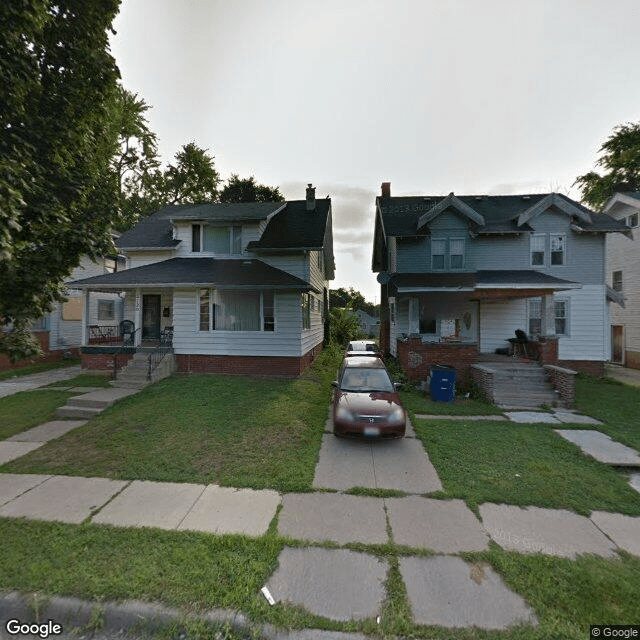
2120 Calumet Avenue, Toledo, OH 43607
To contact a resident: (419) 917-5127
For more information about senior living options: (866) 208-4318
Easy Living Group Home Costs & Pricing
The Easy Living Group Home offers competitive pricing for its services when compared to the broader market in Lucas County and the state of Ohio. With monthly costs of $1,050 for a private room and $1,200 for a semi-private room, residents benefit from a significantly lower financial commitment than the county average of $4,341 for private accommodations and $3,659 for semi-private options. This illustrates that Easy Living Group Home provides an attractive alternative in terms of affordability while ensuring quality care and comfortable living arrangements. Overall, these rates position Easy Living Group Home as a valuable option for individuals seeking supportive housing solutions within the region.
| Floor plans | Easy Living Group Home | Lucas County | Ohio |
|---|---|---|---|
| Private | $1,050 | $4,341 | $4,771 |
| Semi-Private | $1,200 | $3,659 | $3,965 |
Senior living communities with a similar price nearby
-
from -$151 / mo
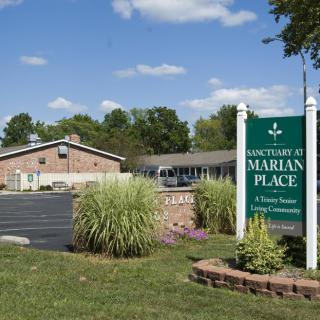
Marian Place
$899 to $1,552 / month20.0 miles away -
from -$150 / mo
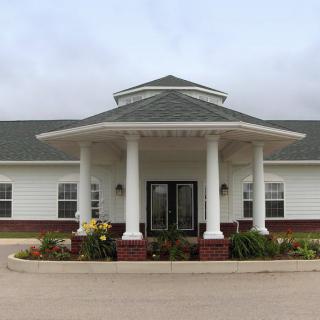
Eagle Springs
$900 to $1,000 / month21.5 miles away -
from -$100 / mo
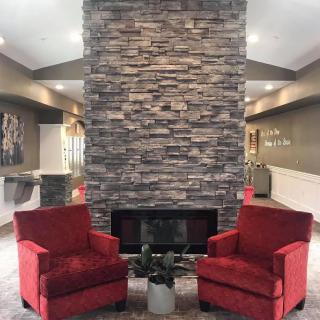
Hampton Manor of Bedford
$950 to $4,650 / month6.7 miles away -
from +$150 / mo
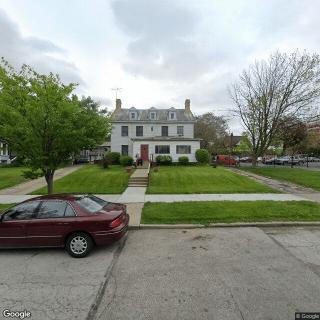
Ashley's Manor Residential Care
$1,200 / month1.3 miles away
Overall Review of Easy Living Group Home
Pros
 The Easy Living group home is a great place for Mom.
- Mom has been truly happy since she has been there.
- The reviewer likes everything so far.
Review
Easy Living Group Home in Toledo is best suited for families seeking a small, home-like setting where an elderly loved one can thrive on daily happiness and personalized, attentive care. This option seems ideal for residents who value warmth, routine, and a intimate, caregiver-centered environment over the scale and breadth of a larger campus. For seniors who respond well to a familiar, predictable daily rhythm and who benefit from easy access to a close-knit staff and family involvement, Easy Living presents a compelling fit.
Caregivers should consider alternatives if higher levels of medical oversight or memory-care specialization are required. The available data is limited to a single four-star rating and a testimonial focused on personal satisfaction and happiness. That leaves important questions unanswered about nursing coverage, medication management, rehab services, and emergency responsiveness. For residents with complex chronic conditions, mobility needs, or advanced dementia, a facility with documented staff ratios, formal care plans, and more comprehensive clinical resources may be a more secure match. Cost transparency and admissions criteria also warrant comparison to avoid hidden surprises.
The standout pros center on emotional and relational outcomes. The reviewer notes that the mom is “truly happy” and that “everything” feels right so far, signaling a warm, affirming atmosphere where residents feel seen and valued. In a small group home, staff can tailor routines, meals, and social activities to individual preferences, fostering mood stability and meaningful engagement. These intangible benefits, comfort, dignity, and a sense of belonging, often translate into fewer mood swings, more consistent participation in activities, and lower caregiver stress at home. When evaluated against the potential limitations of a less resource-intensive setting, these pros can meaningfully offset concerns about medical oversight, provided the resident’s needs align with the level of care offered.
During a visit, families should probe concrete operational details to validate the impression of warmth with evidence of reliability. Inquire about the staff-to-resident ratio across different shifts, identify who administers medications, and understand how changes in health status are monitored and acted upon. Request clarity on safety features such as fall prevention, accessible layout, and the availability of on-call clinical support. Seek a sample weekly activities calendar, an outline of meals and dietary accommodations, and a written care plan that delineates individualized goals and routines. Observing interactions between staff and residents, the cleanliness and organization of common spaces, and the overall pace of daily life provides practical confirmation of the reported atmosphere.
The reality of decision-making with this option hinges on data limitations. A single positive review does not establish broad consistency, and prospective residents deserve corroboration via additional firsthand accounts, licensing inspections, and transparent cost structures. The prudent path is a broader comparison: evaluate a couple of nearby small-house or home-like options for warmth and flexibility, then include a few larger facilities to benchmark medical capabilities and programming depth. This approach clarifies whether Easy Living’s strengths, personal attention, emotional well-being, and a homelike cadence, will endure as care needs evolve or if shifts in services might become necessary.
Bottom-line guidance centers on fit. For families prioritizing happiness, dignity, and daily comfort in a cozy, human-scale setting, Easy Living Group Home stands out as a credible, timely choice in Toledo. It appears well-suited for residents who respond to intimate care and straightforward family communication, with genuine potential for lasting contentment. However, if a loved one requires extensive clinical services, structured cognitive therapies, or robust, published performance metrics, it is wise to explore alternative options with more comprehensive medical resources and documented outcomes. The recommended course remains deliberate: arrange a visit, request a transparent breakdown of services and costs, solicit references from current residents or families, and compare with several similarly positioned options. If the warmth this review hints at translates into consistent experience across encounters, this community can be an excellent match; if not, the field in Toledo offers other pathways that better align with higher care demands and clearer, data-backed assurances.
 Board and Care Home
 Activities off-site
 Bath tubs
 Devotional services off-site
 Indoor common areas
 Outdoor common areas
 Private
 Respite or short term stays offered
 Toledo Express (13 miles away)
 Ambulatory care
 Diabetic care
 Incontinence care
 Medication management
 Kosher

 Comprehensive Insights into Palliative Home Care: What It Is and What to Expect
 Skilled Nursing Facilities vs. Nursing Homes: Making Sense of the Differences
 A Detailed Examination of Nursing Home Costs Across the U.S.