
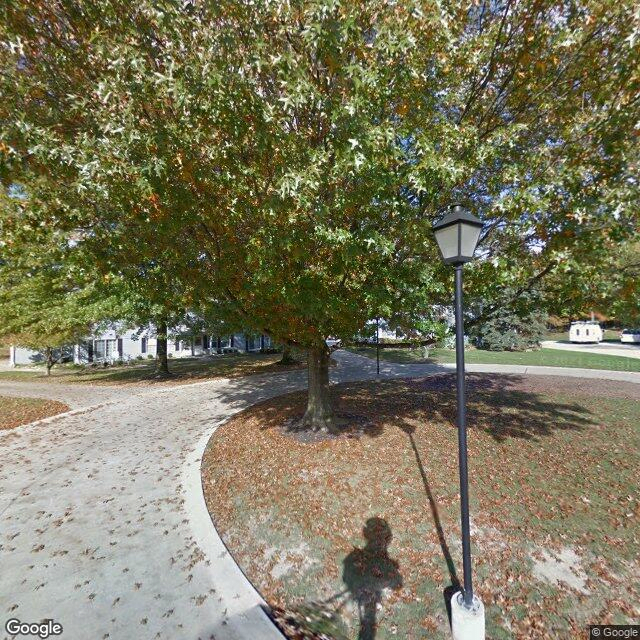
13924 Oakbrook Dr., North Royalton, OH 44133
To contact a resident: (216) 978-6341
For more information about senior living options: (866) 208-4318
Overall Review of Clover Senior Care
Pros
 The staff are great.
- The staff are trained and experienced to care for the elderly in the comfort of their own homes.
- The staff are very accommodating with schedules and types of care.
Cons
 No negative statements are present in the provided review.
Review
Clover Senior Care is best suited for families seeking aging-in-place support with highly capable in-home caregivers. The core appeal lies in delivering care inside the senior’s own residence, backed by staff described as trained and experienced in elderly care. The arrangement is notably flexible: schedules can be adjusted to fit family routines and the type of care can be tailored to the individual’s changing needs, from basic daily assistance to more involved help. This makes Clover an attractive option for those who value independence, familiarity, and a personalized care plan over a campus-style living environment.
For families considering alternatives, Clover may not be the ideal match if the goal is a traditional senior living community with built-in social programming and 24/7 on-site supervision. Traditional assisted living or dedicated memory-care campuses offer a different set of benefits, constant access to on-site caregivers, structured activities, and a sense of community that can mitigate isolation. If social engagement through organized events and peer interaction, easy access to on-campus amenities, and a 24/7 supervision model are priorities, exploring a facility-based option would be prudent. In short, Clover serves best when home-based care aligns with the senior’s and family’s preference for control, comfort, and privacy.
The strongest positives highlighted are clear and practical: staff quality stands out as a defining strength. The team is described as trained and experienced, with the ability to adapt care plans to the home setting. This translates into tangible benefits such as more precise routine management, better adherence to medical and personal-care protocols, and a caregiver team that can respond to evolving needs without forcing a move. The home context also reduces the stress of relocation and preserves familiar routines, which can support mood stability and overall well-being. The accommodations on scheduling and the breadth of care types offered are meaningful levers for families juggling work, medical appointments, and family dynamics.
Nevertheless, any decision must acknowledge the implicit trade-offs of in-home care. The single review available does not enumerate downsides, but practical considerations typical of home-based services deserve attention. Continuity of care can hinge on scheduling and caregiver availability; when multiple aides are needed, ensuring consistent quality and seamless handoffs becomes essential. For families that expect around-the-clock supervision, emergencies, or highly specialized care around the clock, an in-community model may deliver clearer coverage and faster escalation. Social opportunities, although possible through in-home support, may not match the readily accessible peer interactions and planned activities found on a campus.
These trade-offs can be offset by the very strengths Clover emphasizes. A well-managed in-home program with reliable scheduling and a stable core team can deliver dependable continuity and personalized oversight, elements that often lift family confidence and reduce decision fatigue. The familiarity of the home environment, paired with flexible care plans, means care can be scaled up or down in response to medical changes without the disruption of a move. When caregivers are experienced in geriatric needs, the likelihood of miscommunication or missed cues diminishes, and families can maintain active involvement in care decisions without surrendering control to a facility’s routines.
The practical takeaway for families facing the Clover decision is clear. If aging in place with a trusted, adaptable caregiving team is the priority, Clover Senior Care presents a compelling match. Pros, trained, experienced staff; in-home care tailored to the individual; and flexible scheduling, directly address common pain points in elder care: consistency, autonomy, and responsive support. The main caveats center on the absence of built-in social structures and the potential need for meticulous planning around caregiver coverage and contingency arrangements. Pros offset cons when the care plan is well designed, consistently supervised, and actively coordinated with family goals.
To move from consideration to conclusion, inquire about caregiver-to-client ratios, staffing stability, and the process for onboarding new aides. Ask how Clover handles back-up coverage, emergency responsiveness, and whether a dedicated supervisor oversees each plan. Clarify the range of in-home services offered, from basic daily living assistance to medical-task support, and confirm how care plans are adjusted as needs evolve. If the objective remains aging in place with maximal home comfort and highly adaptable scheduling, Clover Senior Care should be given strong consideration; if the objective centers on a vibrant community living experience with constant on-site supervision, pursue traditional assisted living options as the clear alternative.
 Cleveland-Hopkins International (8 miles away)






 Understanding the Nuances of Palliative Care and Hospice: A Comprehensive Exploration
 Fecal Incontinence in Older Adults: A Comprehensive Guide
 Recognizing the Journey: Understanding and Navigating Anticipatory Grief