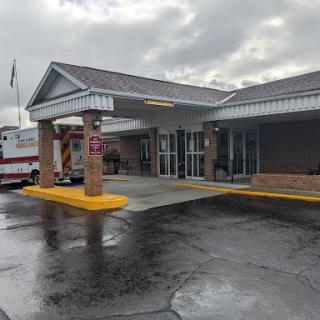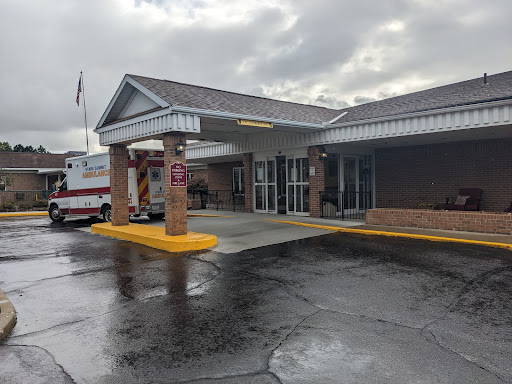
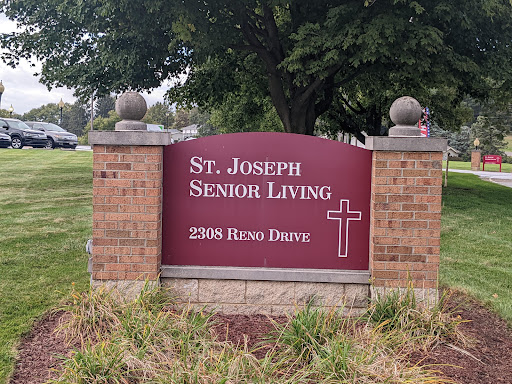
1882 Knob Street, Louisville, OH 44641
For more information about senior living options: (866) 208-4318
Overall Review of Saint Joseph Assisted Residence
Pros
 The staff at St. Joseph’s is the heart of the facility—skilled, knowledgeable, genuinely caring, respectful, and attentive.
- Residents receive outstanding, top-tier care at St. Joseph Senior Living Center.
- Kayla and the staff are amazing.
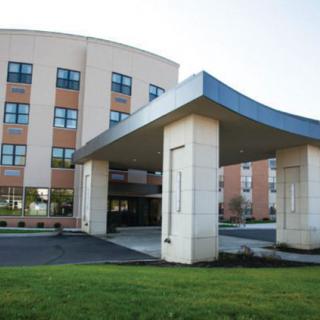
- The facility is gorgeous, and the staff are kind and caring, a pleasure to be around.
- The rehab center and therapy teams provide excellent care, with a clean environment and attentive staff.
- St. Joseph's Assisted Living has been amazing for families, with a clean environment and attentive, accommodating staff.
- St. Joseph Senior Living in Louisville offers top-notch post-acute rehab with a five-star team.
- The organization helps residents live to their fullest potential and offers a complete continuum of care from independent living to memory loss.
Cons
 The facility was rundown and filthy, not a safe environment for vulnerable residents due to poor cleanliness.
- It was described as the worst facility in Stark County, severely short-staffed and dirty, with a resident contracting MRSA while there.
- The reviewer questioned the facility’s integrity and expressed disappointment.
- There are accusations of sedating residents, improper medication administration, charging nearly $8,000 a month, and a lack of respect, with dementia patients left unattended and staff reportedly under pressure.
- The facility was not a five-star site, with staff said to lack pride in their work.
- Residents experienced frequent falls due to inadequate help, and the family struggled with follow-through.
- Staffing gaps led to long call times, with back shifts hard to find and physicians visiting only infrequently.
- Housekeeping was only adequate, not meeting higher cleanliness standards.
- There were reports of residents wandering into other rooms and staff appearing idle when call lights were on.
Review
Saint Joseph Assisted Residence in Louisville is best suited for families that prize genuinely compassionate caregiving, robust post-acute rehabilitation, and a continuum of care that can grow with a loved one’s needs. It is particularly appropriate for seniors who want a warm, family-like atmosphere where staff are not just skilled but personally invested in residents’ well-being. The facility’s Catholic heritage and integrated options, from independent living to memory care, appeal to families seeking consistency across transitions and a mission-driven environment. For residents needing hands-on daily assistance, frequent social engagement, and reliable therapy after hospitalization, this community can feel like a well-structured, reassuring home base.
That said, alternatives should be on the table for families with very high cleanliness standards, strict staffing expectations, or heightened concerns about safety and clinical oversight. The overall picture from reviews is mixed, with the facility rated around 3.5 out of 5 from 30 reviews, reflecting a broad spread between sunny praise and pointed concerns. Some families describe a rundown, dirty environment and real safety worries, including understaffing and delayed response to call lights. There are also serious allegations about sedating residents or mismanaging medications, issues that elevate risk for dementia or medically complex residents. For these reasons, many should compare Saint Joseph against facilities with stronger housekeeping records, more consistent staffing, and tighter clinical governance before deciding.
The strongest case for Saint Joseph rests on its caregiving core. Repeated remarks highlight staff as the heart of the operation, caring, respectful, and attentive to individual needs. The rehab program receives frequent accolades, supported by a remodeled facility and a therapy team that coordinates with nursing and social services to pursue solid outcomes. The continuum of care, from independent living through memory care, offers a smoother path for families facing evolving needs, and the Catholic mission is cited as a meaningful framework that prioritizes residents’ dignity. When these elements align, day-to-day life can feel reassuringly well-supervised and personally warm.
However, the negatives cannot be dismissed. Critics recount housekeeping lapses and safety concerns that undermine confidence in daily operations. Reports of understaffing, uneven supervision across shifts, and long wait times for call lights suggest that reliability can vary by moment and by staff level on duty. A few families describe inconsistent physician contact and delayed attention to health problems, which is especially troubling for residents with chronic conditions or post-acute recovery plans. If these patterns persist, they erode the sense of steady support that many families expect from a facility with strong rehab potential and a caring culture.
From a decision-making perspective, Saint Joseph should sit high on a shortlist for families prioritizing warmth, hands-on care, and a values-driven environment, provided those criteria match the family’s tolerance for operational variability. The campus is appealing for memory care residents given its continuum, but potential buyers should verify current staffing ratios, medication practices, and the transparency of clinical oversight. For families with exacting cleanliness standards or a non-negotiable insistence on consistent 24/7 supervision, it remains prudent to shop around and request current performance data, tour operators, and candid conversations with frontline staff and residents.
In the end, a thorough on-site evaluation is essential. Observing staff responsiveness to call lights, speaking directly with residents, and reviewing medication handling and physician coverage can reveal whether the positive culture translates into reliable, day-to-day quality of care. Saint Joseph Assisted Residence can deliver a compassionate, capable option with a credible rehab track and a purpose-driven atmosphere, but the realization of that potential hinges on maintaining steady operations, rigorous housekeeping, and robust clinical oversight. Families should approach with a clear plan to assess those dimensions, and be prepared to act if the fit feels inconsistent with the loved one’s safety and daily experience.
 98 resident community capacity
 Assisted Living
 Air-conditioning
 Beauty salon
 Cable or satellite TV
 Computer center
 Dining room
 Fitness room
 Fully furnished
 Gaming room
 Garden
 Housekeeping services
 Kitchenette
 Move-in coordination
 Outdoor space
 Private bathrooms
 Restaurant-style dining
 Small library
 Telephone
 Wellness center
 Wi-Fi/high-speed internet available
 Akron-Canton Regional (9 miles away)
 Community operated transportation
 12-16 hour nursing
 24-hour call system
 Activities of daily living assistance
 Assistance with bathing
 Assistance with dressing
 Assistance with transfers
 Diabetes diet
 Medication management
 Mental wellness program
 Special dietary restrictions
 Transportation arrangement (medical)
 Concierge services
 Planned day trips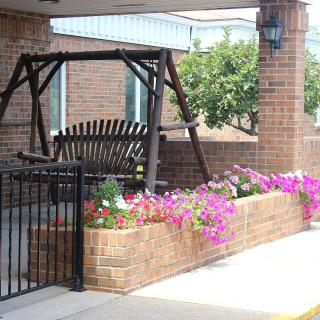



 When to Transition from Assisted Living to Memory Care: Key Indicators, Steps, and Finding the Right Community
 Assisted Living and Memory Care: Understanding Their Core Differences
 Beyond the Bingo Hall: 50+ Enriching Activities for Seniors in Assisted Living