
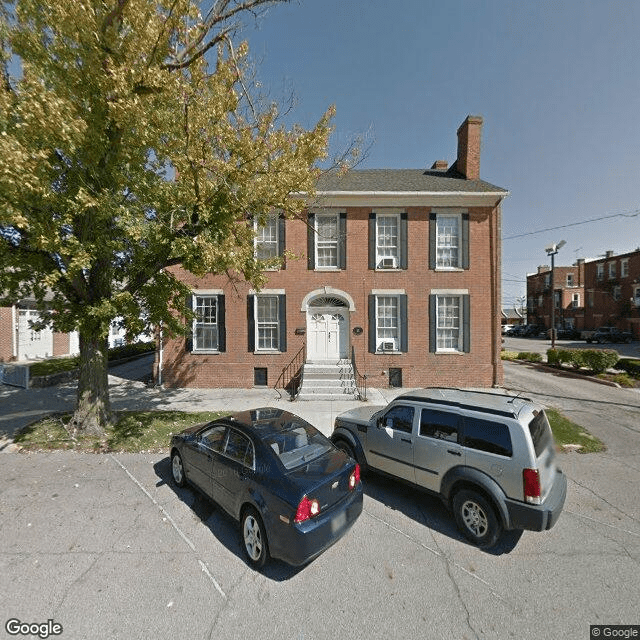
16 N Main St, London, OH 43140
To contact a resident: (740) 852-3988
For more information about senior living options: (866) 208-4318
Overall Review of Sisters Elderly Life
Pros
 The Madison House is a beautiful community with much to offer.
- The staff are friendly and the environment feels homelike and cozy.
- Residents consistently seem to be having a good time.
- The food is excellent.
- Maria Kestner and her team are kind, caring, and make the admission process quick and easy.
- The staff are exceptionally kind and genuinely care about all of the residents.
- The team is amazing and caring for both residents and their families.
- The facility makes everyone feel like family from the first visit.
- The atmosphere is welcoming, with a homey feel and thoughtful care.
- Meals are cooked in a real kitchen and shared around the dining room table, contributing to a home-like atmosphere.
Cons
 There is poor management, and the expensive price does not match the quality of care.
- Some staff are underpaid and more concerned with their next smoke break.
- Management communication is awful and they often have no idea what is happening with residents’ medications or appointments.
- Residents were given medications improperly on several occasions.
- The reviewer had to clean a roommate’s room and handle their laundry and hygiene instead of staff providing proper care.
- Personal items were stolen after a resident’s death.
- The residence manager was rude, and the reviewer would not bring a loved one here.
- The reviewer would not recommend this place for a loved one.
- There are concerns about overmedicating dementia patients, leading to ER visits.
Review
Sisters Elderly Life in London, OH is best suited for families seeking a warm, home-like setting where a loved one can thrive on personal attention, regular social engagement, and meals that feel cooked with care. The community presents as a small, intimate residence rather than a sterile campus, with a cozy sensibility that makes residents feel connected to a “family” atmosphere. The staff come across as genuinely kind and accessible, and the environment supports regular interaction, daily activities, and meaningful touchpoints with caregivers. For families prioritizing real, in-house meals, a comfortable club-like living rhythm, and staff who seem invested in each resident’s daily happiness, this option stands out. However, it is important to note that dementia care experiences vary, and there are cautions about how behavioral redirection and medication practices are managed. In short, this is a strong match for those who want a personable, less clinical feel and are willing to navigate some variability in care quality.
Those who should consider alternatives are often families mindful of cost versus value, and those who require a higher level of clinical oversight or more consistent dementia programming. The price point has been described as steep for the area, and several reviews flag the need for tighter management and transparent communication. For families with loved ones who have complex medical needs, frequent medication changes, or aggressive dementia behaviors that demand specialized redirect techniques and nonpharmacologic strategies, a facility with a proven, practice-tested dementia program may be a wiser choice. Additionally, when a family seeks a hands-on leadership presence and steadier continuity in day-to-day operations, the occasional notes of miscommunication and management gaps become a decisive factor. If these priorities matter, exploring other communities with clearer governance and more robust clinical protocols is prudent.
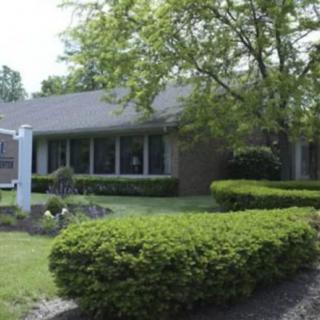
On the plus side, the strongest pros revolve around the ambience and the caregiving tone. The building’s beauty, the homey layout, and the on-site kitchen where meals are prepared in a traditional fashion contribute to daily life that feels less institutional and more ordinary. Families frequently praise the warmth of the team, the willingness of staff to go the extra mile, and the sense that residents are treated like family. The admission and transition experience, when guided by a responsive liaison, can feel smooth and personalized, minimizing the chaos that often accompanies moving a loved one. Residents tend to appear engaged, and the neighborhood’s landscaping and the country setting reinforce a tranquil, comfortable mood that supports socialization and routine. In short, the environment, food quality, and visible caregiver investment form a compelling trio for those prioritizing personal connection.
Yet the negatives cannot be dismissed, because several reviews highlight systemic concerns that can undermine confidence. Management issues pop up as a recurring theme, with pricing cited as high relative to the care quality delivered. Communication gaps between families and leadership occasionally leave families feeling out of the loop about medications, appointments, or care plans. There are troubling anecdotes about medication errors and inconsistent oversight, and one distressing report describes theft of personal items after a loved one’s passing. The dementia care narrative is mixed: some families feel the staff provide compassionate, competent care, while others worry that redirection methods can cause fear or over-reliance on medications. Taken together, these inconsistencies create a cautious backdrop that families must weigh against the warmth and attentiveness that many residents experience.
When the pros and cons are weighed, the decision depends on what the family values most and how much risk they are willing to tolerate. For households that prize a palpable sense of belonging, individualized attention, and a social, homelike daily rhythm, the positives can substantially outweigh the negatives. The staff’s apparent dedication, the intimate setting, and the home-cooked meals can materially enhance quality of life and ease the caregiving burden on families. However, for those whose priorities include transparent, proactive management, predictable pricing, and a proven dementia-care framework with stringent medication governance, the potential downsides may be difficult to overlook. Ambiguities around leadership and care consistency imply that some families will need to maintain active oversight and make frequent visits to ensure alignment with expectations.
In making a final choice, approach Sisters Elderly Life as a strong contender for the right kind of resident: one who thrives on social interaction, personal warmth, and a boutique feel in a small home setting, and who can tolerate occasional management fluctuations and cost considerations. Prospective families should pursue direct conversations with the management team, request detailed care plans, and ask for recent reference checks focused on medication management and dementia care outcomes. A formal, staged transition, perhaps a trial period or shorter contractual window, can help gauge whether the daily atmosphere truly harmonizes with the loved one’s needs. For those who want a comforting, neighborly environment and are prepared to monitor governance and budget closely, this community delivers meaningful value. For others, especially those prioritizing fixed pricing, clinical standardization, and rigorously trained dementia programs, exploring alternatives with stronger governance and clearer clinical pathways is advisable.
 Board and Care Home



 Comprehensive Insights into Palliative Home Care: What It Is and What to Expect
 Skilled Nursing Facilities vs. Nursing Homes: Making Sense of the Differences
 A Detailed Examination of Nursing Home Costs Across the U.S.