Residents’ families repeatedly describe a caring, compassionate team they can rely on.
Across many reviews, families describe the caregivers and hospice team as kind, patient, and compassionate, with consistent support during difficult moments. Several reviewers say the team treats residents with dignity and shows real emotional support for both the person receiving care and their family. The positive comments also extend to specific roles—nurses, aides, and other staff—who show up when needed and take time with individuals and concerns.
common11 reviews mention this
Communication and responsiveness stand out
Families commonly mention clear communication and being supported without feeling rushed.
Reviewers often highlight that the team explains things clearly and adjusts to needs without making families feel rushed. Multiple comments point to responsive help during changing situations, including call-ins and after-hours needs. Families also mention practical communication—office staff attention, caregivers addressing questions, and overall reliability in day-to-day coordination.
differentiator2 reviews mention this
Fast help during urgent timing
Residents’ families describe getting help quickly when circumstances changed fast.
When families were under pressure, they report the team moved quickly to provide support. One reviewer describes getting help within 24 hours during a crisis, and another says they secured 24-hour, 7-days-a-week care on short notice. Together, these accounts suggest the organization can respond promptly when timing matters most.
differentiator3 reviews mention this
Comfort and emotional support included
Families describe hospice support that goes beyond basic medical care into comfort and emotional needs.
Several reviews emphasize comfort, dignity, and emotional support as part of the hospice experience. One reviewer specifically mentions spiritual support being addressed, and another describes a broader hospice team that includes a chaplain and social worker. Overall, families connect the quality of care to how the team supports both the patient and the family during the end-of-life transition.
How we summarize
Counts show how many written reviews mention each theme; a review can touch several themes, and only frequently mentioned themes are displayed.
Features
Types of Care
Assisted Living
Amenities
Activities on-site
Devotional services off-site
Indoor common areas
Transportation
Cleveland-Hopkins International (24 miles away)
Akron-Canton Regional (25 miles away)
Care Services
Ambulatory care
Diabetic care
Dining
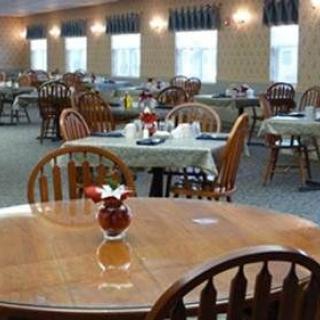
Meals provided
Activities
Activities on-site
Devotional activities offsite
Nearby Places of Interest
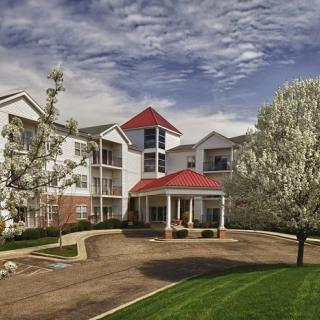
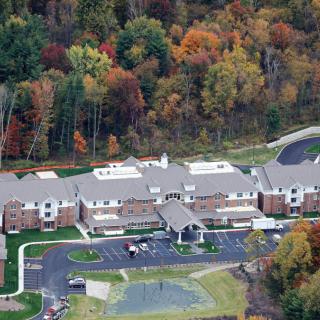
This part of Hudson, Ohio, offers a convenient and peaceful setting for senior living. With several parks within close proximity, residents can enjoy outdoor activities and nature walks. Additionally, there are reputable physicians and medical facilities nearby, ensuring easy access to healthcare services. The availability of pharmacies and cafes within a short distance provides convenience for daily errands and social outings. In terms of dining options, a variety of restaurants cater to different tastes, offering enjoyable meals out without having to travel far. Lastly, the presence of places of worship reflects a sense of community and spiritual support for seniors seeking a fulfilling lifestyle in this area.
The transition from assisted living to skilled nursing care is often prompted by complex medical needs that assisted living cannot meet, with key indicators including frequent health declines, increased falls, severe memory issues, and caregiver burnout. Families should recognize these signs early to discuss options with healthcare providers and prepare for the emotional and logistical aspects of moving to a facility that offers comprehensive medical support.
Vibrant Senior Living emphasizes active senior living communities that promote independence and engagement through diverse amenities and activities, fostering wellness and social interaction among older adults. These communities range from independent to assisted living, with a focus on personal growth, family involvement, financial planning, and leveraging technology to enhance residents' experiences.
Transitioning from assisted living to memory care is driven by an individual's cognitive decline and specific needs, requiring careful evaluation of indicators like increased confusion and wandering. The process involves consulting medical professionals, researching suitable communities, considering financial and legal aspects, and ensuring effective communication for personalized care plans.
Get PricingAsk A QuestionSchedule A TourContact Senior Advisor
By clicking submit, you agree to our Partner's Terms of Use. You
also consent to receive calls and texts, which may be autodialed, from our Partner. Your consent is not a condition to
using our Partner's service. Please visit our Partner's Privacy Policy for information about their privacy practices.

 Assisted Living
 Activities on-site
 Devotional services off-site
 Indoor common areas
 Cleveland-Hopkins International (24 miles away)
 Ambulatory care
 Diabetic care
 Meals provided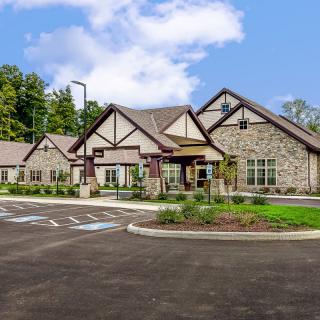
 Caring staff with engaging activities and a clean, well-maintained environment.



 8 Key Indicators That Suggest It May Be Time to Transition from Assisted Living to Skilled Nursing Care
 Vibrant Senior Living: A Comprehensive Guide for Active Older Adults
 When to Transition from Assisted Living to Memory Care: Key Indicators, Steps, and Finding the Right Community