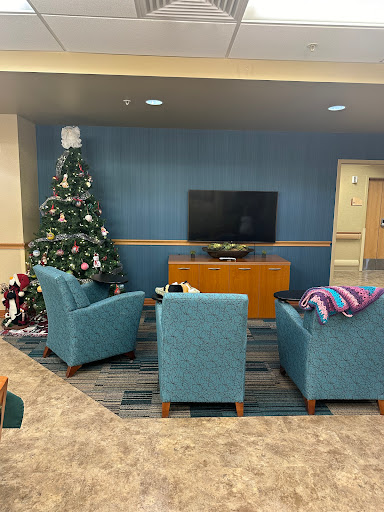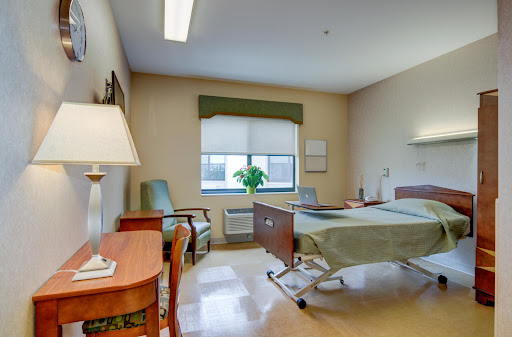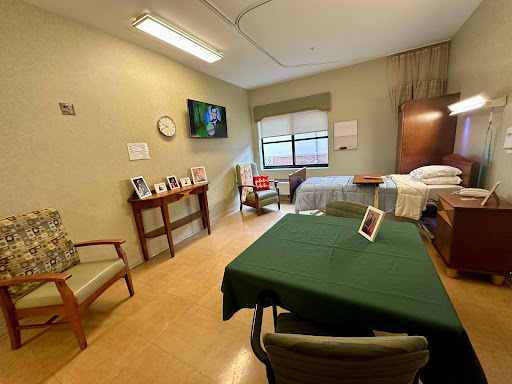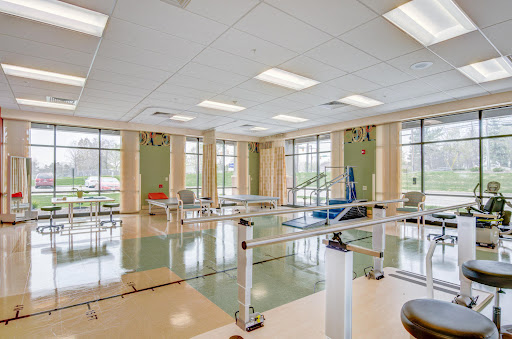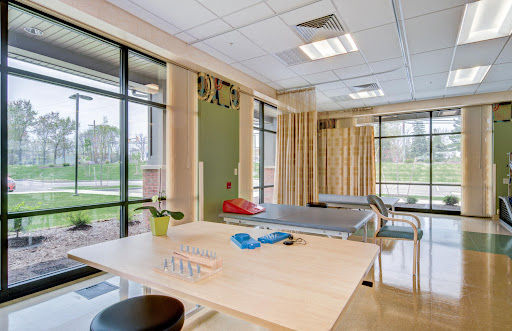
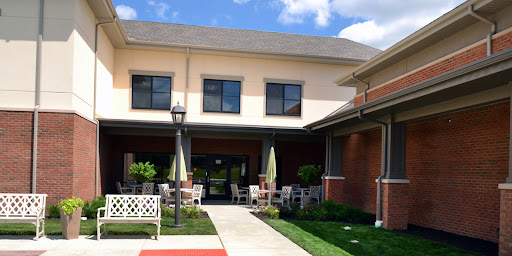
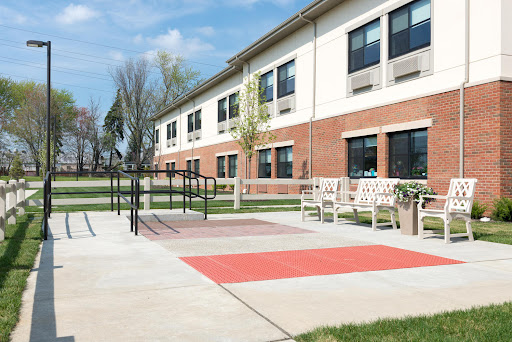
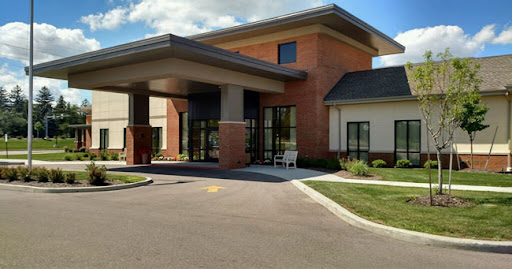

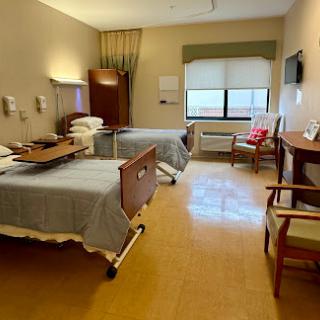
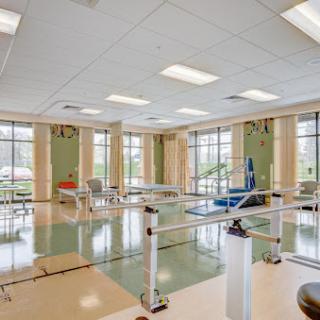
8551 Darrow Road, Twinsburg, OH 44087
For more information about senior living options: (866) 208-4318
Overall Review of Heartland Of Twinsburg
Pros
 There are a handful of nurses and aides who are fantastic.
- A couple of nurses on that floor were fantastic in trying to get him to take his meds.
Cons
 The staff are understaffed and, for the most part, don’t care.
- There is roughly one aide for every fifteen rooms, which is inadequate.
- The aides are underqualified.
- Most of the staff on the floor sit around and do nothing.
- Only a couple of nurses try to get the patient to take medications; the rest don’t seem to engage.
Review
Heartland Of Twinsburg is best suited for seniors who need short-term respite or transitional care and can rely on a core group of capable staff members to deliver essential support, with the understanding that long-term stability depends heavily on staffing levels. This community can work for families seeking occasional hands-on assistance and a few caregivers who demonstrate competence and concern, but it is not the place for residents who require unwavering, around-the-clock skilled nursing and medication management without consistent oversight.
The strongest impression comes from the staff members who engage and perform well. A handful of nurses and aides are described as fantastic, capable of guiding a difficult patient through medication routines and daily needs with care and professionalism. Unfortunately, the experience is undermined by a broader pattern: much of the rest of the caregiving team reportedly sits idle and fails to stay in motion to meet residents’ needs. The result is a perception of understaffing and uneven attentiveness that colors every interaction, from meds administration to routine supervision and activity engagement.
This imbalance matters most for residents with significant medical or functional requirements. The reviewer paints a portrait of a bedridden husband who resists taking medications and resists engagement, a situation that heightens the risk of delays, missed doses, or conflicting guidance when staffing is thinner. The claim of “one aide for roughly fifteen rooms” is not just a statistic; it translates into tangible delays, limited assistance during critical moments, and a diminished ability to coordinate rehab or restorative activities. In short, the main con, insufficient, uneven staffing, directly undermines the quality of daily life and the reliability of care.
On the upside, the community’s good moments, where capable nurses intervene with medication encouragement and proactive monitoring, demonstrate that competent care is possible within the building. Those instances show what quality care can look like: timely med passes, thoughtful bedside support, and a degree of personalized attention that residents benefit from when available. Yet these advantages are not consistently realized; they depend on which shift is present and which caregiver is at the bedside. When consistent staffing is lacking, even the best intentions can be thwarted by time constraints and high resident loads.
Families weighing alternatives should prioritize facilities with transparent, reliable staffing models and robust med-management processes. If long-term, complex medical needs are the norm, or if a resident requires predictable routines and consistent caregiver coverage, another community or in-home support model may offer greater peace of mind. Prospective residents should ask pointed questions about CNA-to-resident ratios, nurse supervisor coverage across day and night shifts, and the facility’s policy for med passes and documentation. Visiting during different times can reveal how frequently residents receive assistance and how responsive staff are to urgent requests.
The bottom-line decision centers on risk versus benefit. Heartland Of Twinsburg can deliver meaningful moments of quality care when a skilled caregiver is present, but the overarching issue is persistent understaffing and uneven caregiver quality. For families whose priority is steady, proactive care and reliable medication administration, alternatives with stronger staffing guarantees are a safer bet. If respite care or a periodic transfer is the goal and there is close family oversight to compensate for staffing gaps, the community can be workable. The prudent path is to pursue a formal tour, scrutinize staffing metrics, and compare with options that demonstrate consistent caregiver scheduling and higher CNA coverage before committing to long-term placement.
 120 resident community capacity
 Skilled Nursing Facility
 Air-conditioning
 Beauty salon
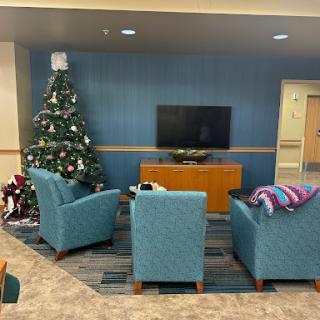
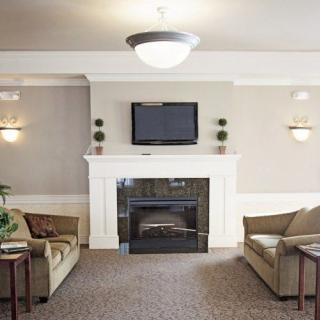
 Cable or satellite TV
 Computer center
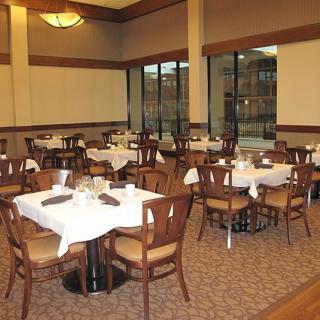
 Dining room
 Fitness room
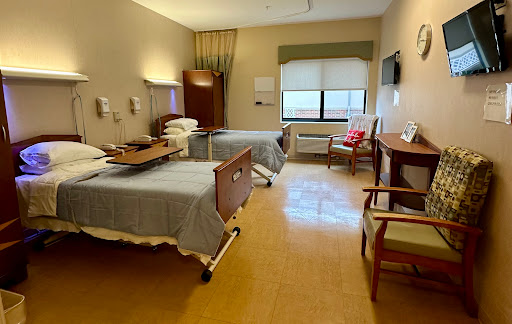
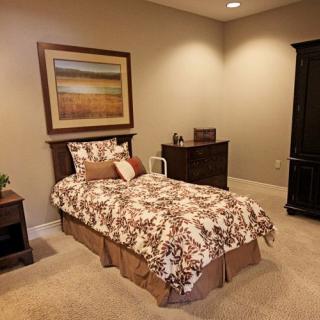
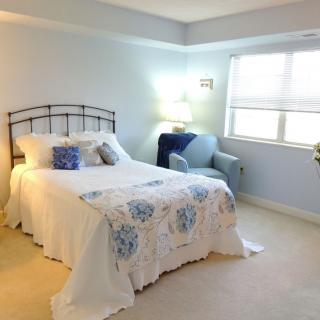
 Fully furnished
 Gaming room
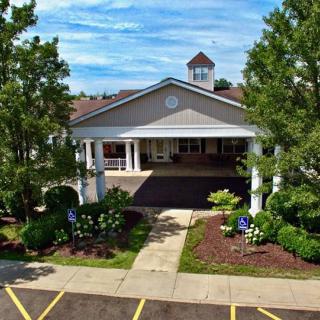
 Garden
 Housekeeping services
 Kitchenette
 Move-in coordination
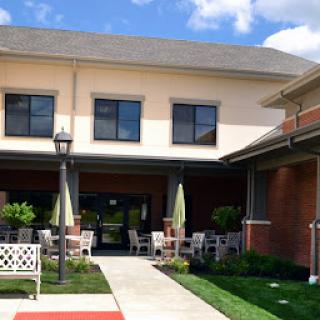
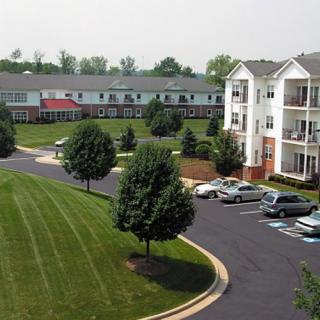
 Outdoor space
 Private bathrooms
 Restaurant-style dining
 Small library
 Telephone
 Wellness center
 Wi-Fi/high-speed internet available
 Cleveland-Hopkins International (23 miles away)
 Community operated transportation
 12-16 hour nursing
 24-hour call system
 Activities of daily living assistance
 Assistance with bathing
 Assistance with dressing
 Assistance with transfers
 Diabetes diet
 Medication management
 Mental wellness program
 Special dietary restrictions
 Concierge services
 Planned day trips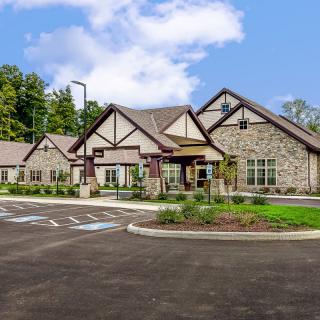
 Understanding the Sandwich Generation: Stress and Responsibilities for Multigenerational Caregivers
 8 Essential Assistive Devices for Older Adults
 Navigating the Financial Road to Nursing Home Care: In-Depth Guidance and Resources