The Villas Assisted Living at Grande Village Costs & Pricing
The Villas Assisted Living at Grande Village offers competitive pricing for its residents, with the cost of a two-bedroom unit set at $3,600 per month. This rate is notably lower than the average monthly cost in Summit County, which stands at $4,103, suggesting a significant value for those looking for quality assisted living options in the area. Additionally, the monthly fee at The Villas is also slightly higher than the overall state average in Ohio of $3,501. This pricing structure positions The Villas as an attractive choice for families seeking comprehensive care and comfort in a welcoming environment while remaining mindful of their budgetary constraints.
Floor plans
The Villas Assisted Living at Grande Village
Summit County
Ohio
2 Bedrooms
$3,600
$4,103
$3,501
Assisted Living communities with a similar price nearby
Overall Review of The Villas Assisted Living at Grande Village
common
Care team and staff friendliness
Residents and families frequently describe staff as attentive and caring.
Across the reviews, families repeatedly mention attentive, professional, and compassionate support from nurses and other care team members. Several people also describe management as responsive when concerns come up, and multiple visitors say they were greeted and helped during visits. A few reviews raise serious concerns about understaffing or professionalism, but the overall volume of positive staff comments is substantial.
common
Cleanliness and facility upkeep
Many reviews emphasize the facility feels clean and well maintained.
Multiple reviewers describe the building as clean on entry and maintained day to day, and some mention minimal odors. Reviewers also comment positively on the condition of the rooms and general appearance of the campus. A smaller number of reviews mention negative experiences, including cleanliness-related complaints tied to daily operations, but they are outweighed by the number of positive cleanliness mentions.
caveat
Dining quality comes up often
Dining quality is mixed, with several residents calling out bland or poor food.
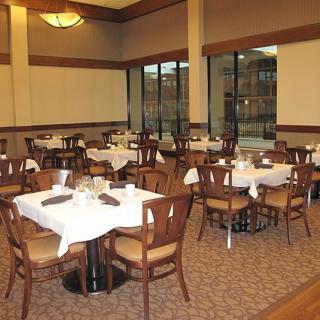
Some reviews say the food is bland or not enjoyable, including comments that the dining experience could be better. At the same time, other residents and families say they like the food or think it is not too bad, and they mention menu variety on tour. The result is a clear split in how dining lands for families, even when care and cleanliness are praised elsewhere.
differentiator
Rehab and therapy support
Rehabilitation and therapy are a major focus in resident experiences.
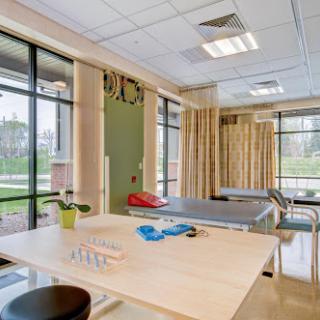
Several reviews describe physical and occupational therapy being involved in recovery goals, including working multiple times per day. Families also describe nursing support alongside therapy during rehab stays. The community also offers medication management and diabetic care, which aligns with the kinds of clinical support families mention during care transitions.
caveat
Concerns about staffing and medications
Some reviews report problems with staffing levels, communication, or medication delivery.
A handful of reviewers describe staffing shortages and delays in responding to urgent needs, including calling for help and waiting for attention. Several comments also mention medication issues or missed doses, as well as communication gaps with staff. These concerns are serious in the reviews that raise them, even though many other reviews highlight attentive nursing and support.
How we summarize
We summarize when many written reviews mention each theme; a review can touch several themes, and only frequently mentioned themes are displayed.
Features
Types of Care
Assisted Living
Independent Living
Amenities
Activities off-site
Activities on-site
Air-conditioning
Beautician on-site
Devotional services off-site
Devotional services on-site
Full kitchen
Ground floor units
Handicap accessible
Indoor common areas
Wheelchair accessible showers
Wi-Fi/high-speed internet available
Transportation
Cleveland-Hopkins International (22 miles away)
Care Services
Ambulatory care
Diabetic care
High acuity care
Incontinence care
Medication management
Dining
Guest meals
Low / no sodium
Meals provided
No Sugar
Room service
Activities
Art classes
Cooking classes
Day trips and outings
Devotional activities offsite
Devotional activities on-site
Educational speakers / life long learning
Happy hour
Live dance or theater performances
Live musical performances
Live well programs
Wine tasting
Nearby Places of Interest
This part of Twinsburg, Ohio offers a convenient and bustling suburban setting with easy access to essential services and amenities. Within a short distance, you will find several pharmacies, including Walgreens and CVS Health Region Business Office, as well as reputable physicians at South Suburban Women's Center and Cleveland Clinic Internal Medicine. There is a variety of dining options nearby such as Cracker Barrel, Chick-Fil-A, and Chipotle Mexican Grill. Nature enthusiasts can enjoy the nearby parks like Middleton Park and Hudson Springs Park for outdoor activities. Additionally, there are places of worship and cafes for socializing within the community. For medical emergencies or routine check-ups, hospitals like Akron Children's Hospital Urgent Care and Cleveland Clinic are easily accessible. Overall, this area provides a well-rounded environment for senior living with convenient amenities and services within close proximity.
The Villas Assisted Living at Grande Village offers competitive pricing for its residents, with the cost of a two-bedroom unit set at $3,600 per month. This rate is notably lower than the average monthly cost in Summit County, which stands at $4,103, suggesting a significant value for those looking for quality assisted living options in the area. Additionally, the monthly fee at The Villas is also slightly higher than the overall state average in Ohio of $3,501. This pricing structure positions The Villas as an attractive choice for families seeking comprehensive care and comfort in a welcoming environment while remaining mindful of their budgetary constraints.
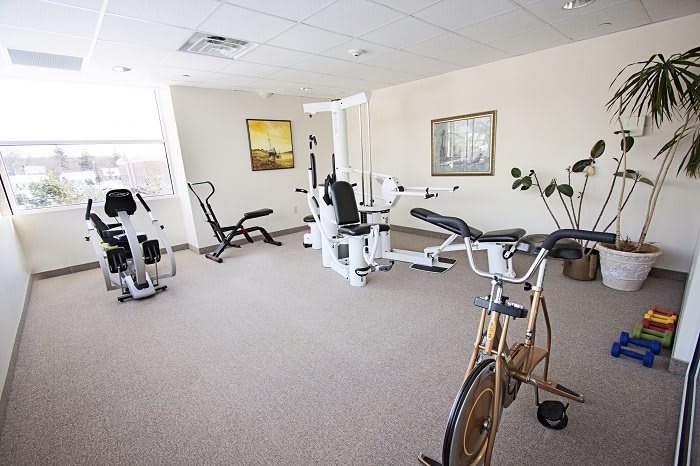
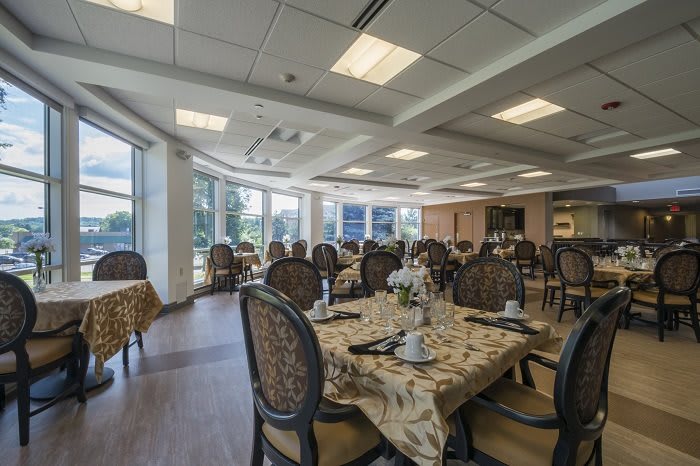
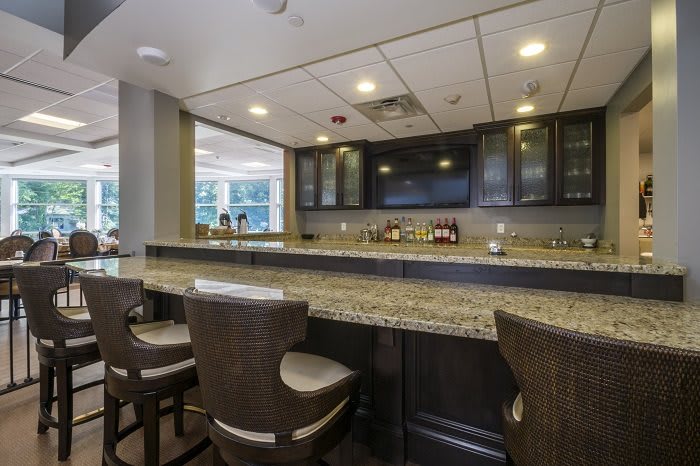
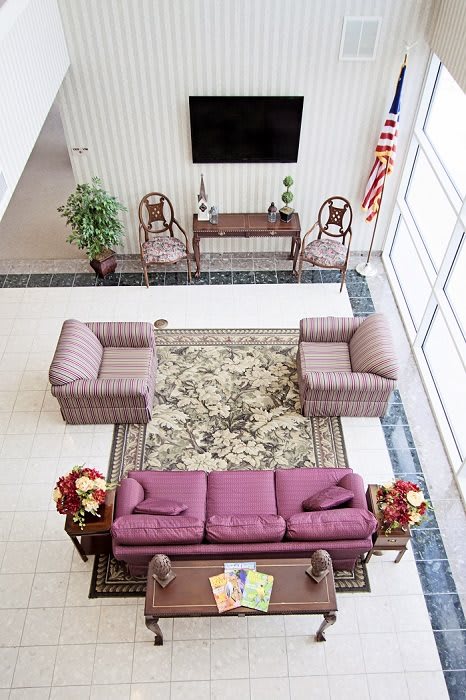
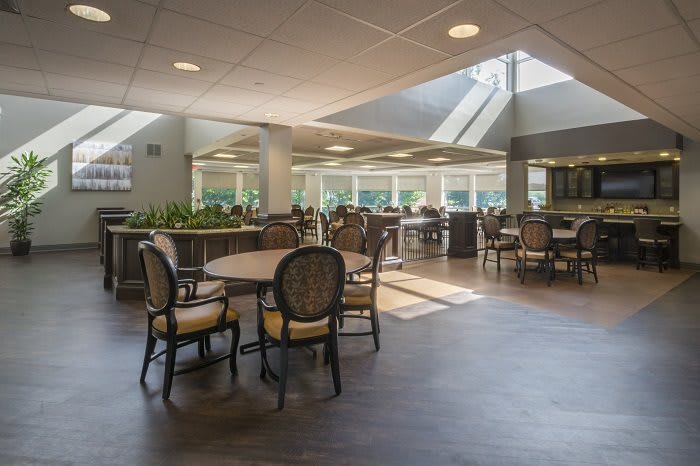
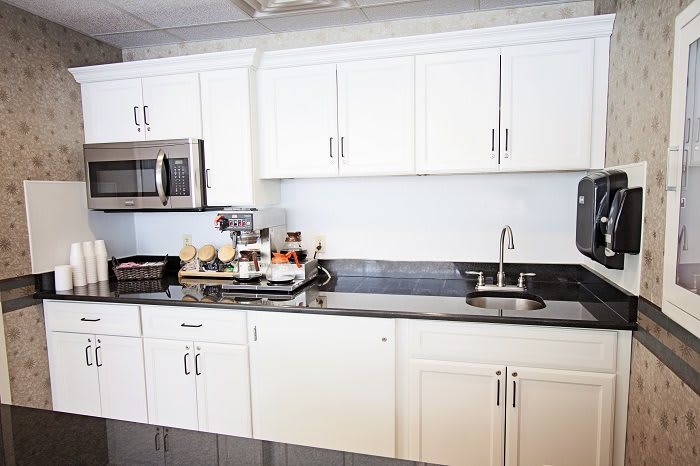
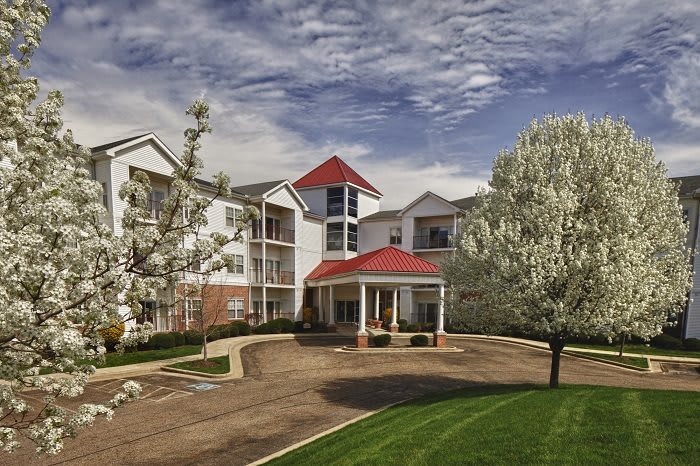
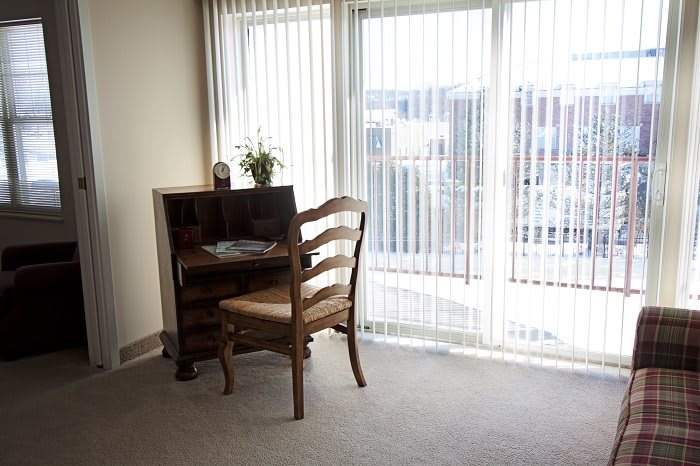
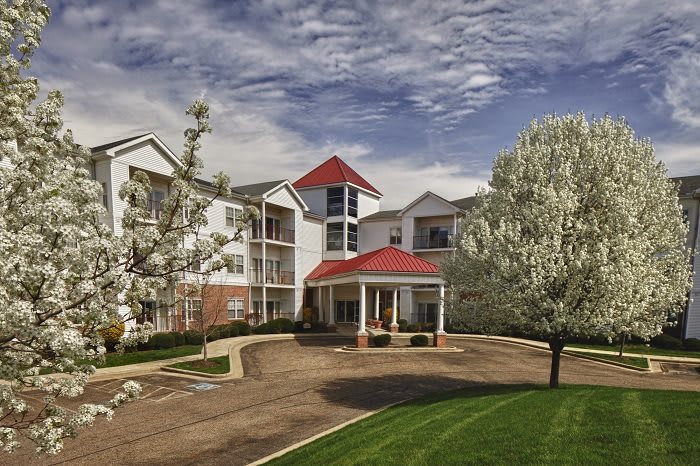
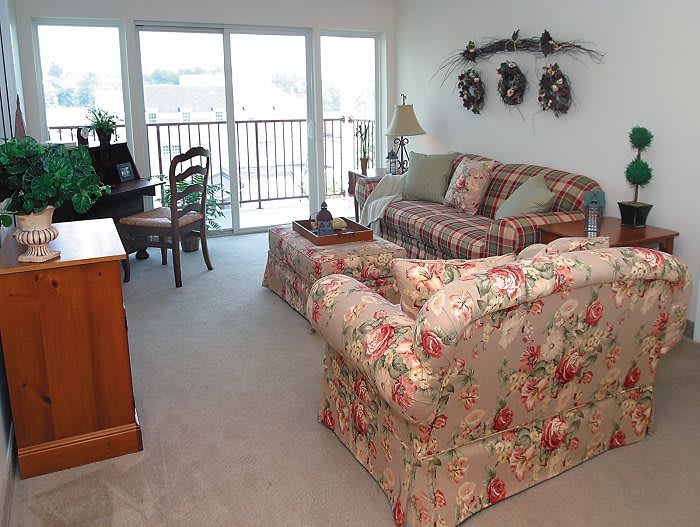
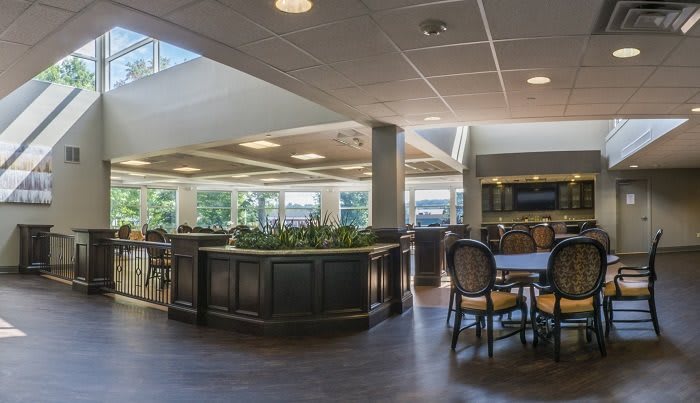
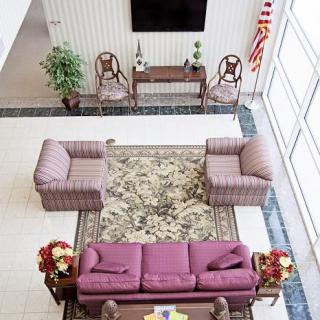
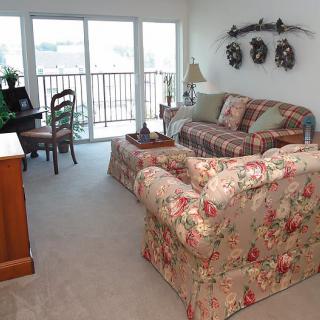
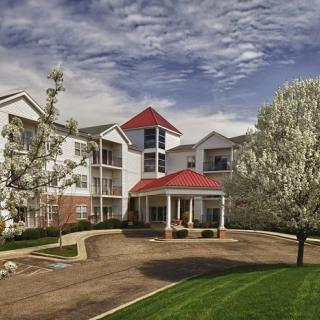
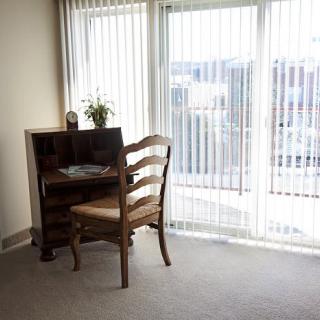
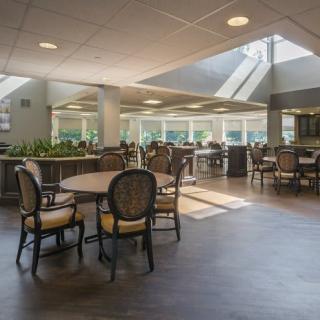
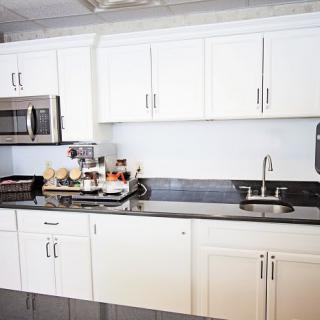
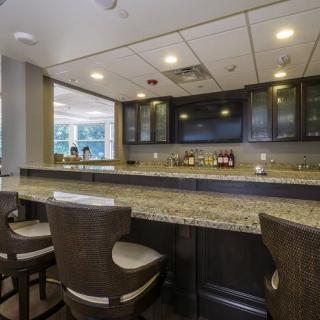
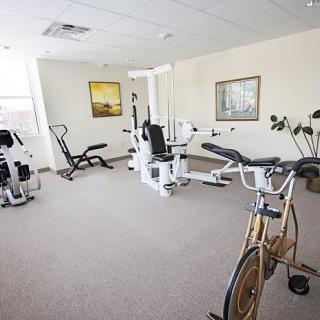
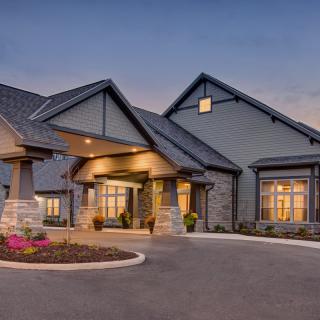
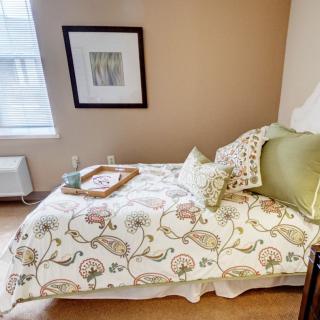
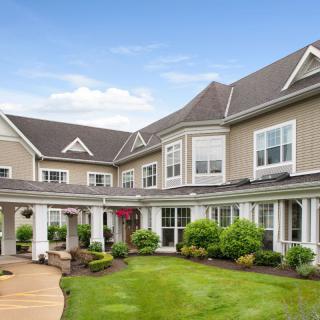
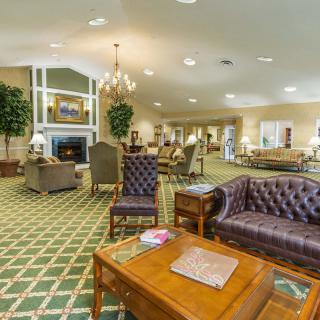
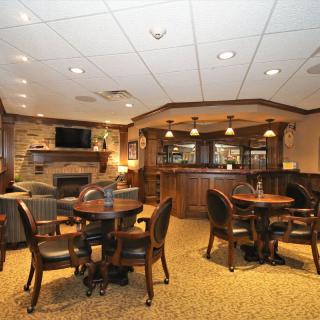
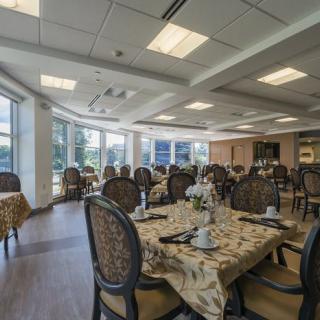
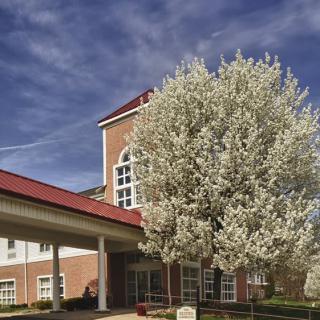
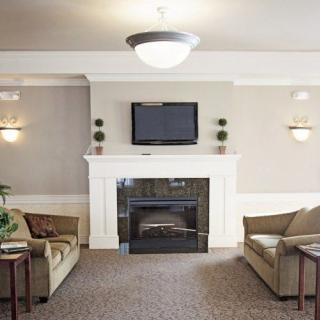
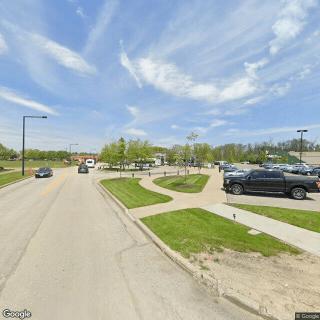
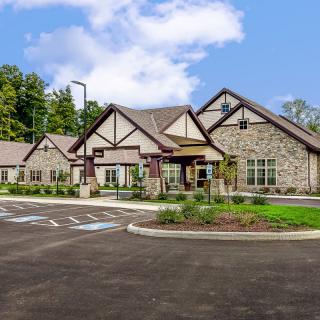
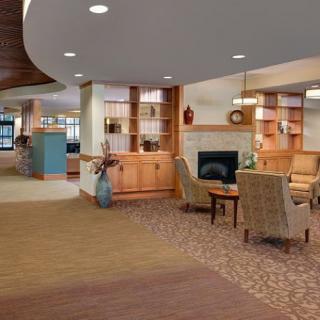
The Villas Assisted Living at Grande Village on seniors.fyi includes 11 photos including images showing interior, dining, windows, natural light, building, landscaping, trees, bar, and more.
Nearby Communities
Grande Village Suites
Twinsburg, OH
3.9 from 122 reviews
Spacious, clean rooms with active programs and generally attentive staff.
Manor Of Grande Village
Twinsburg, OH
4.2 from 100 reviews
24/7 staff with multiple care levels and restaurant-style dining.
The Suites at Grande Village
Twinsburg, OH
4.3 from 111 reviews
$3,100 / month
Friendly, compassionate staff in a beautiful, well-maintained facility.
Grande Village Villas
Twinsburg, OH
4.3 from 115 reviews
Extensive on-site amenities (dining, fitness, transportation) with 24-hour care.
Seniors Helping Seniors
Twinsburg, OH
Strong access to dining, parks, pharmacies, physicians, places of worship, and a nearby hospital.
Heartland Of Twinsburg
Twinsburg, OH
3 from 1 review
Some nurses and aides are dedicated and provide excellent care.
Maplewood At Twinsburg
Twinsburg, OH
4.7 from 138 reviews
$5,950 / month
Caring staff with engaging activities and a clean, well-maintained environment.
Anna Maria Of Aurora
Aurora, OH
4.3 from 123 reviews
Friendly, responsive staff; clean, well-maintained rooms; engaging activities and good dining.
Transitioning from assisted living to memory care is driven by an individual's cognitive decline and specific needs, requiring careful evaluation of indicators like increased confusion and wandering. The process involves consulting medical professionals, researching suitable communities, considering financial and legal aspects, and ensuring effective communication for personalized care plans.
Assisted living provides moderate support for seniors seeking independence, while memory care offers specialized support for individuals with dementia or cognitive impairments through structured routines and trained staff. Key differences include care approaches, environment security measures, staff training levels, activity types, and cost considerations.
Assisted living communities offer diverse activities beyond traditional games to enhance seniors' physical health, cognitive well-being, emotional enrichment, and social connections, including fitness classes, creative expression, and intergenerational interactions. These enriching programs foster community bonds and support residents' independence and happiness.
The Villas Assisted Living at Grande Village photos
×
Interior
Decor
Living Room
Building
Trees
Windows
Dining
Kitchen
Lighting
Exercise Equipment
Interior
Decor, Lobby, Flag, Plant, Waiting Area, and Rug
Dining
Living Room and Balcony
Landscaping, Building, and Trees
Windows
Architecture
Kitchen
Lighting and Bar
Seating Area and Lounge
Exercise Equipment, Gym, Fitness, and Workout Space
Natural Light
Indoor Plants
Minimalist and Home Office
Get PricingAsk A QuestionSchedule A TourContact Senior Advisor
By clicking submit, you agree to our Partner's Terms of Use. You
also consent to receive calls and texts, which may be autodialed, from our Partner. Your consent is not a condition to
using our Partner's service. Please visit our Partner's Privacy Policy for information about their privacy practices.

 Assisted Living
 Independent Living
 Activities off-site
 Air-conditioning
 Beautician on-site
 Devotional services off-site
 Full kitchen
 Ground floor units
 Handicap accessible
 Indoor common areas
 Wheelchair accessible showers
 Wi-Fi/high-speed internet available
 Cleveland-Hopkins International (22 miles away)
 Ambulatory care
 Diabetic care
 High acuity care
 Incontinence care
 Medication management
 Guest meals
 Art classes
 Cooking classes
 Day trips and outings
 Educational speakers / life long learning
 Happy hour
 Live dance or theater performances
 Live musical performances
 Live well programs
 Wine tasting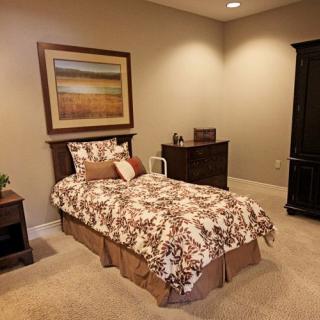
 Spacious, clean rooms with active programs and generally attentive staff.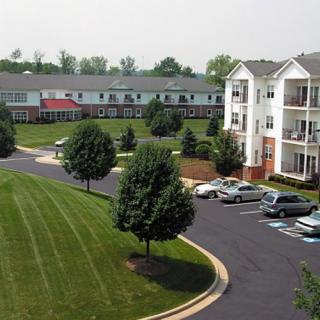
 When to Transition from Assisted Living to Memory Care: Key Indicators, Steps, and Finding the Right Community
 Assisted Living and Memory Care: Understanding Their Core Differences
 Beyond the Bingo Hall: 50+ Enriching Activities for Seniors in Assisted Living