The Atrium At Anna Maria offers competitive pricing for its accommodations compared to both Summit County and the broader state of Ohio. For a studio, residents can expect to pay $2,100 per month, significantly lower than the average costs of $4,012 in Summit County and $3,727 statewide. The one-bedroom units are also attractively priced at $2,600, which is more economical than the regional average of $3,849 and the state average of $3,712. Perhaps most notably, the two-bedroom option at The Atrium is available for $3,500, which not only aligns closely with the state benchmark of $3,501 but is quite favorable compared to the higher county rate of $4,103. Overall, The Atrium At Anna Maria presents a compelling value proposition for those seeking comfortable living options without exceeding budgetary constraints.
Floor plans
The Atrium At Anna Maria
Summit County
Ohio
Studio
$2,100
$4,012
$3,727
1 Bedroom
$2,600
$3,849
$3,712
2 Bedrooms
$3,500
$4,103
$3,501
Overall Review of The Atrium At Anna Maria
differentiator11 reviews mention this
Dining quality stands out
Dining quality is repeatedly praised by residents and families.
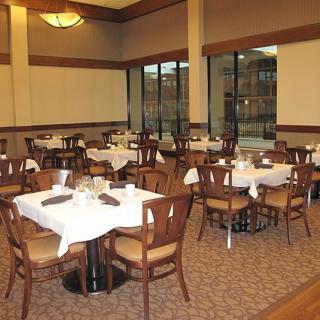
Many reviews describe the food as excellent, delicious, and well presented, with residents and families looking forward to meals. Several also mention meal service routines, including meals being served in the dining room and sometimes delivered to residents’ rooms. This lines up with the community offering restaurant-style dining and meal service as part of everyday life.
common17 reviews mention this
Staff feel truly personal
Residents and families frequently describe the staff as caring and responsive.
Across reviews, people mention staff who are friendly, welcoming, and attentive—often treating residents “like family” and helping with day-to-day comfort. Families also describe support during transitions, tours, and ongoing needs, with staff guiding them through situations as they come up. The community also offers care support that includes assistance with activities of daily living and medication management.
common9 reviews mention this
Clean facility and upkeep
Cleanliness and upkeep are a consistent part of the experience.
Several reviews describe the building as immaculate, very clean, and well maintained, including praise for housekeeping and overall appearance. A few visitors also comment on the space feeling well presented and welcoming. While one reviewer reported cleanliness concerns, most feedback highlights cleanliness as a strength.
common7 reviews mention this
Activities and programs keep busy
Residents are kept engaged with activities and scheduled programming.
Residents and families frequently mention activities that help people stay involved, including community-sponsored events, devotional and educational offerings, and resident participation. Reviews also point to programming that supports social time and keeps residents “active,” along with planning like day trips. This matches the community’s mix of on-site activities and scheduled daily activities.
differentiator6 reviews mention this
Care support for changing needs
Care plans are described as supportive as needs change.
Some reviewers describe strong hands-on help, including aides and nursing support that residents and families feel confident in. There are also mentions of assisted support around routines like bathing and dressing, as well as medication-related help. One review raises concerns about medication assistance not matching what was expected, which is an important caveat to confirm during planning.
caveat2 reviews mention this
Cost feels mixed for families
Affordability is not consistent across reviewers.
At least one review says the community was out of their price range, which suggests cost can be a barrier for some families. Another review describes the community as offering excellent care at a good value, indicating perceptions of value vary. If pricing matters most, it’s worth comparing available unit options and care needs to what was expected in the reviews.
How we summarize
Counts show how many written reviews mention each theme; a review can touch several themes, and only frequently mentioned themes are displayed.
Features
Housing
64 resident community capacity
1-bedroom apartments
2-bedroom apartments
Studio apartments
Types of Care
Assisted Living
Independent Living
Memory Care
Skilled Nursing Facility
Amenities
Activities on-site
Air-conditioning
Beautician on-site
Beauty salon
Cable or satellite TV
Computer center
Devotional services off-site
Dining room
Fitness room
Full kitchen
Fully furnished
Gaming room
Garden
Housekeeping services
Indoor common areas
Kitchenette
Move-in coordination
Outdoor space
Private bathrooms
Respite or short term stays offered
Restaurant-style dining
Small library
Swimming pool
Swimming pool / hot tub
Telephone
Wellness center
Wi-Fi/high-speed internet available
Transportation
Community operated transportation
Transportation arrangement
Transportation arrangement (non-medical)
Transportation to doctors appointments
Care Services
12-16 hour nursing
24-hour call system
24-hour supervision
Activities of daily living assistance
Ambulatory care
Assistance with bathing
Assistance with dressing
Assistance with transfers
Diabetes diet
Diabetic care
Incontinence care
Meal preparation and service
Medication management
Mental wellness program
Mild cognitive impairment
Special dietary restrictions
Specialized memory care programming
Dining
Diabetes diet
Meals provided
Special dietary restrictions
Special dining programs
Activities
Activities off-site
Activities on-site
Community-sponsored activities
Concierge services
Devotional activities offsite
Educational speakers / life long learning
Fitness programs
Montessori programs
Planned day trips
Religious services
Reminiscence programs
Resident-run activities
Scheduled daily activities
Sensory-based programs
Languages Spoken
English
Nearby Places of Interest
Places of Worship
Aurora United Methodist Church (1.1 miles)
Macedonia Commons (8.2 miles)
Restaurants
McDonald's (1.4 miles)
McDonald's (1.7 miles)
Chipotle Mexican Grill (1.7 miles)
Station 43 Tavern (2 miles)
Mad Jack's Grill & Pub (2.2 miles)
Mason Jar Grill And Pu (2.3 miles)
Sports Page Tavern (3.4 miles)
Pharmacies
Walmart Pharmacy (1.5 miles)
Marc's Stores (1.7 miles)
CVS Pharmacy (1.7 miles)
Walgreens (1.8 miles)
Discount Drug Mart (2.5 miles)
Walgreens (4.3 miles)
Market District Supermarket (4.7 miles)
Physicians
James W. Tomko OD (1.7 miles)
Bainbridge Urgent Care (3.5 miles)
Behavioral Medicine Solutions (3.6 miles)
Tanglewood Family Eye Care (3.9 miles)
South Suburban Women's Center (4.3 miles)
Cleveland Clinic Internal Medicine (4.9 miles)
Crystal Clinic Orthopaedic Center (6.5 miles)
Hospitals
Cleveland Clinic (3.5 miles)
Med Center One-Streetsboro (6.7 miles)
Akron Children's Hospital Urgent Care (8.9 miles)
Assurance Health Hudson (9.6 miles)
University Hospitals Ahuja Medical Center (10.3 miles)
The Atrium At Anna Maria offers competitive pricing for its accommodations compared to both Summit County and the broader state of Ohio. For a studio, residents can expect to pay $2,100 per month, significantly lower than the average costs of $4,012 in Summit County and $3,727 statewide. The one-bedroom units are also attractively priced at $2,600, which is more economical than the regional average of $3,849 and the state average of $3,712. Perhaps most notably, the two-bedroom option at The Atrium is available for $3,500, which not only aligns closely with the state benchmark of $3,501 but is quite favorable compared to the higher county rate of $4,103. Overall, The Atrium At Anna Maria presents a compelling value proposition for those seeking comfortable living options without exceeding budgetary constraints.
The features offered at The Atrium At Anna Maria are specifically designed to support individuals with dementia or Alzheimer's by providing a safe and nurturing environment that addresses their unique needs. With 24-hour supervision, residents receive constant oversight, ensuring their safety and allowing for immediate assistance when needed. Activities of daily living assistance, including help with bathing, dressing, and transfers, promote dignity while easing the challenges faced by those with cognitive impairments. Incontinence care and personalized meal preparation ensure comfort and nutrition tailored to individual requirements. Medication management is crucial for maintaining health, while mental wellness programs address emotional well-being through engaging activities. Mild cognitive impairment strategies alongside Montessori and sensory-based programs stimulate cognitive function in enjoyable ways, fostering engagement and social interaction that can enhance quality of life. Specialized memory care programming further tailors experiences to individual capabilities, creating an environment where residents feel understood and supported throughout their journey with dementia or Alzheimer's disease.
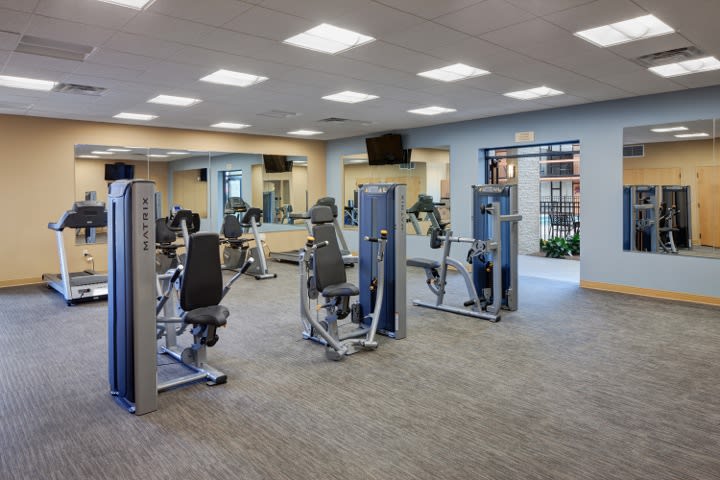
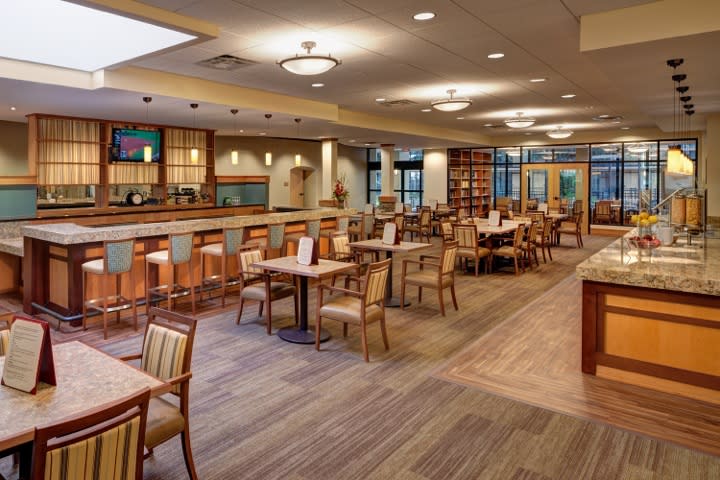
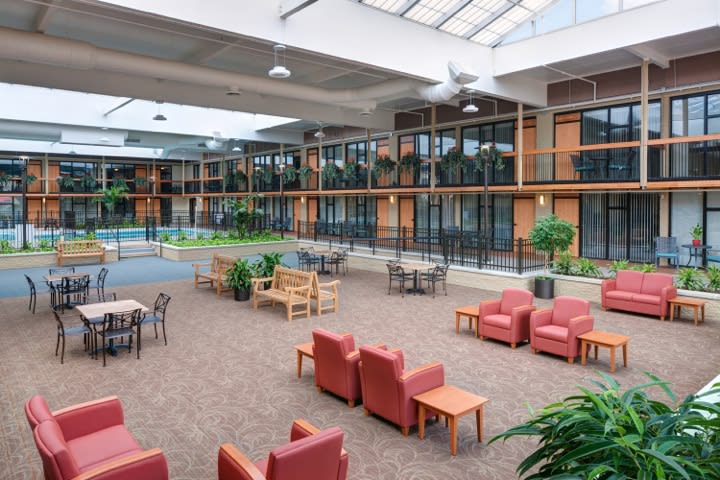
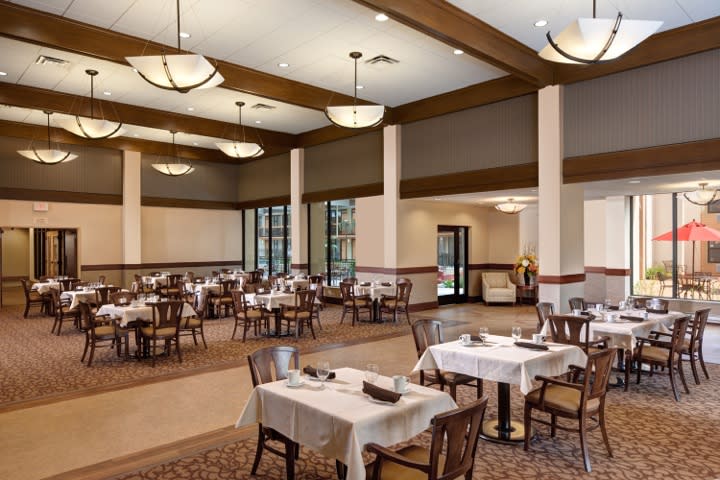
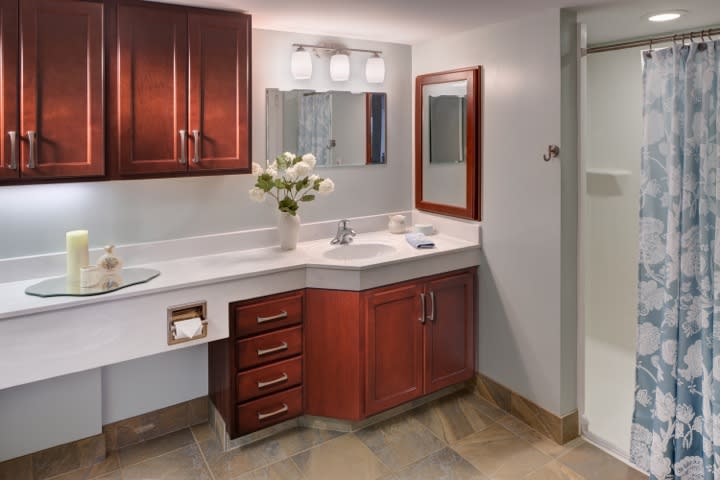
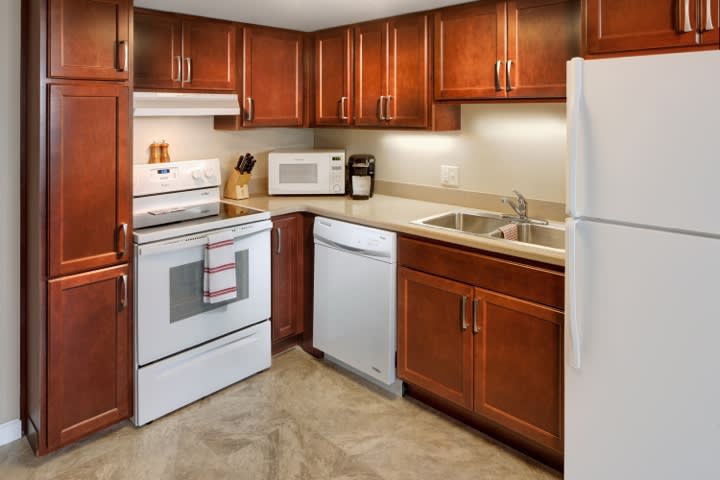
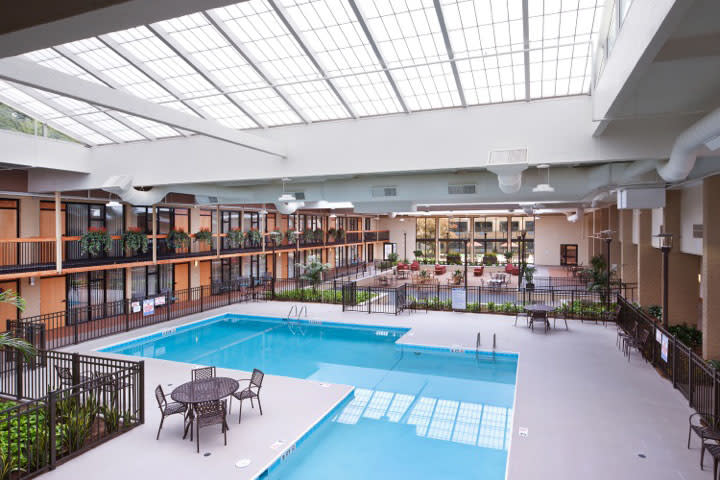
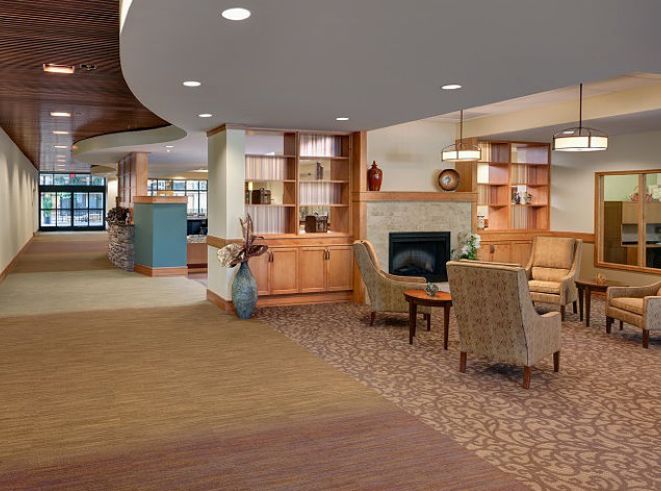
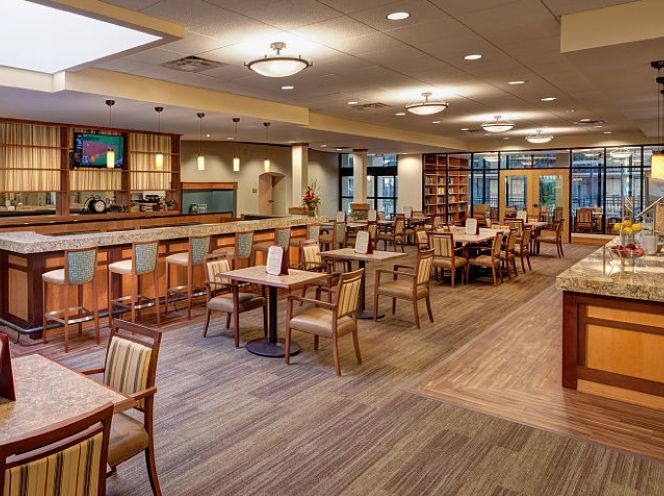
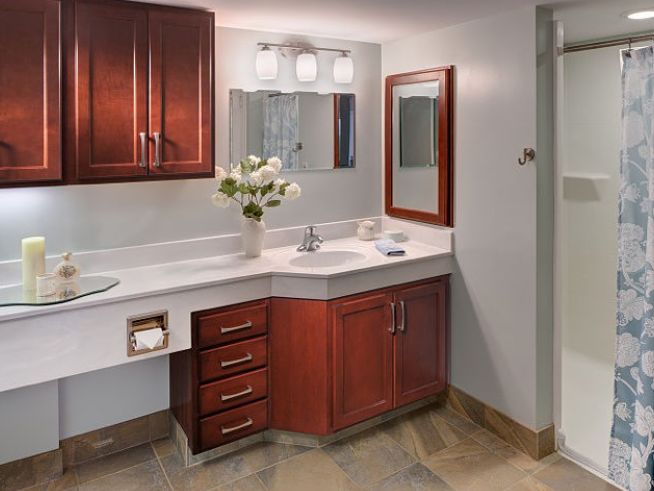
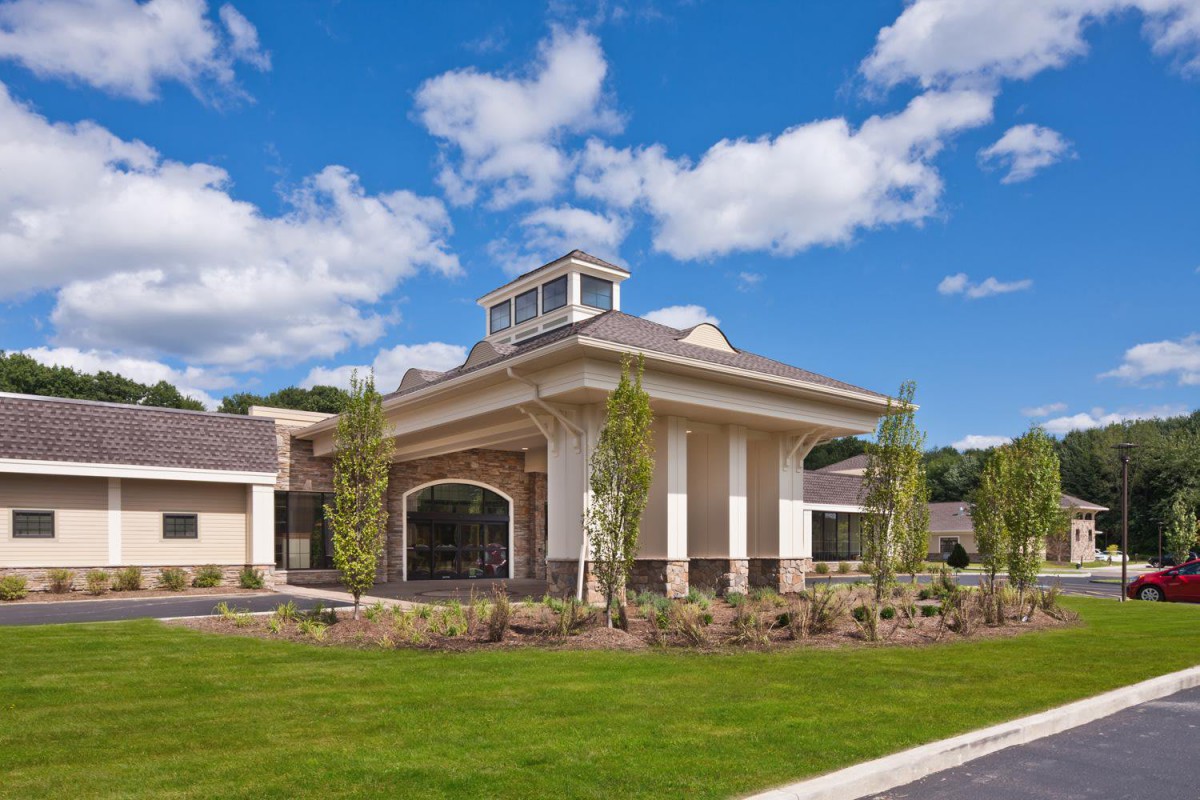
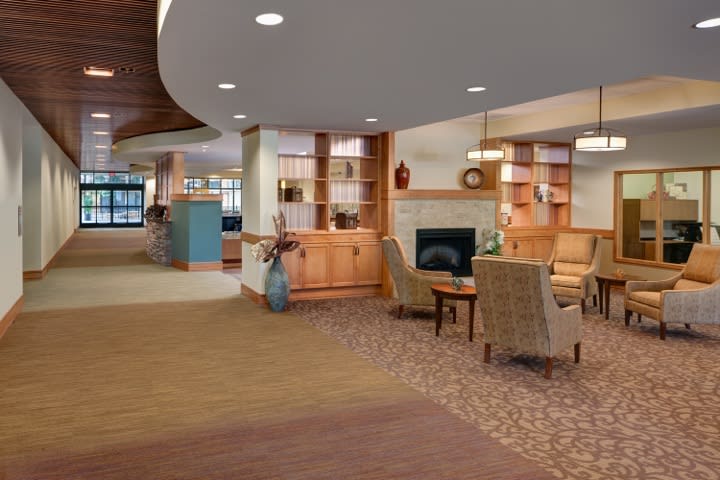
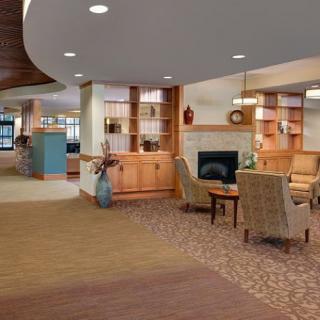
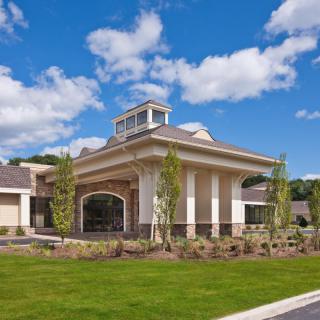
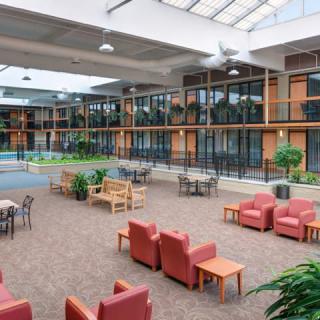
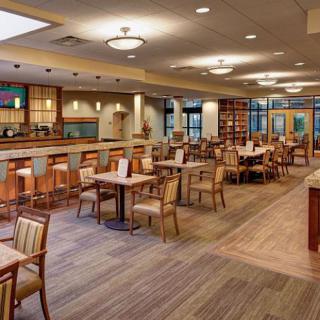
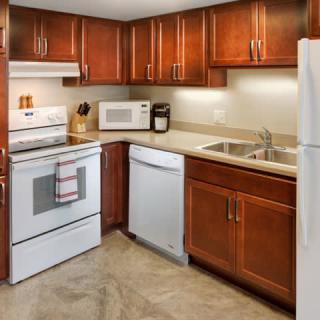
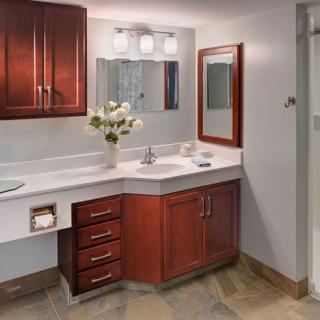
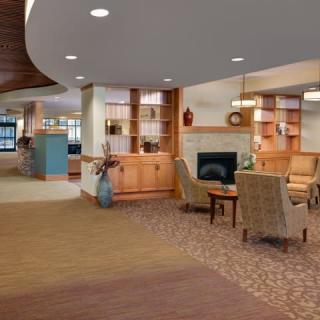
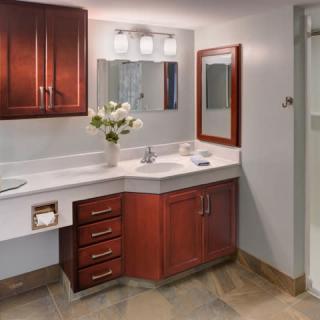
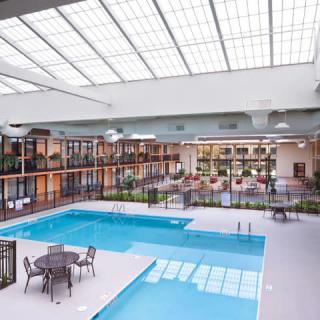
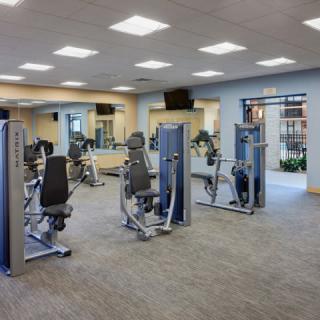
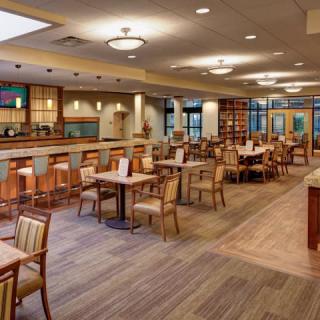
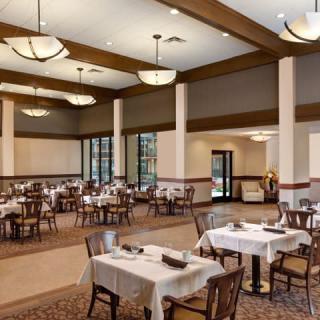
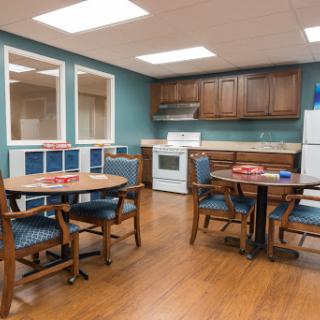
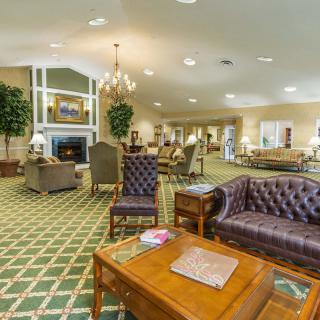
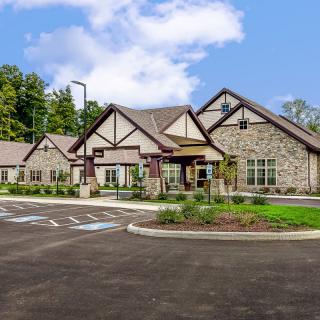
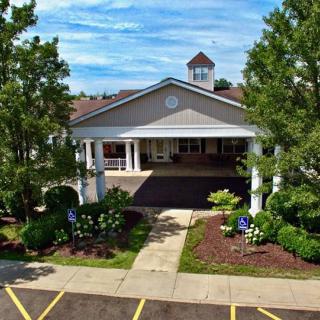
The Atrium At Anna Maria on seniors.fyi includes 13 photos including images showing interior, lighting, dining, lobby, seating area, bathroom, landscaping, entrance, and more.
Nearby Communities
Kensington At Anna Maria
Aurora, OH
4.2 from 89 reviews
Clean, welcoming atmosphere with attentive staff and engaging activities.
The Campus of Anna Maria
Aurora, OH
4.5 from 4 reviews
$3,870 to $4,950 / month
Spacious campus with dedicated rehab and memory care units, professional staff, and a range of on-site activities.
Anna Maria Of Aurora
Aurora, OH
4.3 from 123 reviews
Friendly, responsive staff; clean, well-maintained rooms; engaging activities and good dining.
Aurora Manor Special Care Ctr
Aurora, OH
3.2 from 71 reviews
Caring staff and comforting, home-style dining with homemade soup.
Avenue At Aurora
Aurora, OH
4.2 from 113 reviews
Extensive on-site amenities and 24/7 care services
Independence Village Of Aurora
Aurora, OH
4.7 from 141 reviews
$3,994 to $5,639 / month
Caring staff and a welcoming, community-focused environment with restaurant-style dining and engaging activities.
The Suites at Grande Village
Twinsburg, OH
4.3 from 111 reviews
$3,100 / month
Friendly, compassionate staff in a beautiful, well-maintained facility.
Maplewood At Twinsburg
Twinsburg, OH
4.7 from 138 reviews
$5,950 / month
Caring staff with engaging activities and a clean, well-maintained environment.
The Gardens At Liberty Park
Streetsboro, OH
3.7 from 114 reviews
$2,665 to $4,022 / month
Caring, compassionate staff with engaging activities.
"Memory Care Pathways: A Holistic Guide to Dementia Support" outlines the complexities of dementia and its various types, emphasizing early detection, patient-centered care strategies, caregiver support, and long-term care options while addressing legal and financial considerations to enhance the quality of life for individuals with dementia and their families.
Sundown syndrome, or sundowning, is a phenomenon in dementia patients characterized by increased confusion and agitation during late afternoon and evening, influenced by factors like disrupted circadian rhythms and fatigue. Effective caregiver strategies include establishing routines and managing environmental light while addressing caregiver stress through support services.
Delirium is a rapidly onset, reversible cognitive disturbance often caused by acute medical issues, while dementia is a gradual and irreversible decline due to chronic neurodegenerative diseases. Accurate differentiation between the two is essential for appropriate treatment and management in older adults.
Landscaping, Building, Architecture, Entrance, and Clouds
Windows, Seating, and Lounge Area
Bathroom
Kitchen, Appliances, Cabinets, Refrigerator, Stove, and Dishwasher
Lighting
Seating Area and Lobby
Exercise Equipment, Gym, and Fitness Center
Natural Light and Indoor Pool
Waiting Area and Reception
Bar
Cozy Atmosphere
Get PricingAsk A QuestionSchedule A TourContact Senior Advisor
By clicking submit, you agree to our Partner's Terms of Use. You
also consent to receive calls and texts, which may be autodialed, from our Partner. Your consent is not a condition to
using our Partner's service. Please visit our Partner's Privacy Policy for information about their privacy practices.

 64 resident community capacity
 1-bedroom apartments
 Assisted Living
 Independent Living
 Memory Care
 Skilled Nursing Facility
 Activities on-site
 Air-conditioning
 Beautician on-site
 Cable or satellite TV
 Computer center
 Devotional services off-site
 Dining room
 Fitness room
 Full kitchen
 Fully furnished
 Gaming room
 Garden
 Housekeeping services
 Indoor common areas
 Move-in coordination
 Outdoor space
 Private bathrooms
 Respite or short term stays offered
 Restaurant-style dining
 Small library
 Swimming pool
 Telephone
 Wellness center
 Wi-Fi/high-speed internet available
 Community operated transportation
 12-16 hour nursing
 24-hour call system
 Ambulatory care
 Assistance with bathing
 Assistance with dressing
 Assistance with transfers
 Diabetes diet
 Diabetic care
 Incontinence care
 Medication management
 Mental wellness program
 Special dietary restrictions
 Concierge services
 Educational speakers / life long learning
 Montessori programs
 Planned day trips
 English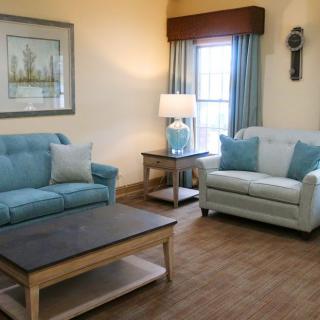
 Clean, welcoming atmosphere with attentive staff and engaging activities.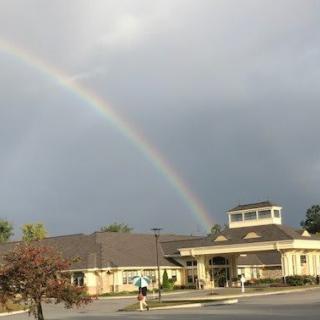

 Memory Care Pathways: A Holistic Guide to Dementia Support
 Comprehending Evening Confusion in Dementia: Causes, Manifestations, and Support
 Delirium and Dementia: Unraveling the Key Differences