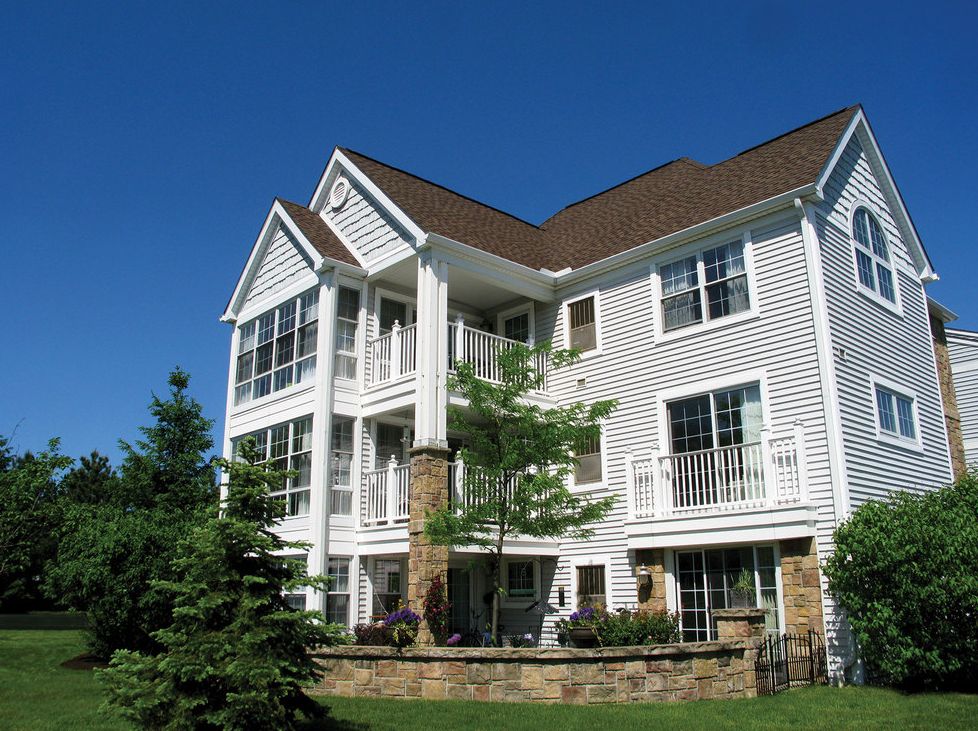




200 Laurel Lake Drive, Hudson, OH 44236
For more information about senior living options: (866) 208-4318
Crown Center At Laurel Lake Costs & Pricing
Crown Center At Laurel Lake offers competitive pricing for its various room types when compared to both Summit County and the broader state of Ohio. For instance, the monthly cost for a studio apartment at Crown Center is $1,819, significantly lower than the county average of $4,012 and the state average of $3,727. Similarly, one-bedroom units are priced at $2,185, which is again more affordable than both Summit County's average of $3,849 and Ohio's average of $3,712. The two-bedroom options at Crown Center also reflect an attractive rate of $2,587 in contrast to the county's higher rate of $4,103 and a state average of $3,501. However, it's worth noting that the semi-private rooms are priced at $5,102 - higher than both Summit County's average ($4,058) and Ohio's ($3,965). Overall, Crown Center At Laurel Lake presents a range of options with costs that are notably lower for most unit types compared to local and state benchmarks.
| Floor plans | Crown Center At Laurel Lake | Summit County | Ohio |
|---|---|---|---|
| Studio | $1,819 | $4,012 | $3,727 |
| 1 Bedroom | $2,185 | $3,849 | $3,712 |
| 2 Bedrooms | $2,587 | $4,103 | $3,501 |
| Semi-Private | $5,102 | $4,058 | $3,965 |
Assisted Living communities with a similar price nearby
-
from +$281 / mo
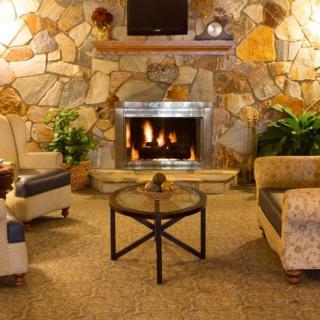
Royalton Woods
$2,100 to $2,300 / month13.9 miles away -
from -$289 / mo
Outlook Pointe At Ravenna
$1,530 to $2,430 / month13.0 miles away -
from -$324 / mo

Hamlet at Chagrin Falls
$1,495 to $2,315 / month13.9 miles away -
from -$119 / mo
Generations Senior Living of Berea
$1,700 to $2,100 / month21.5 miles away -
from -$224 / mo
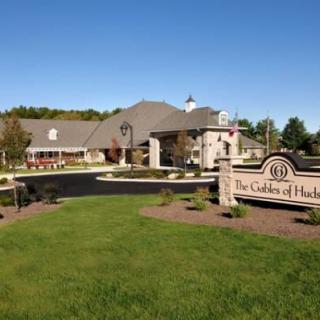
Hudson Grande Senior Living
$1,595 to $5,740 / month2.7 miles away
Overall Review of Crown Center At Laurel Lake
Pros
 Laurel Lake has been a lifesaver for families and their loved ones.
- The facility delivers excellent care with a wide range of activities, including a swim spa, aerobics classes, and personal training.
- Staff members are described as going above and beyond and as caring and empathetic.
- Laurel Lake offers various levels of housing and care and comes highly recommended.
- Visitors are impressed by the warmth and friendliness of the staff, and by management’s reinvestment in the property.
- The campus is beautiful and well-maintained, making it a nice place to live or work.
- Laurel Lake is a terrific senior living community offering everything a senior would want on an amazing site.
- Chaplain Jon Dodson is caring, empathetic, and generous with his time.
- The facility is well organized and well trained, with a robust staff of social workers assisting residents.
Cons
 The facility is short-staffed, with management disrespectful to agency and regular staff, and low wages.
- It is the worst place to work, with only day shifts for staff and real overload for agency nurses.
- Firing someone for a traffic violation seven years ago is unfair.
- The facility has gone downhill in recent years, with horrible management, rising prices, and services that have declined.
- They advertise central air conditioning but it has been broken for over a year.
- Not worth going there; the management is terrible, security is a joke, and there are not enough employees to accommodate all residents (and the place is haunted).
Review
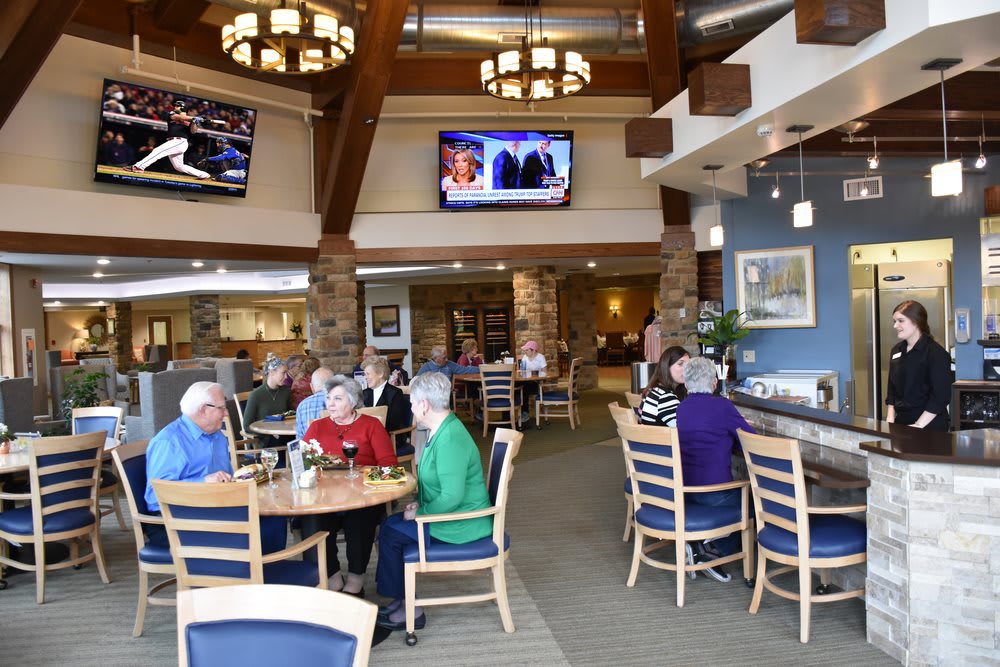
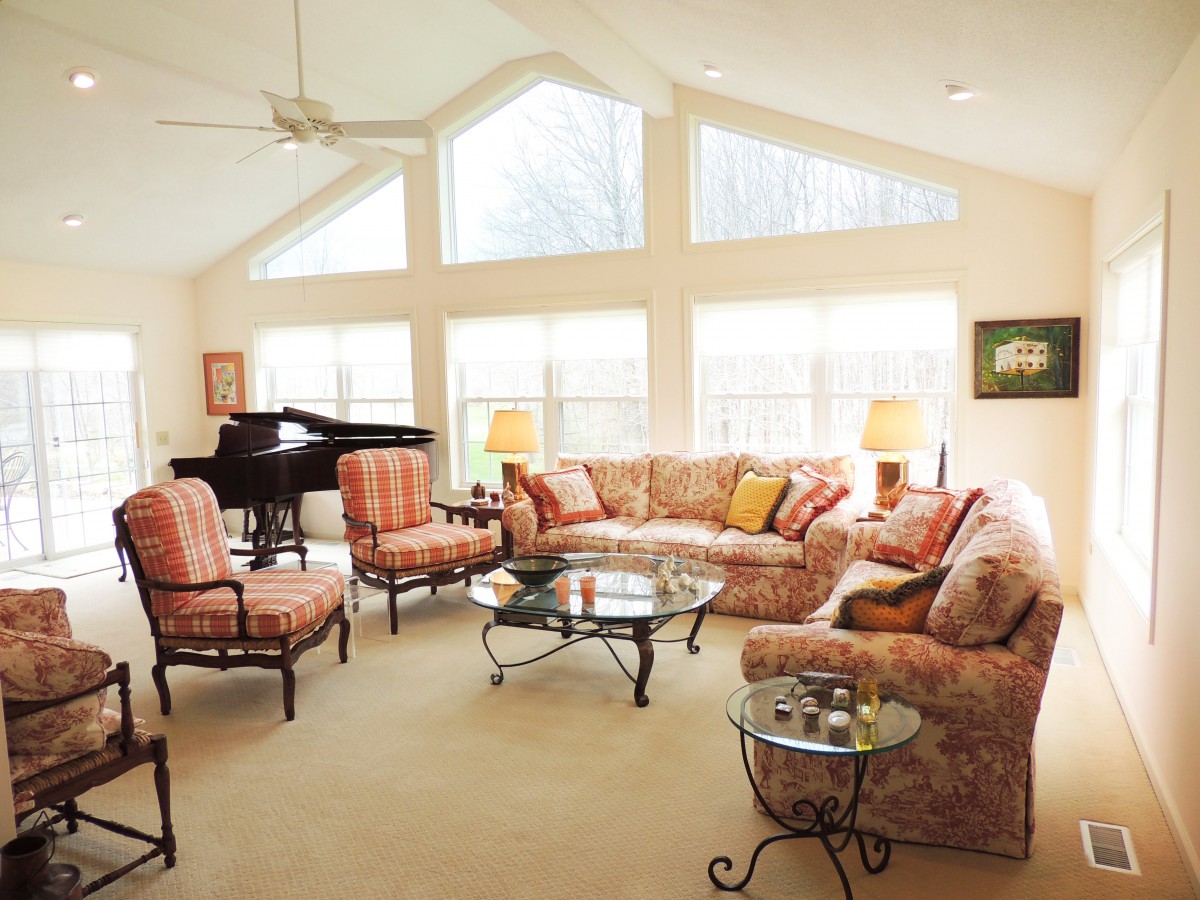
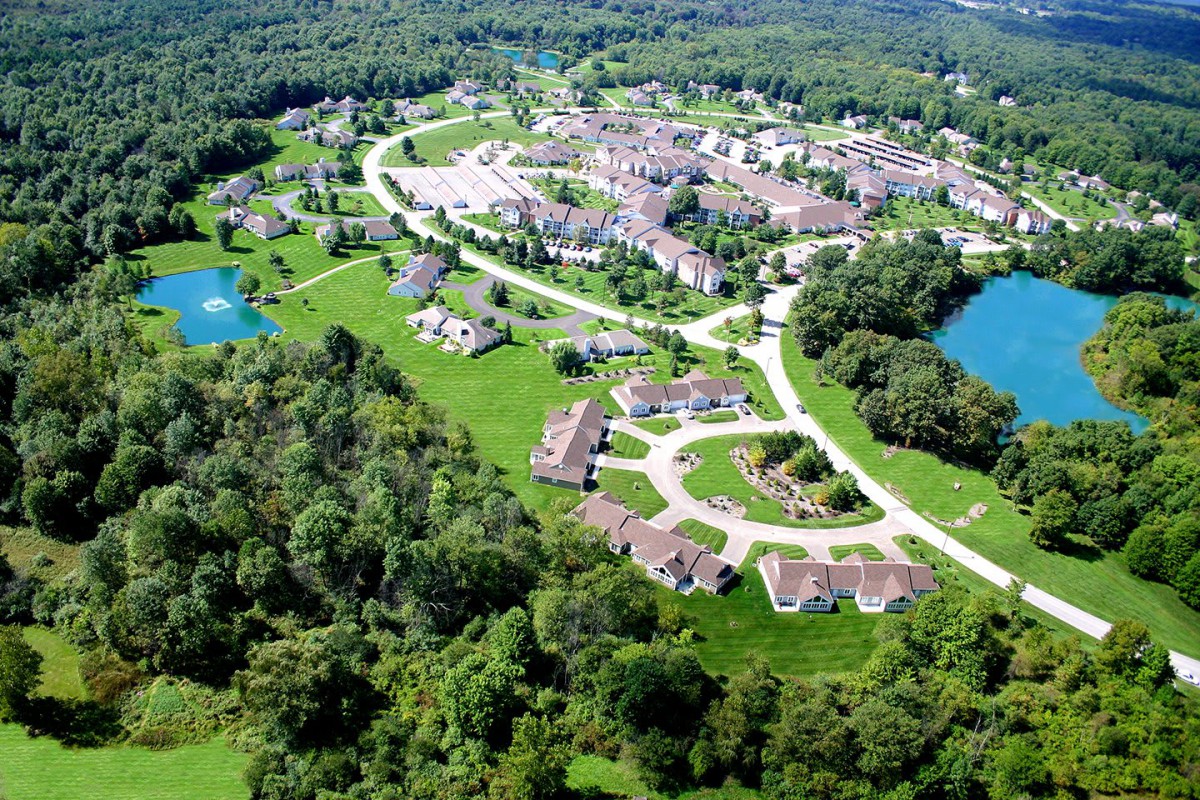
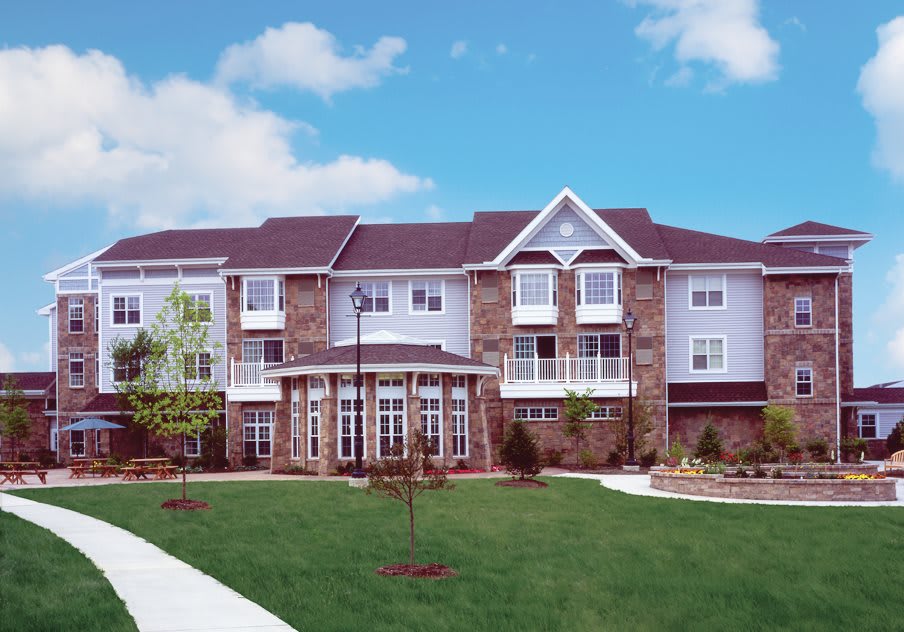
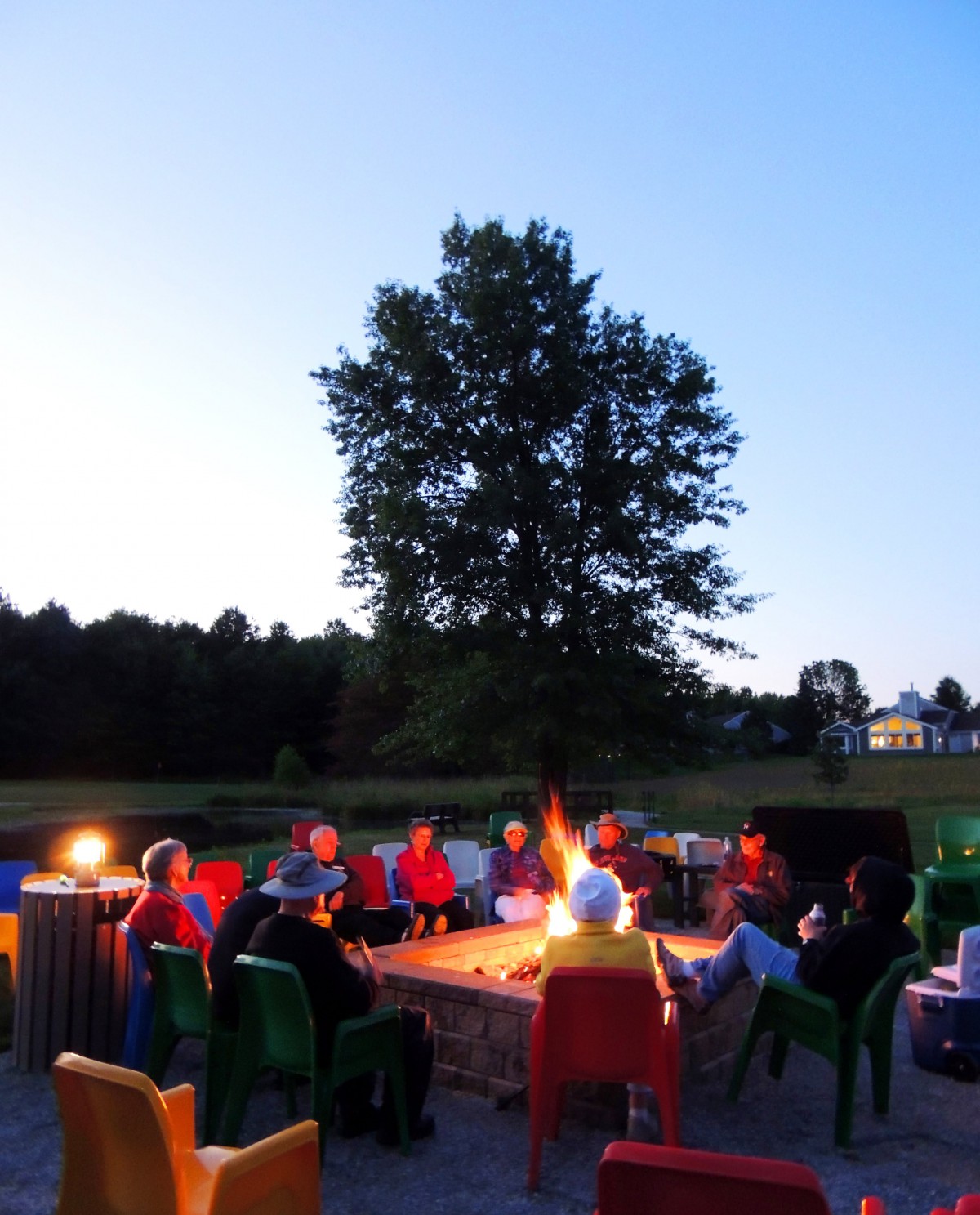
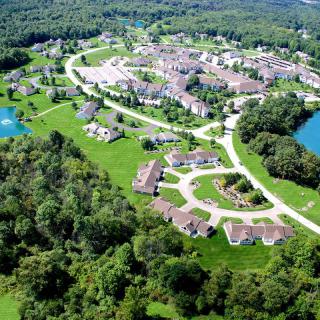
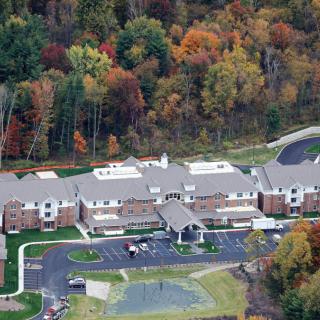
Crown Center At Laurel Lake in Hudson, Ohio is best suited for families seeking a true senior-living continuum on a single campus, with memory-care readiness and robust on-site programming as the core appeal. The community has grown from independent living into a comprehensive care campus, offering assisted living, memory care, and skilled support within easy reach. It stands out for families wanting to shield a loved one from multiple moves while maintaining familiar routines, social connections, and regular access to activities, wellness options, and a dedicated care team. The setting is large and aesthetically inviting, with a campus feel that reinforces daily engagement, not isolation. For residents who thrive on structured activities, social interaction, and a sense of belonging, Laurel Lake delivers a compelling value proposition that can support a loved one’s evolving needs without a disruptive relocation.
Those who may want to consider alternatives are those prioritizing tight budget discipline or unwavering staffing stability. Several reviews flag ongoing concerns about staffing levels and management practices, which can translate into inconsistent service at times and worry about response times. Families that demand airtight administrative communication, predictable pricing, and a climate of steady wage scales for frontline workers may prefer other options. If central climate control is non-negotiable, or if there is a heightened sensitivity to turnover and wage-driven staff interruptions, it is prudent to explore communities with documented, long-term staffing benchmarks and transparent pricing structures. In short, Laurel Lake is a strong fit when care continuity and campus-scale programming matter more than wrestling through periodically uneven operations or cost surprises.
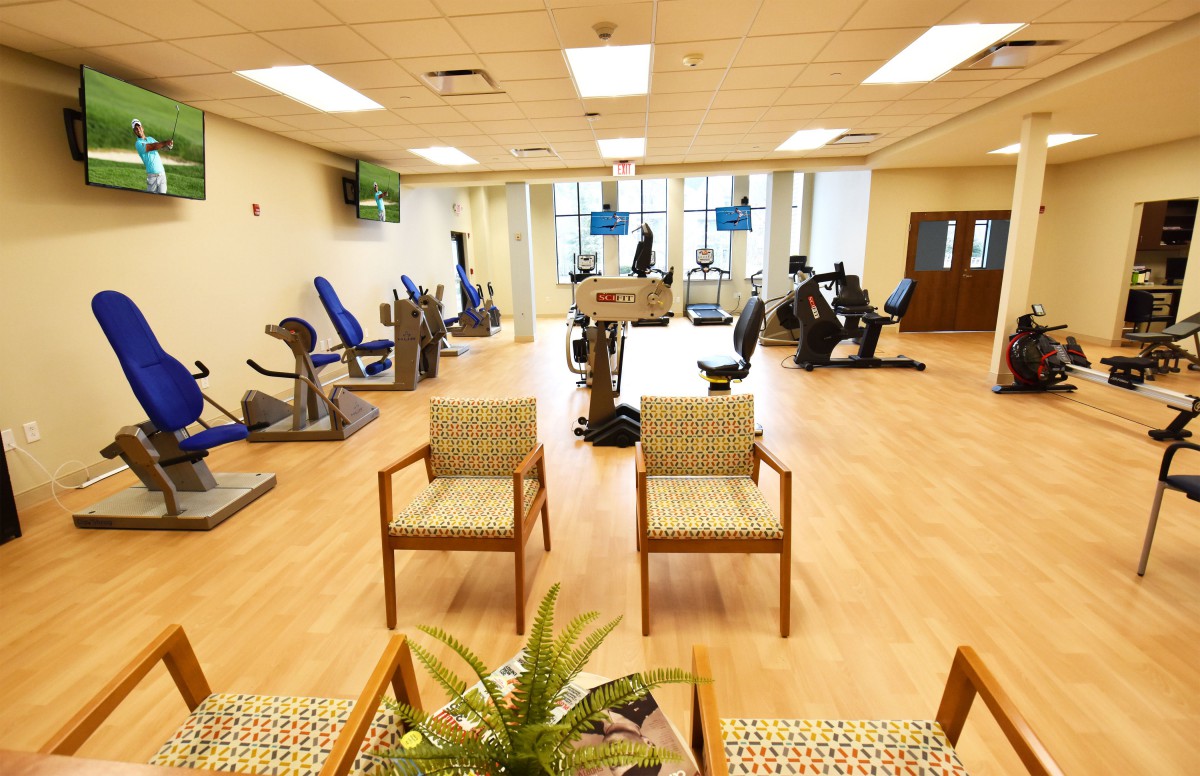
The strongest pro-arguments here revolve around continuity of care, depth of programming, and a care-forward culture that prioritizes families navigating serious health changes. Laurel Lake’s continuum, independent living feeding into assisted living and full-time memory care, reduces the emotional and logistical toll of forced transitions. A full-time social-work team supports care planning, family communication, and the practicalities of aging in place, which can ease the burden on relatives during difficult seasons. The aide staff in assisted living and memory care is repeatedly described as well-trained and engaged, with aides who do not merely “clock in” but actively contribute to residents’ daily routines. Activities, wellness programs, and even facilities like a pool, swim spa, and personal training provide tangible, ongoing engagement that helps preserve dignity, autonomy, and social connectedness. The presence of a chaplain and a warm, welcoming culture further anchors families who worry about loneliness or loss of purpose for their loved ones.
Yet, the facility’s negative signals cannot be dismissed. Short-staffing and managerial tensions surface in multiple notes, with criticisms directed at wage levels and the perceived harshness of some administrative decisions. These concerns matter because staffing stability directly affects timely assistance, safety checks, and the consistency of daily rhythms that families rely on. Price increases paired with service fluctuations compound frustration for families already managing budgets, and some former employee comments underscore a real, if contested, perception of management priorities. The physical plant itself has reported snagged maintenance items, most notably climate-control issues, that, if unresolved, can undermine comfort and the sense of security residents expect. In practice, these factors do not erase Laurel Lake’s strengths, but they do require careful due diligence and a clear plan to address them.
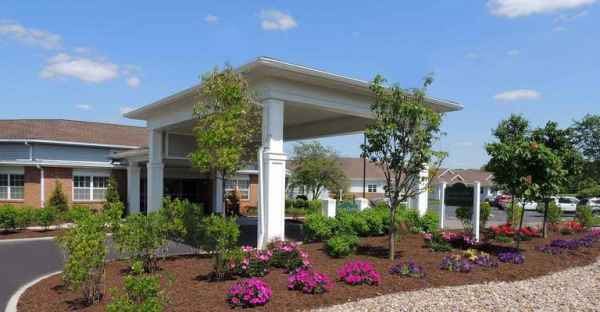
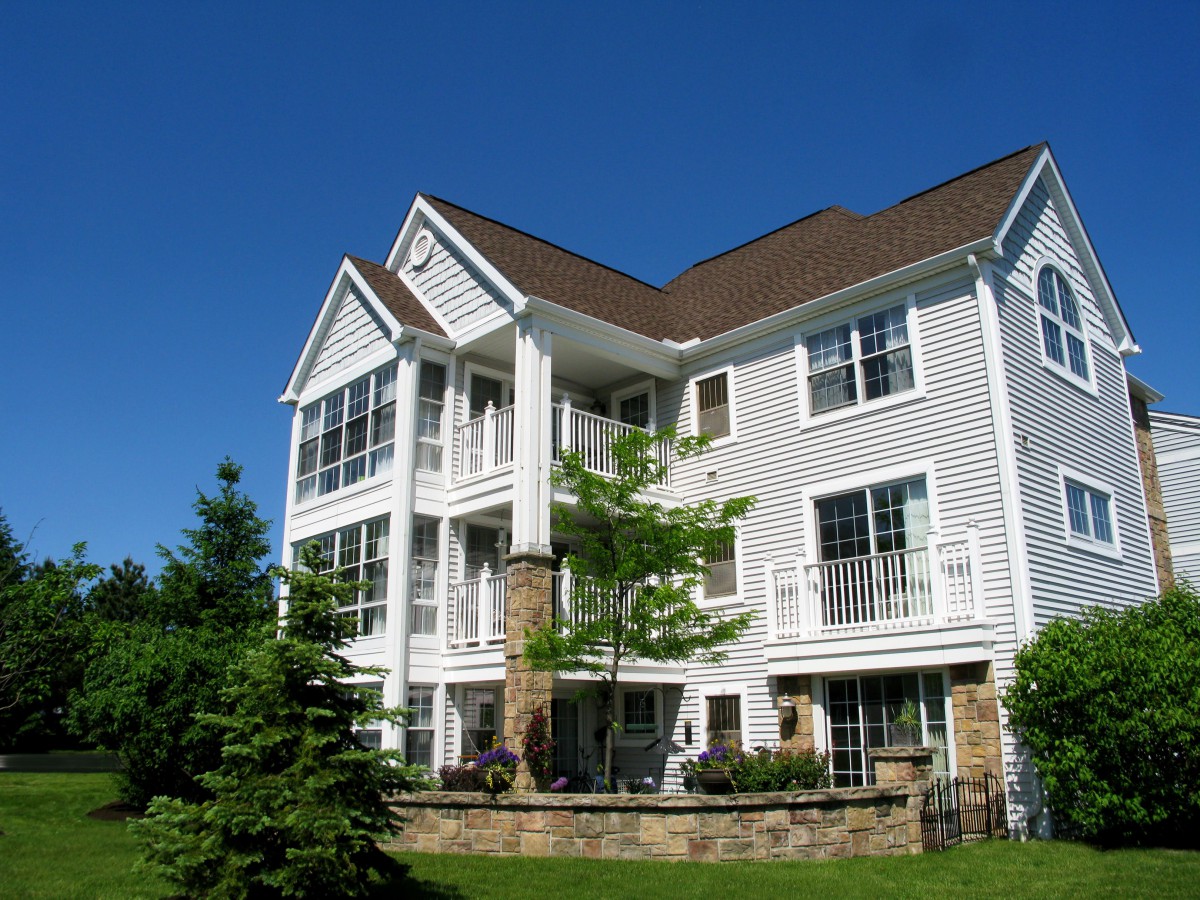
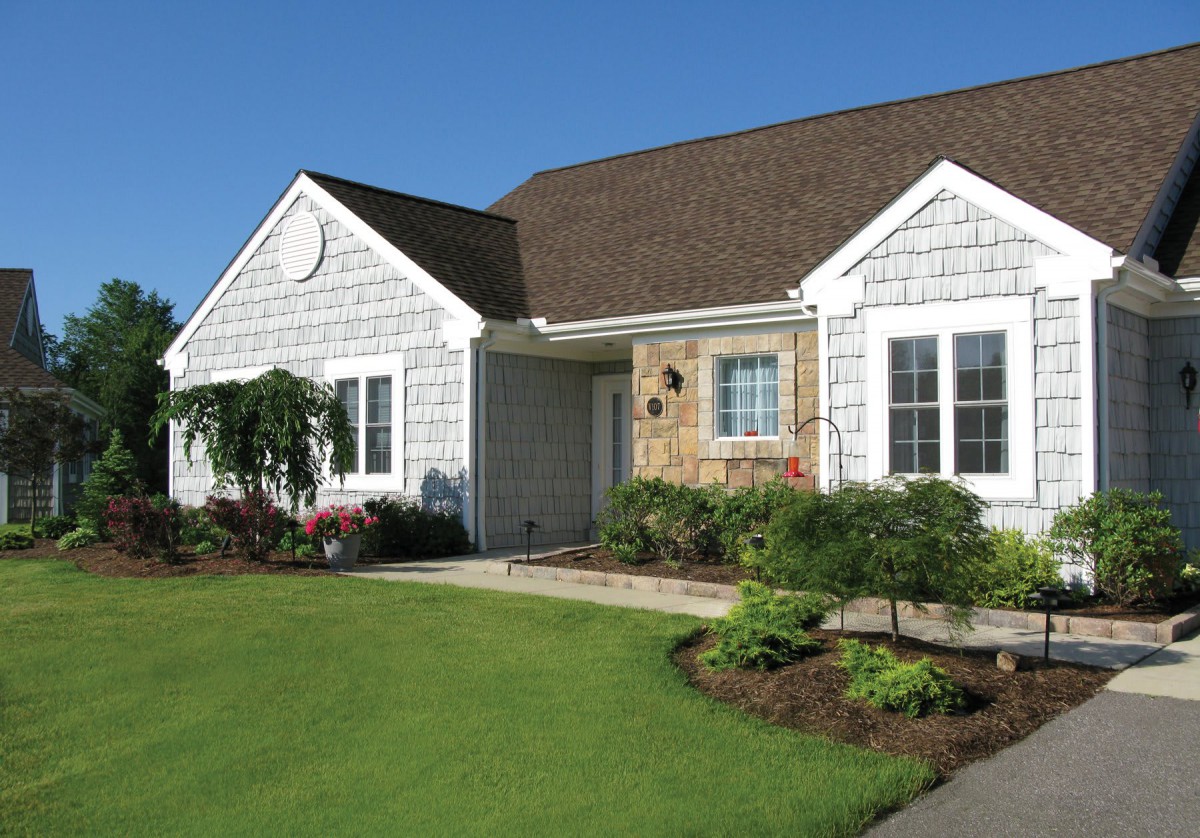
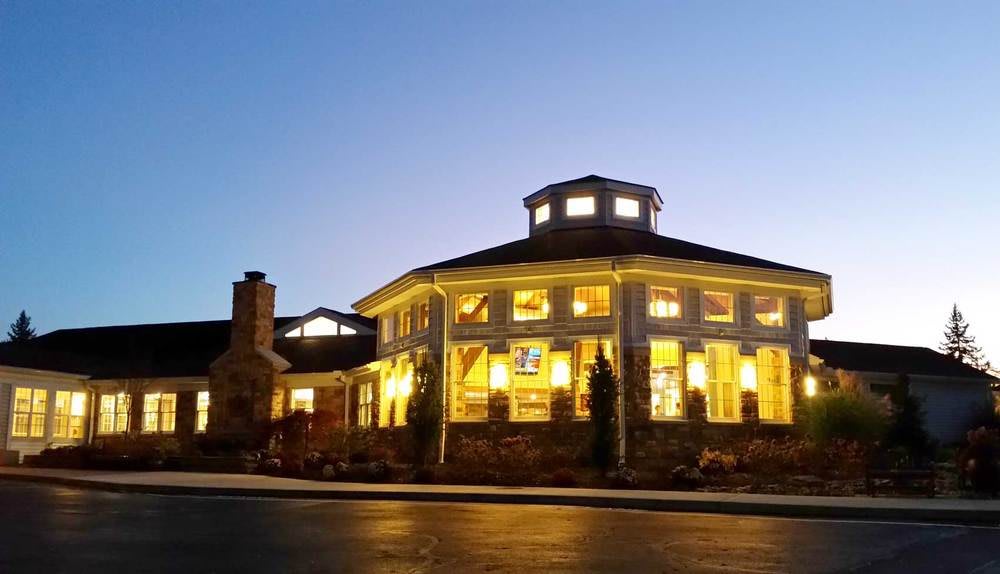
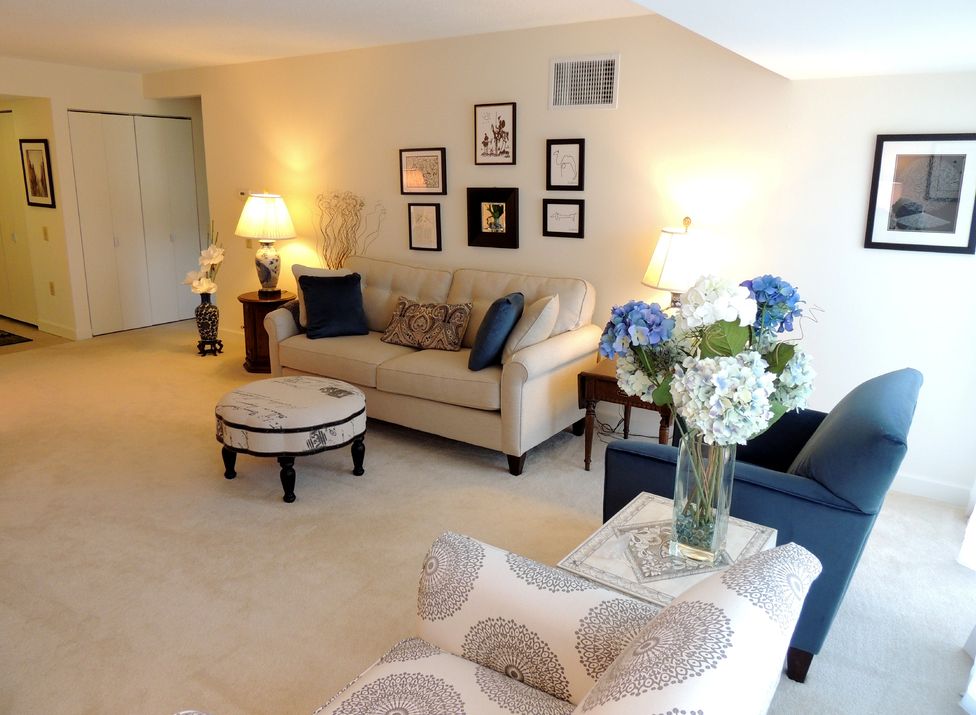
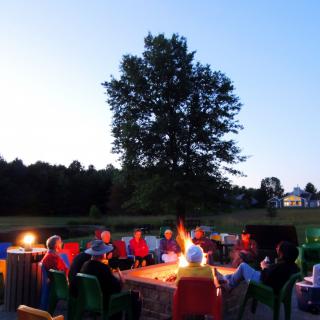
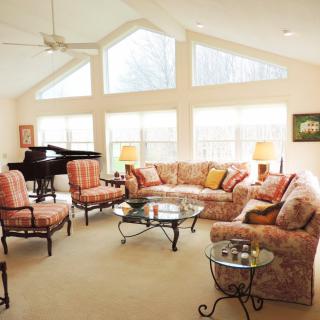
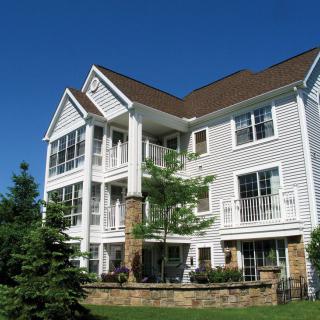
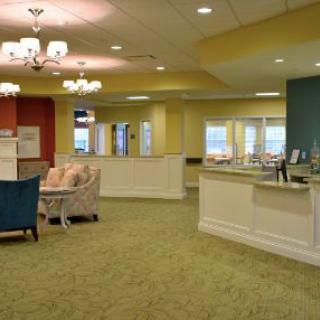
Environment and operations at Laurel Lake tend to favor those who want a high-quality campus experience, a sense of community, and visible reinvestment over time. The campus itself is frequently described as attractive, with residents who stay active and engaged, aided by a staff culture reputed to be compassionate and responsive. The combination of social workers and committed aides can provide a more personalized care arc than some competitors, particularly for a resident moving through stages of decline or cognitive impairment. That warmth translates into a stronger sense of belonging, which often matters most to families seeking reassurance that their loved one is living with purpose and peers. However, the contradictory feedback about management attitudes and staffing stability means that potential entrants should verify the current leadership approach, request a detailed staffing plan, and seek updated references from families with recent experiences.
For families evaluating memory care and long-term care trajectories, the central question becomes whether the continuum and daily life balance outweigh the operational risks. Laurel Lake is a compelling option for those who want to minimize moves, maximize social engagement, and rely on a care team that will advocate for ongoing programming and plan-based care. It is less compelling for those who demand flawless staffing reliability, perfectly predictable pricing, or a consistently calm administrative environment. The right approach is to tour with a specific checklist: confirm current staffing ratios on all shifts, ask for the residence-level care navigation process, request direct conversations with social workers about transition plans, and probe the facility’s plan for climate-control maintenance and capital improvements. If Laurel Lake’s strengths align with the family’s priorities, continuity of care, active living, and a caring, multi-disciplinary support network, this campus can prove a strong, stabilizing home for a loved one as needs evolve.
 67 resident community capacity
 Assisted Living
 Continuing Care Retirement Community (CCRC)
 Hospice Agency
 Independent Living
 Memory Care
 Respite Care
 Skilled Nursing Facility
 Cats allowed
 Dogs allowed
 Activities off-site
 Air-conditioning
 Bath tubs
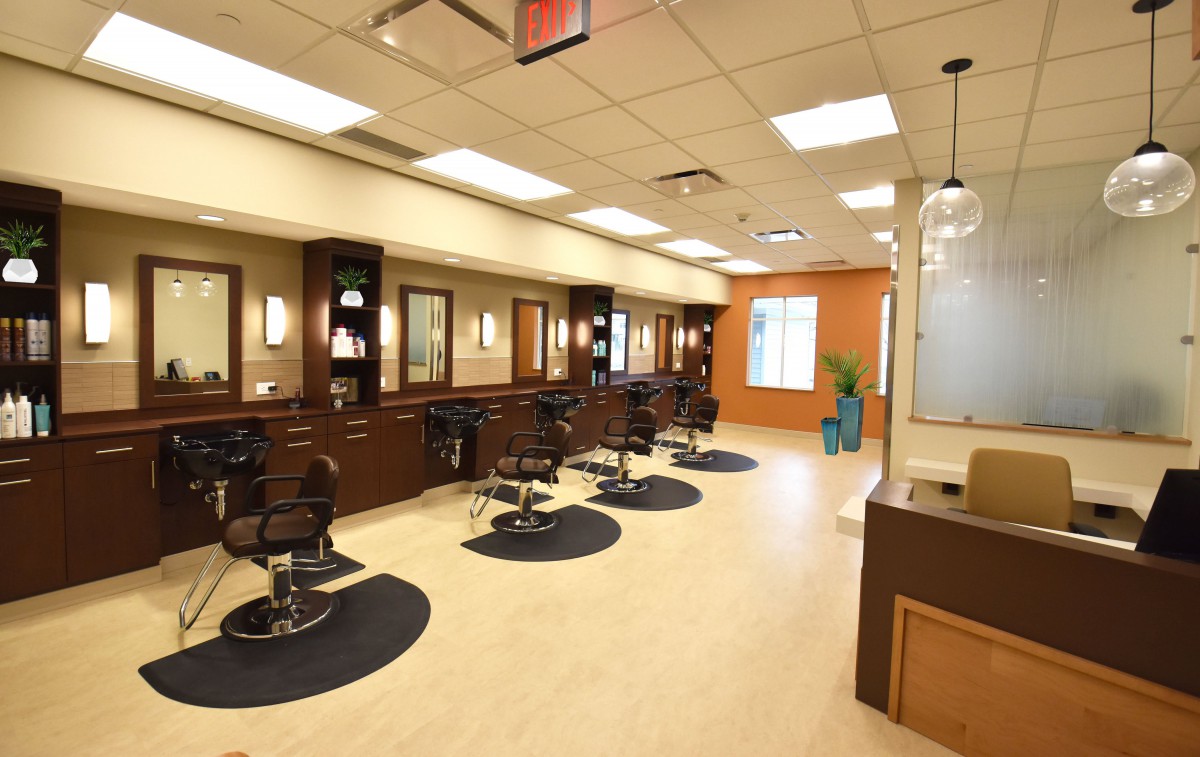
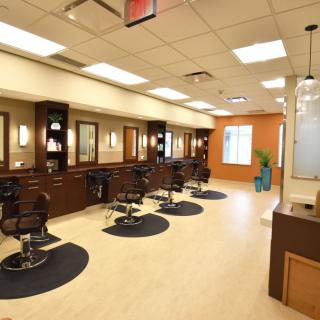
 Beautician on-site
 Cable or satellite TV
 Computer center
 Devotional services off-site
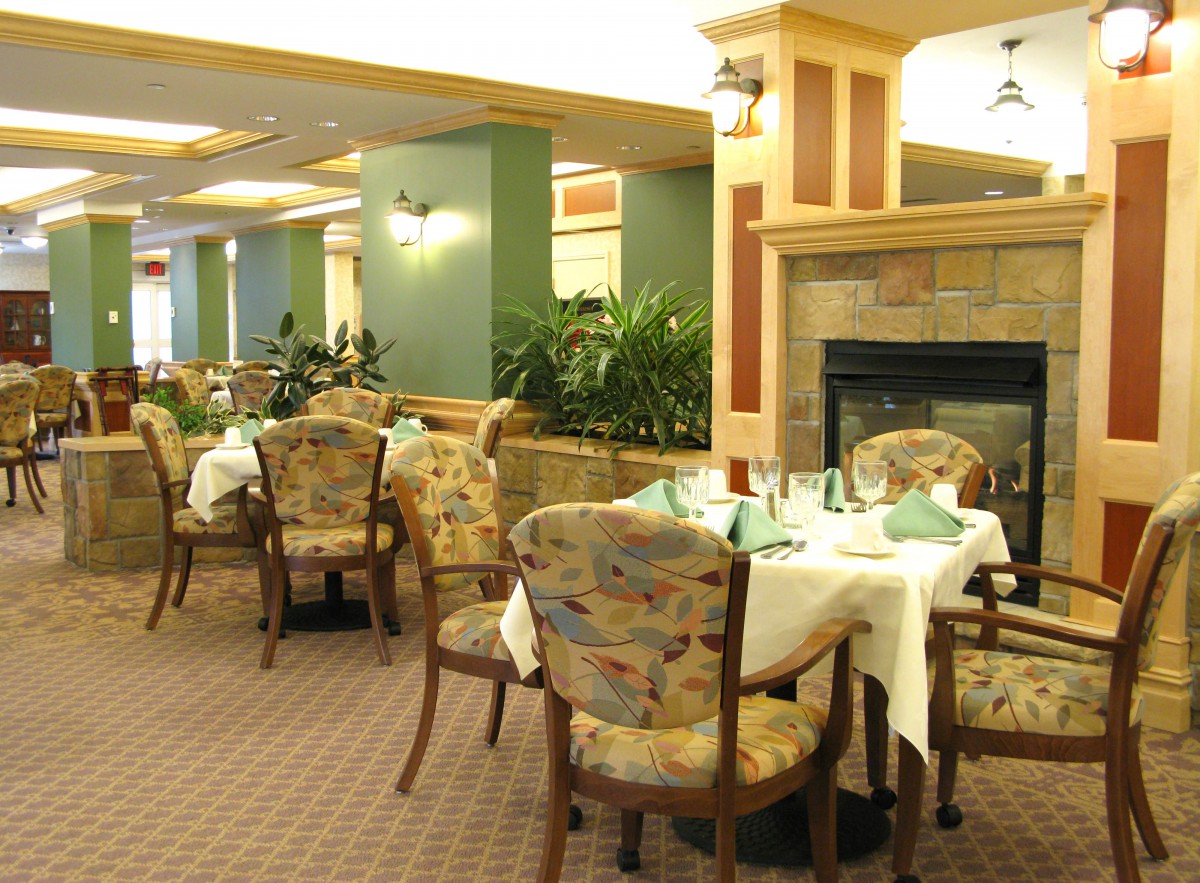
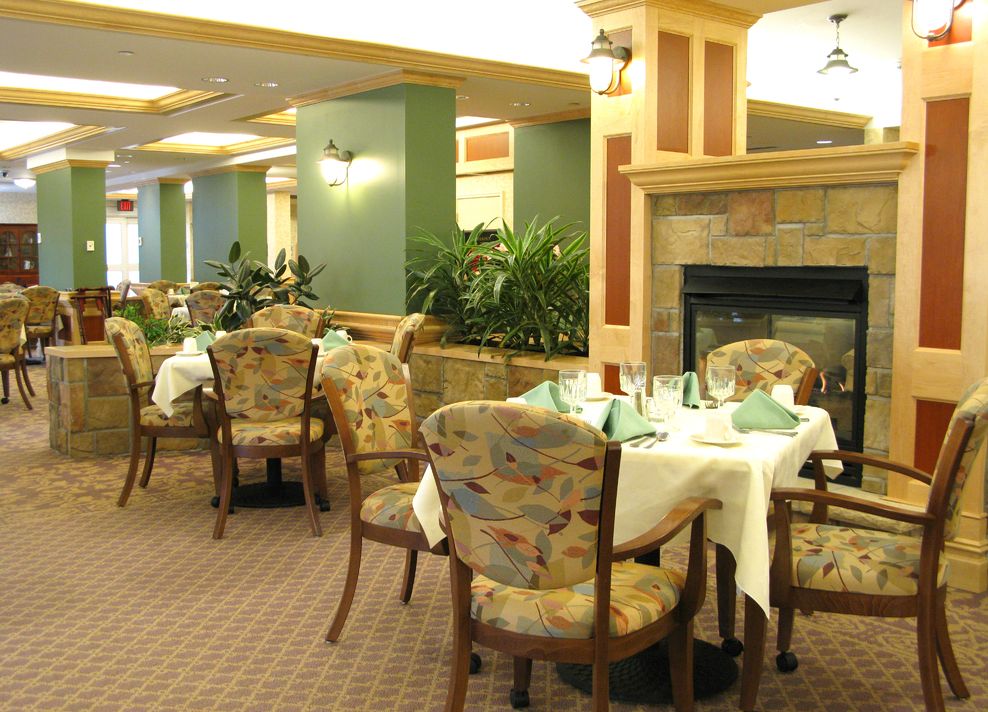
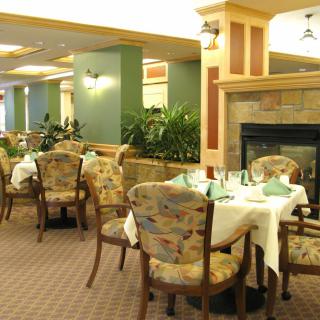
 Dining room
 Fireplaces
 Fitness room
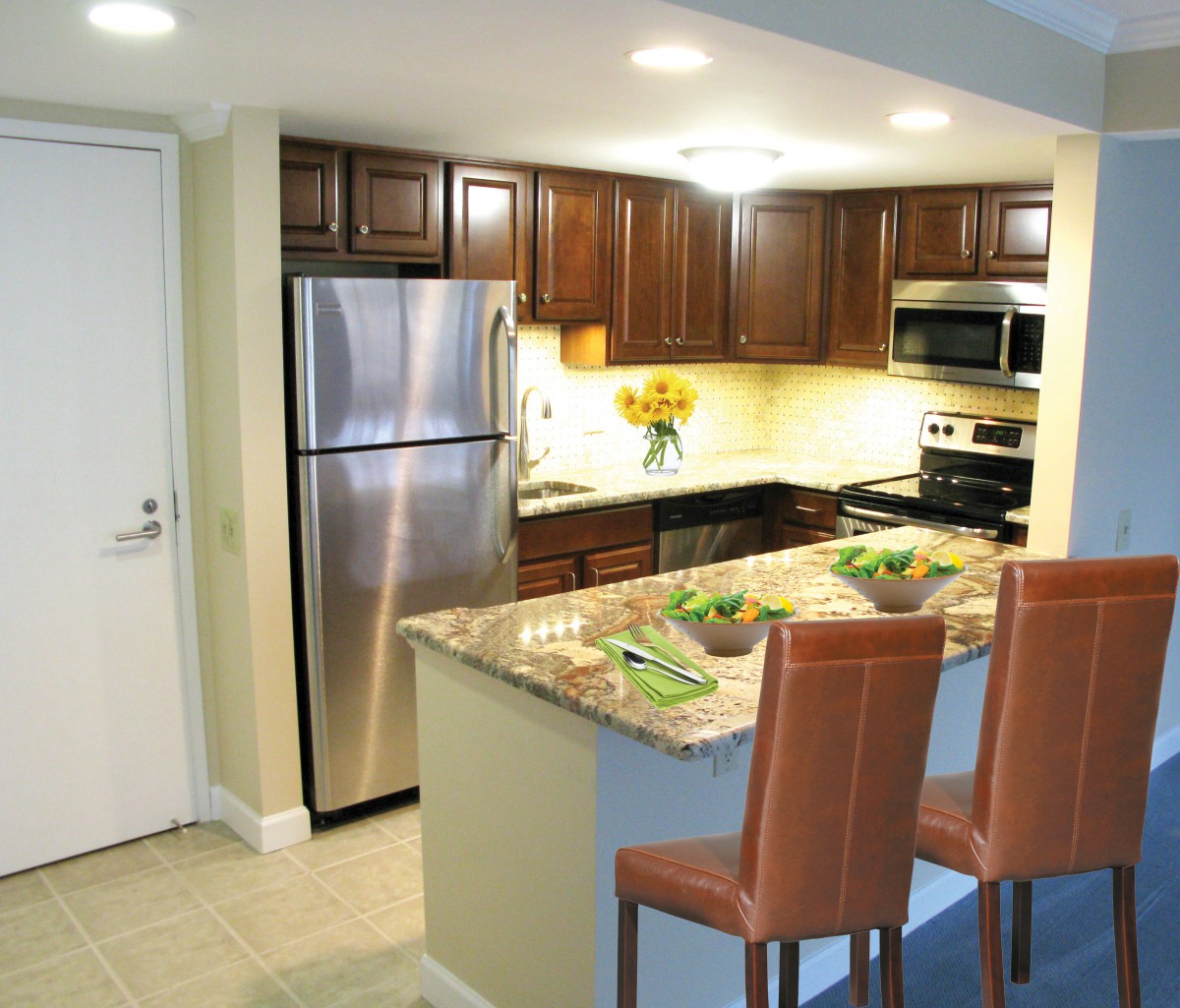
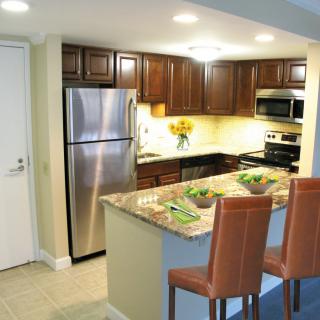
 Full kitchen
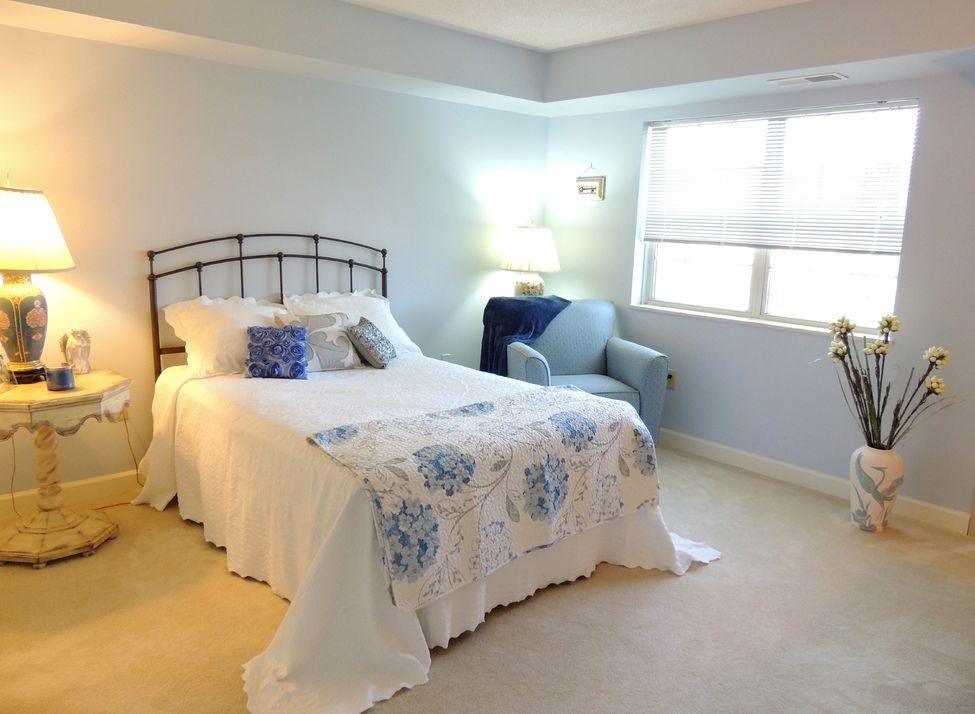
 Fully furnished
 Gaming room
 Garden
 Ground floor units
 Handicap accessible
 Housekeeping services
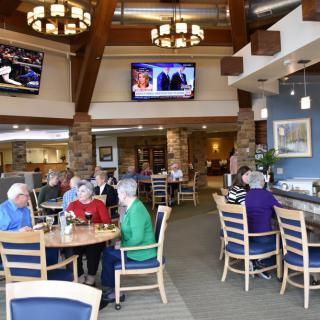
 Indoor common areas
 Move-in coordination
 Outdoor common areas
 Private bathrooms
 Restaurant-style dining
 Small library
 Swimming pool / hot tub
 Telephone
 Wellness center
 Wheelchair accessible showers
 Wi-Fi/high-speed internet available
 Akron-Canton Regional (23 miles away)
 Community operated transportation
 12-16 hour nursing
 24-hour call system
 Ambulatory care
 Assistance with bathing
 Assistance with dressing
 Assistance with transfers
 Diabetes diet
 Diabetic care
 Incontinence care
 Medication management
 Mental wellness program
 Special dietary restrictions
 Art classes
 Bible study group
 Concierge services
 Educational speakers / life long learning
 Jewish services
 Planned day trips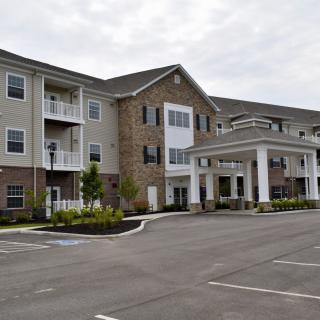


 8 Key Indicators That Suggest It May Be Time to Transition from Assisted Living to Skilled Nursing Care
 Nourishing the Mind: Essential Dietary Approaches for Dementia
 Understanding Dementia Behaviors: Practical Insights and Strategies for Caregivers