Dublin Retirement Village offers a range of accommodation options at monthly costs that reflect the premium services and amenities available within these senior living spaces. For a one-bedroom unit, residents can expect to pay $4,780, which is notably higher than the average costs in both Union County ($4,042) and across Ohio ($3,712). Similarly, the studio option is priced at $5,275, again surpassing local and state averages. The two-bedroom accommodations are offered at $5,720 - significantly above Union County's average of $3,442 and Ohio's average of $3,501. Lastly, for those seeking a semi-private arrangement, the cost stands at $7,510 while Union County averages at $4,531 and the state average is $3,965. These figures indicate that Dublin Retirement Village positions itself as a premium choice in comparison to its surrounding regions.
Floor plans
Dublin Retirement Village
Union County
Ohio
1 Bedroom
$4,780
$4,042
$3,712
Studio
$5,275
$4,067
$3,727
2 Bedrooms
$5,720
$3,442
$3,501
Semi-Private
$7,510
$4,531
$3,965
Memory care communities with a similar price nearby
Residents and families consistently describe staff as caring, friendly, and responsive to concerns.
Across many reviews, people highlight how supportive the caregivers and support teams feel for both residents and family members. Several residents’ care experiences are framed around communication—being kept in the loop, getting quick attention when something comes up, and staff taking time to address questions. A number of reviews also specifically connect that staff attention to peace of mind, especially in memory support situations.
differentiator9 reviews mention this
Memory care is tailored for dementia
Reviews repeatedly tie the memory care experience to safety-focused, dementia-specific support.
Multiple reviews describe memory care as structured around dementia needs—daily routines, help with personal care, and support that becomes more important as symptoms progress. Residents and families mention adjusted meals and ongoing support as cognitive needs change, along with activities meant to keep people engaged. A few reviews also call out medication management as a practical benefit for families, especially when seeking oversight and consistency.
common10 reviews mention this
Plenty of daily activities and outings
Residents describe an active schedule with frequent activities, outings, and opportunities to socialize.
Reviews frequently mention being kept busy through scheduled activities, group events, and opportunities to get out of the building for outings. Families also point to activities as a key part of adjustment—helping residents meet others, stay engaged, and feel comfortable in their new routine. Several reviews give examples like exercise, live entertainment, and themed days, reinforcing how much variety residents experienced.
common11 reviews mention this
Food gets mostly positive mentions
Food draws steady praise for taste and variety, with only a few reservations about quality.
Many reviews describe meals as good to excellent, sometimes pointing to variety and specific menu favorites. Some families also appreciate the ability to eat with loved ones in the dining room, when circumstances allow. A smaller number of reviews raise concerns—such as meals being over-cooked or not appealing—showing that dining quality isn’t uniformly consistent across experiences.
caveat4 reviews mention this
Value concerns and staffing strain
A few reviews express concerns about staffing levels and cost versus the level of service received.
One review directly questions value, saying the monthly cost doesn’t match what’s included, including how much support and service residents receive. Other reviews reference staffing strain—describing not enough care partners at certain times or needing additional help to cover needs. At the most extreme end, a couple of reviews describe serious safety and care-execution problems, underscoring that experiences can vary widely.
How we summarize
Counts show how many written reviews mention each theme; a review can touch several themes, and only frequently mentioned themes are displayed.
Features
Housing
99 resident community capacity
Types of Care
Assisted Living
Independent Living
Memory Care
Pets
Cats allowed
Dogs allowed
Amenities
Activities off-site
Activities on-site
Air-conditioning
Beautician on-site
Beauty salon
Cable or satellite TV
Computer center
Devotional services off-site
Dining room
Fitness room
Fully furnished
Gaming room
Garden
Ground floor units
Handicap accessible
Housekeeping services
Indoor common areas
Kitchenette
Move-in coordination
Outdoor common areas
Outdoor space
Private bathrooms
Respite or short term stays offered
Restaurant-style dining
Small library
Telephone
Wellness center
Wheelchair accessible showers
Wi-Fi/high-speed internet available
Transportation
John Glenn Columbus International Airport (16 miles away)
Community operated transportation
Transportation arrangement
Transportation arrangement (non-medical)
Transportation to doctors appointments
Care Services
12-16 hour nursing
24-hour call system
24-hour supervision
Activities of daily living assistance
Assistance with bathing
Assistance with dressing
Assistance with transfers
Coordination with health care providers
Dementia waiver
Diabetes diet
Diabetic care
Hospice waiver
Incontinence care
Meal preparation and service
Medication management
Mental wellness program
Mild cognitive impairment
Special dietary restrictions
Specialized memory care programming
Transportation arrangement (medical)
Transportation to doctors appointments
Dining
Anytime dining
Diabetes diet
Guest meals
Meals provided
Professional chef
Restaurant style dining
Room service
Special dietary restrictions
Activities
Art classes
Catholic services
Community-sponsored activities
Concierge services
Cooking classes
Day trips and outings
Devotional activities offsite
Educational speakers / life long learning
Fitness programs
Happy hour
Live dance or theater performances
Live musical performances
Live well programs
Planned day trips
Protestant services
Resident-run activities
Scheduled daily activities
Visiting chaplain or priest
Nearby Places of Interest
This area of Dublin, Ohio, offers a convenient and accessible location with a variety of amenities suitable for senior living. Within close proximity, you will find trusted physicians specializing in dermatology, ophthalmology, pediatrics, and more. Nearby hospitals and pharmacies provide easy access to healthcare services. In terms of dining options, there is a selection of popular restaurants serving familiar fare such as burgers, breakfast dishes, and Asian cuisine. For recreational opportunities, several parks are located within a few miles offering serene natural settings for leisurely strolls or picnics. Additionally, places of worship are available for spiritual fulfillment and community engagement. Overall, this neighborhood provides a comfortable and well-rounded environment for seniors looking for a vibrant yet peaceful place to call home.
Physicians
Jennifer Shoenfelt, MD (0.1 miles)
Dermatology and Cosmetic Surgery of Dublin (0.2 miles)
TLC Laser Eye Centers (0.2 miles)
Midwest Retina (0.3 miles)
Rainbow Pediatrics (0.5 miles)
Pediatrics Ophthalmology Associates - Nationwide Children's Close to home center (1.3 miles)
Emerald Pediatrics (2.5 miles)
Restaurants
Matt the Miller's Tavern (0.3 miles)
Burger King (0.4 miles)
Wendy's (0.4 miles)
McDonald's (0.5 miles)
First Watch (0.6 miles)
BIBIBOP Asian Grill (1.2 miles)
Wendy's (1.3 miles)
Hospitals
Columbus Oncology Associates (0.4 miles)
Pharmacies
Walgreens (0.5 miles)
Market District Supermarket (0.7 miles)
CVS Pharmacy (2.4 miles)
CVS Pharmacy (4.1 miles)
CVS Pharmacy (4.9 miles)
CVS Pharmacy (5.2 miles)
Walgreens (5.3 miles)
Places of Worship
Saint Brigid of Kildare Catholic Church (0.7 miles)
Saint Brendan Catholic Church (4.9 miles)
Scioto Ridge United Methodist Church (5.2 miles)
St Andrew Church (7.1 miles)
Parks
Avery Park (1.1 miles)
Coffman Park (1.7 miles)
Glacier Ridge Metro Park (3.4 miles)
Homestead Park (4 miles)
Jerome Township Community Hall (4.6 miles)
Carriage Place Park (4.8 miles)
Hilliard Municipal Park (5.5 miles)
Cafes
Kona Craft Kitchen (3 miles)
Starbucks (3 miles)
Dells Homemade Ice-Cream & Coffee (3.9 miles)
Tim Hortons (4 miles)
Starbucks (5 miles)
Starbucks (5.2 miles)
Transportation
The Ohio State University Airport at Don Scott Field (OSU) (5.3 miles)
Dublin Retirement Village offers a range of accommodation options at monthly costs that reflect the premium services and amenities available within these senior living spaces. For a one-bedroom unit, residents can expect to pay $4,780, which is notably higher than the average costs in both Union County ($4,042) and across Ohio ($3,712). Similarly, the studio option is priced at $5,275, again surpassing local and state averages. The two-bedroom accommodations are offered at $5,720 - significantly above Union County's average of $3,442 and Ohio's average of $3,501. Lastly, for those seeking a semi-private arrangement, the cost stands at $7,510 while Union County averages at $4,531 and the state average is $3,965. These figures indicate that Dublin Retirement Village positions itself as a premium choice in comparison to its surrounding regions.
The comprehensive features offered at Dublin Retirement Village create a supportive and nurturing environment tailored to the needs of residents with dementia or Alzheimer's disease. With 24-hour supervision, residents benefit from constant oversight that enhances their safety and well-being. Assistance with activities of daily living, including bathing, dressing, and transfers, ensures that residents maintain their dignity while receiving the help they need. Coordination with health care providers allows for seamless medical care and monitoring, while the dementia waiver supports individualized approaches to treatment. Incontinence care and meal preparation services focus on comfort and nutrition, crucial for maintaining health in this vulnerable population. Furthermore, medication management provides peace of mind that prescriptions are followed correctly. The mental wellness program addresses emotional health through therapeutic activities designed specifically for those with mild cognitive impairment or advanced stages of dementia. Specialized memory care programming fosters engagement and connection, while transportation arrangements ensure access to necessary medical appointments without added stress. These features collectively create a holistic approach to memory care that prioritizes both safety and quality of life.
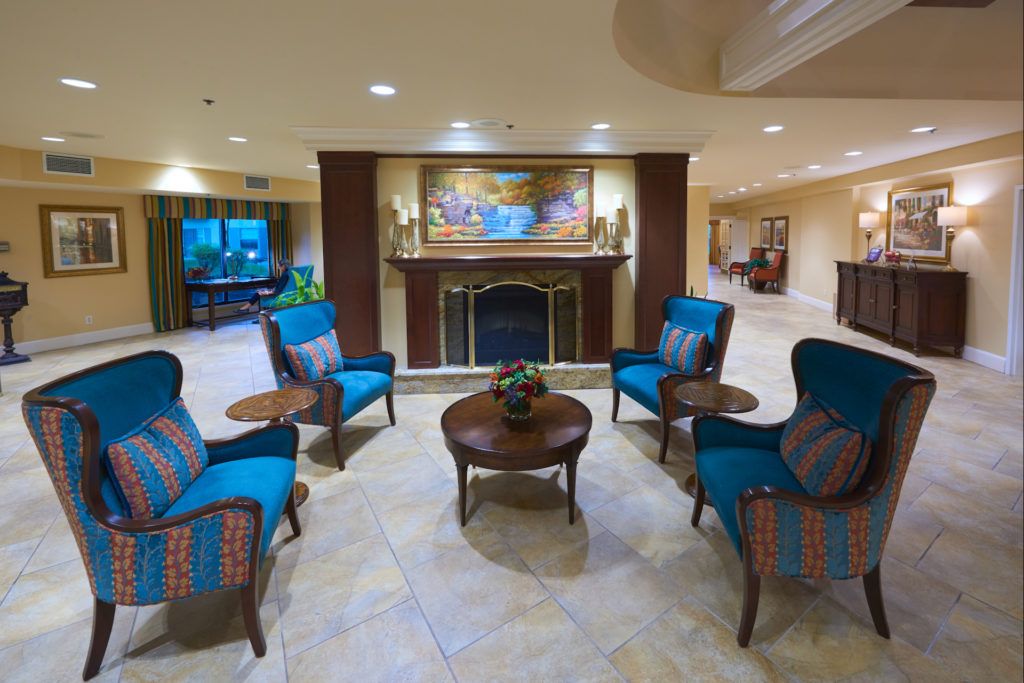
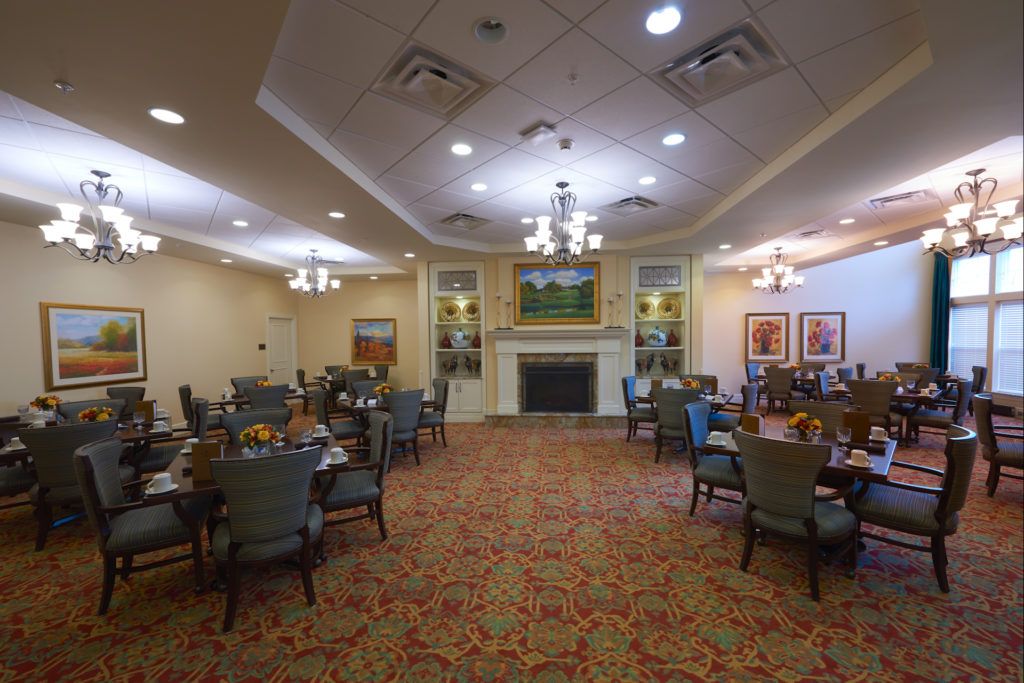
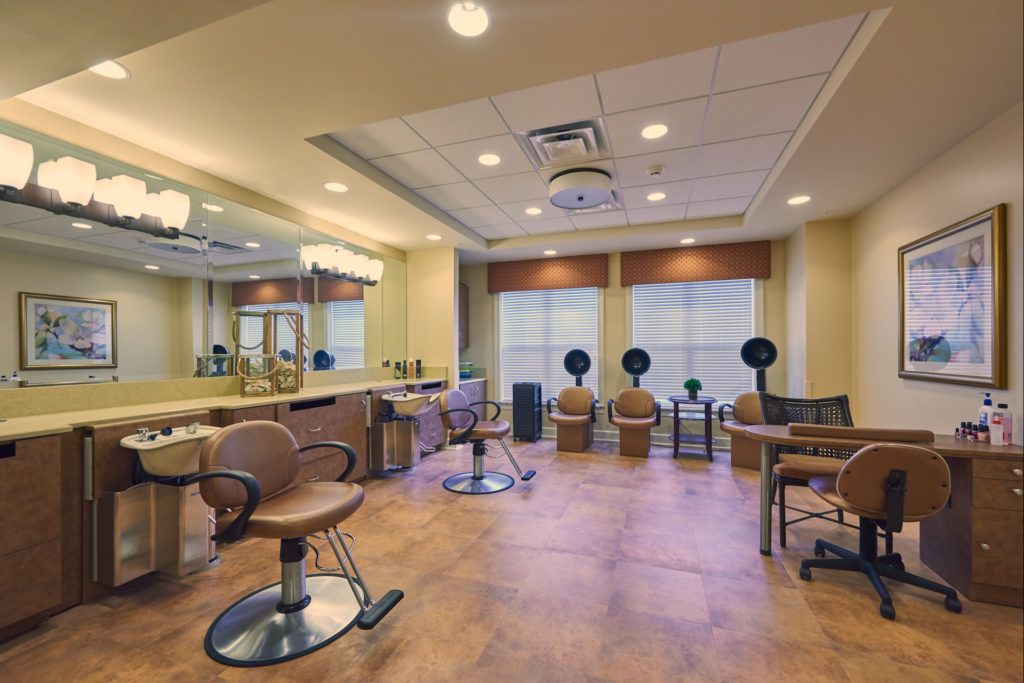
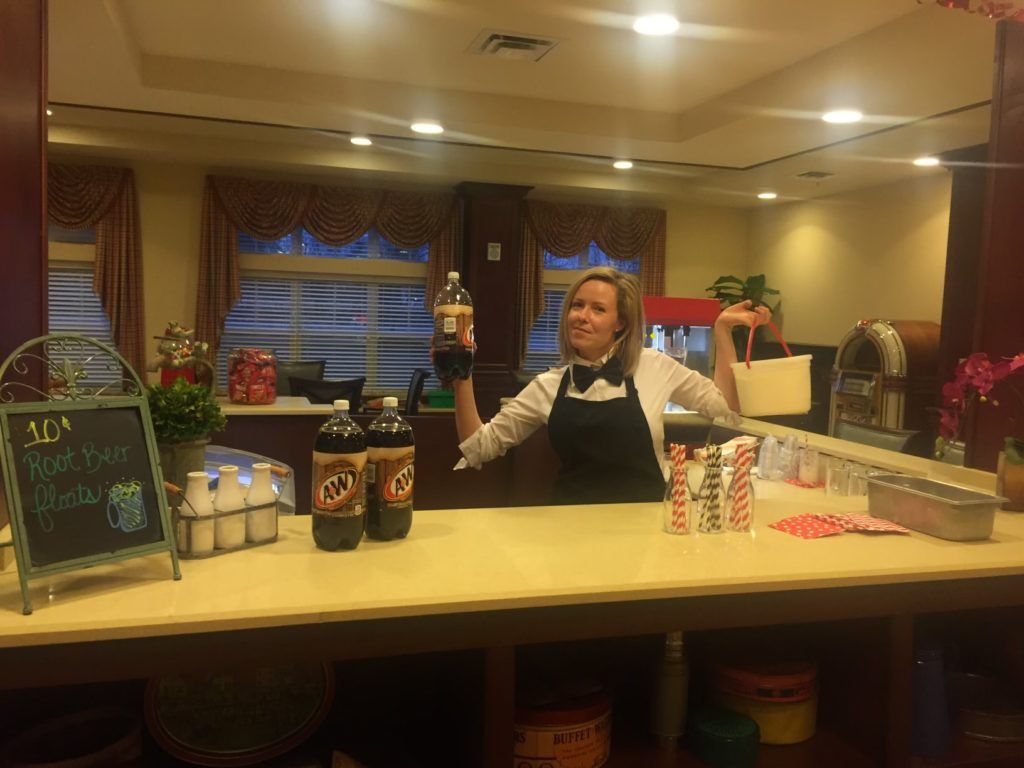
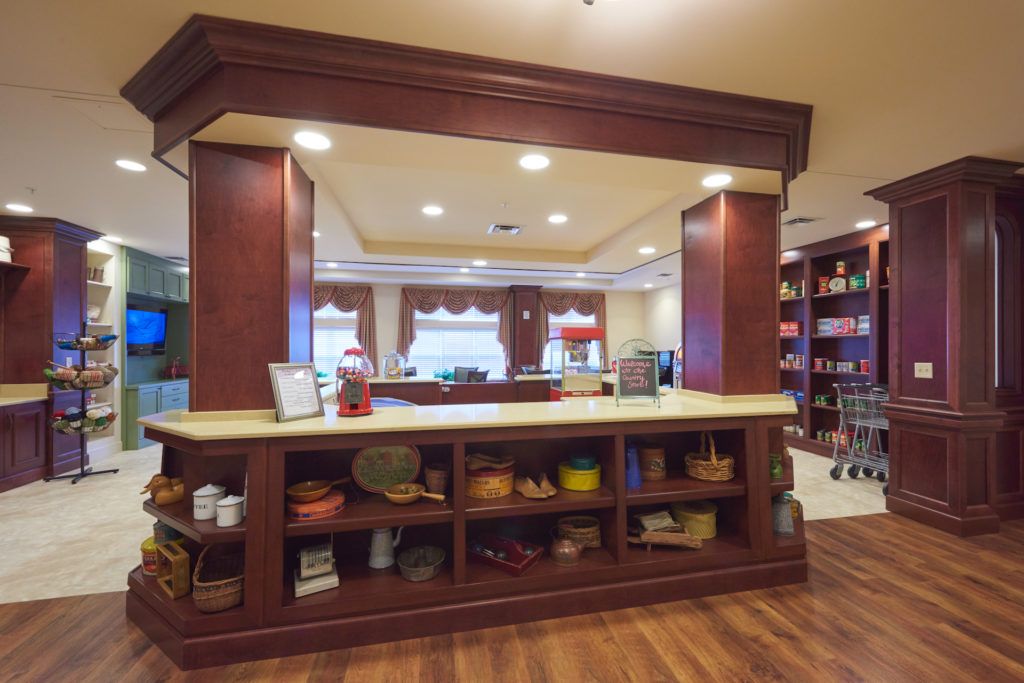
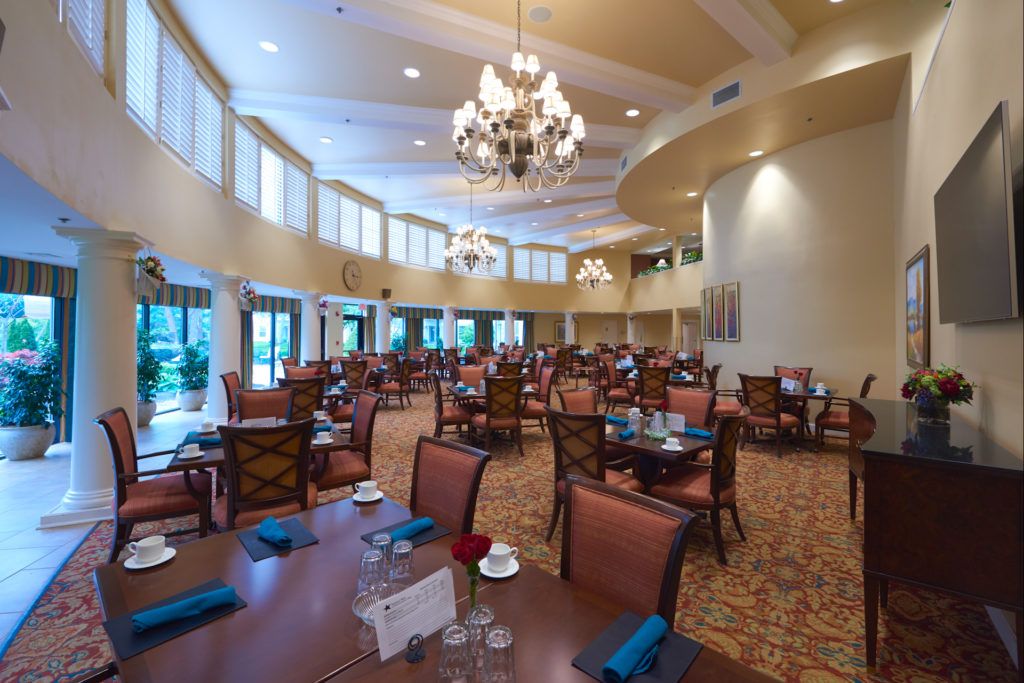
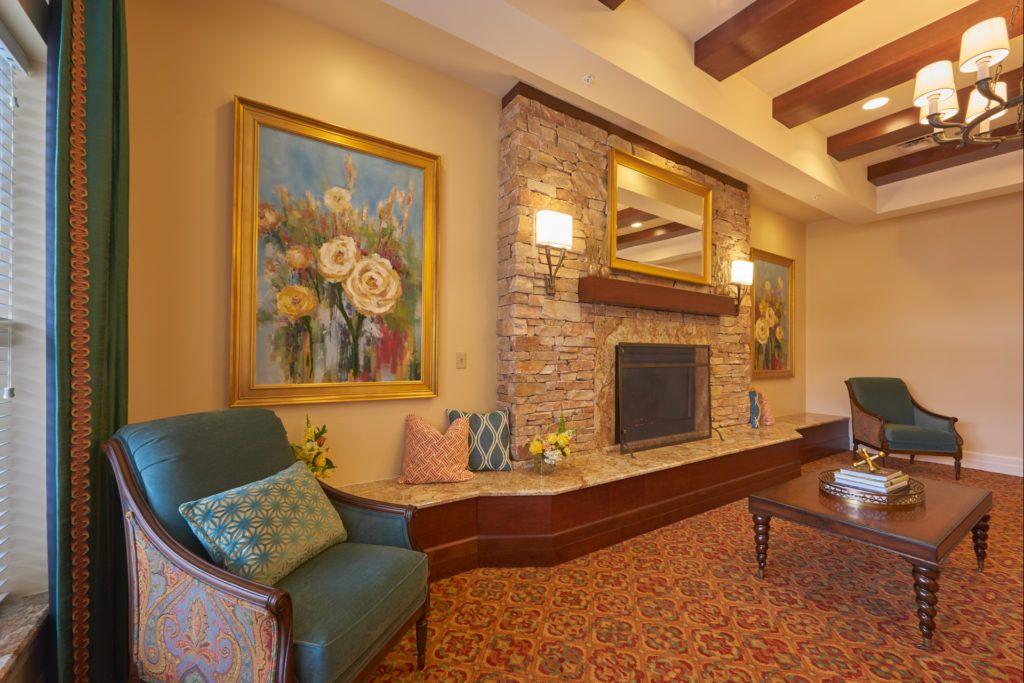
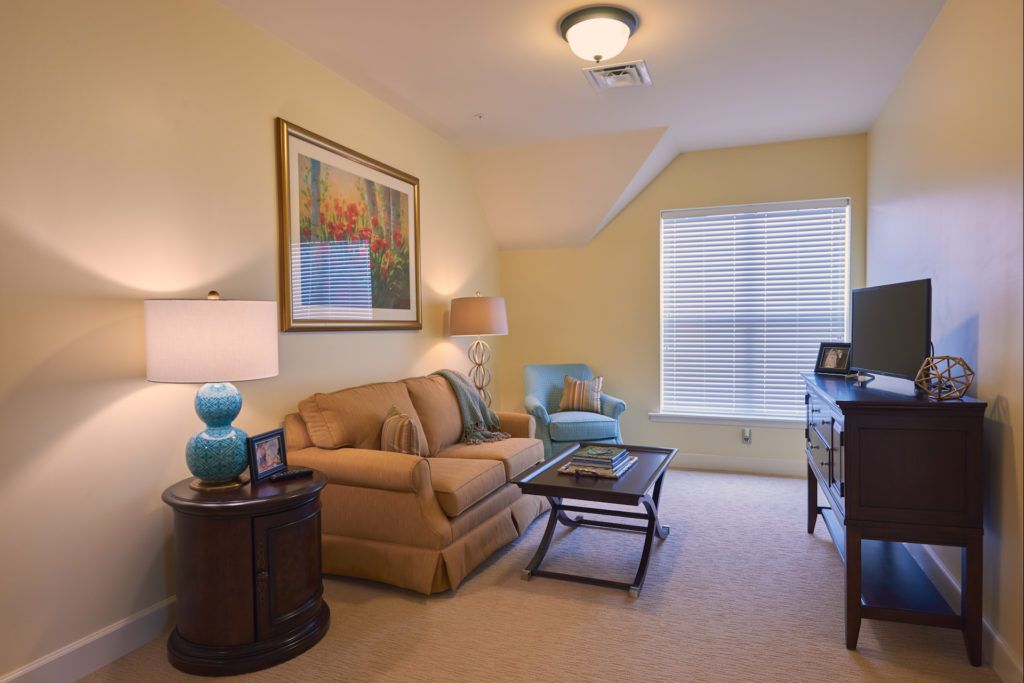
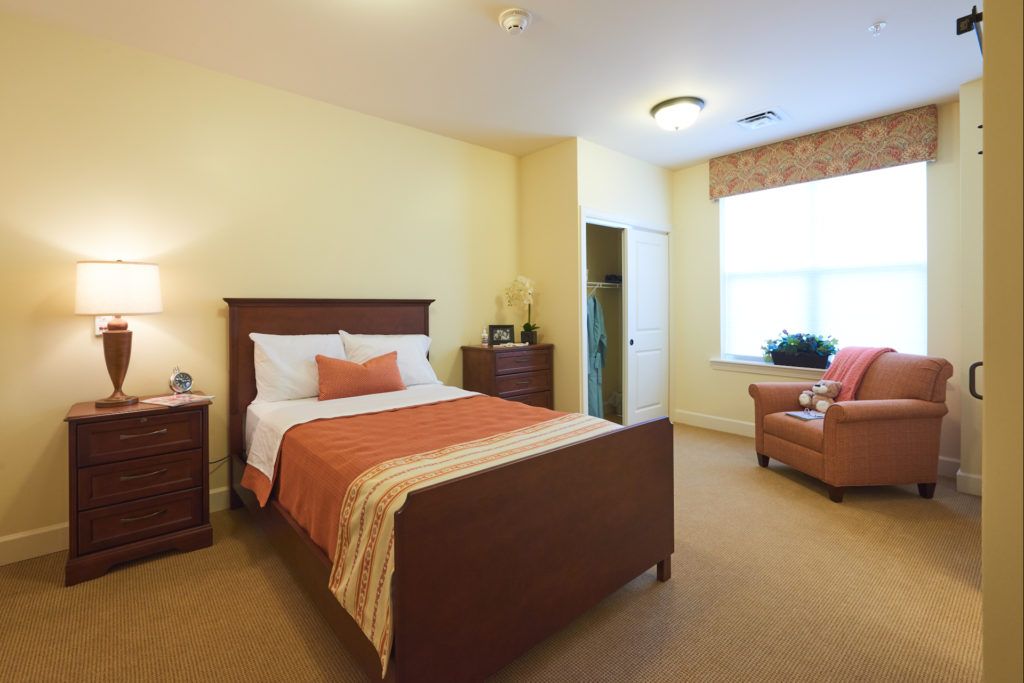
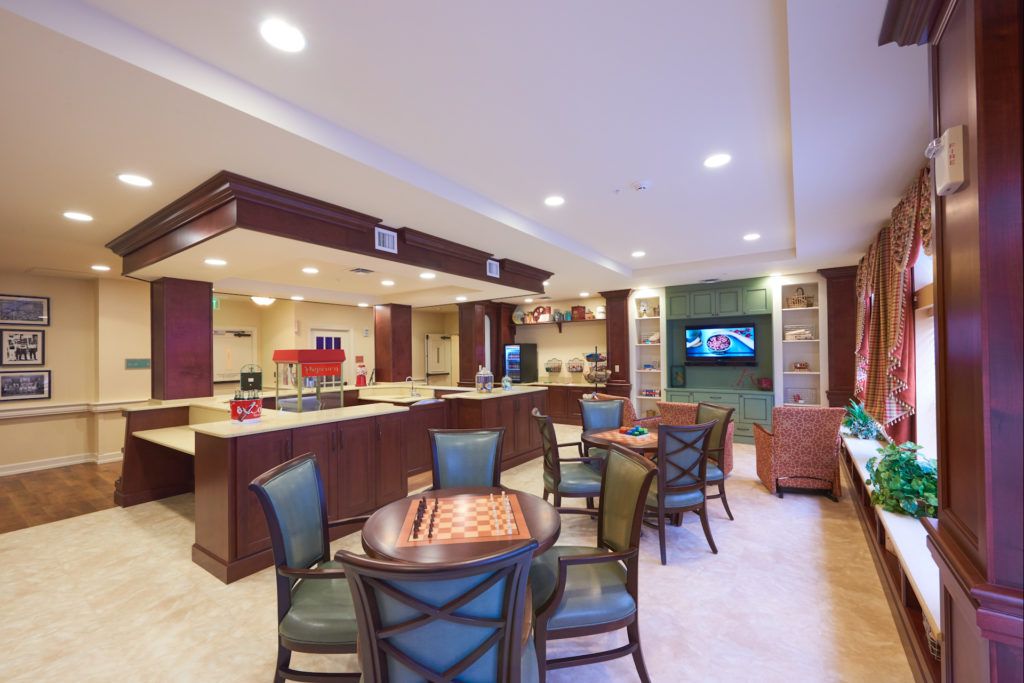
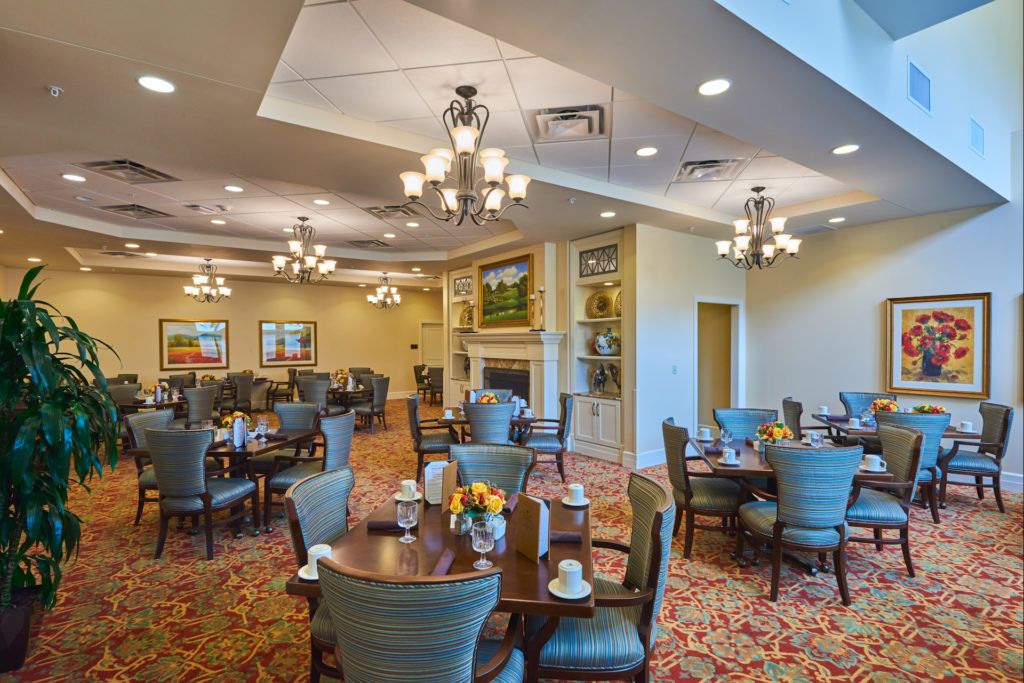
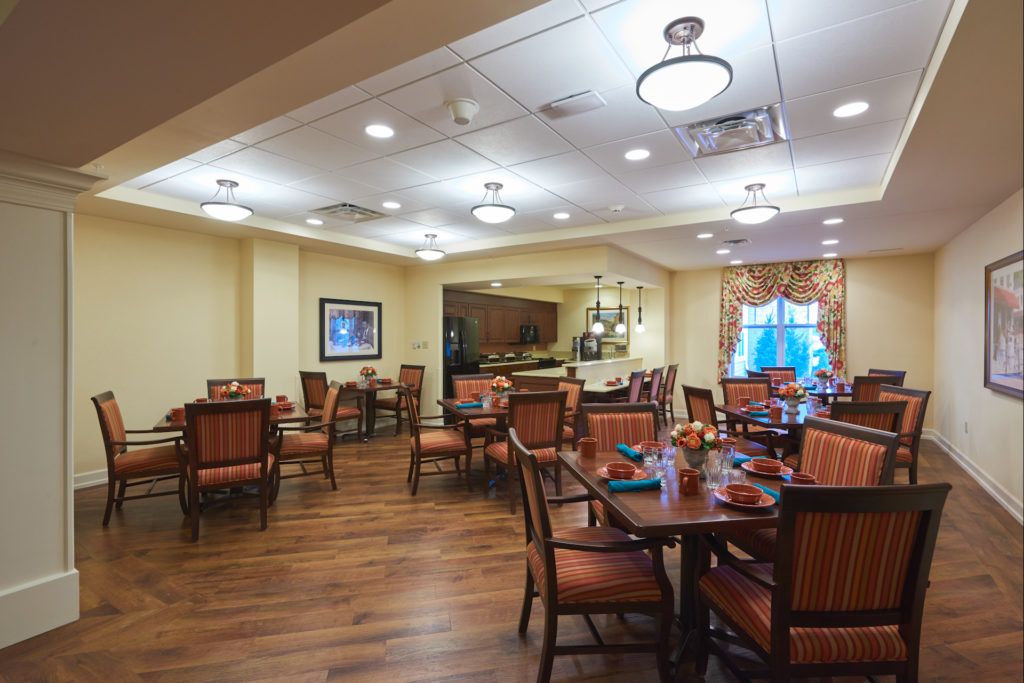
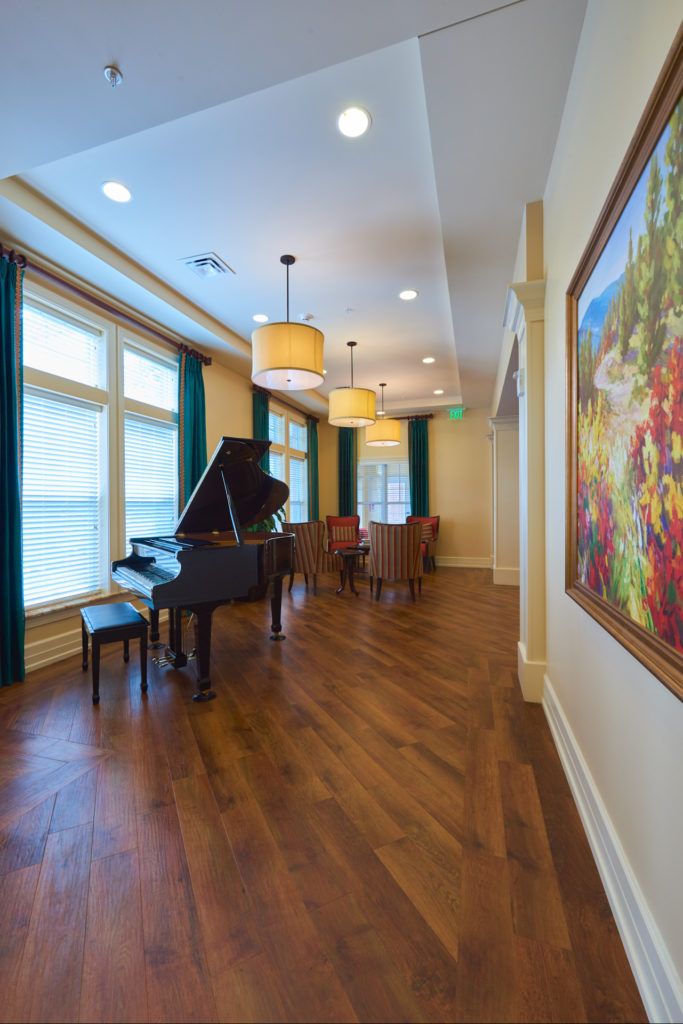
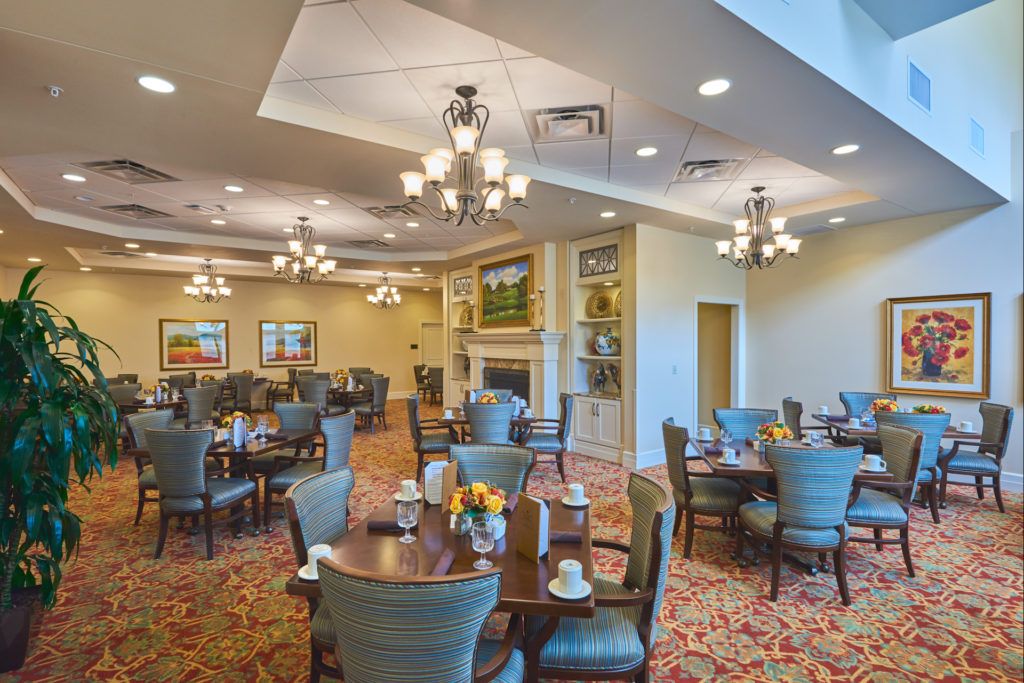
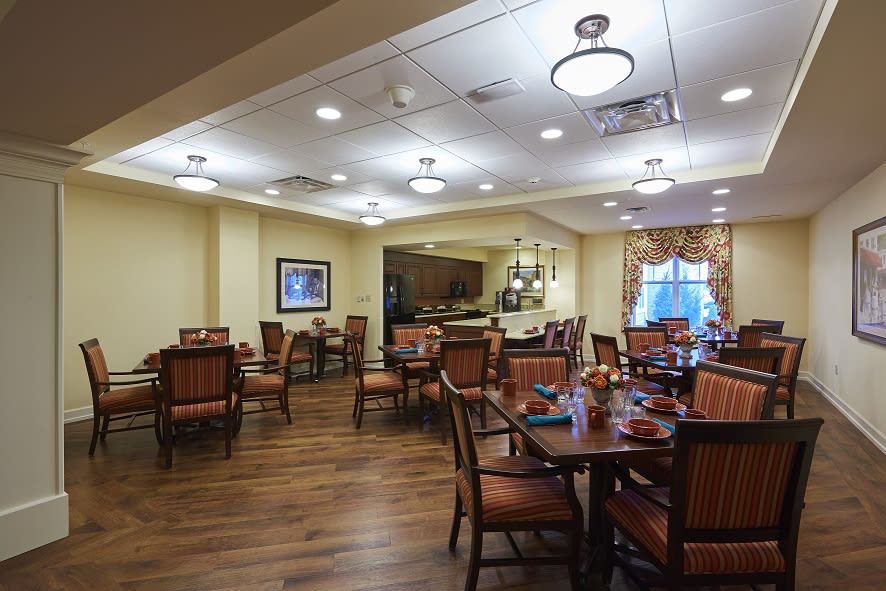
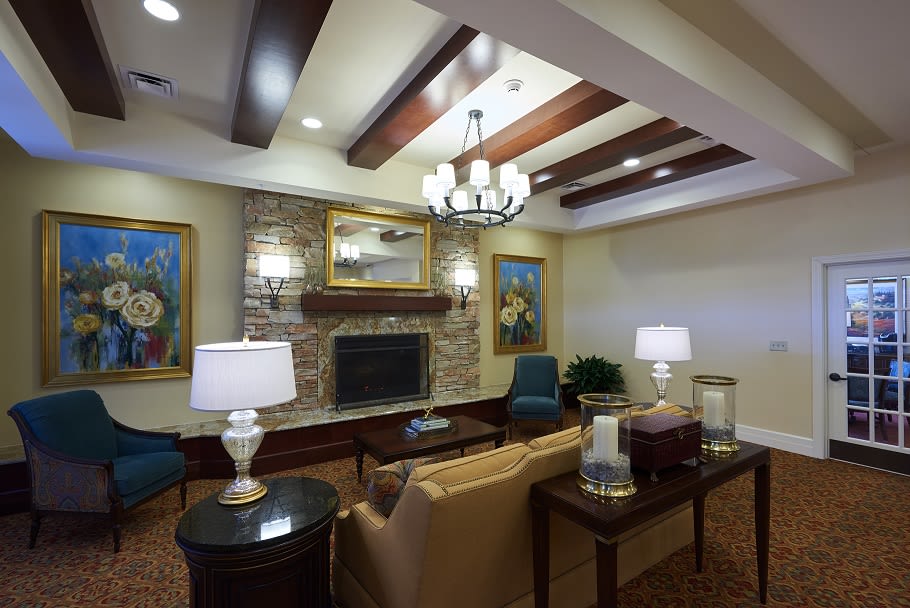
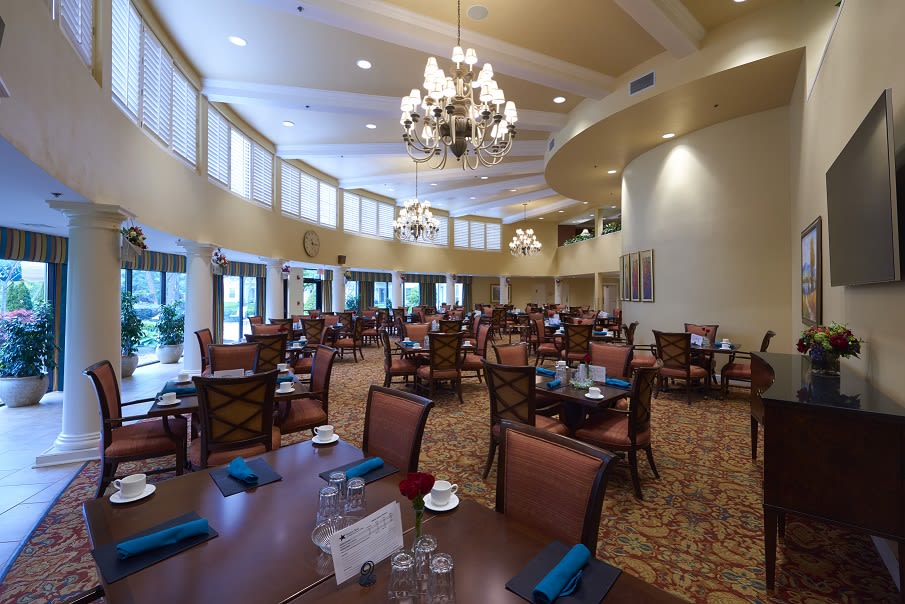
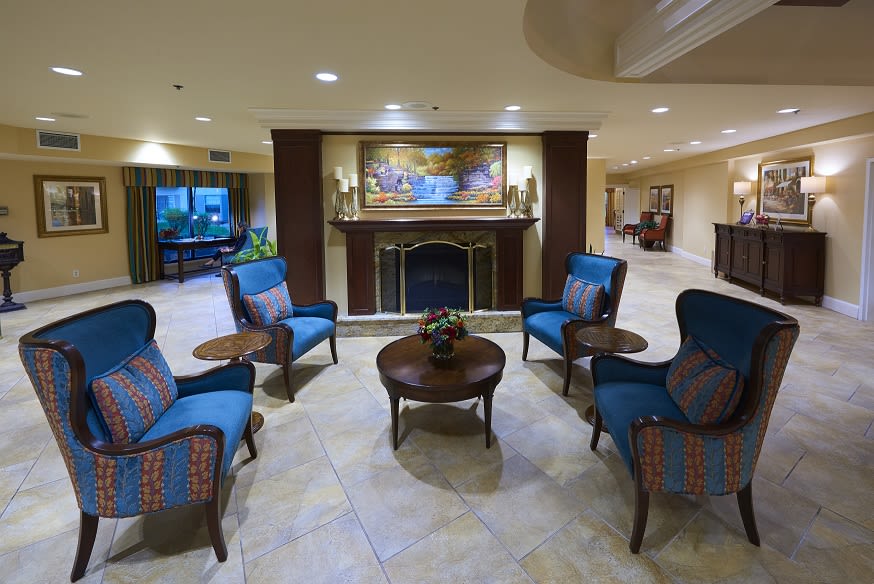
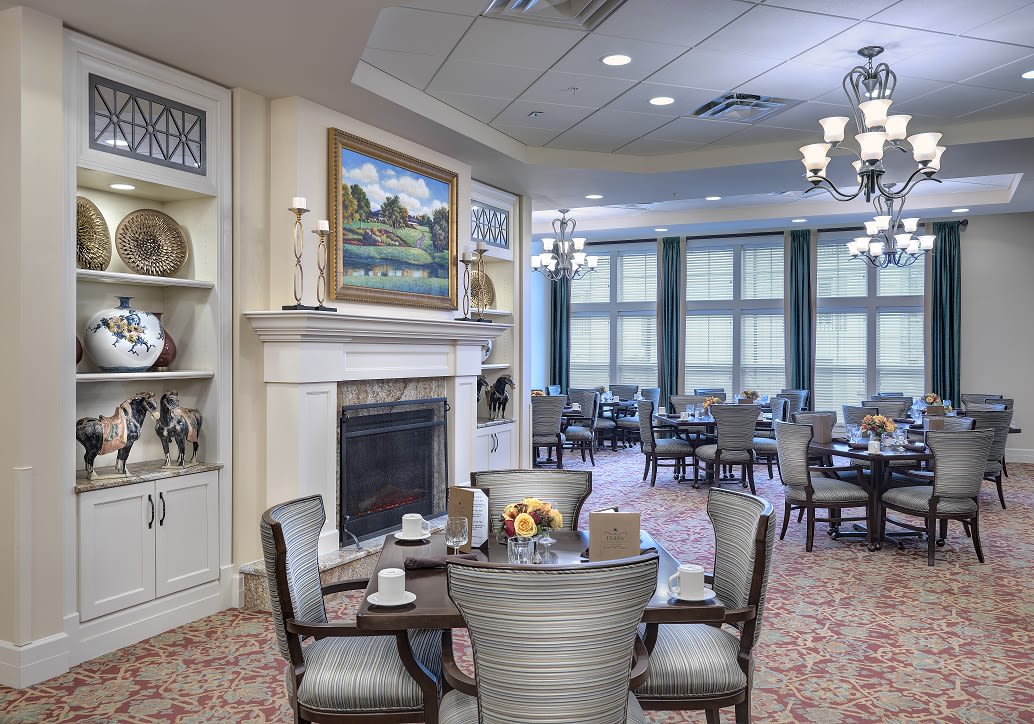
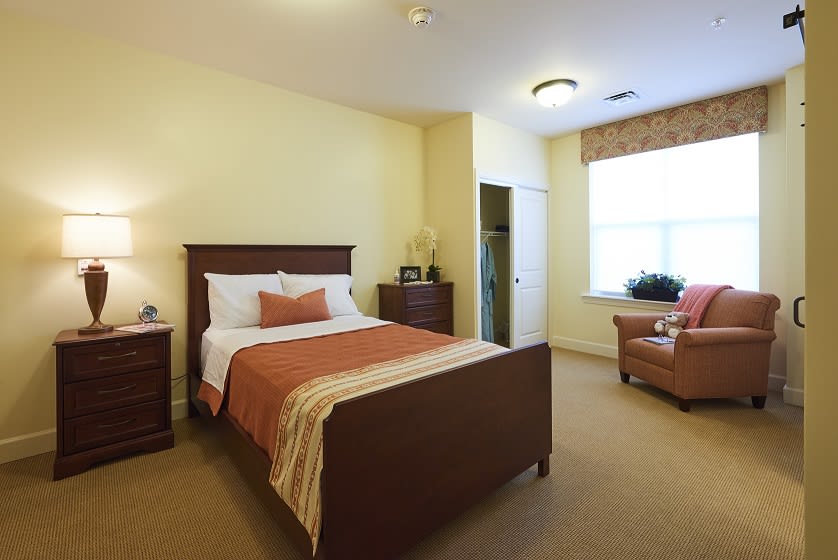
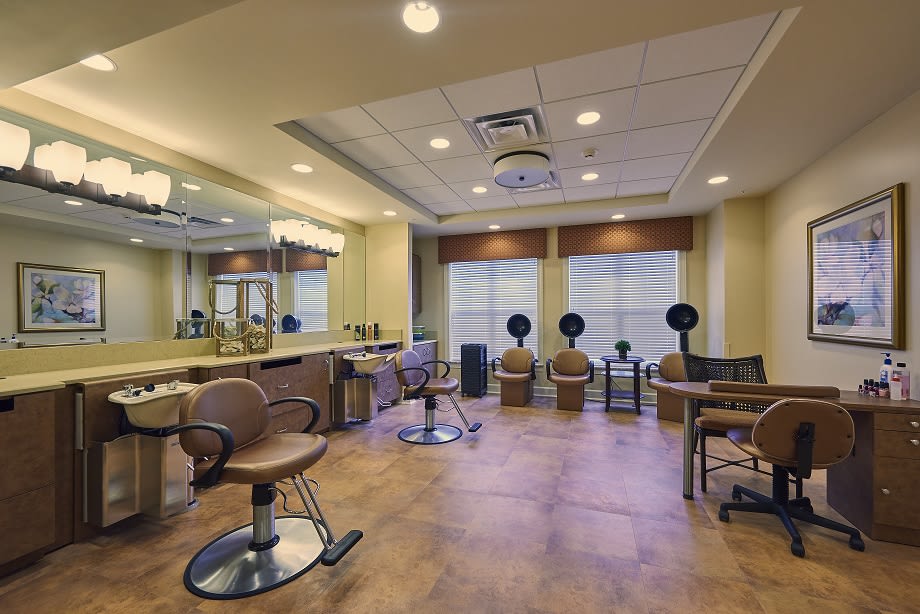
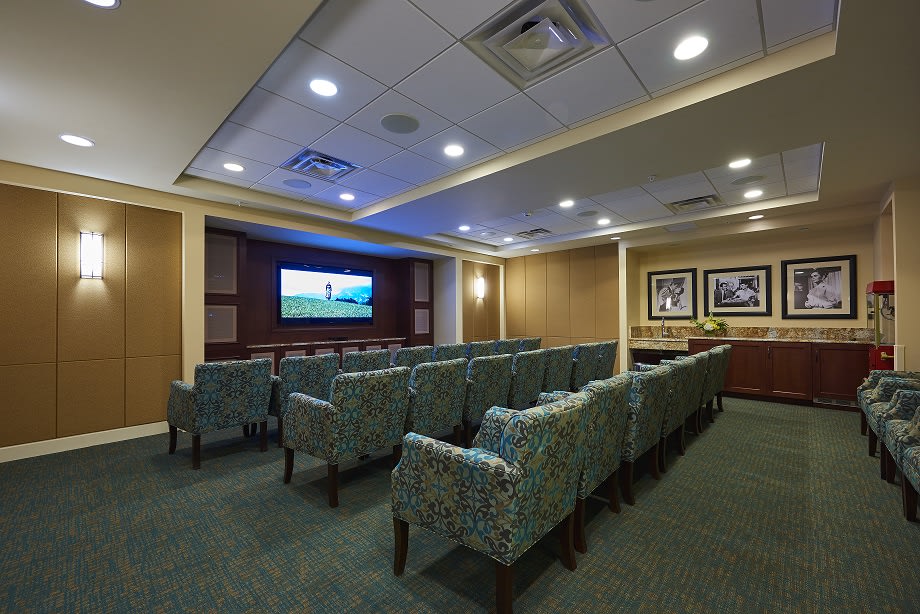
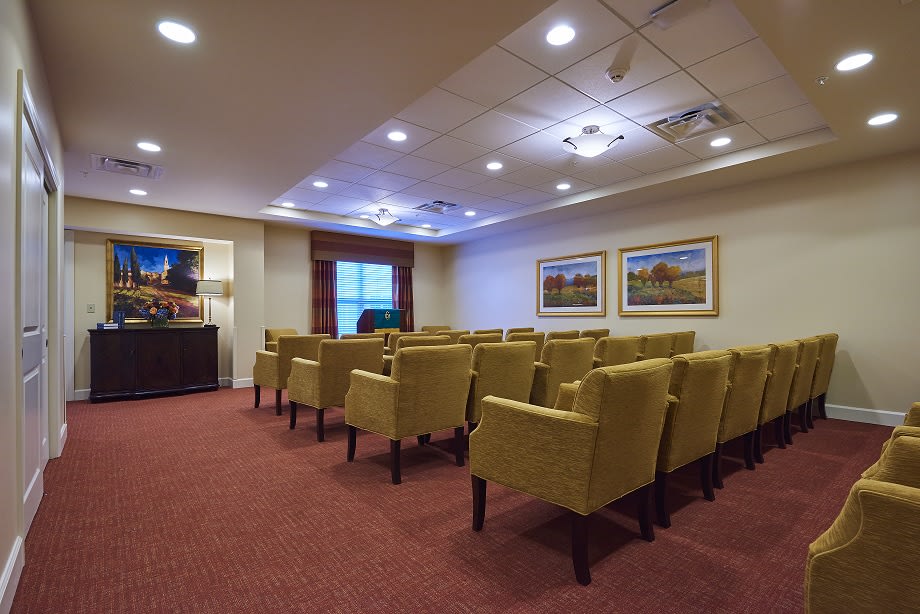
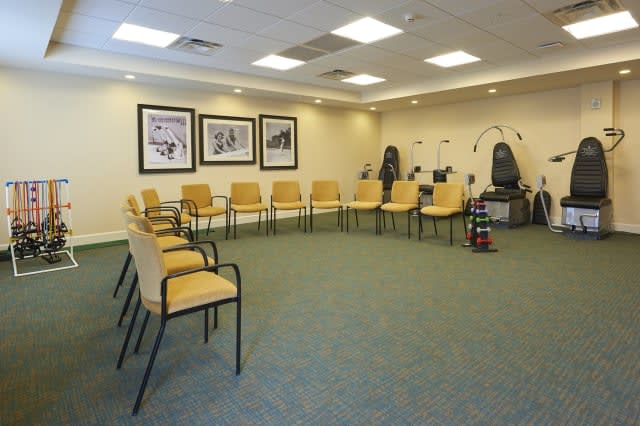
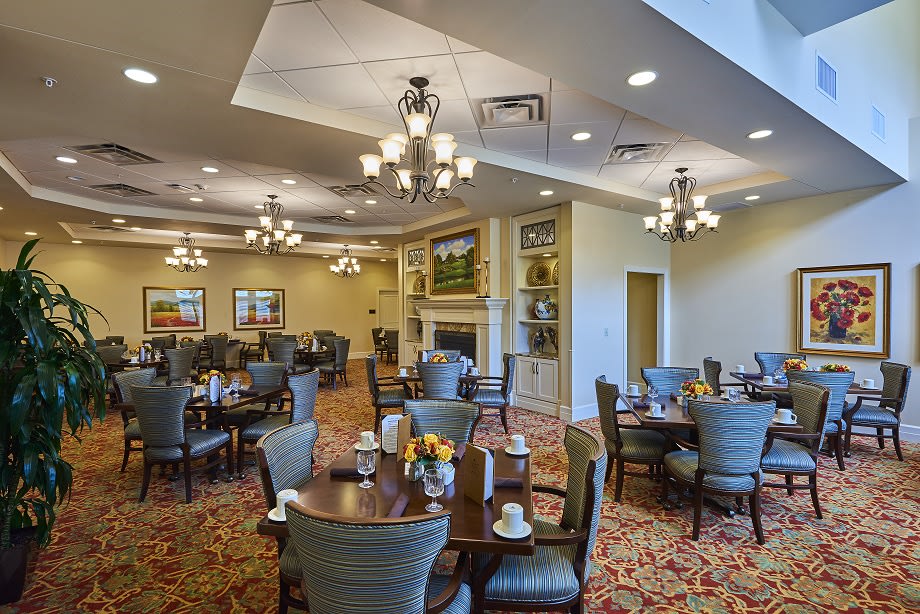
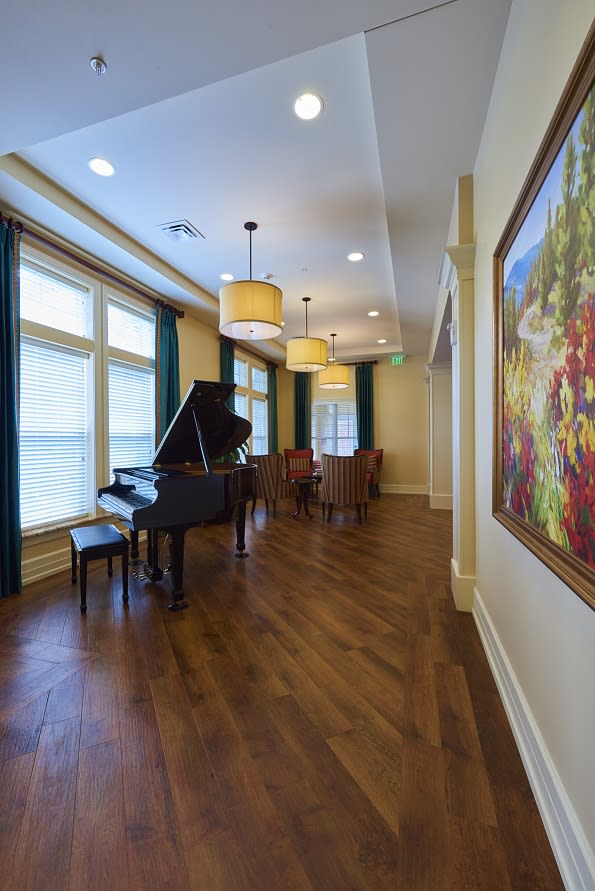
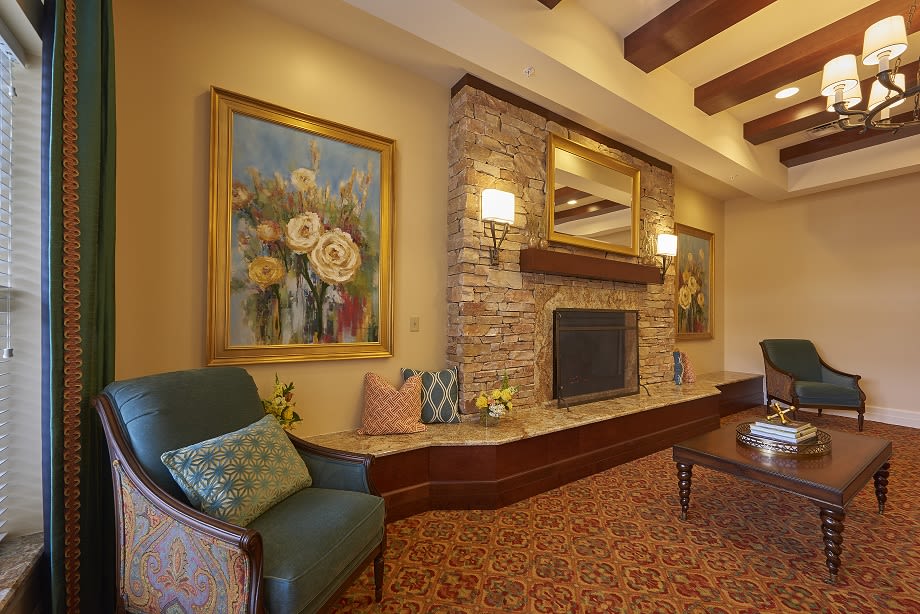
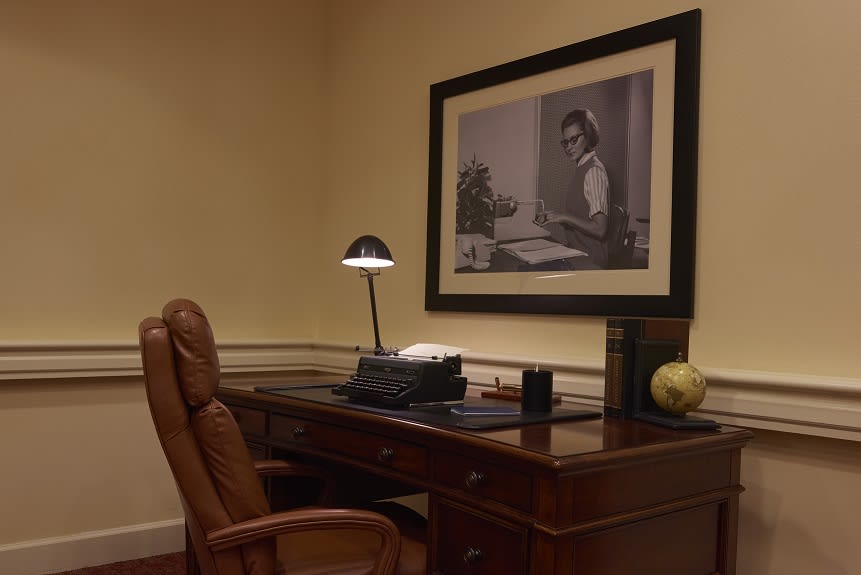
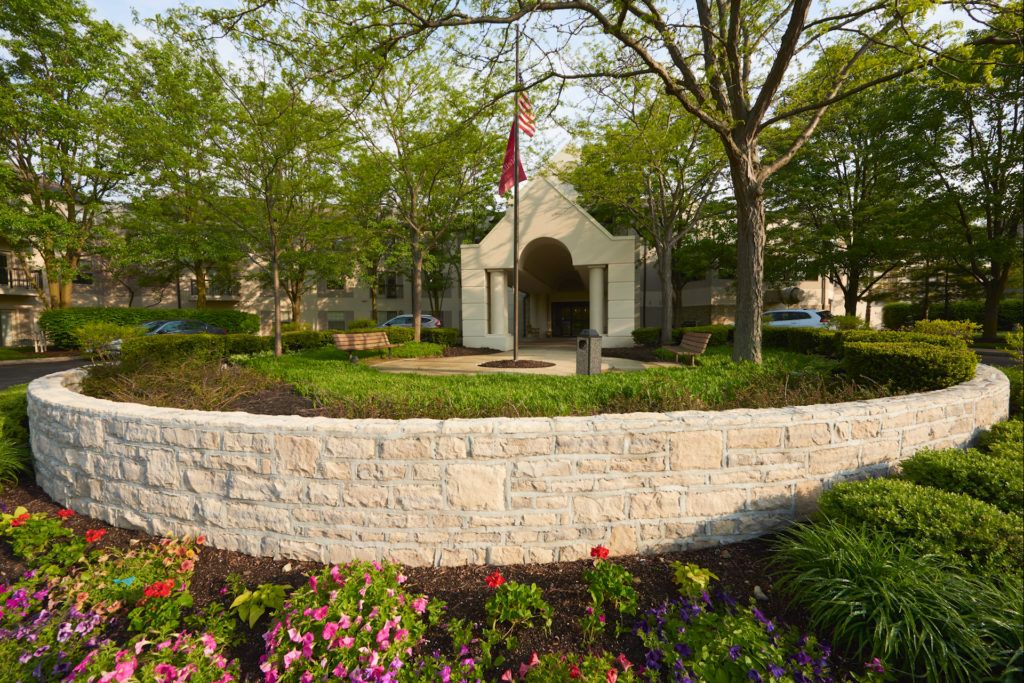
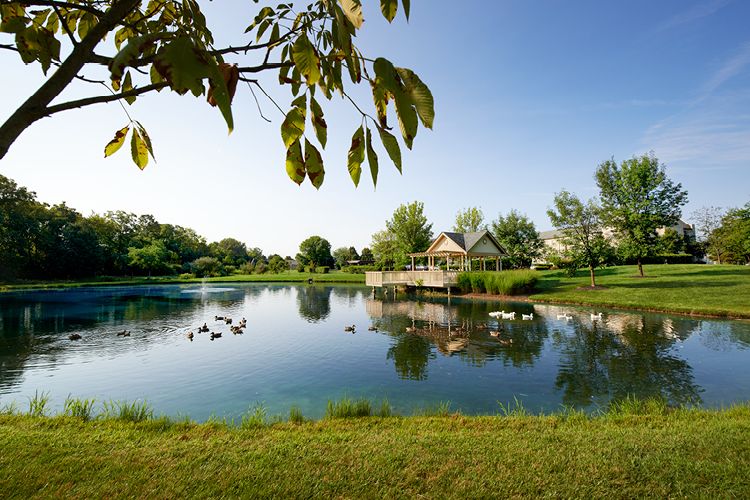
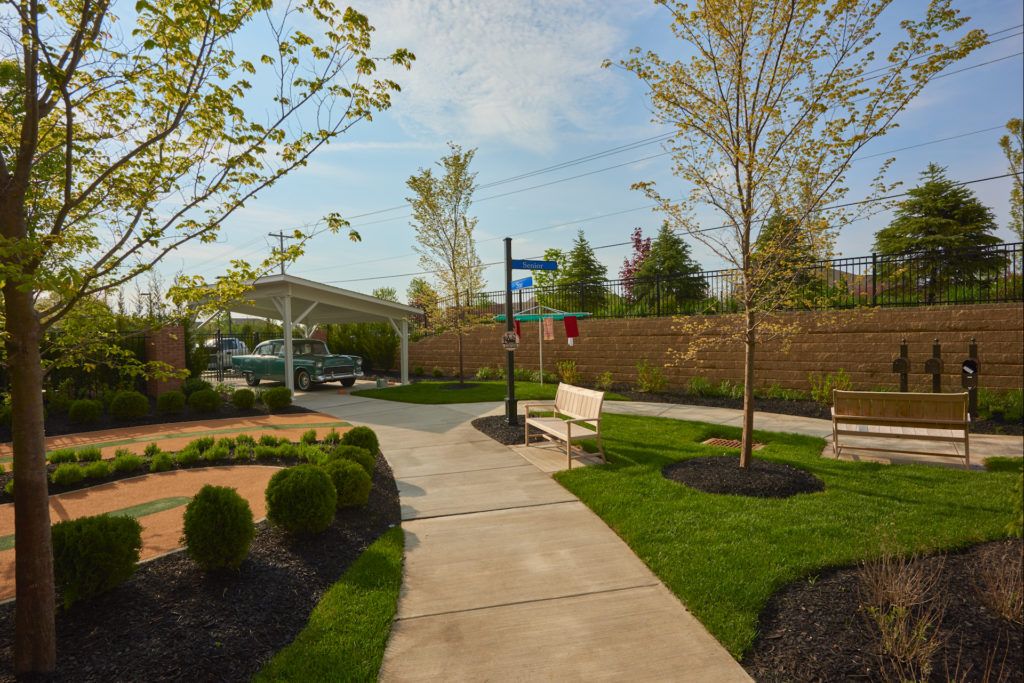
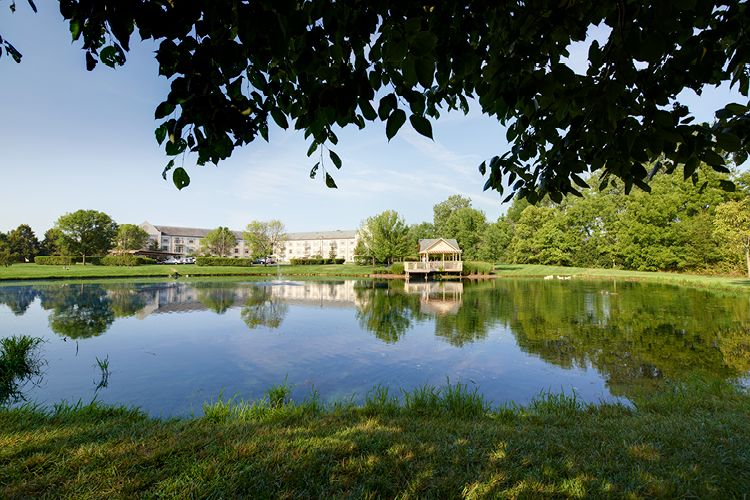
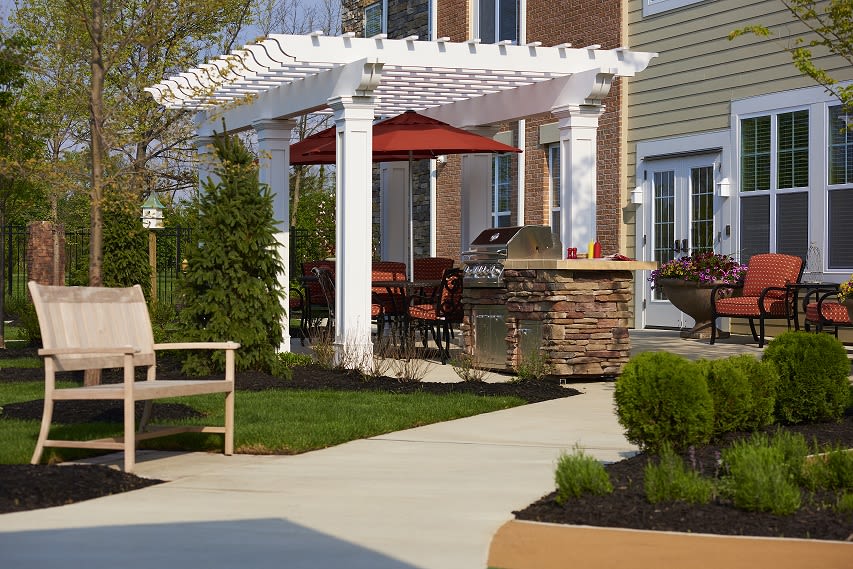
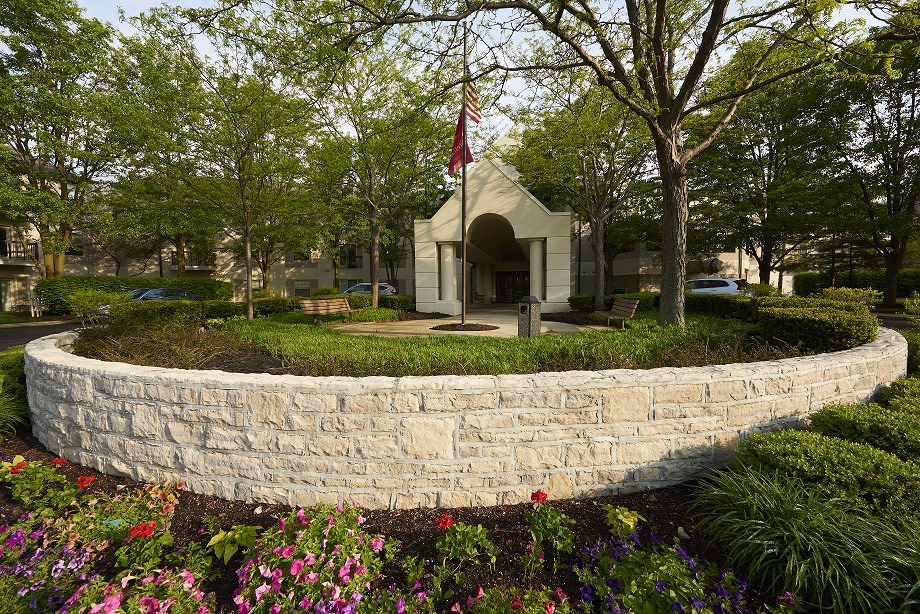
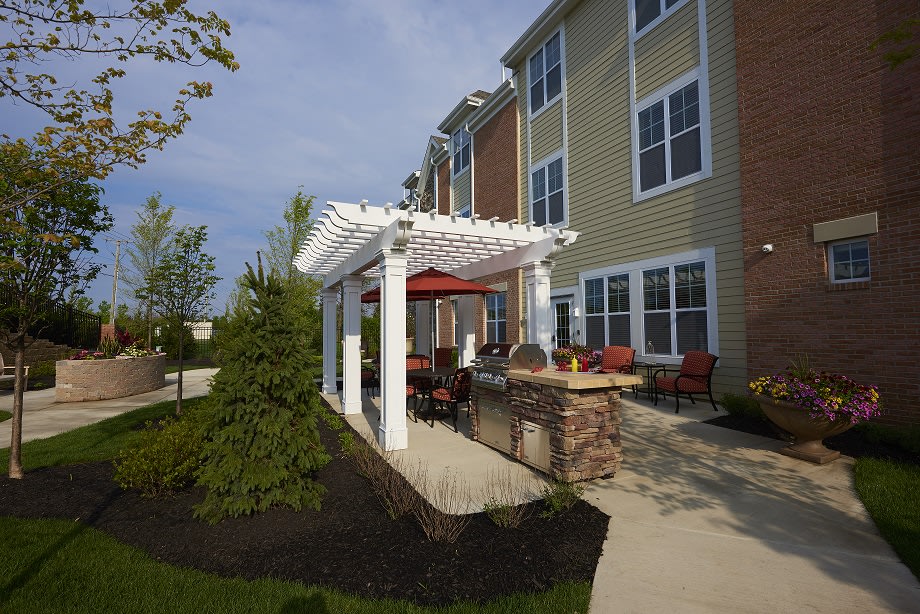
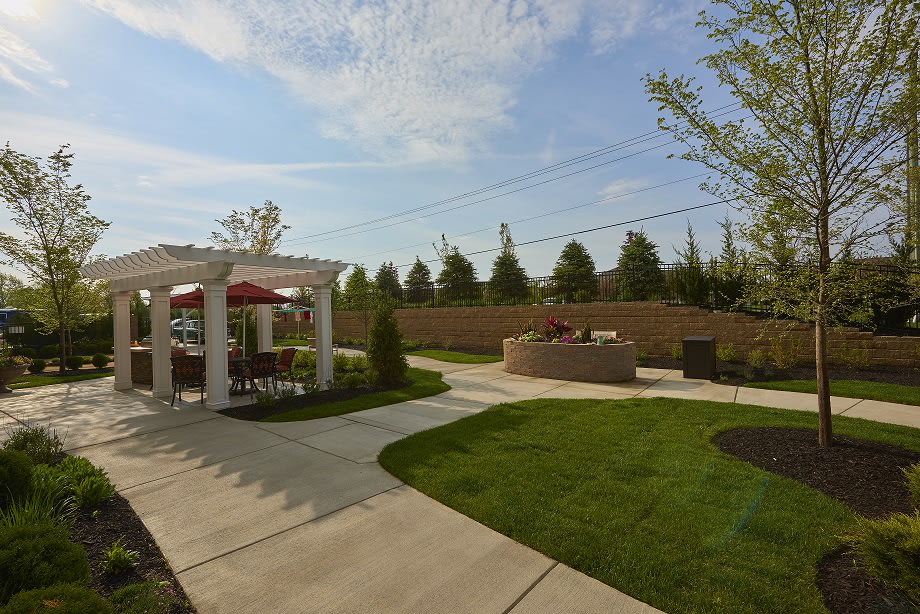
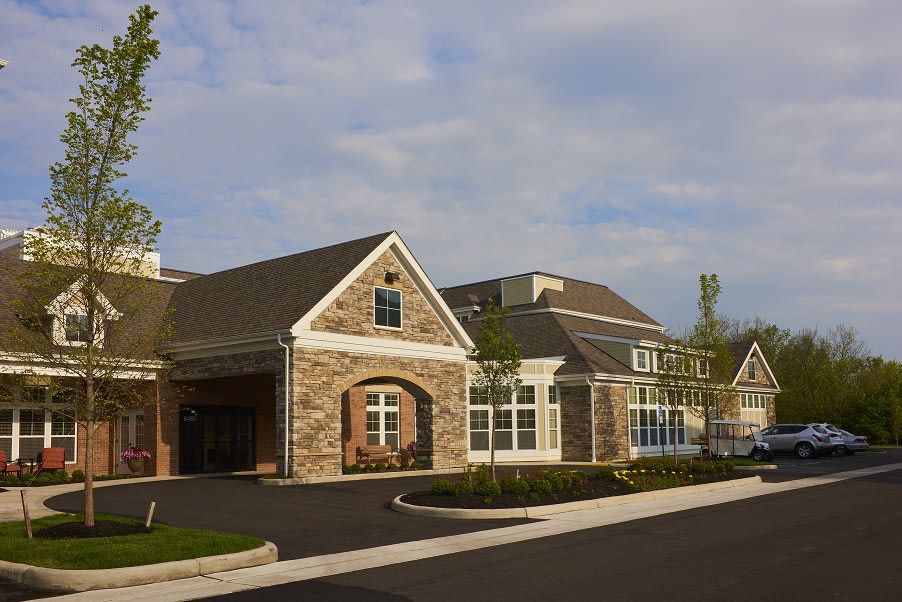
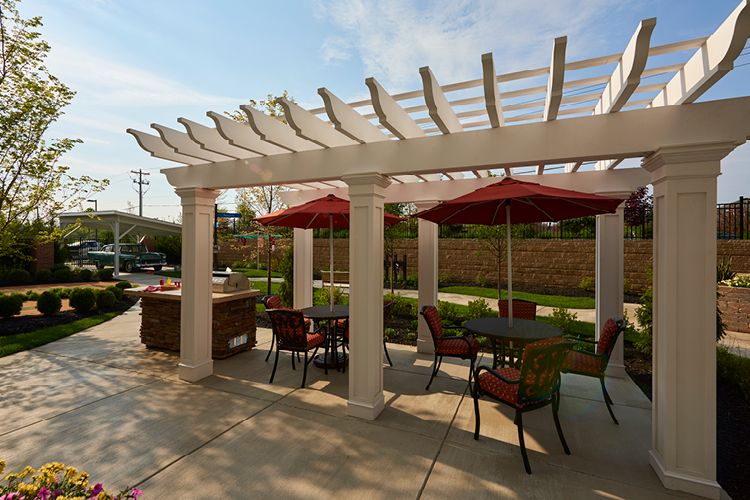
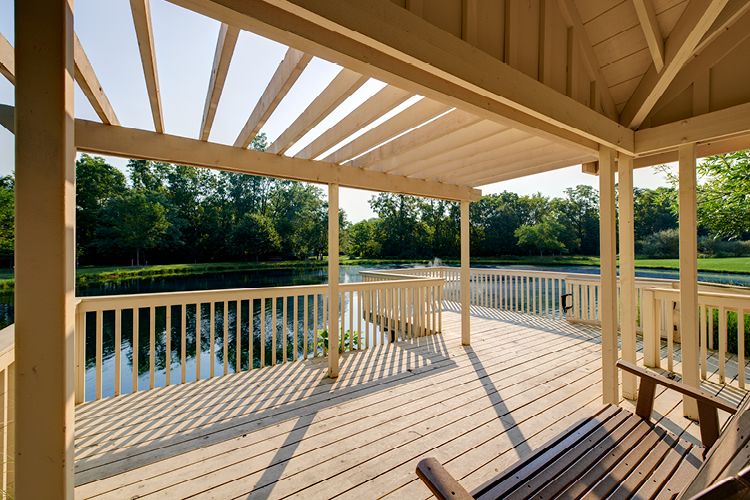
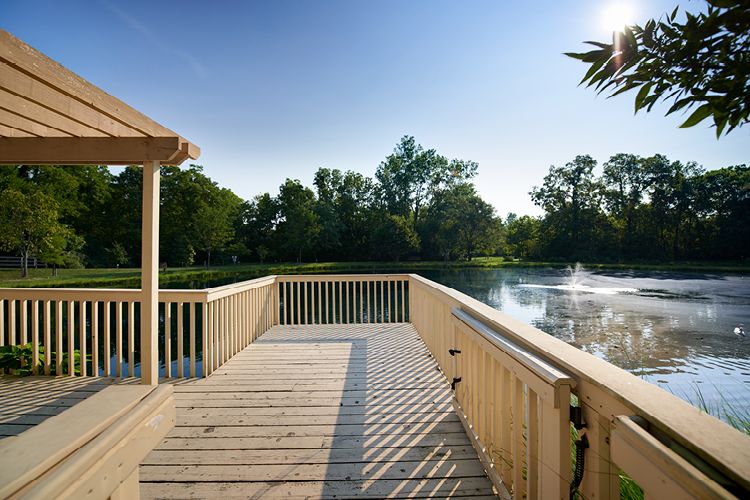
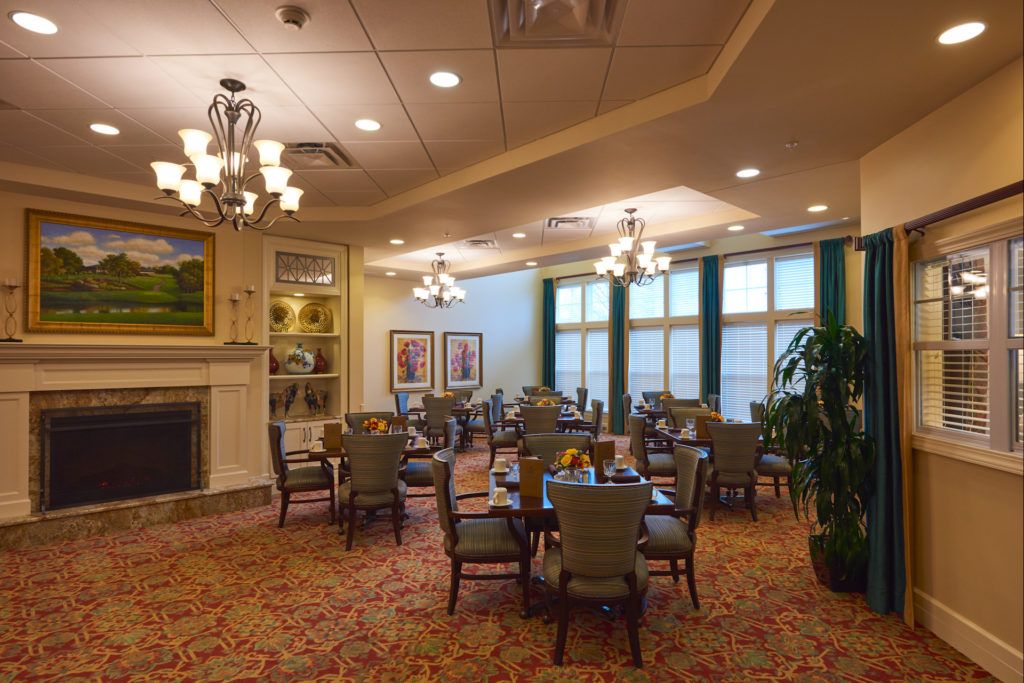
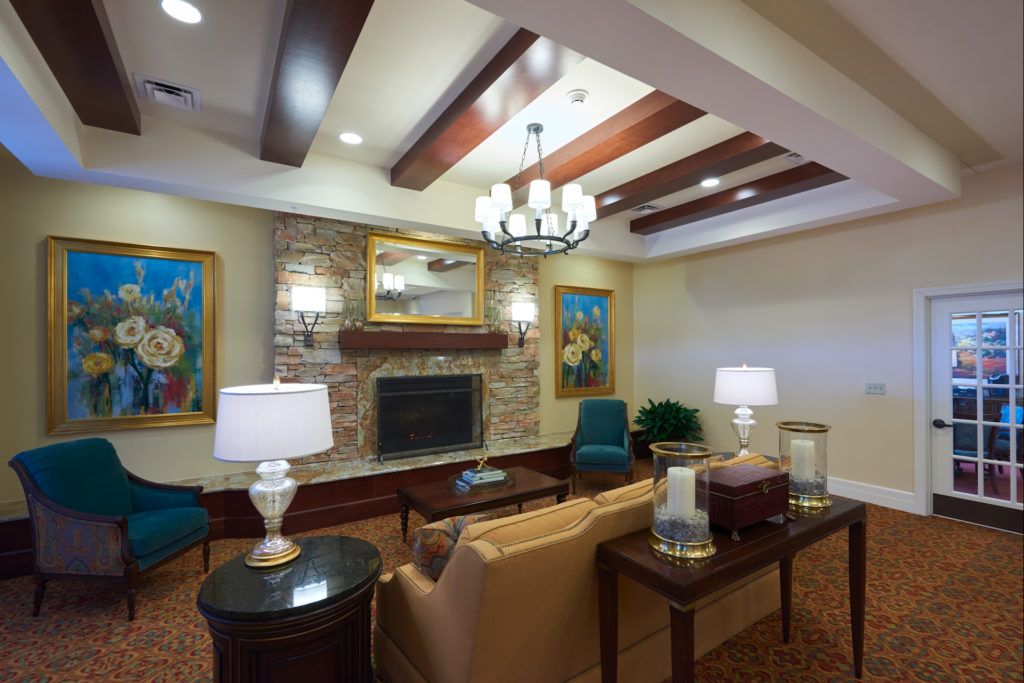
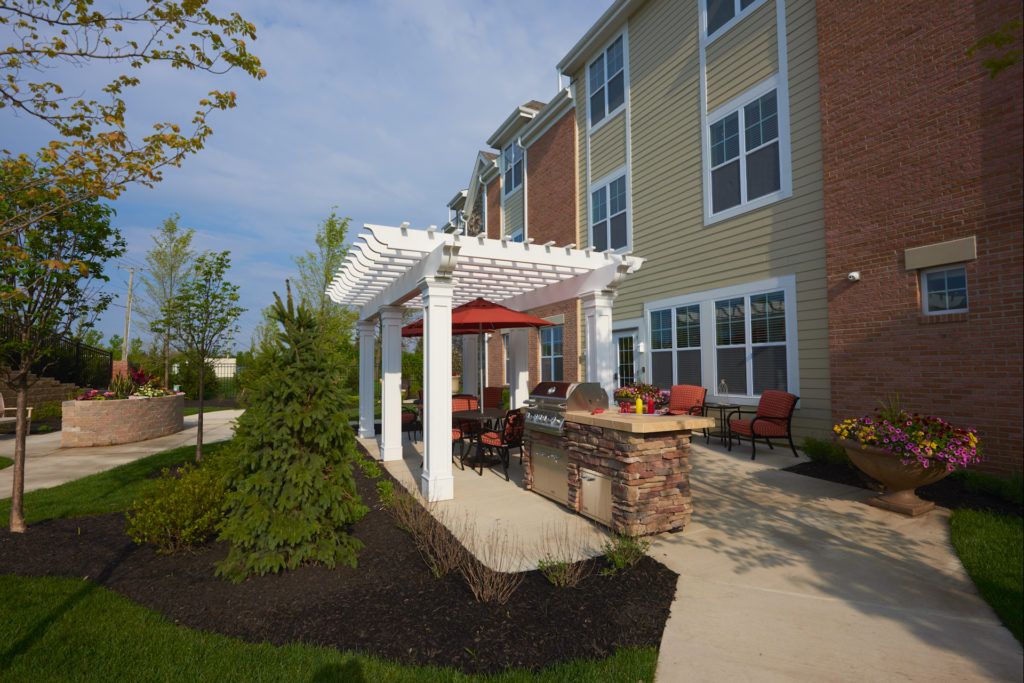
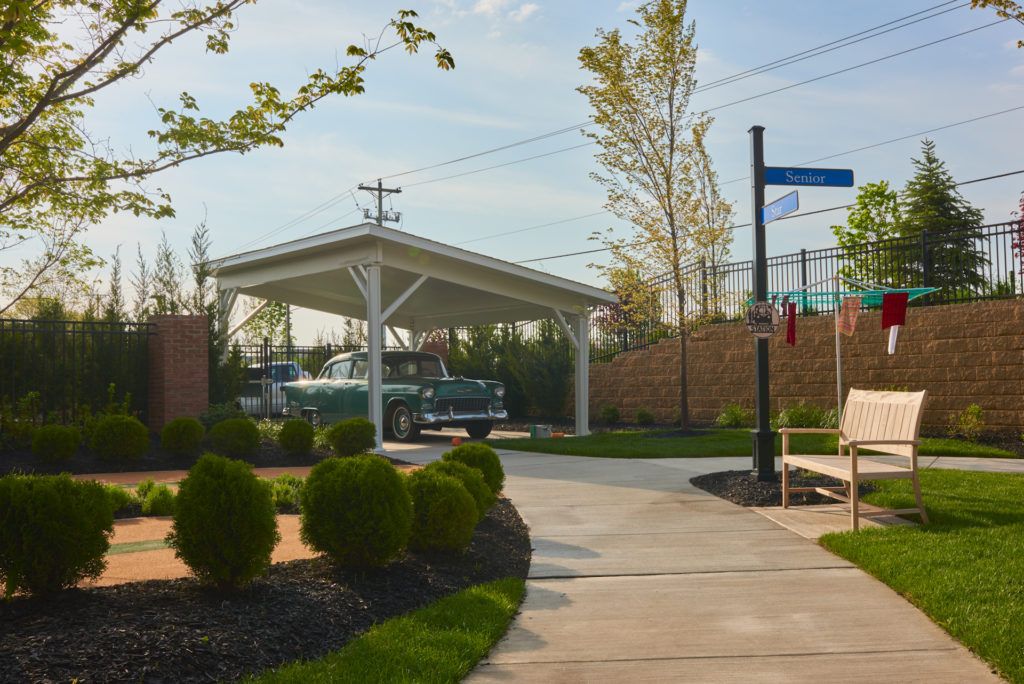
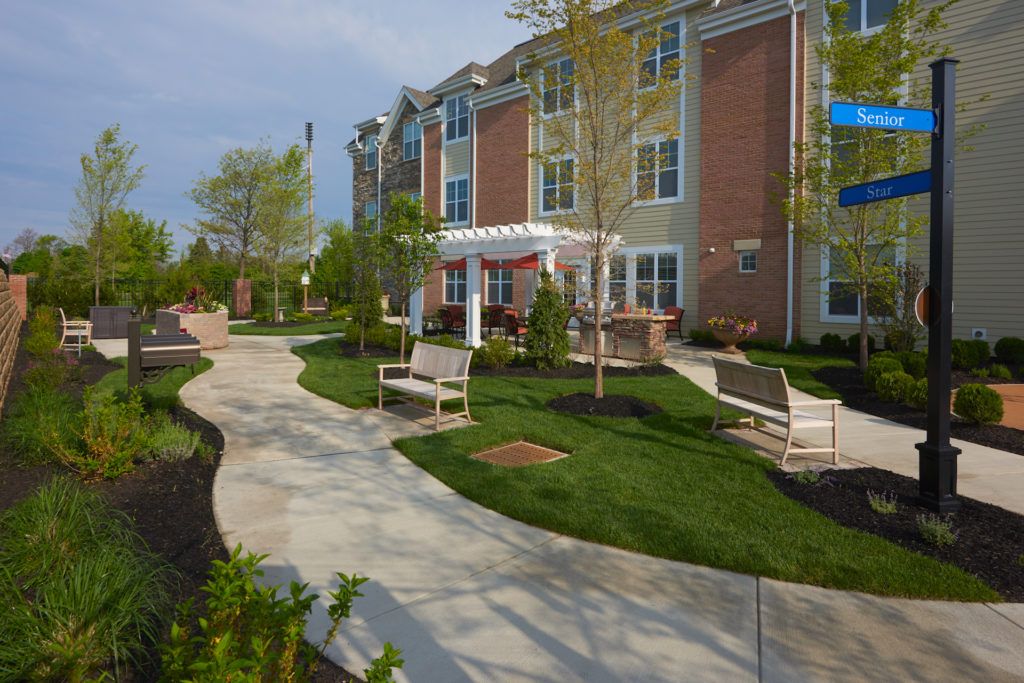
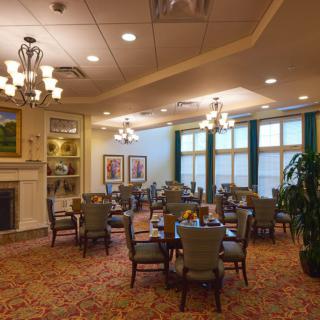
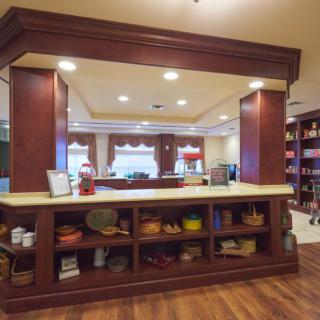
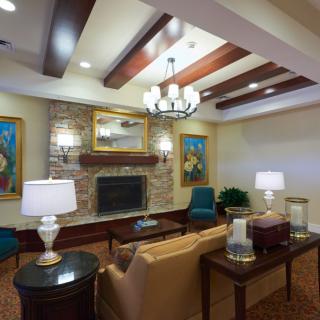
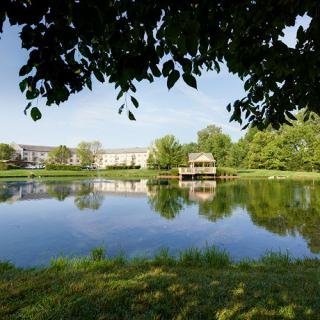
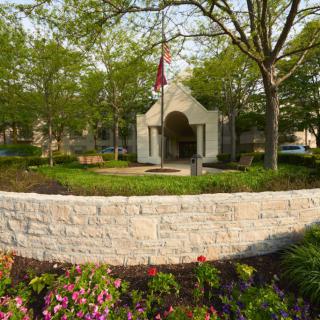
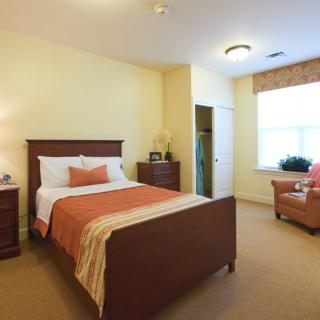
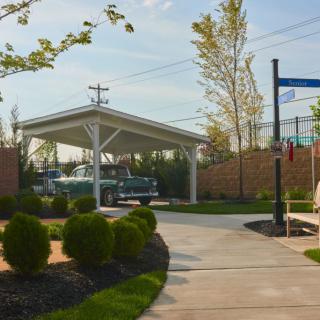
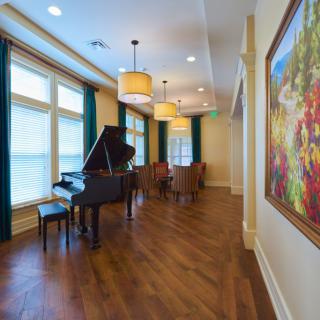
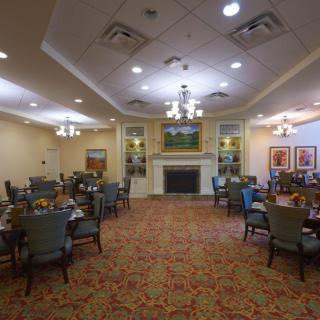
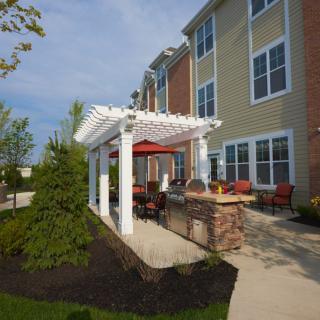
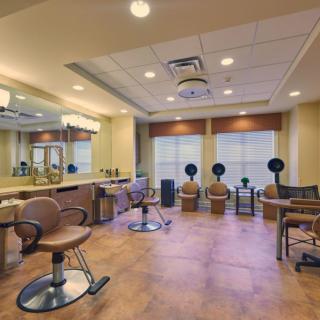
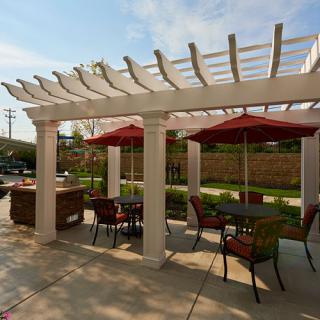
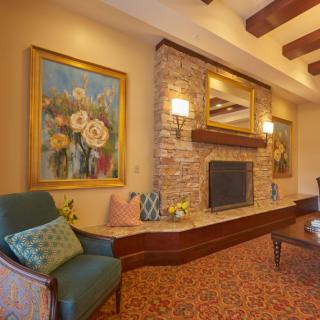
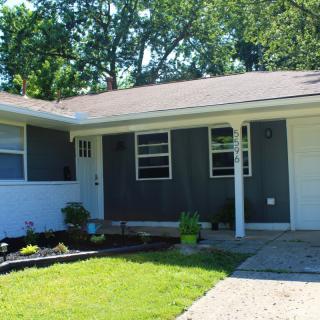
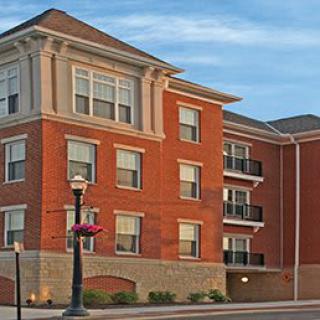
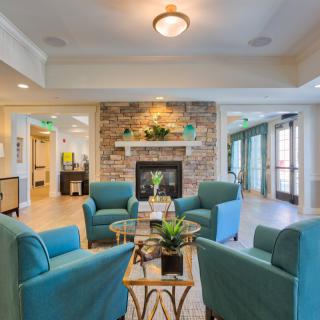
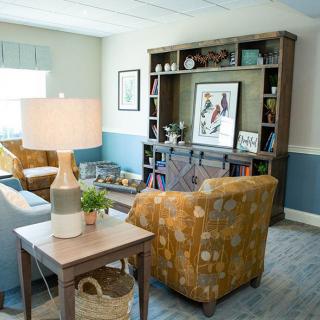
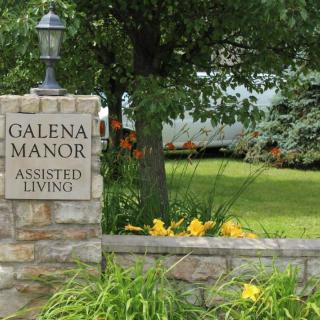
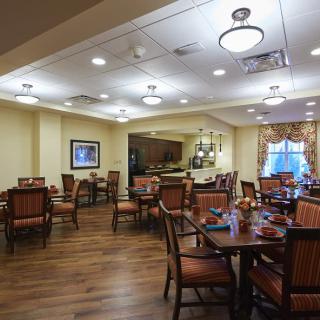
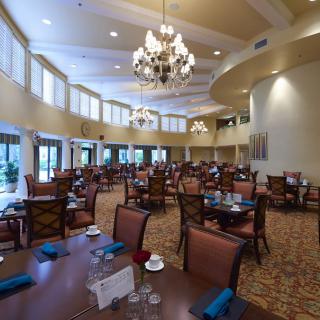
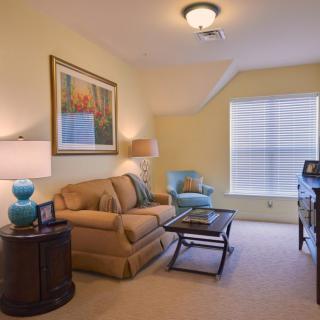
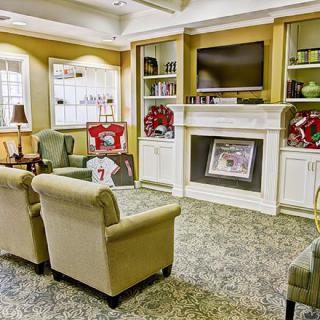
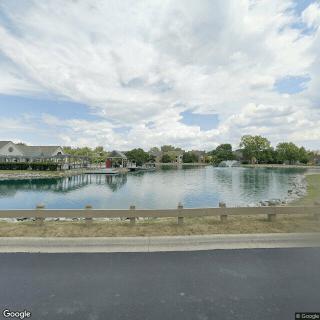
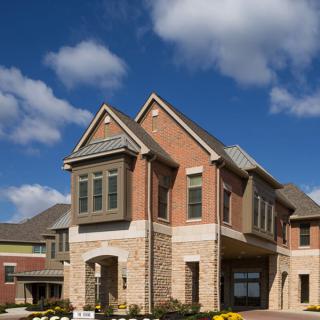
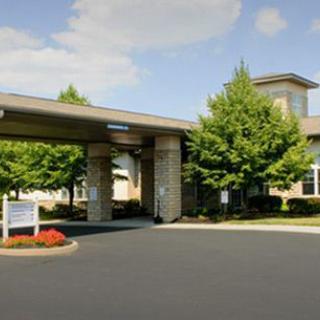
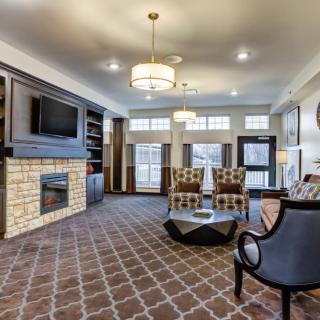
Dublin Retirement Village on seniors.fyi includes 48 photos including images showing interior, dining, landscaping, chandelier, fireplace, decor, trees, artwork, and more.
Nearby Communities
The Convalarium At Indian Run
Dublin, OH
3.1 from 97 reviews
$3,300 to $4,000 / month
Warm, compassionate staff in a home-like environment.
The Convalarium At Indian Run
Dublin, OH
2.9 from 69 reviews
On-site continuum of care (AL, board & care, SNF) with meals, transport, and activities.
Dublin Assisted Living And Memory Support By Senio
Dublin, OH
4.2 from 58 reviews
Offers multiple care levels (Independent Living, Assisted Living, Memory Care) with 24/7 supervision, medication management, and dementia-focused programming, plus on-site amenities and transportation.
Home Helpers Delaware, OH
Dublin, OH
4.8 from 25 reviews
Personalized care in a peaceful Dublin neighborhood with convenient access to nearby amenities and healthcare.
Brookdale Muirfield
Dublin, OH
4.1 from 84 reviews
$3,580 to $4,160 / month
Attentive staff and a welcoming community with good dining and memory care services.
Asherton of Dublin
Dublin, OH
4.4 from 113 reviews
$690 to $1,910 / month
Competitive, affordable 55+ living with extensive nearby amenities.
The Grand of Dublin
Dublin, OH
3.9 from 155 reviews
$2,500 to $5,000 / month
Attentive aides and skilled therapists contributing to rehab progress in a clean, comfortable environment.
The Sanctuary At Tuttle Crossing
Dublin, OH
3.6 from 68 reviews
$3,100 / month
Professional, long-tenured staff with strong therapy services and a clean, welcoming environment.
Norwich Springs Health Campus
Hilliard, OH
3.9 from 73 reviews
Modern, brand-new campus with exceptional cleanliness, attentive staff, well-appointed rooms, and refined dining.
Reminiscence therapy helps individuals with dementia recall past memories through structured discussions and meaningful objects, enhancing mood, relationships, and sense of identity while celebrating their lives. It can be practiced in formal settings or at home, requiring sensitivity to personal histories and cultural backgrounds.
Reminiscence therapy is a structured method for older adults, especially those with dementia, to share life stories using prompts and sensory cues, fostering emotional well-being, social engagement, and self-identity. It aims to improve quality of life by enhancing interpersonal connections and cognitive stimulation while requiring careful facilitation to avoid distressing memories.
Dementia, particularly Lewy body dementia, often involves hallucinations that can significantly distress both patients and caregivers due to disruptions in sensory processing and neurotransmitter imbalances. Effective management includes compassionate communication, environmental adjustments, and a multidisciplinary approach to care while addressing the emotional needs of caregivers.
Get PricingAsk A QuestionSchedule A TourContact Senior Advisor
By clicking submit, you agree to our Partner's Terms of Use. You
also consent to receive calls and texts, which may be autodialed, from our Partner. Your consent is not a condition to
using our Partner's service. Please visit our Partner's Privacy Policy for information about their privacy practices.

 99 resident community capacity
 Assisted Living
 Independent Living
 Memory Care
 Cats allowed
 Dogs allowed
 Activities off-site
 Air-conditioning
 Beautician on-site
 Cable or satellite TV
 Computer center
 Devotional services off-site
 Dining room
 Fitness room
 Fully furnished
 Gaming room
 Garden
 Ground floor units
 Handicap accessible
 Housekeeping services
 Indoor common areas
 Kitchenette
 Move-in coordination
 Outdoor common areas
 Private bathrooms
 Respite or short term stays offered
 Restaurant-style dining
 Small library
 Telephone
 Wellness center
 Wheelchair accessible showers
 Wi-Fi/high-speed internet available
 John Glenn Columbus International Airport (16 miles away)
 Community operated transportation
 12-16 hour nursing
 24-hour call system
 Assistance with bathing
 Assistance with dressing
 Assistance with transfers
 Diabetes diet
 Diabetic care
 Hospice waiver
 Incontinence care
 Medication management
 Mental wellness program
 Special dietary restrictions
 Transportation arrangement (medical)
 Art classes
 Catholic services
 Concierge services
 Cooking classes
 Day trips and outings
 Educational speakers / life long learning
 Happy hour
 Live dance or theater performances
 Live musical performances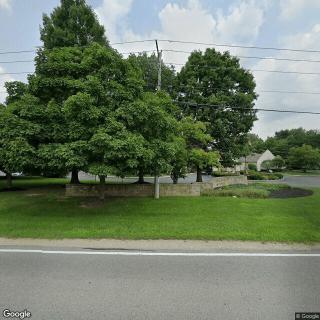
 Warm, compassionate staff in a home-like environment.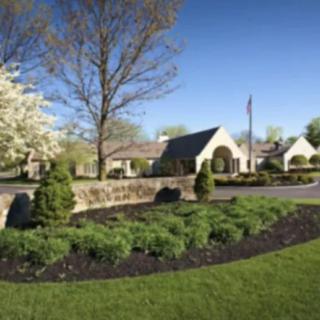
 Exploring the Power of Reminiscence Therapy for Individuals With Dementia
 An In-Depth Look at Reminiscence Therapy in Dementia Care
 Dementia-Related Hallucinations: Causes, Experiences, and Practical Approaches