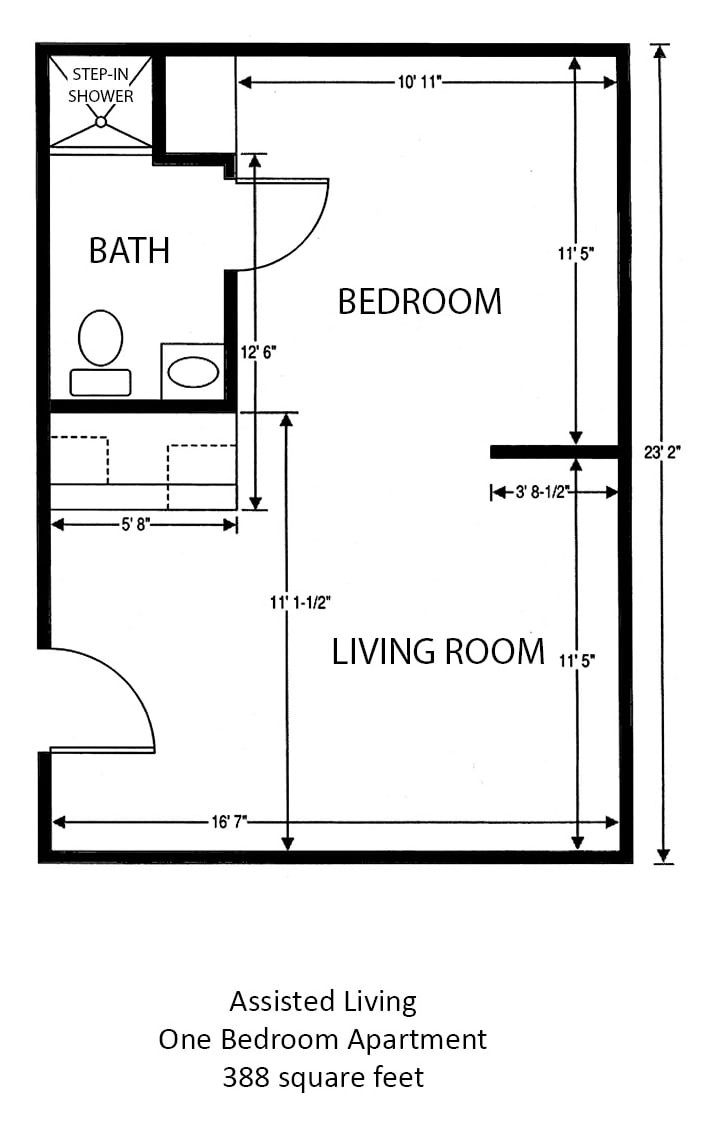
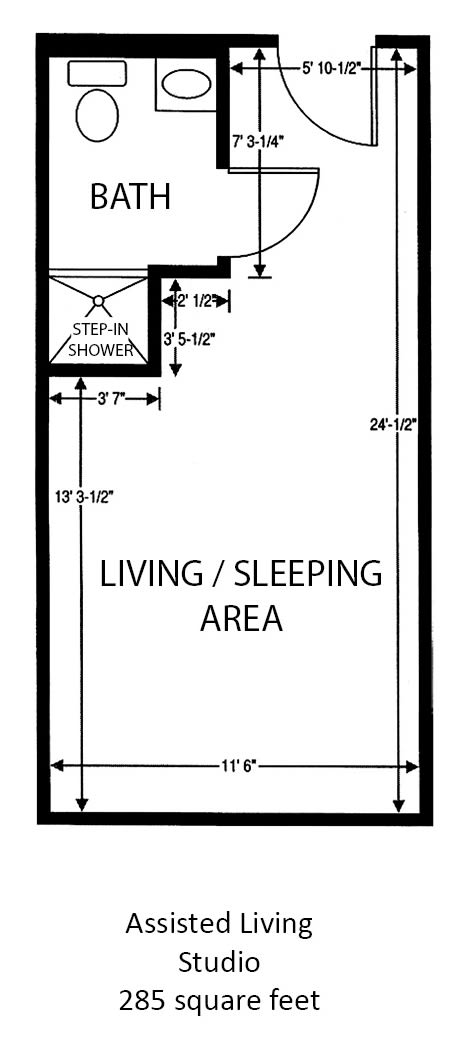
The Woodlands of Columbus offers competitive pricing for its residents, particularly when compared to both Franklin County and the broader state of Ohio. For a studio, the monthly cost at The Woodlands is $3,550, which is notably lower than the county average of $3,788 and also below the Ohio average of $3,727. In contrast, the 1-bedroom unit is priced at $4,250, which exceeds the county average of $3,645 and the state average of $3,712. Overall, while The Woodlands maintains an attractive option for studio accommodations in terms of affordability, residents considering a 1-bedroom may find themselves paying a premium relative to nearby options.
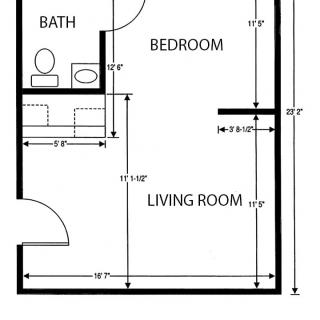
Floor plans
The Woodlands Of Columbus
Franklin County
Ohio
Studio
$3,550
$3,788
$3,727
1 Bedroom
$4,250
$3,645
$3,712
Memory care communities with a similar price nearby
Residents and families repeatedly describe staff as kind, caring, and easy to work with.
Across assisted living and memory care mentions, reviewers frequently say the staff members are friendly and attentive to residents’ needs. Several families describe aides and nurses as compassionate, including quick support and follow-through when questions come up. A few negative reviews point to staffing or care breakdowns, but they stand apart from the many positive accounts of day-to-day interaction.
common26 reviews mention this
Clean, well-kept facility
Many reviewers call out cleanliness and upkeep as a consistent strength.
Multiple reviews mention the building being clean, tidy, and well maintained, from common areas to resident rooms. Some families also describe efficient housekeeping and laundry support that keeps rooms presentable. There are also a small number of reports about dirty rooms or issues during care, which temper the overall positive pattern.
differentiator16 reviews mention this
Restaurant-style dining and appealing meals
Dining is a frequent bright spot, with many meals described as looking or tasting good.
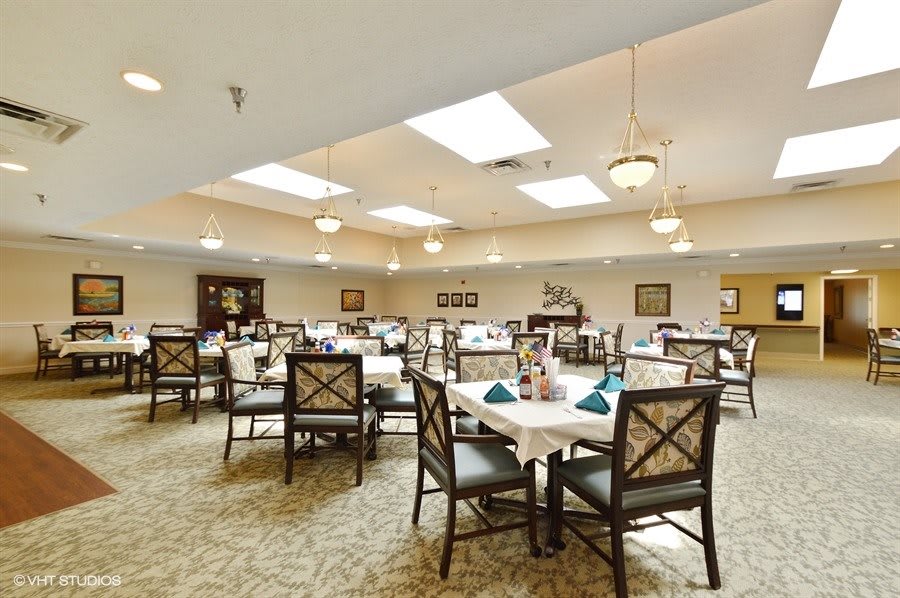
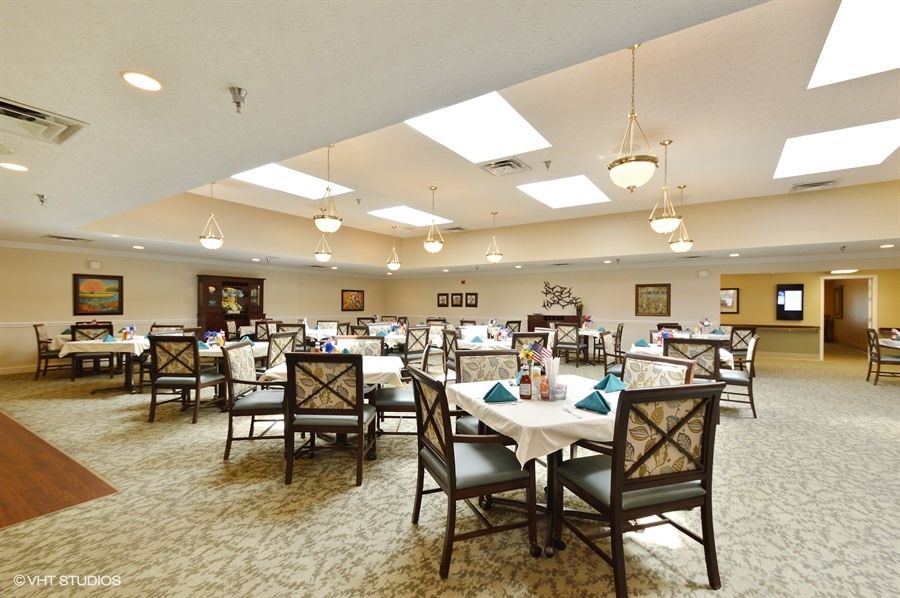
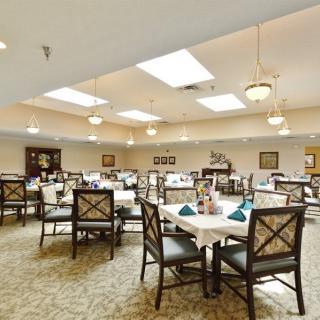
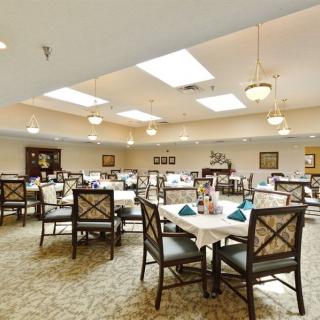
Reviewers commonly comment on the food, describing it as appealing, well-seasoned, and something residents enjoy. Several also connect dining to a better experience for picky eaters or residents who may have diet limits. The community also offers restaurant-style dining and supports meal service with options that align with special dietary needs described in reviews.
common22 reviews mention this
Lots of activities to stay engaged
Families and residents describe a steady mix of activities and scheduled events.
Many reviews say the community keeps residents involved with activities such as bingo and other group events. Reviewers also mention residents participating in social and entertainment programming, along with outings or devotional activities. A couple of tours or short-stay impressions say the activity offering didn’t stand out, but overall the reviews emphasize engagement.
caveat9 reviews mention this
Cost feels high for some families
Some reviewers feel pricing and fees are not aligned with the care they received.
A recurring concern in the reviews is cost, including comments that healthcare and senior needs feel out of line or that fees rise during the stay. There are also negative experiences where families felt billing and care decisions didn’t match what they expected. At the same time, other reviewers describe the value as strong and the price as reasonable, so opinions split based on individual outcomes.
caveat5 reviews mention this
Staffing and care consistency concerns
A minority of reviews raise concerns about staffing levels and hands-on care timing.
While many families describe attentive support and good communication, a few critical reviews report care issues tied to insufficient staffing. Those accounts include delays or missed care steps and concern after incidents, alongside disappointment with how concerns were handled. The sharper negative stories contrast with the broader pattern of frequent positive comments about being checked on and supported.
How we summarize
Counts show how many written reviews mention each theme; a review can touch several themes, and only frequently mentioned themes are displayed.
Features
Housing
127 resident community capacity
1-bedroom apartments
Studio apartments
Types of Care
Assisted Living
Memory Care
Pets
Cats allowed
Dogs allowed
Amenities
Activities off-site
Activities on-site
Air-conditioning
Beautician on-site
Beauty salon
Cable or satellite TV
Computer center
Devotional services on-site
Dining room
Fitness room
Fully furnished
Gaming room
Garden
Housekeeping services
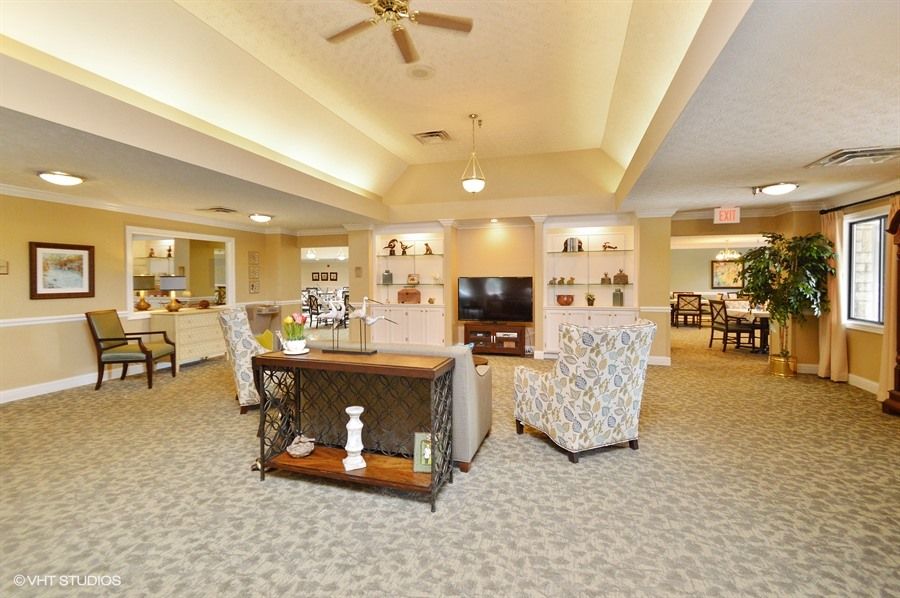
Indoor common areas
Kitchenette
Laundry
Move-in coordination
Outdoor common areas
Outdoor space
Party space
Private bathrooms
Restaurant-style dining
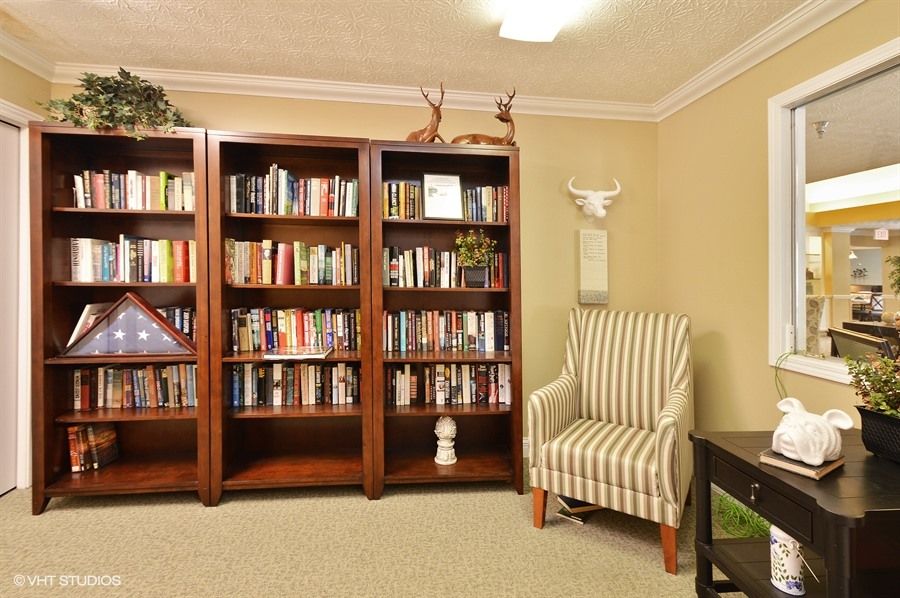
Small library
Telephone
Wellness center
Wheelchair accessible showers
Wi-Fi/high-speed internet available
Transportation
John Glenn Columbus International Airport (2 miles away)
Community operated transportation
Transportation & parking
Transportation arrangement
Transportation arrangement (non-medical)
Transportation to doctors appointments
Care Services
12-16 hour nursing
24-hour call system
24-hour supervision
Activities of daily living assistance
Ambulatory care
Assistance with bathing
Assistance with dressing
Assistance with transfers
Diabetes diet
Diabetic care
Incontinence care
Meal preparation and service
Medication management
Mental wellness program
Mild cognitive impairment
Special dietary restrictions
Specialized memory care programming
Walking wheelchair assistance
Dining
Diabetes diet
Guest meals
Meals provided
Restaurant style dining
Room service
Special dietary restrictions
Activities
Activities off-site
Activities on-site
Community-sponsored activities
Concierge services
Cooking classes
Day trips and outings
Devotional activities on-site
Educational speakers / life long learning
Fitness programs
Gardening club
Karaoke
Live dance or theater performances
Live musical performances
Planned day trips
Religious services
Resident-run activities
Scheduled daily activities
Stretching classes
Trivia games
Languages Spoken
English
Nearby Places of Interest
This area of Columbus, Ohio offers convenient access to essential amenities such as hospitals, physicians' offices, pharmacies, and places of worship, making it a practical choice for senior living. The proximity to Mount Carmel East Hospital and Ohio State University Hospital East ensures prompt medical care when needed. Additionally, the variety of cafes and restaurants nearby provide options for dining out or grabbing a quick bite to eat. For leisure activities, residents can enjoy the nearby parks for outdoor recreation or catch a movie at the Pickerington Cinema or Dreamscape at AMC Easton Town Center. Overall, this neighborhood offers a blend of convenience and entertainment options for seniors looking to settle in a well-connected community.
Hospitals
Mount Carmel East (0.9 miles)
Ohio State University Hospital East (5.4 miles)
Physicians
Taylor Station Surgical Center (1 miles)
Orthopedic One (1 miles)
Retina Group (1.3 miles)
Grant Family Medicine/Eastside Surgery Center (1.6 miles)
Ohio ENT & Allergy Physicians (1.6 miles)
Us Healthworks (1.7 miles)
East Columbus Oral Surgery Specialists (1.7 miles)
Parks
John Bishop Memorial Park (1.1 miles)
Civic Park (2.3 miles)
Huber Park (3.5 miles)
Blacklick Woods Metro Park (3.6 miles)
Cafes
Starbucks (1.4 miles)
Starbucks (1.7 miles)
Starbucks (4 miles)
Starbucks (4.1 miles)
Starbucks (4.7 miles)
Northstar Cafe (5.6 miles)
Transportation
Concourse B (1.7 miles)
TSA Pre-Check B (1.8 miles)
TSA Security Checkpoint B (1.8 miles)
TSA Security Checkpoint A (1.8 miles)
CMH Passenger Drop-off / Pick-up (1.9 miles)
John Glenn Columbus International Airport (CMH) (1.9 miles)
The Woodlands of Columbus offers competitive pricing for its residents, particularly when compared to both Franklin County and the broader state of Ohio. For a studio, the monthly cost at The Woodlands is $3,550, which is notably lower than the county average of $3,788 and also below the Ohio average of $3,727. In contrast, the 1-bedroom unit is priced at $4,250, which exceeds the county average of $3,645 and the state average of $3,712. Overall, while The Woodlands maintains an attractive option for studio accommodations in terms of affordability, residents considering a 1-bedroom may find themselves paying a premium relative to nearby options.
The Woodlands of Columbus offers comprehensive support tailored to individuals with dementia and Alzheimer's disease through a range of essential features. The 24-hour supervision ensures residents are closely monitored, providing safety and quick responses to their needs. Assistance with activities of daily living, such as bathing, dressing, and transfers, empowers residents while maintaining their dignity and promoting independence. Incontinence care is handled sensitively to enhance comfort, while meal preparation and service focus on nutrition suitable for cognitive health. Medication management helps in adhering to prescribed treatments effectively. Additionally, the mental wellness program and specialized memory care programming cater specifically to the unique challenges faced by those with mild cognitive impairment or advanced dementia, engaging residents in meaningful activities that stimulate their minds and foster social interaction. Together, these services create a supportive environment that encourages both physical well-being and cognitive engagement for individuals facing memory loss.
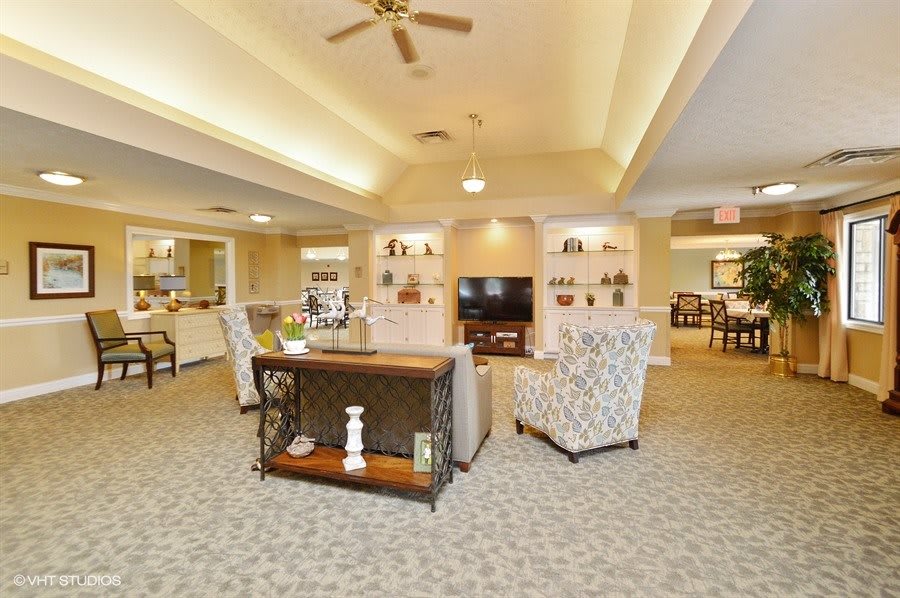
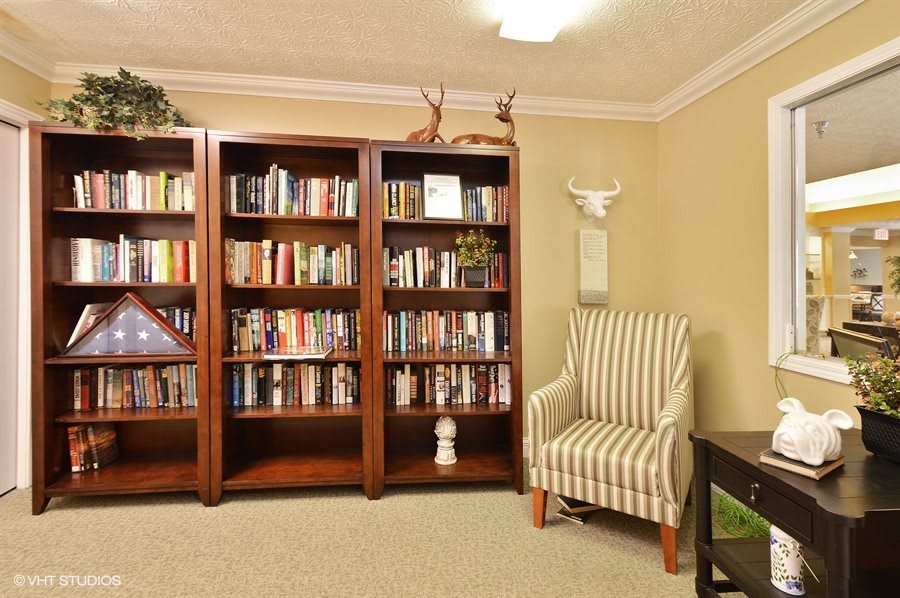
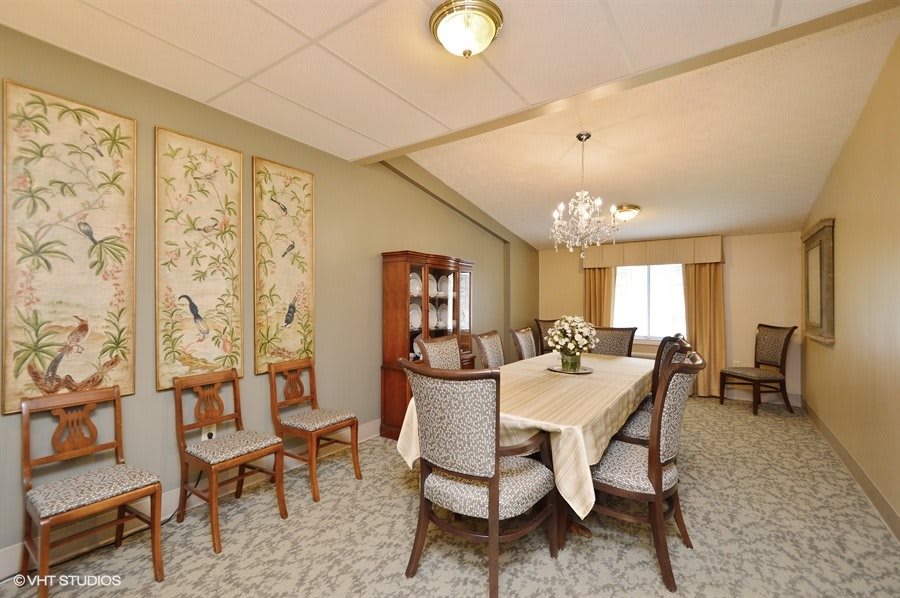
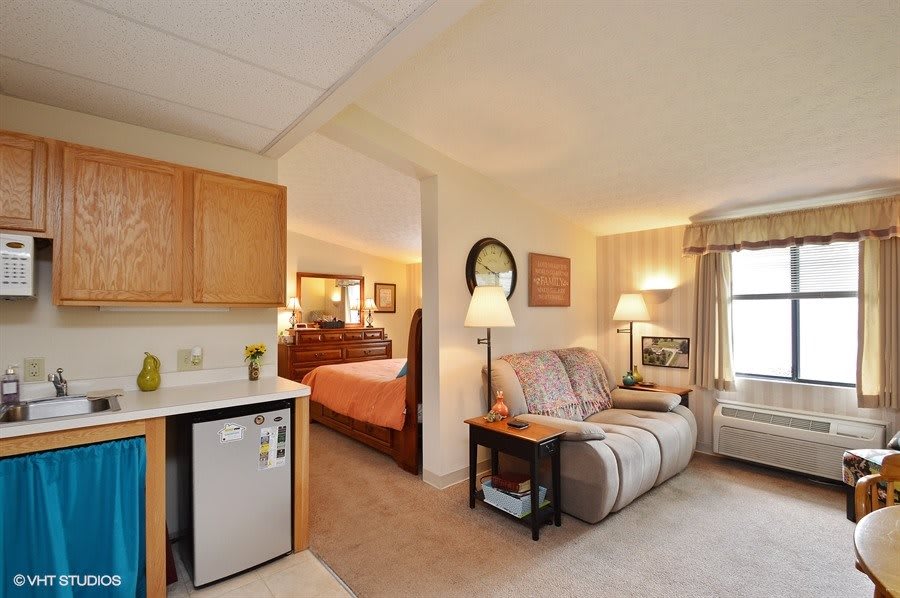
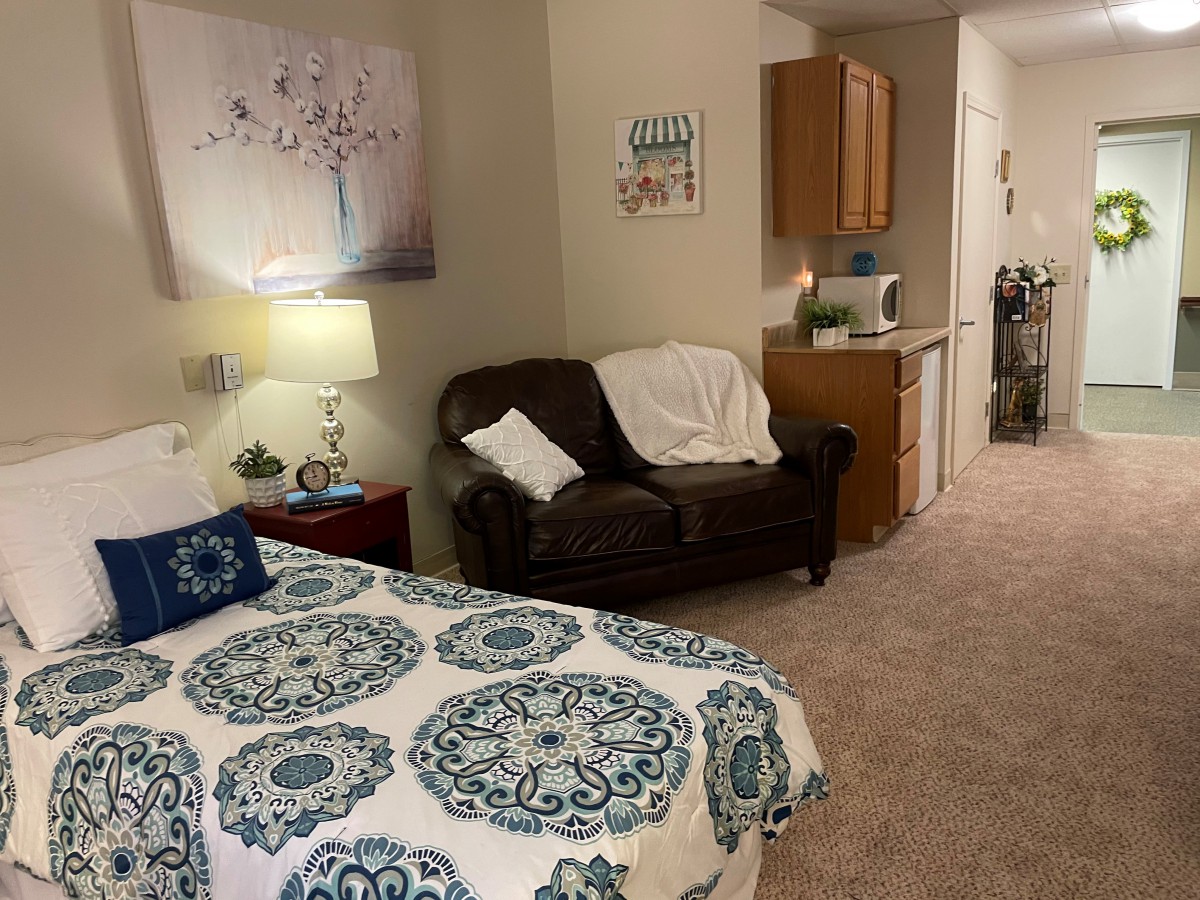
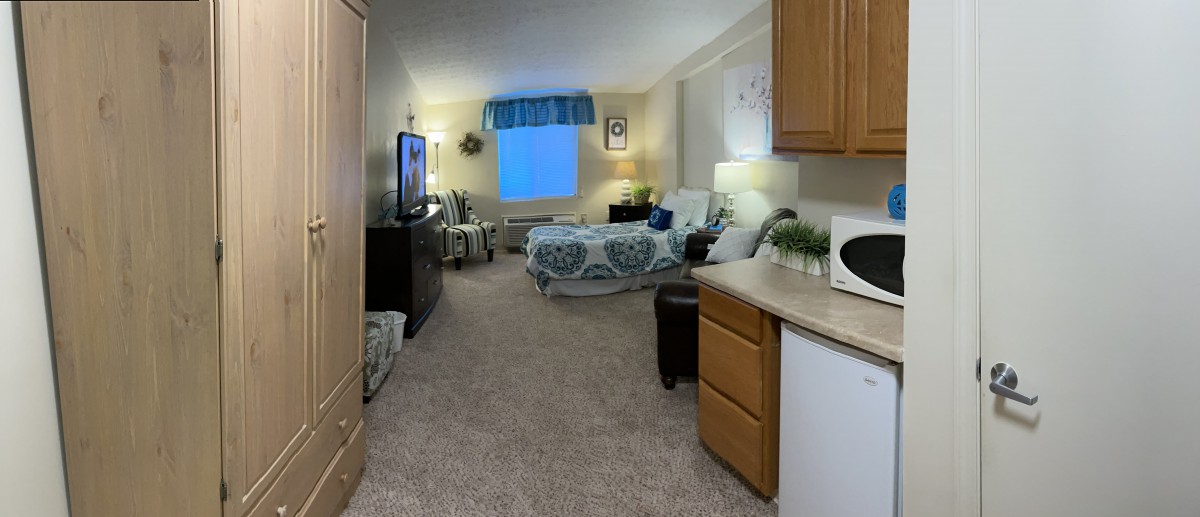
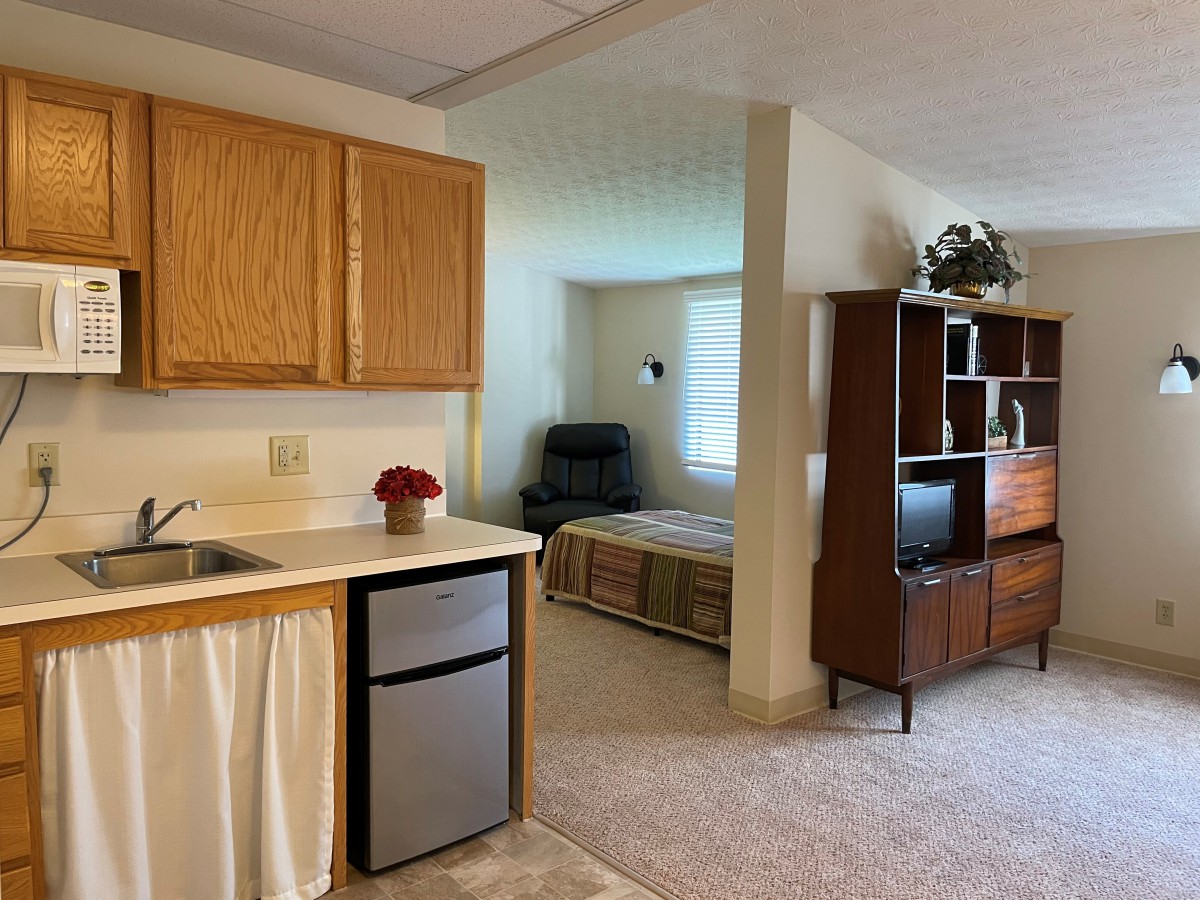
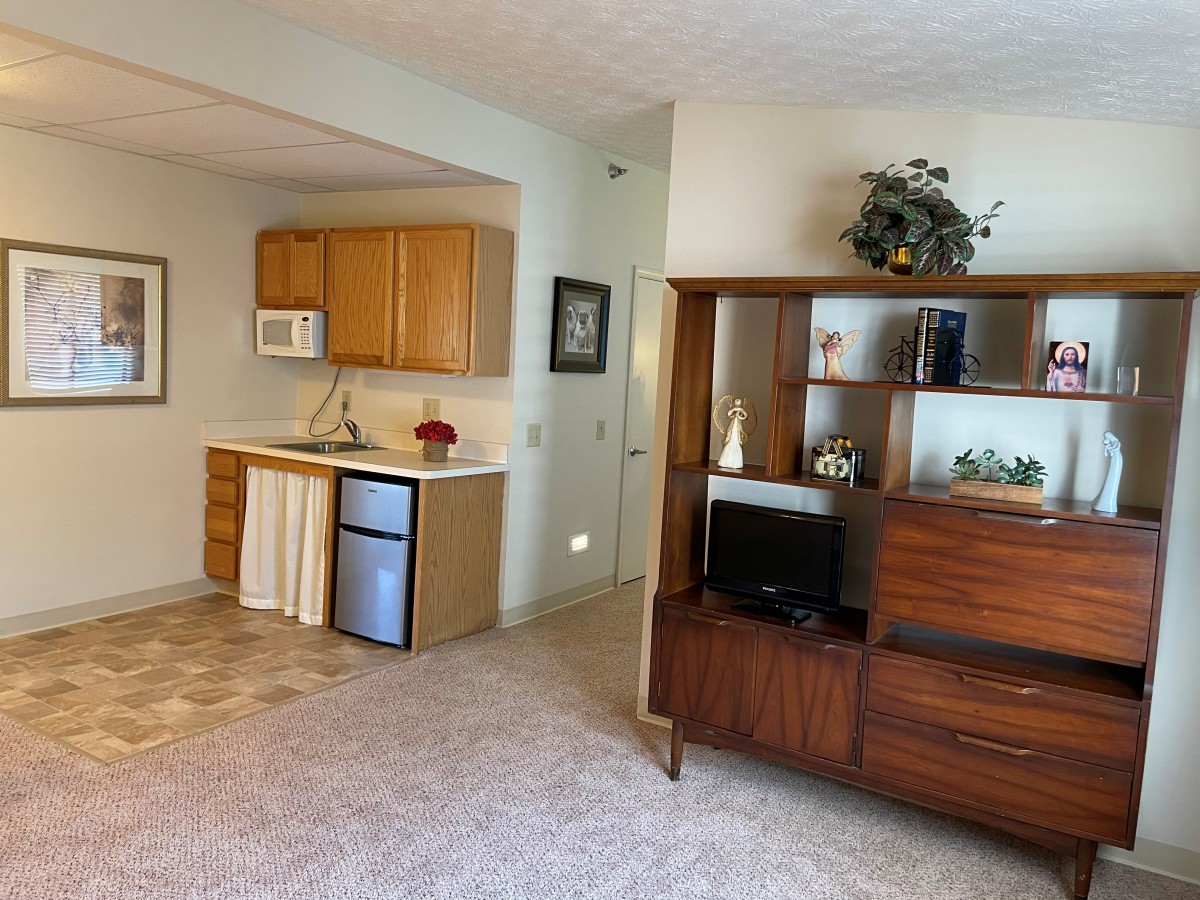
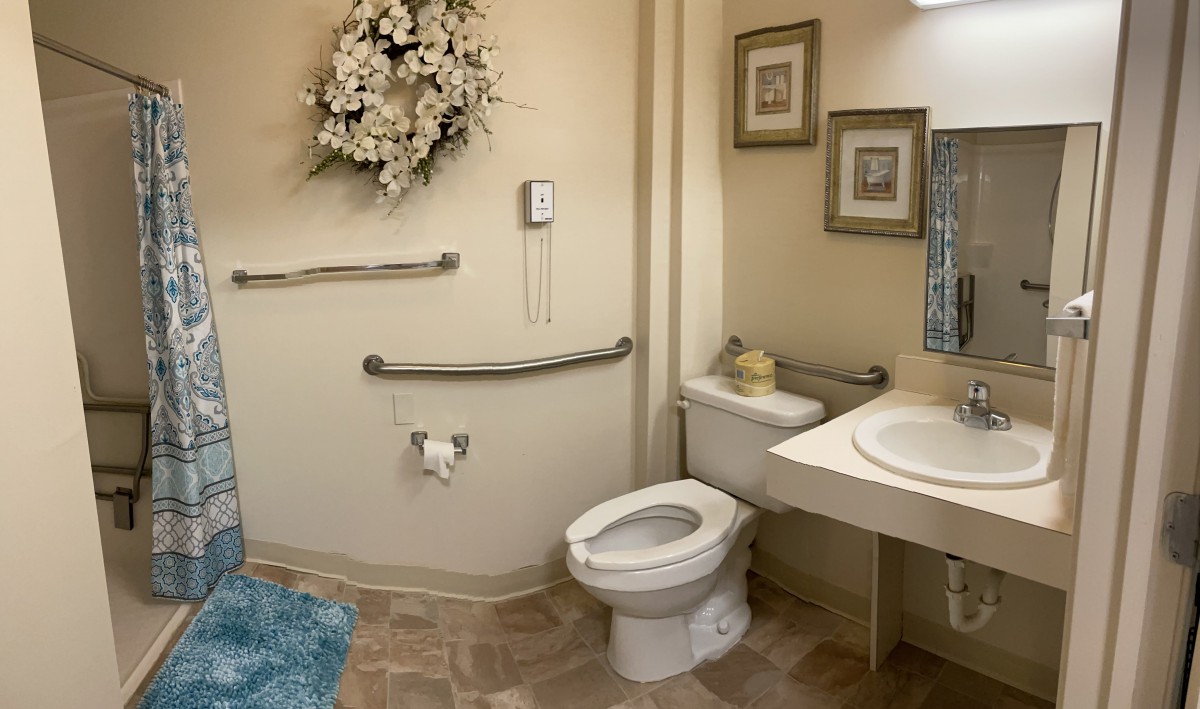
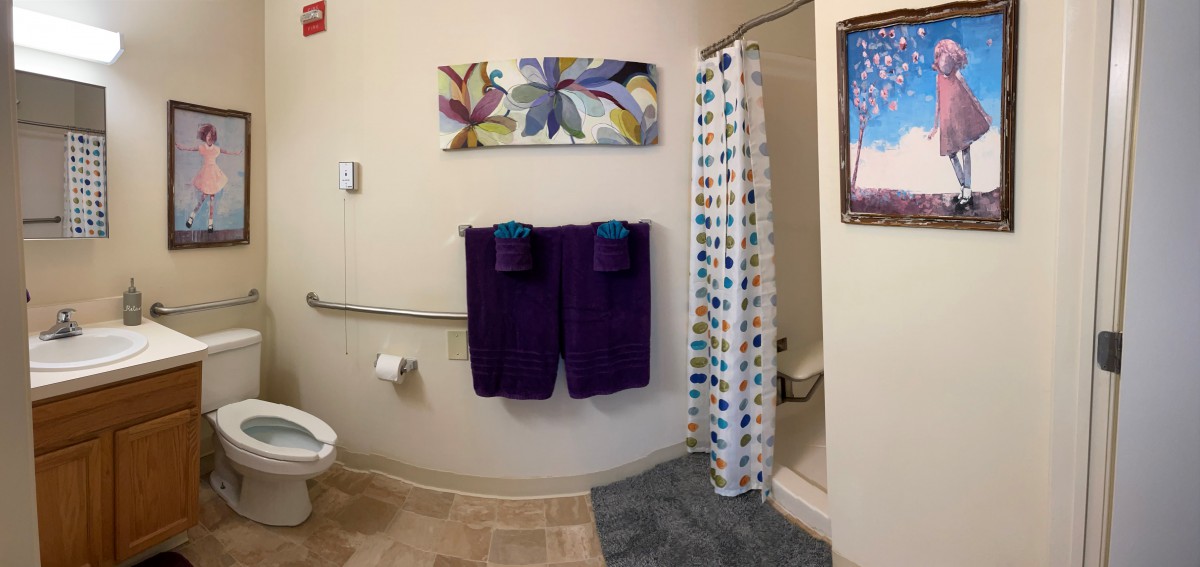
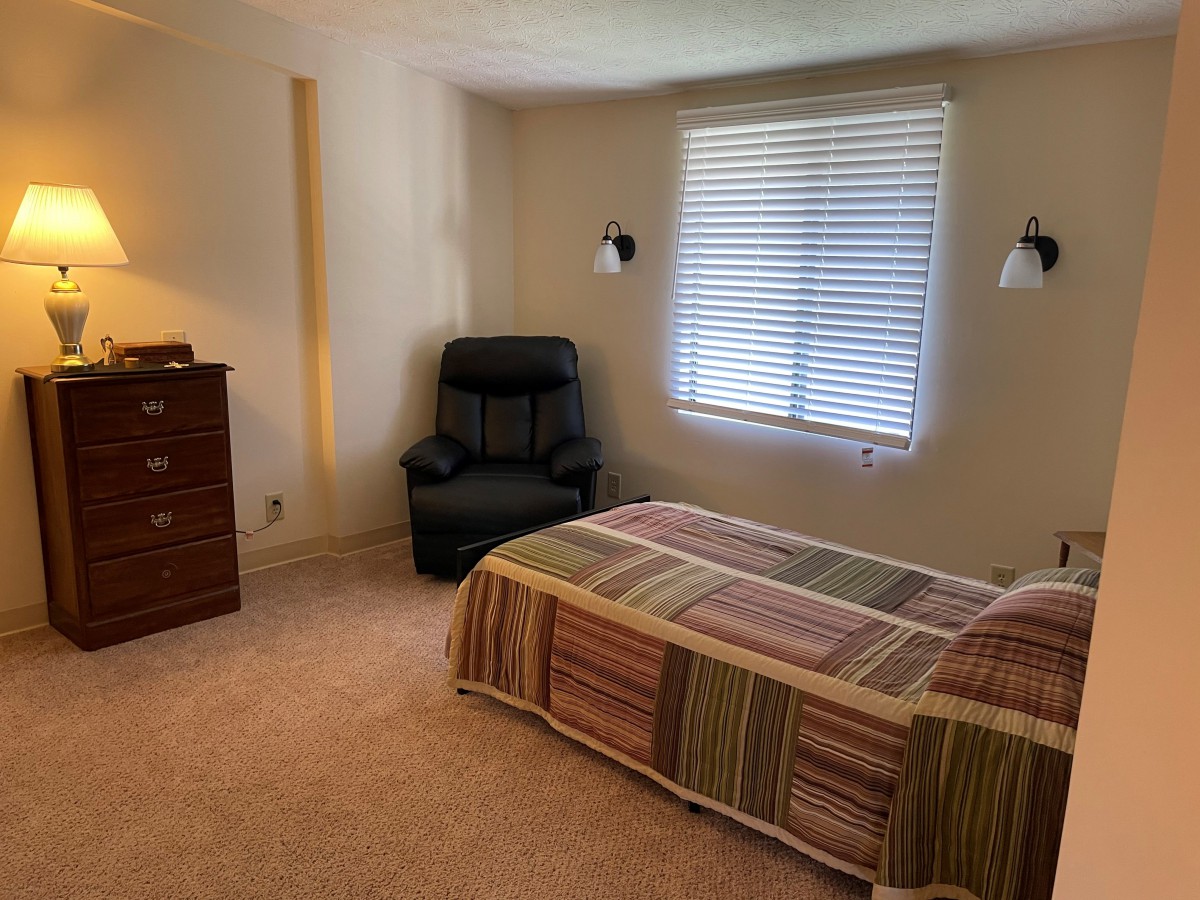
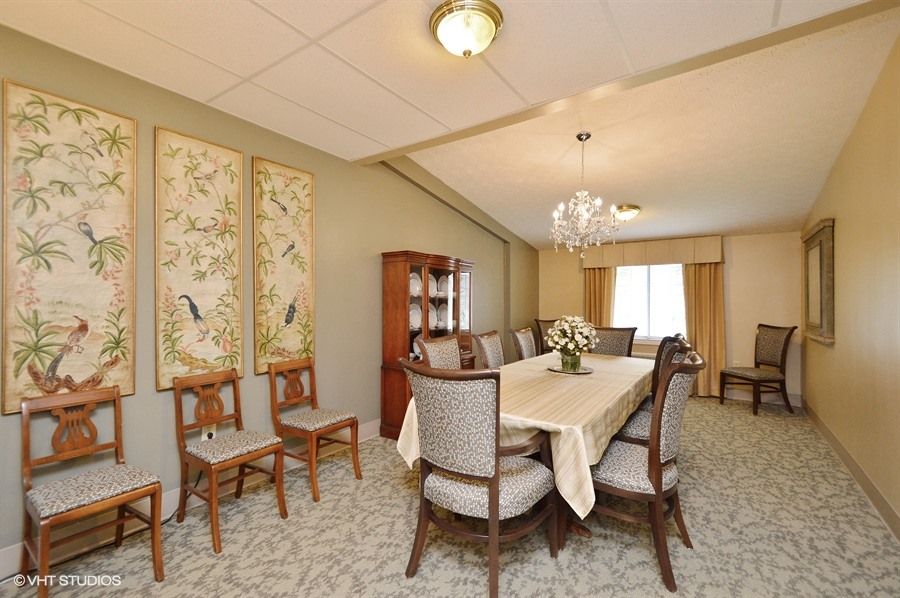
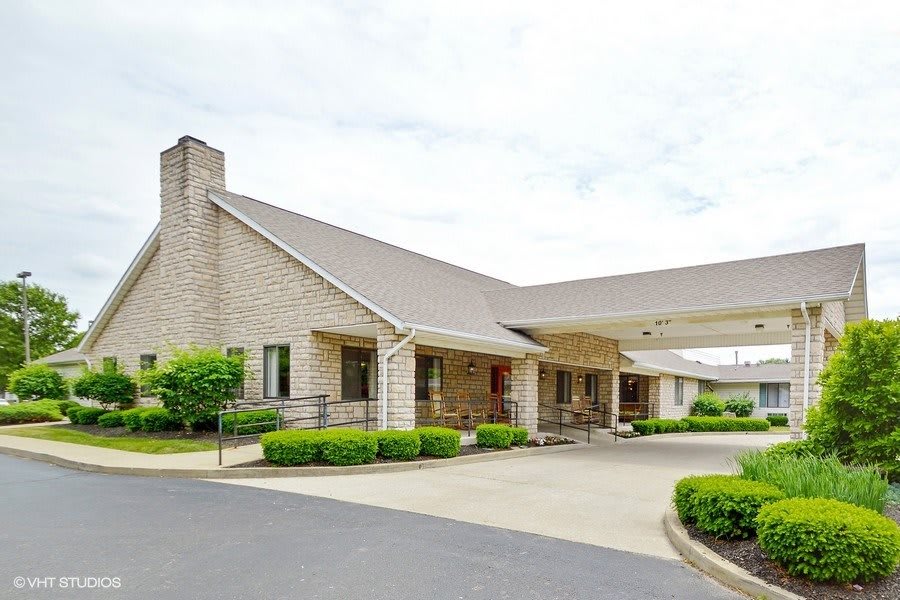
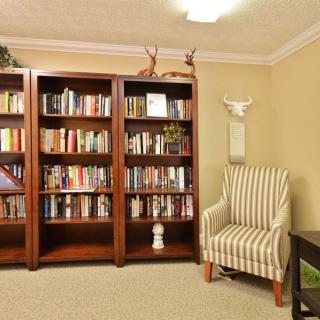
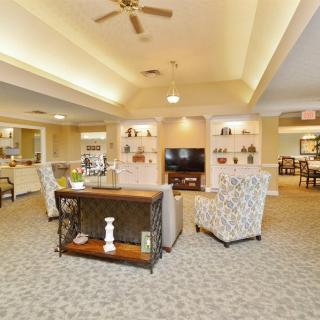
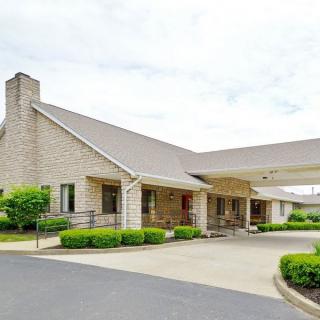
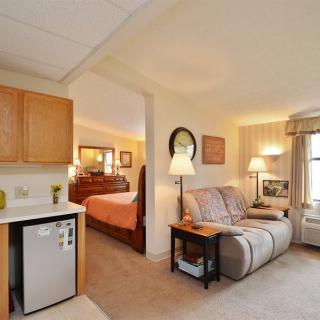
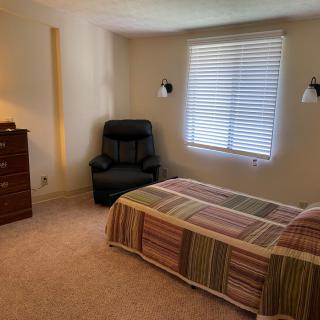
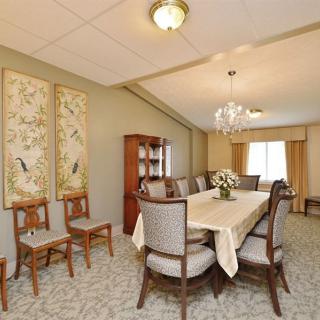
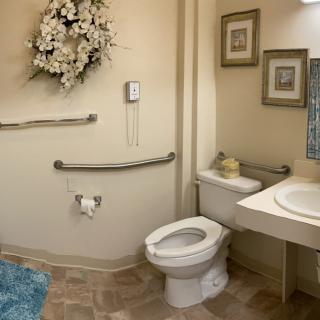
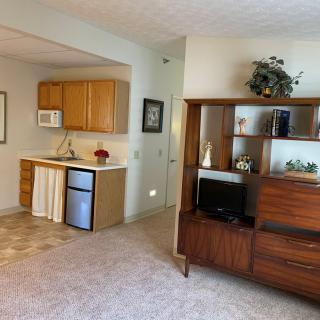
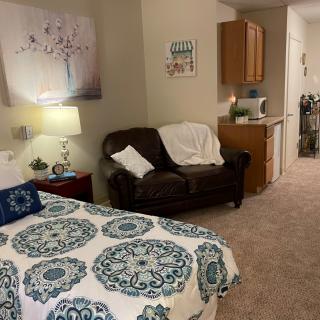
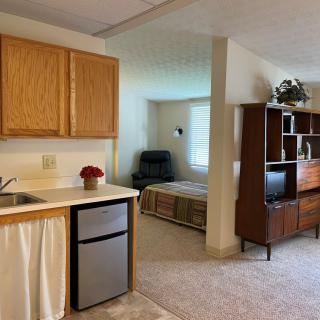
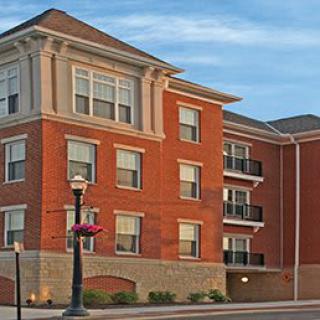
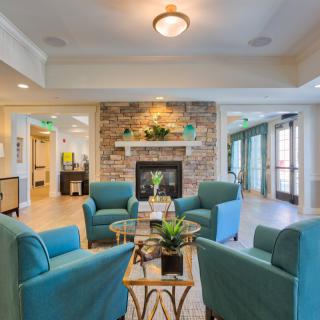
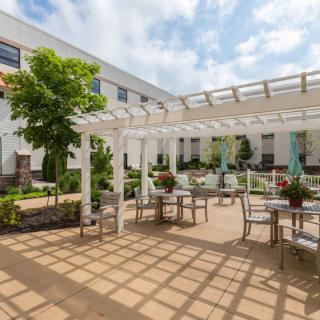
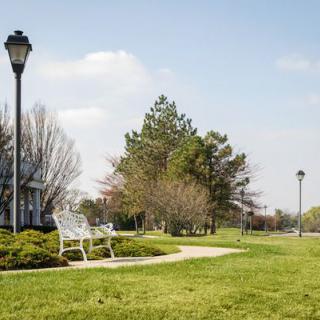
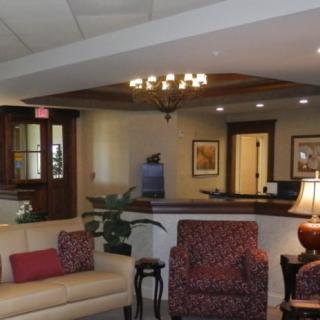
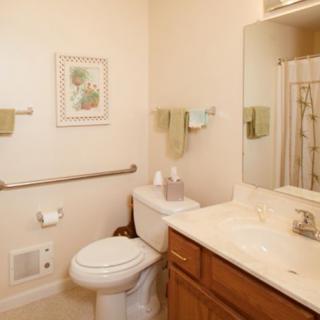
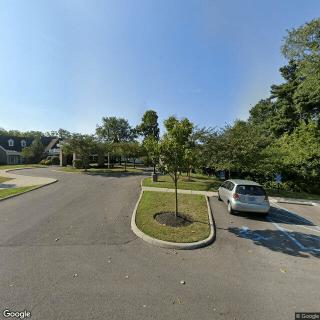
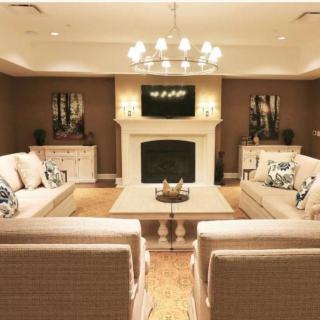
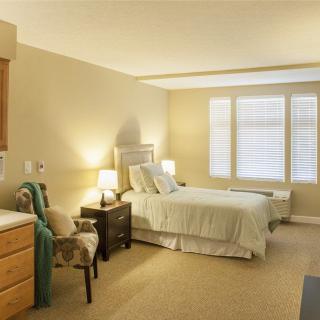
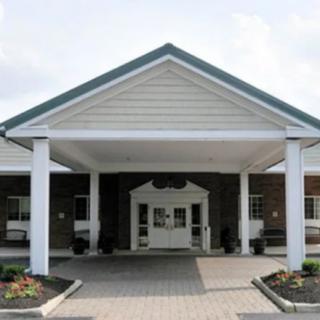
The Woodlands Of Columbus on seniors.fyi includes 19 photos including images showing interior, decor, living room, bedroom, dining, bathroom, floor plan, television, and more.
Nearby Communities
Arbors Health Care Co
Columbus, OH
1.6 from 5 reviews
Excellent access to healthcare and nearby amenities.
Mother Angeline Mccrory Manor
Columbus, OH
3.8 from 79 reviews
Caring, attentive staff with effective therapies and appealing dining.
The Villas At Saint Therese
Columbus, OH
4 from 6 reviews
Comprehensive 24-hour care with restaurant-style dining.
The Villas At Saintrese
Columbus, OH
4 from 6 reviews
$3,000 / month
Competitive studio price with independent living and diabetic care.
Cherry Blossom Senior Living
Columbus, OH
4.2 from 87 reviews
$4,970 to $6,645 / month
Luxurious apartment-style rooms with restaurant-style dining and extensive on-site amenities.
The Ashford on Broad
Columbus, OH
4.1 from 81 reviews
$3,350 to $4,375 / month
Attractive, spacious apartments with balconies; excellent dining and a welcoming, caring atmosphere.
Majestic Care Of Whitehall
Whitehall, OH
2.9 from 52 reviews
Extensive amenities with 24/7 supervision and nursing support.
Homestead Village Columbus
Blacklick, OH
4.3 from 21 reviews
Prime location with abundant nearby dining, parks, and healthcare.
"Memory Care Pathways: A Holistic Guide to Dementia Support" outlines the complexities of dementia and its various types, emphasizing early detection, patient-centered care strategies, caregiver support, and long-term care options while addressing legal and financial considerations to enhance the quality of life for individuals with dementia and their families.
Sundown syndrome, or sundowning, is a phenomenon in dementia patients characterized by increased confusion and agitation during late afternoon and evening, influenced by factors like disrupted circadian rhythms and fatigue. Effective caregiver strategies include establishing routines and managing environmental light while addressing caregiver stress through support services.
Delirium is a rapidly onset, reversible cognitive disturbance often caused by acute medical issues, while dementia is a gradual and irreversible decline due to chronic neurodegenerative diseases. Accurate differentiation between the two is essential for appropriate treatment and management in older adults.
Get PricingAsk A QuestionSchedule A TourContact Senior Advisor
By clicking submit, you agree to our Partner's Terms of Use. You
also consent to receive calls and texts, which may be autodialed, from our Partner. Your consent is not a condition to
using our Partner's service. Please visit our Partner's Privacy Policy for information about their privacy practices.

 127 resident community capacity
 1-bedroom apartments
 Assisted Living
 Memory Care
 Cats allowed
 Dogs allowed
 Activities off-site
 Air-conditioning
 Beautician on-site
 Cable or satellite TV
 Computer center
 Devotional services on-site
 Dining room
 Fitness room
 Fully furnished
 Gaming room
 Garden
 Housekeeping services
 Indoor common areas
 Kitchenette
 Laundry
 Move-in coordination
 Outdoor common areas
 Party space
 Private bathrooms
 Restaurant-style dining
 Small library
 Telephone
 Wellness center
 Wheelchair accessible showers
 Wi-Fi/high-speed internet available
 John Glenn Columbus International Airport (2 miles away)
 Community operated transportation
 12-16 hour nursing
 24-hour call system
 Ambulatory care
 Assistance with bathing
 Assistance with dressing
 Assistance with transfers
 Diabetes diet
 Diabetic care
 Incontinence care
 Medication management
 Mental wellness program
 Special dietary restrictions
 Walking wheelchair assistance
 Concierge services
 Cooking classes
 Day trips and outings
 Educational speakers / life long learning
 Karaoke
 Live dance or theater performances
 Live musical performances
 Trivia games
 English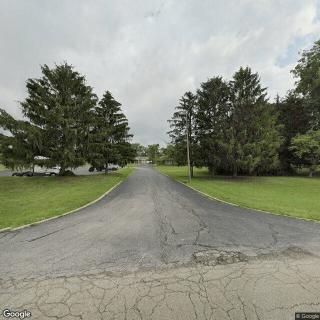
 Excellent access to healthcare and nearby amenities.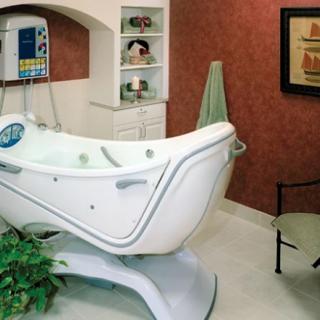

 Memory Care Pathways: A Holistic Guide to Dementia Support
 Comprehending Evening Confusion in Dementia: Causes, Manifestations, and Support
 Delirium and Dementia: Unraveling the Key Differences