

The Villas At Saint Therese

Save

The Villas At Saint Therese

25 Noe Bixby Road, Columbus, OH 43213

For more information about senior living options: (844) 490-3973

4 from 6 reviews
5 stars
3
4 stars
2
3 stars
0
2 stars
0
1 stars
1

Assisted Living Skilled Nursing Facility

Overall Review of The Villas At Saint Therese

Pros

  • pro They describe the community as caring, high-value, safe, and vibrant, where their mother thrives.
  • pro They say the residents and staff are amazing.
  • pro They note that they cannot recommend it enough.
  • pro They call it the best kept secret in Columbus for senior living.
  • pro They enjoy sitting by the waterfall, viewing it as a highlight of the place.
  • pro They identify it as a Senior Independent Living Center and say it is highly recommended across the board.

Cons

  • pro The place is all about appearance and money.
  • pro The staff could care less about the residents.
  • pro The staff do nothing for residents except raise rent without improvements or entertainment.
  • pro The place is a joke.
  • pro Real residents claim they are all looking to move.

Review

In Columbus, a Senior Independent Living Center draws a spectrum of impressions from those who visit or live there. On the glowing side, a resident's family member is described as thriving in a place that blends care with value, safety, and vibrancy. The message is clear: the environment is not only comfortable but meaningful, with a sense of community that makes everyday life feel purposeful. The closure of these praise-filled notes is equally emphatic: this place is "the best kept secret" in Columbus for senior living, a description that hints at a special, perhaps under-recognized, gem where residents and staff alike are said to be amazing. The overall tone is one of wholehearted endorsement and personal satisfaction, suggesting that for some families, this facility hits the mark on quality of life and peace of mind.

In a separate testament, the same facility is framed as a home where a loved one truly thrives. The emphasis is on care that goes beyond the basics, highlighted by terms like "caring," "high-value," "safe," and "vibrant." The narrative centers on the residents and staff, whose warmth and dedication are repeatedly cited as standout features. The caller's love for the place is practical as well as emotional: it's not just about amenities, but about a supportive network that helps a family feel confident and grateful. The sentiment is almost celebratory, a clear statement that for at least one family, this living community is more than a place to live - it's a thriving home.

Yet the conversation around this center is not monolithic. A strongly negative perspective enters the picture with unabashed candor: "It's all about appearance & $$$." In this account, the care of residents comes across as secondary to appearances and financial decisions. The critique charges the staff with indifference toward residents, painting a picture of a facility that prioritizes rent increases over tangible improvements or meaningful entertainment. The language is blunt and unequivocal: "This place is a joke." The correspondent urges readers to talk to the real residents, implying that the surface impressions may obscure more troubling dynamics experienced by those who actually live there. The view is that residents themselves are looking to move, suggesting dissatisfaction that goes beyond isolated incidents and into a broader pattern.

The negative assessment pushes a specific grievance: rent goes up without corresponding enhancements in services or activities. The claim is not merely about cost but about value - a perceived mismatch between what is paid and what is delivered in terms of improvements or engagement opportunities. The language conveys a sense of frustration and disappointment, as if the facility has exploited its residents' hopes for a dignified, comfortable life without delivering the reassurance or enrichment that should accompany higher fees. In this account, the outward presentation - appearance and price - mocks the reality of daily life for residents who may feel overlooked or underserved.

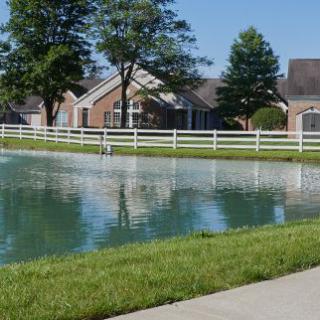
Despite the stark contrast, there is a small but clear touch of warmth that repeats across the notes: a tranquil moment that some residents or visitors treasure. One voice notes, "I love to go sit out there and look @ the waterfall." That detail evokes a sensory, almost tranquil aspect of the place - a feature that transcends the quarrels over policy and pricing and offers a personal refuge for reflection, relaxation, or simply a moment of beauty amid daily routines. It's a reminder that there can be genuine, tangible pleasures in a senior living setting, even when other concerns about care and cost are debated.

The collection of testimonials closes with an emphatic stamp of endorsement: "Senior Independent Living Center! Highly-Recommended/Across the Board!" That closing flourish signals that, for some observers, the center deserves broad acclaim and trust. It stands in contrast to the more strident criticisms, underscoring again that perceptions of senior living communities can vary dramatically depending on personal experiences, expectations, and moments of contact with staff and residents. The repetition of the "highly-recommended" sentiment reinforces the idea that, for certain families and people, this center remains a compelling option worth serious consideration.

Taken together, these notes showcase a facility that can feel like two different places depending on who you ask. On the one hand, a thriving, caring environment is celebrated as a strong fit for families seeking safety, vibrancy, and meaningful interaction with both residents and staff. On the other hand, a harsher critique challenges the primacy of appearances and price, raising questions about whether resident needs and genuine engagement are being prioritized. The truth likely resides somewhere in between, shaped by individual experiences, specific staff dynamics, and how well the center aligns with a family's values and expectations for senior living.

If you're evaluating this center, these perspectives offer important, contrasting lenses through which to view it. They suggest that it's wise to talk directly with residents and family members, assess the actual programming and care routines, and personally visit to observe how staff interact with residents and how the facility feels on a typical day. The juxtaposition of praise and critique serves as a reminder that senior living choices hinge on nuanced lived experiences - qualities of care, the ambiance of the surroundings, and the perceived value of the services offered all playing their parts in shaping a family's sense of safety, happiness, and belonging.

Features

Housing

  • 50 resident community capacity 50 resident community capacity

Types of Care

  • Assisted Living Assisted LivingAssisted living facilities provide crucial support and care for seniors who may need help with daily tasks such as medication management, bathing, and meal preparation. These communities offer a safe and comfortable environment where seniors can maintain their independence while receiving the assistance they need to thrive in their golden years.
  • Skilled Nursing Facility Skilled Nursing FacilitySkilled Nursing Facilities are crucial for seniors as they provide round-the-clock medical care, rehabilitation services, and assistance with daily activities. These facilities ensure that seniors receive the specialized care they need to maintain their health and well-being as they age.

Amenities

  • Beauty salon Beauty salonBeauty salons are important for seniors because they provide a space for them to feel pampered, socialize, and maintain their personal grooming and hygiene. Regular visits to a beauty salon can help boost seniors' self-esteem and overall well-being.
  • Cable or satellite TV Cable or satellite TVCable or satellite TV is important for seniors because it provides entertainment, news, and companionship, helping to combat loneliness and boredom. It also offers a wide range of programming options tailored to different interests and preferences.
  • Dining room Dining roomDining rooms are important for seniors as they provide a space for socialization, connection, and nutritious meals. They offer opportunities for residents to bond over shared meals, foster a sense of community, and promote healthy eating habits. Dining rooms also ensure that seniors have access to well-balanced meals tailored to their dietary needs and preferences.
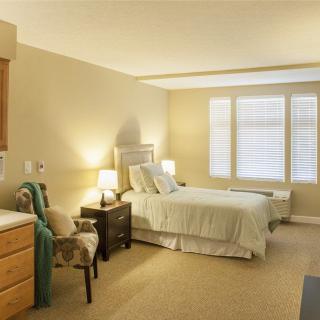
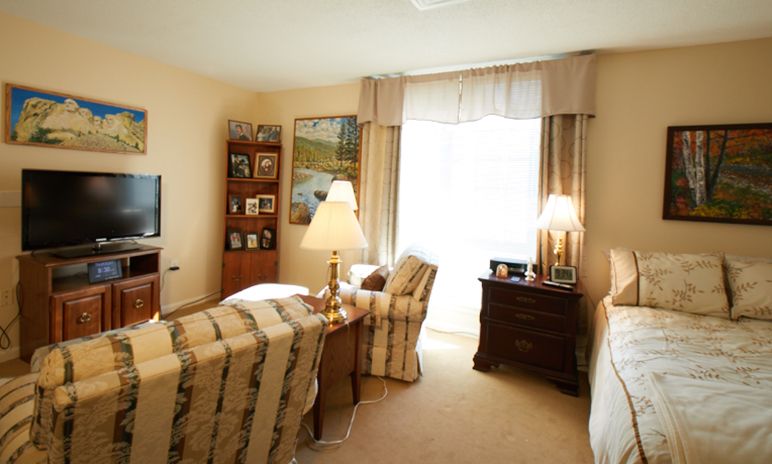
  • Fully furnished Fully furnishedFully furnished senior living communities are important for seniors because they provide convenience, comfort, and a hassle-free moving experience. Seniors can easily settle into their new living space without the stress of having to buy and move furniture. This allows them to focus on enjoying their new home and community.
  • Garden GardenGardens are important for seniors as they provide a peaceful and therapeutic environment for relaxation, physical activity, and socialization. Being in nature has been shown to reduce stress, improve mood, and promote overall well-being. Gardens also offer opportunities for seniors to engage in gardening activities, which can improve mobility, flexibility, and cognitive function. Additionally, gardens create a sense of community and connection with others who share a passion for plants and outdoor spaces.
  • Housekeeping services Housekeeping servicesHousekeeping services are important for seniors because they help maintain a clean and safe living environment, promote independence, and reduce the risk of accidents or illnesses. Additionally, having assistance with household chores can alleviate physical strain and allow seniors to focus on other aspects of their well-being.
  • Kitchenette KitchenetteKitchenettes are important for seniors living in senior living communities because they provide the convenience and independence of being able to prepare simple meals and snacks in the comfort of their own living space. This can help promote a sense of autonomy and well-being for seniors, allowing them to maintain some level of control over their dietary choices and daily routines.
  • Move-in coordination Move-in coordinationMove-in coordination is important for seniors because it helps ease the transition into their new living environment. It ensures that all logistics, such as packing, organizing movers, and setting up utilities are taken care of, allowing seniors to focus on settling in and adjusting to their new home. Having a smooth move-in process can alleviate stress and anxiety, making the transition smoother and more enjoyable for seniors.
  • Outdoor space Outdoor spaceOutdoor spaces are important for seniors as they provide opportunities for physical activity, social interaction, exposure to natural light and fresh air, and a sense of connection to nature. Having access to outdoor spaces can improve overall well-being and quality of life for older adults living in senior communities.
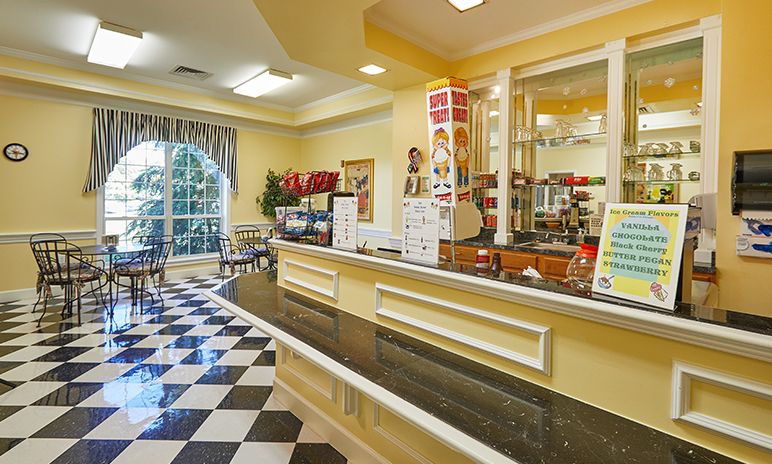
  • Restaurant-style dining Restaurant-style diningRestaurant-style dining is important for seniors because it allows them to enjoy delicious, nutritious meals in a social and upscale setting. This enhances their dining experience, promotes healthy eating habits, and fosters socialization with fellow residents, ultimately contributing to their overall well-being and quality of life.
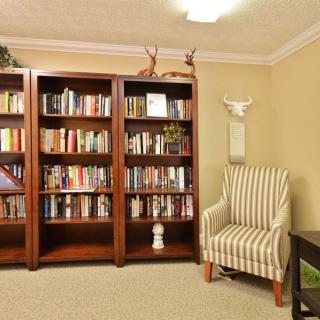
  • Small library Small librarySmall libraries are important for seniors as they provide access to a variety of reading materials, including books, newspapers, and magazines. This can help stimulate their minds, keep them engaged, and provide a sense of community through book clubs and other social activities. Additionally, reading has been shown to improve cognitive function and overall mental well-being in older adults.
  • Telephone TelephoneTelephones are important for seniors as they provide a lifeline for communication with loved ones, emergency services, and healthcare providers. They offer a sense of security and independence, enabling seniors to stay connected and access assistance when needed.
  • Wi-Fi/high-speed internet available Wi-Fi/high-speed internet availableWi-Fi/high-speed internet is important for seniors to stay connected with loved ones, access online resources, and participate in virtual activities to combat feelings of loneliness and isolation. It also allows them to easily manage healthcare needs, access entertainment, and engage in lifelong learning opportunities.

Transportation

  • John Glenn Columbus International Airport (2 miles away) John Glenn Columbus International Airport (2 miles away)

Care Services

  • 24-hour call system 24-hour call system24-hour call systems are important for seniors because they provide peace of mind and immediate assistance in case of emergencies. This technology ensures that help is always available, promoting safety and security for elderly individuals living alone or in assisted living facilities.
  • 24-hour supervision 24-hour supervision24-hour supervision is important for seniors to ensure their safety, well-being, and access to immediate assistance in case of emergencies or health issues. This constant support provides peace of mind for both seniors and their loved ones, allowing them to age in place with dignity and security.
  • Activities of daily living assistance Activities of daily living assistanceActivities of daily living assistance are important for seniors because they provide essential support with tasks such as eating, bathing, dressing, and mobility. This assistance helps seniors maintain their independence, dignity, and overall quality of life as they age.
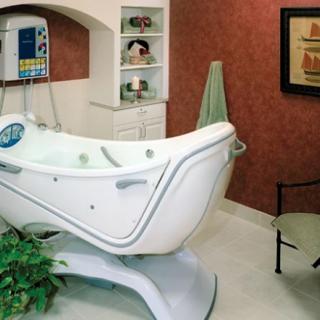
  • Assistance with bathing Assistance with bathingAssistance with bathing is crucial for seniors as it helps maintain personal hygiene, prevents infections, and ensures their overall well-being and comfort. It also provides a sense of dignity and independence for seniors who may struggle with this task on their own.
  • Assistance with dressing Assistance with dressingAssistance with dressing is important for seniors because it helps maintain their independence, promotes personal hygiene, prevents accidents and injuries, and improves overall quality of life. This service ensures that seniors can continue to dress comfortably and confidently, despite any physical limitations they may have.
  • Assistance with transfers Assistance with transfersAssistance with transfers is crucial for seniors as it helps prevent falls and injuries, maintains their independence, and ensures they can safely navigate their living environment. It also provides peace of mind for both seniors and their loved ones.
  • Diabetes diet Diabetes dietA diabetes diet is crucial for seniors as it helps manage blood sugar levels, reduce risks of complications, and improve overall health and well-being. By following a balanced and nutritious diet tailored to their specific needs, seniors can better control their diabetes and enhance their quality of life.
  • Meal preparation and service Meal preparation and serviceMeal preparation and service are crucial for seniors as they may have limited mobility or energy to cook nutritious meals. Having access to healthy and convenient food options can ensure they are getting the proper nutrition needed to maintain their overall health and well-being.
  • Medication management Medication managementMedication management is crucial for seniors to ensure they are taking the right medications at the correct dosages and times. This helps prevent adverse drug interactions, reduces the risk of medication errors, and promotes overall health and well-being. Proactive management also allows for adjustments as needed based on changing health conditions or new prescriptions.
  • Mental wellness program Mental wellness programMental wellness programs are essential for seniors as they promote cognitive stimulation, emotional support, and social engagement. These programs help prevent isolation, depression, and cognitive decline, ultimately enhancing the overall quality of life for older adults.
  • Special dietary restrictions Special dietary restrictionsSpecial dietary restrictions are important for seniors because age-related changes in metabolism and health conditions can make it difficult for their bodies to process certain foods. By following a diet tailored to their specific needs, seniors can maintain their overall health and well-being, manage chronic conditions, and reduce the risk of complications such as malnutrition or food interactions with medications.
Dining

  • Diabetes diet Diabetes dietA diabetes diet is crucial for seniors as it helps manage blood sugar levels, reduce risks of complications, and improve overall health and well-being. By following a balanced and nutritious diet tailored to their specific needs, seniors can better control their diabetes and enhance their quality of life.
  • Special dietary restrictions Special dietary restrictionsSpecial dietary restrictions are important for seniors because age-related changes in metabolism and health conditions can make it difficult for their bodies to process certain foods. By following a diet tailored to their specific needs, seniors can maintain their overall health and well-being, manage chronic conditions, and reduce the risk of complications such as malnutrition or food interactions with medications.

Activities

  • Community-sponsored activities Community-sponsored activitiesCommunity-sponsored activities are important for seniors as they provide opportunities for social interaction, mental stimulation, and physical activity. These activities can help improve overall well-being, combat loneliness and isolation, and promote a sense of belonging and purpose among older adults.
  • Resident-run activities Resident-run activitiesResident-run activities are important for seniors as they encourage social interaction, creativity, and a sense of autonomy. These activities empower seniors to stay engaged and active in their community while fostering meaningful connections with their peers.
  • Scheduled daily activities Scheduled daily activitiesScheduled daily activities are important for seniors because they provide structure, socialization, mental stimulation, and physical activity. Engaging in regular activities can improve overall well-being and quality of life for seniors living in a community setting.

Description

The Villas At Saint Therese in Columbus, OH is a skilled nursing facility that provides top-quality care services for seniors in need of assistance with activities of daily living. Our community offers a range of amenities to ensure the comfort and convenience of our residents. Each villa is fully furnished and equipped with cable or satellite TV, telephone services, and Wi-Fi/high-speed internet access.

Meals at The Villas At Saint Therese are served in a restaurant-style dining room, where residents can enjoy delicious and nutritious dishes prepared by our skilled chefs. Special dietary restrictions are accommodated to ensure that each resident's specific needs are met. In addition to the dining options, there is also a small library where residents can relax and read.

We understand the importance of maintaining an active and engaging lifestyle, which is why we offer a variety of activities for our residents. These include scheduled daily activities as well as resident-run activities, allowing individuals to pursue their interests and passions. Our mental wellness program focuses on promoting emotional well-being through therapeutic interventions.

The safety and security of our residents is paramount, which is why we provide 24-hour supervision and assistance with bathing, dressing, and transfers. Our dedicated staff also ensures that medication management is handled efficiently.

Located in close proximity to several cafes, parks, pharmacies, physicians' offices, restaurants, transportation options, places of worship, and hospitals; The Villas At Saint Therese offers convenience for both residents and their families alike.

At The Villas At Saint Therese in Columbus, OH, we strive to create a warm and welcoming environment where seniors can receive high-quality care while enjoying the comforts of home.

Nearby Places of Interest

Hospitals

  • Mount Carmel East (0.9 miles)
  • Ohio State University Hospital East (5.5 miles)

Parks

  • John Bishop Memorial Park (0.9 miles)
  • Civic Park (2.2 miles)
  • Huber Park (3.3 miles)
  • Blacklick Woods Metro Park (3.4 miles)

Physicians

  • Orthopedic One (1.1 miles)
  • Taylor Station Surgical Center (1.1 miles)
  • Retina Group (1.3 miles)
  • Grant Family Medicine/Eastside Surgery Center (1.4 miles)
  • Us Healthworks (1.5 miles)
  • Ohio ENT & Allergy Physicians (1.6 miles)
  • East Columbus Oral Surgery Specialists (1.7 miles)

Cafes

  • Starbucks (1.4 miles)
  • Starbucks (2 miles)
  • Starbucks (4.1 miles)
  • Starbucks (4.1 miles)
  • Starbucks (4.5 miles)
  • Northstar Cafe (5.9 miles)

Pharmacies

  • CVS Pharmacy (1.6 miles)
  • Walgreens (1.6 miles)
  • Sermonix Pharmaceuticals (1.8 miles)
  • Cross Point Pharmacy (1.9 miles)
  • Kroger Pharmacy (2.4 miles)
  • CVS Pharmacy (2.5 miles)
  • CVS Pharmacy (3.2 miles)

Transportation

  • Concourse B (2 miles)
  • TSA Pre-Check B (2 miles)
  • TSA Security Checkpoint B (2 miles)
  • TSA Security Checkpoint A (2 miles)
  • CMH Passenger Drop-off / Pick-up (2.1 miles)
  • John Glenn Columbus International Airport (CMH) (2.2 miles)
  • Concourse C (2.2 miles)

Restaurants

  • Eddie George's Grille (2 miles)
  • White Castle (2 miles)
  • Chili's Too (2 miles)
  • Kindred Artisan Ales (2.2 miles)
  • Taco Bell (2.2 miles)
  • McDonald's (2.3 miles)
  • McDonald's (2.5 miles)

Places of Worship

  • The Cross Walk Church (2.2 miles)
  • Macedonian Orthodox Cathedral (2.9 miles)
  • St Catharine Church (3.5 miles)
  • St Pius X School (3.6 miles)
  • Faith Ministries Church (5.5 miles)
  • Grace Fellowship (5.6 miles)

Theaters

  • Pickerington Cinema Pickerington, Oh (5.2 miles)
  • Dreamscape at AMC Easton Town Center (6 miles)

Frequently Asked Questions

Where is The Villas At Saint Therese?
What photos are available for The Villas At Saint Therese in Columbus, Ohio?

Nearby Communities

Related Resources

  • when to move from assisted living to memory careWhen to Transition from Assisted Living to Memory Care: Key Indicators, Steps, and Finding the Right Community

    Transitioning from assisted living to memory care is driven by an individual's cognitive decline and specific needs, requiring careful evaluation of indicators like increased confusion and wandering. The process involves consulting medical professionals, researching suitable communities, considering financial and legal aspects, and ensuring effective communication for personalized care plans.

  • assisted living vs memory careAssisted Living and Memory Care: Understanding Their Core Differences

    Assisted living provides moderate support for seniors seeking independence, while memory care offers specialized support for individuals with dementia or cognitive impairments through structured routines and trained staff. Key differences include care approaches, environment security measures, staff training levels, activity types, and cost considerations.

  • assisted living activitiesBeyond the Bingo Hall: 50+ Enriching Activities for Seniors in Assisted Living

    Assisted living communities offer diverse activities beyond traditional games to enhance seniors' physical health, cognitive well-being, emotional enrichment, and social connections, including fitness classes, creative expression, and intergenerational interactions. These enriching programs foster community bonds and support residents' independence and happiness.