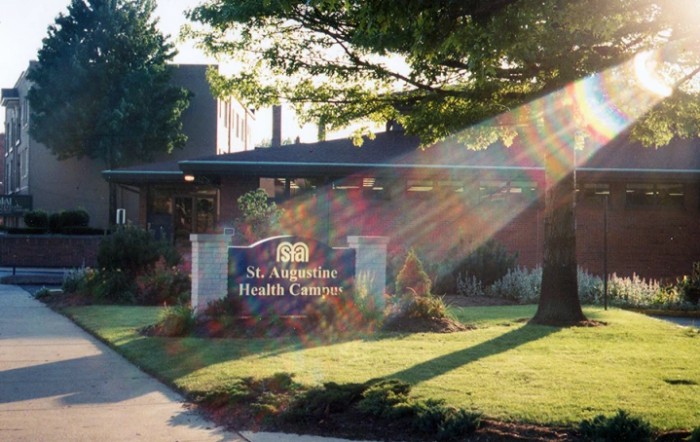
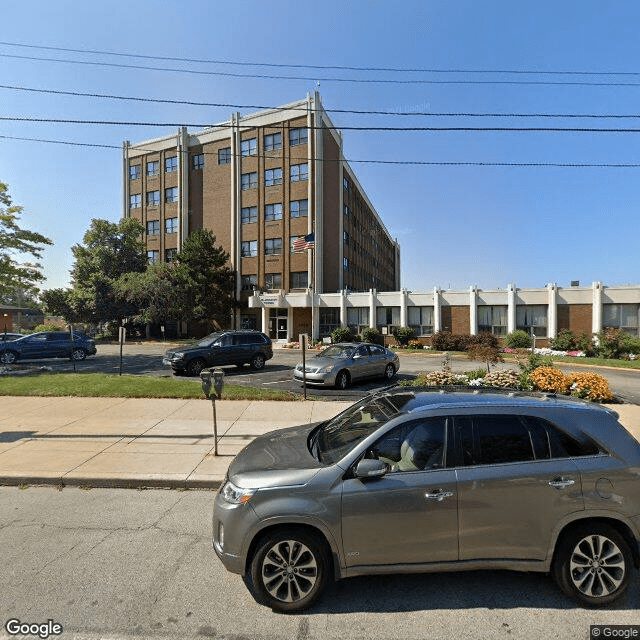
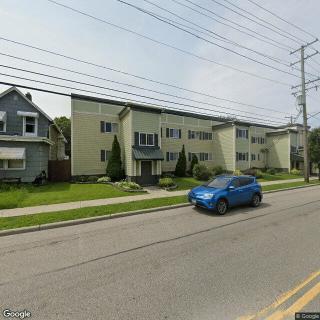
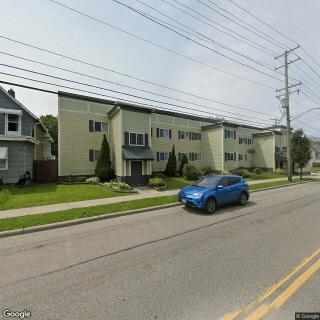
7821 Lake Avenue, Cleveland, OH 44102
For more information about senior living options: (866) 208-4318
St Augustine Health Campus Costs & Pricing
St. Augustine Health Campus offers remarkably competitive pricing compared to the broader market in Cuyahoga County and the state of Ohio. For instance, a studio apartment at St. Augustine is priced at $785 per month, which is significantly lower than the county average of $3,632 and the state average of $3,727. Similarly, their one-bedroom units are available for $1,573, much more affordable than Cuyahoga County's rate of $3,410 and Ohio's $3,712. Even the two-bedroom options at St. Augustine are attractively priced at $2,317, compared to county and state averages of $3,458 and $3,501 respectively. These cost advantages make St. Augustine an appealing choice for those seeking quality living accommodations without compromising on financial stability.
| Floor plans | St Augustine Health Campus | Cuyahoga County | Ohio |
|---|---|---|---|
| Studio | $785 | $3,632 | $3,727 |
| 1 Bedroom | $1,573 | $3,410 | $3,712 |
| 2 Bedrooms | $2,317 | $3,458 | $3,501 |
Skilled Nursing Facilities with a similar price nearby
-
About the same
East Park Retirement Community
$800 to $2,950 / month7.1 miles away -
About the same
North Park Senior Living
$775 to $3,150 / month6.8 miles away
Overall Review of St Augustine Health Campus
Pros
 St. Augustine Towers is very nice.
- The studio apartment is really nice.
- There are many activities, including gardening and field trips, and a choir.
- The staff member during the tour is very good, very sweet, and very knowledgeable.
- Wheelchair accessibility is available.
Cons
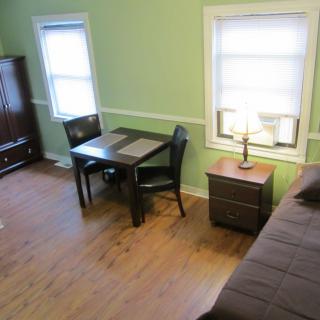
 The studio apartment was so small that residents would have to give up almost everything they own.
Review
St Augustine Health Campus is best suited for active seniors who prioritize a lively social calendar, accessible design, and hands-on programming over expansive living space. The emphasis on activities such as gardening, field trips, and choir suggests a community where daily engagement drives quality of life. The facility’s noted wheelchair accessibility reinforces its suitability for residents who require mobility support, and a courteous, knowledgeable tour staff signals that initial impressions and onboarding are handled with care. For someone who wants meaningful interaction and convenient access to social outlets within a compact footprint, this campus delivers a comforting, inclusive environment.
However, prospects should explicitly consider alternatives if a larger personal living area or more extensive private space matters. The most conspicuous drawback in the available feedback is the small studio setup described as so compact that residents may feel compelled to reorganize or minimize belongings to fit. This constraint can be a deal-breaker for those who value a true one-bedroom feel, guests, or roommates, or who simply want more breathing room for belongings and daily routines. Families should weigh whether the social opportunities can compensate for restricted square footage, especially for residents who prioritize privacy or plan to accumulate personal keepsakes.
The strongest positives, the robust activity lineup, active community life, and a welcoming, capable staff, tend to offset the primary shortcoming for the right resident. The word that repeatedly surfaces is “nice” paired with tangible programming: gardening, field trips, and choir create ongoing purpose and social connection, which are powerful contributors to well-being in later years. The accessibility of the facility supports independence for residents with mobility needs, reducing friction around getting to programs or meals. When staff are described as good, sweet, and knowledgeable, it reinforces confidence in everyday operations, care coordination, and the potential for smooth problem-solving during transitions or health changes.
This setting is not presented as a one-size-fits-all solution, and families should map out concrete questions before a move. Ask for floor plans or a tour of a one-bedroom option, if available, to assess whether storage and living space meet personal expectations. Inquire about dining arrangements, transportation for off-site activities, and how programming scales with seasonal changes or resident interest. It is also prudent to probe staffing levels during evenings and weekends and to verify what level of medical or restorative services are available on-site, especially for seniors who anticipate needing more hands-on care over time.
The data backing these impressions comes from a small sample, with a 3.7 out of 5 rating drawn from three reviews. That narrow feedback pool means results may reflect individual experiences rather than a broader pattern. Still, the consistency of praise for the staff attitude and the activity-rich environment is meaningful, and the caveat about space remains the most credible and actionable concern. Potential residents should treat the space issue as the primary litmus test and use it to guide a careful comparison with other communities that offer larger living suites and perhaps more comprehensive care offerings.
In the end, St Augustine Health Campus stands out as a practical choice for seniors who want an engaged, accessible living environment and can live comfortably within a tight footprint. For those who must have ample private square footage, a preference for larger apartment layouts, or a broader spectrum of on-site healthcare services, alternatives deserve serious consideration. A targeted tour should focus on apartment sizes, storage capacity, and the ability to customize living space, alongside a firsthand assessment of activity quality and staff rapport. If those elements align, this campus can be a dependable, rewarding home; if not, it’s wise to widen the search to options with bigger floor plans and expanded care options.
 110 resident community capacity
 Assisted Living
 Skilled Nursing Facility
 Cats allowed
 Dogs allowed
 Activities on-site
 Air-conditioning
 Beauty salon
 Cable or satellite TV
 Computer center
 Devotional services off-site
 Dining room
 Fitness room
 Fully furnished
 Gaming room
 Garden
 Housekeeping services
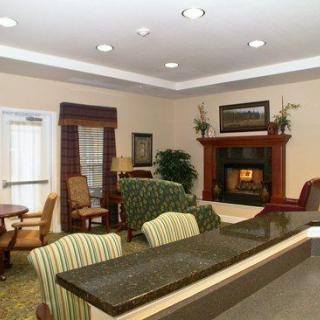
 Indoor common areas
 Kitchenette
 Move-in coordination
 Outdoor space
 Private bathrooms
 Restaurant-style dining
 Small library
 Telephone
 Wellness center
 Wi-Fi/high-speed internet available
 Cleveland-Hopkins International (8 miles away)
 Community operated transportation
 12-16 hour nursing
 24-hour call system
 Ambulatory care
 Assistance with bathing
 Assistance with dressing
 Assistance with transfers
 Diabetes diet
 Diabetic care
 Medication management
 Mental wellness program
 Special dietary restrictions
 Concierge services
 Planned day trips
 Social Security Benefits and Assisted Living: Navigating Options Across the U.S.
 An Extensive Exploration of the VA Aid and Attendance Benefit
 Senior Transition Services: Understanding Their Role, Cost, and Importance