
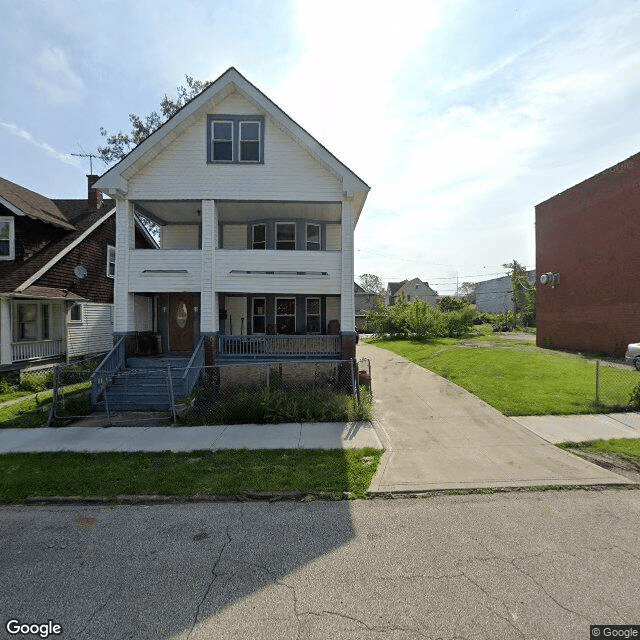
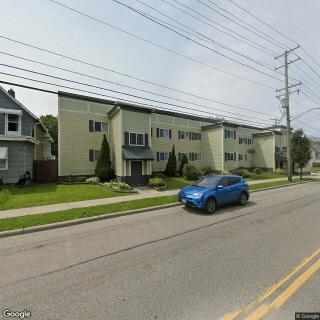
1363 West 87th Street, Cleveland, OH 44102
To contact a resident: (216) 961-3561
For more information about senior living options: (866) 208-4318
Overall Review of Mary's Adult Care
Pros
 Acacia Place is described as outstanding in every way, with a loving, home-like atmosphere.
 - The staff are praised for compassion, patience, and dedicated, personalized care.
- Families report a secure, nurturing environment where residents feel safe, belong, and experience joy.
- Daily activities and socialization—such as music, crafts, movies, and games—keep residents engaged and mentally stimulated.
- The center provides respite for caregivers, giving them time for appointments, errands, and rest while ensuring loved ones receive attentive care.
- Residents are observed to be more alert during the day and sleep better at night.
- Families would highly recommend Acacia Place, noting its clean, welcoming environment and the staff’s respectful, family-like treatment.
Review
Mary’s Adult Care in Cleveland is best suited for families navigating Alzheimer’s disease or other dementias who need dependable daytime support that feels like home. The reviews collectively paint a picture of a warm, secure setting where residents are greeted with friendliness, routine, and meaningful activity. Families repeatedly note that the staff are welcoming from day one, that meals and social interaction are central, and that the program offers real relief for caregivers who must carve out time for appointments, errands, or simply a quiet moment. When a loved one thrives on familiar routines, gentle stimulation, and steady supervision, this environment delivers with quiet confidence.
Those weighing Mary’s against alternatives should consider who might need a different level of care. For individuals without dementia or who require more intensive medical oversight or 24/7 supervision, a traditional assisted living or a memory-care setting with around-the-clock nursing support may be more appropriate. Additionally, several reviews hint at a broader population consideration: services like this are often structured as adult day centers focused on cognitive impairment and social engagement. For families seeking services for younger adults with waivers or non-dementia conditions, options can be scarce; in some cases, the younger demographic may find limited placement choices, making careful comparison essential.
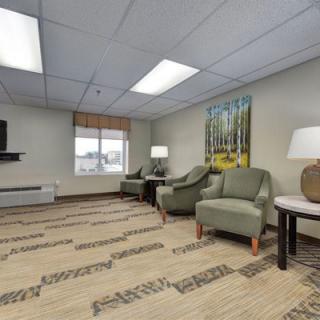
The strongest advantages center on staff quality, program design, and emotional safety. The director and team are consistently described as loving, patient, and “hand-picked,” with a palpable commitment to dignity and respect. Residents benefit from a home-like living room atmosphere, small-table meals to promote conversation, and a schedule rich in activities, music, crafts, movies, games, that challenge the mind while sustaining social ties. Medication and meal management are handled smoothly, and caregivers are kept informed and supported, which translates into quieter days for residents and much-needed breathing room for families. The net effect is a stabilization of mood and a sense of belonging that hard data rarely captures but families feel profoundly.
A primary caveat is that this model is a daytime memory-care-focused program rather than a full residential solution. For families seeking round-the-clock supervision, highly medicalized care, or housing integrated with ongoing nursing support, the program’s scope may fall short. Transportation arrangements and hours can also become a practical limiting factor for some households, depending on location and schedule needs. Yet none of these potential gaps undermine the core strength: an expertly run, emotionally attuned day program that makes dementia-related living more sustainable for both the person with memory loss and the people who care for them.
In practice, the positives tend to offset the limitations because the benefits extend beyond the resident to the caregiver. The most important offset is the relief of daily caregiving pressure, knowing a loved one is safe, engaged, and well cared for frees families to tend to medical appointments, finances, or rest. Reviews emphasize that placement often helps reduce daytime sleepiness and agitation, improves mood, and restores a sense of normalcy, outcomes that translate directly into better night sleep and a more balanced home life. The ability to keep a relative at home longer, with structured activities and social contact, is, for many families, the defining value.
The bottom line for Mary’s Adult Care is clear: for families prioritizing dementia-friendly daytime care that feels like home, this model stands out as exceptionally compelling. It is a strong fit where the objective is reliable supervision, social engagement, and caregiver relief within a warm, respectful setting. Prospective families should plan a visit with questions about daily routines, activity programming, staff qualifications, and how medical needs are managed during the day. Crucially, discuss transportation options, hours, and the plan for transitions if more intensive care becomes necessary. With thoughtful alignment, Mary’s Adult Care can offer a practical, emotionally reassuring bridge that sustains both loved ones and the households that support them.
 Board and Care Home
 Cleveland-Hopkins International (7 miles away)



 Home Health Care Demystified: A Comprehensive Guide for Families and Caregivers
 Seniors and Modern Transportation: Exploring Uber, Lyft, and Other Ride-Hailing Options
 Comprehensive Guide to Qualifying for Home Health Care Services