For more information about senior living options: (866) 208-4318
3.5 from 110 reviews
5 stars
62
4 stars
6
3 stars
3
2 stars
8
1 stars
31
Pleasantview Care Center and Legacy Place Costs & Pricing
At Pleasantview Care Center and Legacy Place, the monthly costs for care are notably lower than both Cuyahoga County and the broader state of Ohio. For a semi-private room, residents pay $2,175, which is significantly less than the county average of $3,582 and the state average of $3,965. Similarly, the price for a studio at these facilities stands at $3,150, demonstrating a competitive advantage over Cuyahoga County's rate of $3,632 and Ohio's average of $3,727. This pricing structure positions Pleasantview Care Center and Legacy Place as accessible options for individuals seeking quality care without compromising their financial stability.
Floor plans
Pleasantview Care Center and Legacy Place
Cuyahoga County
Ohio
Semi-Private
$2,175
$3,582
$3,965
Studio
$3,150
$3,632
$3,727
Memory care communities with a similar price nearby
from +$180 / mo
Vitalia Active Adult Community North Olmsted
4.9 from 118 reviews
$2,355 to $4,800 / month
10.3 miles away
from +$339 / mo
ARDEN COURTS CHAGRIN FALLS
4.9 from 40 reviews
$2,514 to $3,016 / month
20.1 miles away
from -$175 / mo
White Orchid Senior Adult Family Home
4.7 from 23 reviews
$2,000 to $3,000 / month
17.3 miles away
from -$370 / mo
Cardinal Court Transitional Assisted Living and Memory Care
Overall Review of Pleasantview Care Center and Legacy Place
caveat10 reviews mention this
Cleanliness is mixed and contested
Residents and visitors describe cleanliness issues alongside some very clean rooms.
Some reviews say the facility feels clean and well-maintained, which gave families peace of mind. Other reviews report strong urine odor, soiled linen, urine or feces in hallways and rooms, and dirty conditions that made visits uncomfortable. A few also mention cleanliness as part of what supports safety concerns during care.
common18 reviews mention this
Staff compassion shows up often
Many reviewers highlight caring, attentive staff who communicate and respond well.
A large share of reviews praise staff for being kind, professional, and willing to help, including front-desk and nursing staff. Several families describe peace of mind from the way caregivers treated their loved ones and answered questions. Some reviewers also mention administrators and directors of nursing being helpful during difficult situations.
caveat12 reviews mention this
Call bell response and staffing vary
Multiple reviews describe slow help when residents press call bells.
Some reviews say nursing staff were quick and helpful, including during rehabilitation stays. Others describe call buttons being unanswered for long periods, staff requiring families to go to the nursesā€™ station, and situations where basic needs seemed delayed. A recurring thread is staffing shortages that residents or families believe affected responsiveness.
caveat6 reviews mention this
Food quality draws strong reactions
Food is a frequent point of complaint, with some residents reporting meals as cold or unpleasant.
While a few reviews are generally positive about meals and the kitchen, the most pointed dining comments are negative. Several families say food was terrible, cold, or did not seem substantial. One review specifically calls out meal-ticket accuracy issues from the kitchen team.
common6 reviews mention this
Rehab and therapy can be a plus
Rehabilitation and therapy are described positively by multiple reviewers.
Some reviewers describe rehab as a strong experience, including therapy that helped them work toward endurance and goals. Families also mention skilled nursing and quick, helpful support as part of recovery. Others criticize care quality around wound care and medication delivery, which suggests results can vary based on the individual situation.
How we summarize
Counts show how many written reviews mention each theme; a review can touch several themes, and only frequently mentioned themes are displayed.
Features
Types of Care
Assisted Living
Memory Care
Pets
Cats allowed
Dogs allowed
Amenities
Activities on-site
Beautician on-site
Devotional services off-site
Indoor common areas
Outdoor common areas
Respite or short term stays offered
Wheelchair accessible showers
Transportation
Cleveland-Hopkins International (7 miles away)
Care Services
Diabetic care
High acuity care
Incontinence care
Medication management
Dining
Meals provided
Activities
Activities on-site
Devotional activities offsite
Nearby Places of Interest
Restaurants
Chick-Fil-A (1.2 miles)
Kosta & Vics Restauran (1.6 miles)
Divot's Sports Bar (3.4 miles)
Mastro's The 3 Spot (3.5 miles)
McDonald's (3.6 miles)
McDonald's (4.2 miles)
Niko's Bar & Gyros (4.3 miles)
Pharmacies
Marc's Stores (1.3 miles)
Walmart Pharmacy (1.3 miles)
Walgreens (1.7 miles)
Discount Drug Mart (2.4 miles)
Walgreens (2.6 miles)
CVS Pharmacy (2.7 miles)
Meijer Pharmacy (2.7 miles)
Parks
James Day Park (2 miles)
Cleveland Metroparks - Big Creek Reservation (2.9 miles)
Surrarrer Park (3.8 miles)
Strongsville Wildlife Area (5 miles)
Primate Playground (5.5 miles)
Metroparks Mill Stream Run Reserve North (5.8 miles)
Physicians
Ent Allergy Health (3.8 miles)
Cuyahoga County Board of Health (4 miles)
Southwest Family Physicians (5.1 miles)
Allergy Diagnostic (7.1 miles)
Cafes
Starbucks (4.2 miles)
Metropolitan Coffee (4.7 miles)
Starbucks (4.8 miles)
Starbucks (6.8 miles)
Starbucks (6.9 miles)
Theaters
Cinemark 383 Strongsville (5.9 miles)
Cinemark At Valley View And Xd (6.2 miles)
Transportation
Cleveland-Hopkins International Airport (CLE) (6.1 miles)
At Pleasantview Care Center and Legacy Place, the monthly costs for care are notably lower than both Cuyahoga County and the broader state of Ohio. For a semi-private room, residents pay $2,175, which is significantly less than the county average of $3,582 and the state average of $3,965. Similarly, the price for a studio at these facilities stands at $3,150, demonstrating a competitive advantage over Cuyahoga County's rate of $3,632 and Ohio's average of $3,727. This pricing structure positions Pleasantview Care Center and Legacy Place as accessible options for individuals seeking quality care without compromising their financial stability.
Medication management is crucial at Pleasantview Care Center and Legacy Place, as it ensures that residents receive their prescribed medications on time and in the correct dosages, which is vital for maintaining their overall health and stability. This structured approach helps to alleviate confusion often experienced by individuals with dementia or Alzheimer's disease, reducing the risk of medication errors and enhancing compliance. Additionally, incontinence care is tailored to meet the specific needs of each resident, providing dignity and comfort while minimizing anxiety associated with incontinence issues. By addressing these challenges with sensitivity and professionalism, staff can foster a supportive environment that promotes well-being and preserves the residents' quality of life.
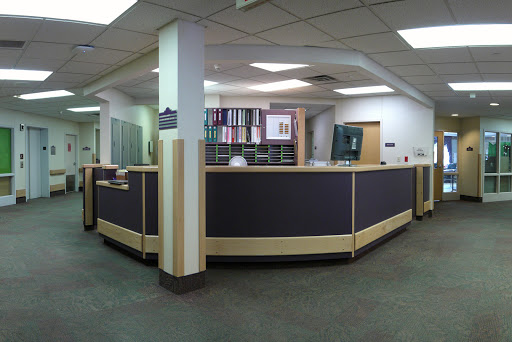
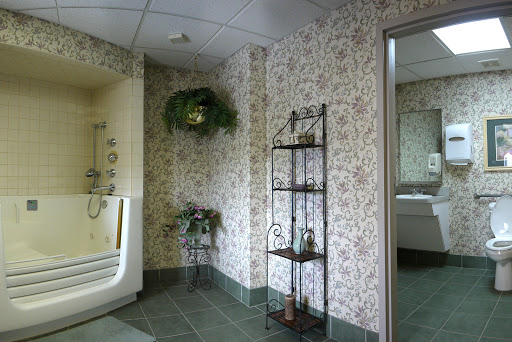
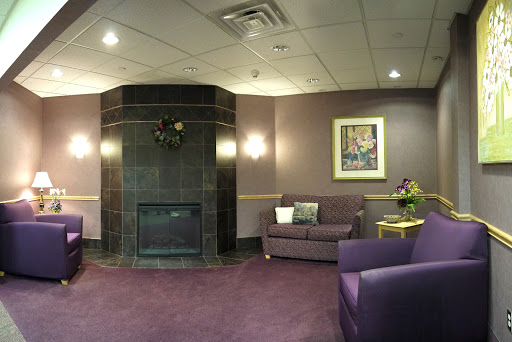
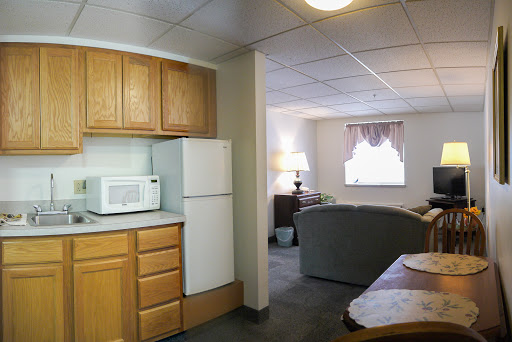
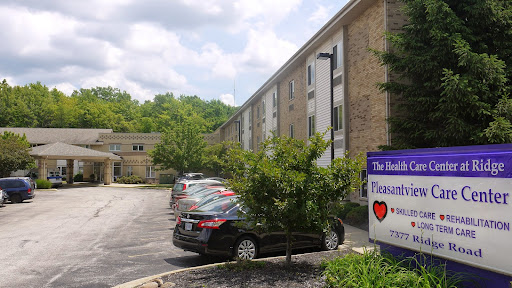
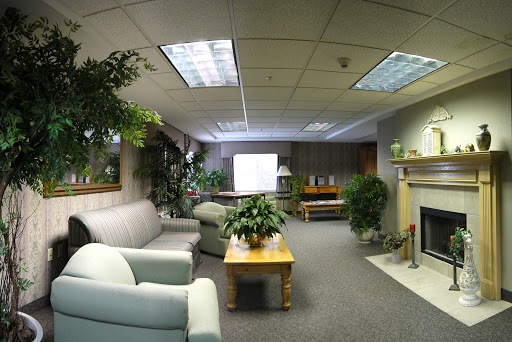
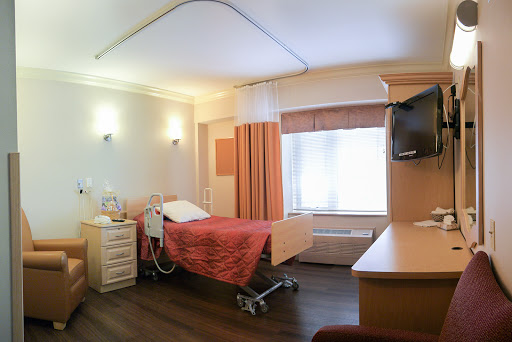
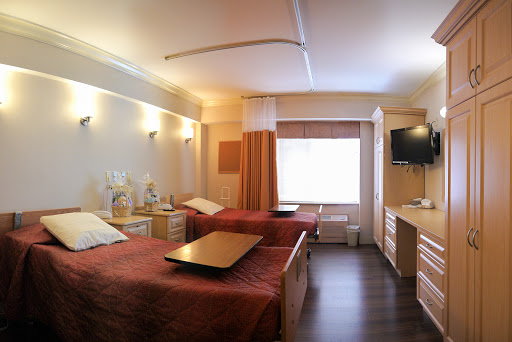
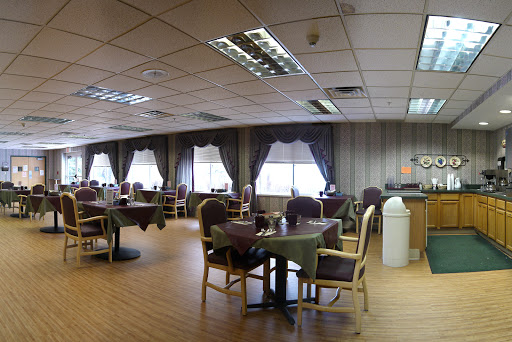
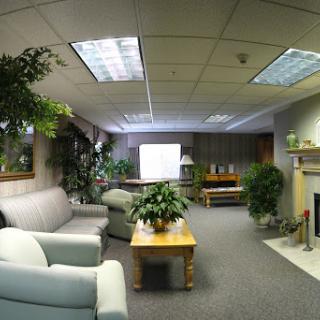
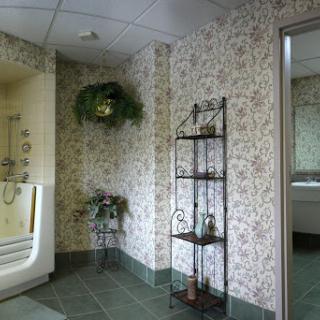
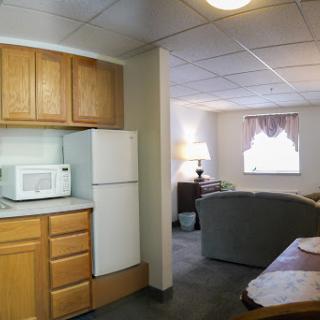
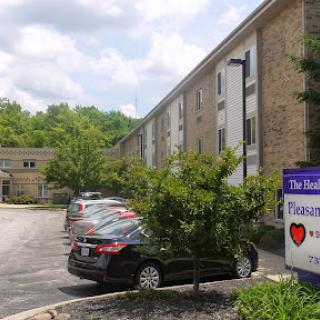
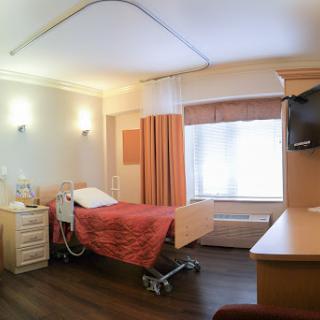
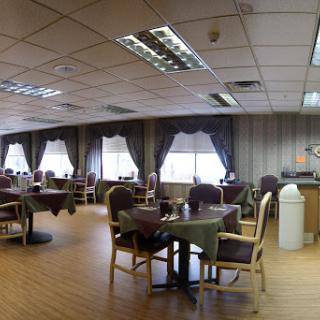
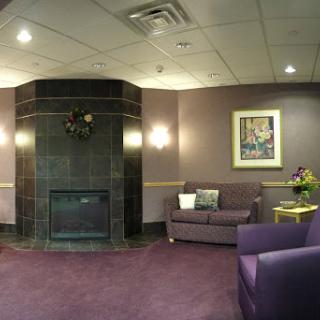
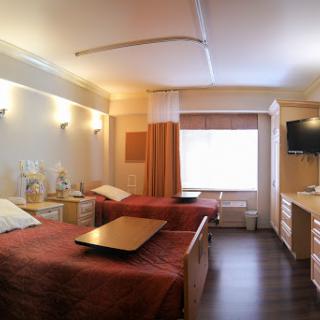
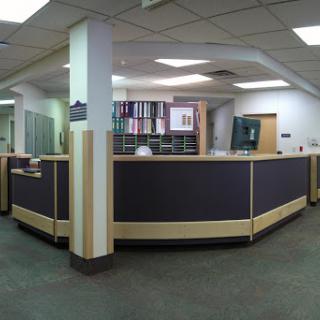
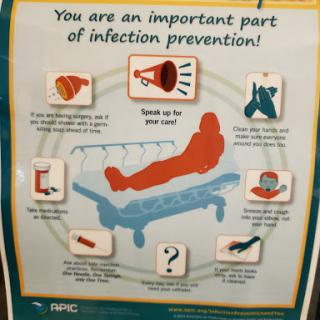
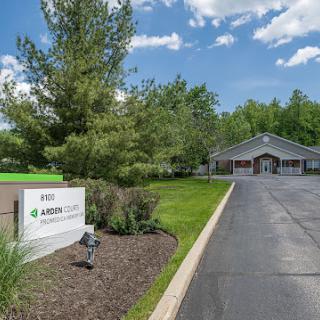
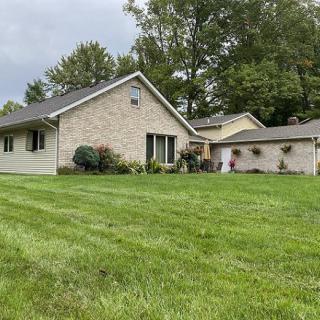
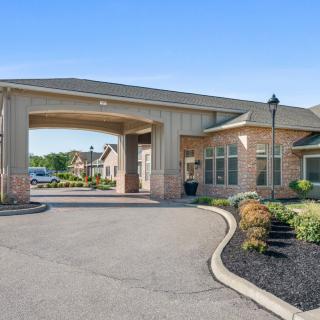
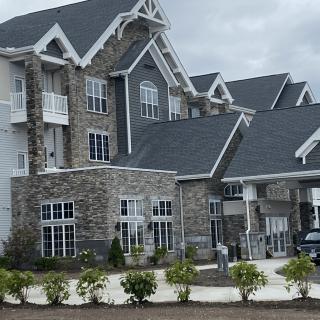
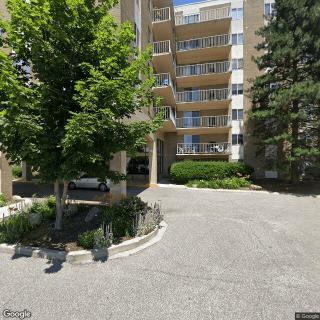
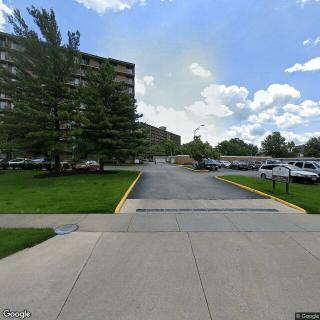
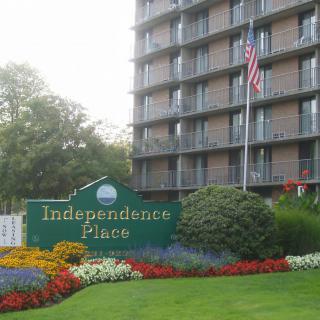
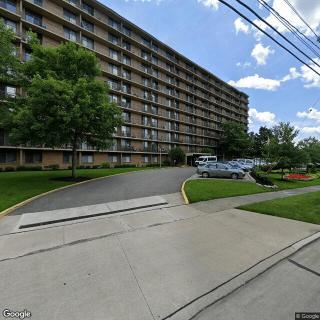
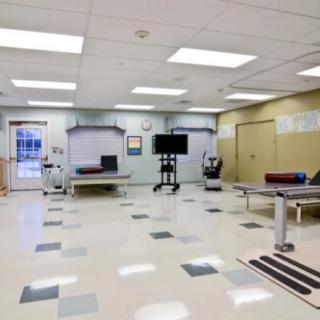
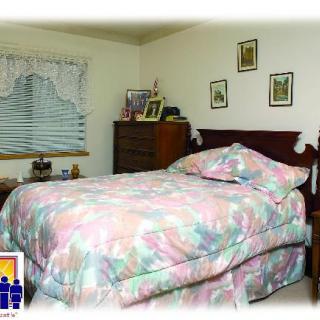
Pleasantview Care Center and Legacy Place on seniors.fyi includes 10 photos including images showing interior, workspace, lighting, bedroom, decor, office, kitchen, living room, and more.
Nearby Communities
Legacy Place Parma
Parma, OH
3.4 from 28 reviews
Friendly staff, clean facility, good meals, and engaging activities.
Dementia leads to cognitive impairment and can cause emotional and behavioral changes, including aggression that arises from frustration, confusion, or fear. Effective coping strategies for caregivers include understanding dementia's nature, recognizing triggers, using empathetic communication, and employing non-pharmacological interventions like music and art therapy.
Dementia causes cognitive decline and challenging behaviors that caregivers must manage, necessitating an understanding of the neurological basis of these issues. Effective strategies and self-care for caregivers can enhance support for those with dementia and improve their daily lives.
The content outlines five key early indicators of dementia, including significant memory loss and confusion about time and place, while emphasizing the need for professional evaluation and emotional support for both individuals showing symptoms and their caregivers. It encourages family members to monitor these signs closely and use online quizzes for initial awareness.
Get PricingAsk A QuestionSchedule A TourContact Senior Advisor
By clicking submit, you agree to our Partner's Terms of Use. You
also consent to receive calls and texts, which may be autodialed, from our Partner. Your consent is not a condition to
using our Partner's service. Please visit our Partner's Privacy Policy for information about their privacy practices.


 Assisted Living
 Memory Care
 Cats allowed
 Dogs allowed
 Activities on-site
 Beautician on-site
 Devotional services off-site
 Indoor common areas
 Outdoor common areas
 Respite or short term stays offered
 Wheelchair accessible showers
 Cleveland-Hopkins International (7 miles away)
 Diabetic care
 High acuity care
 Incontinence care
 Medication management
 Meals provided
 Friendly staff, clean facility, good meals, and engaging activities.

 When Dementia Sparks Anger and Aggression: Understanding the Connection and Ways to Cope
 Dementia Behaviors: In-Depth Understanding and Effective Coping Strategies
 5 Early Indicators of Dementia and What You Can Do