Harmony at Anderson in Cincinnati, OH

Save

Harmony at Anderson in Cincinnati, OH

Information last verified:

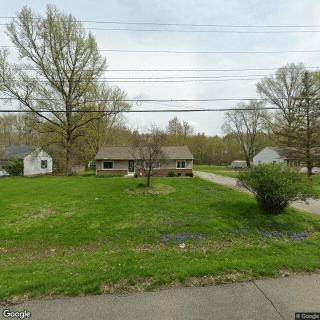
6201 Clough Pike, Cincinnati, OH 45244

For more information about senior living options: (844) 490-3973

3.9 from 49 reviews
5 stars
23
4 stars
14
3 stars
3
2 stars
2
1 stars
7

Harmony at Anderson Costs & Pricing

Harmony at Anderson offers competitive pricing for its living spaces when compared to both Hamilton County and the broader state of Ohio. For a studio, residents will pay $3,700 per month, which is notably lower than the county average of $4,327 and only slightly more than the state average of $3,727. The one-bedroom units are priced at $5,250, which exceeds both the county's figure of $4,174 and Ohio's average of $3,712, indicating a premium offering in this category. Meanwhile, the two-bedroom option is available for $6,125 - substantially higher than the county's average of $4,030 and Ohio's statewide figure of $3,501. These rates suggest that while Harmony at Anderson may offer certain advantages or amenities that justify the costs for one- and two-bedroom options, its studio pricing remains attractive to those seeking affordability in a desirable location.

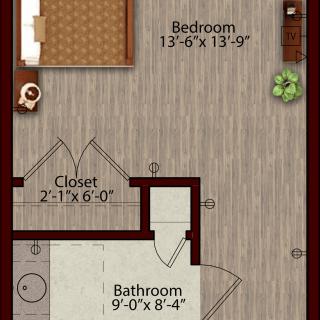
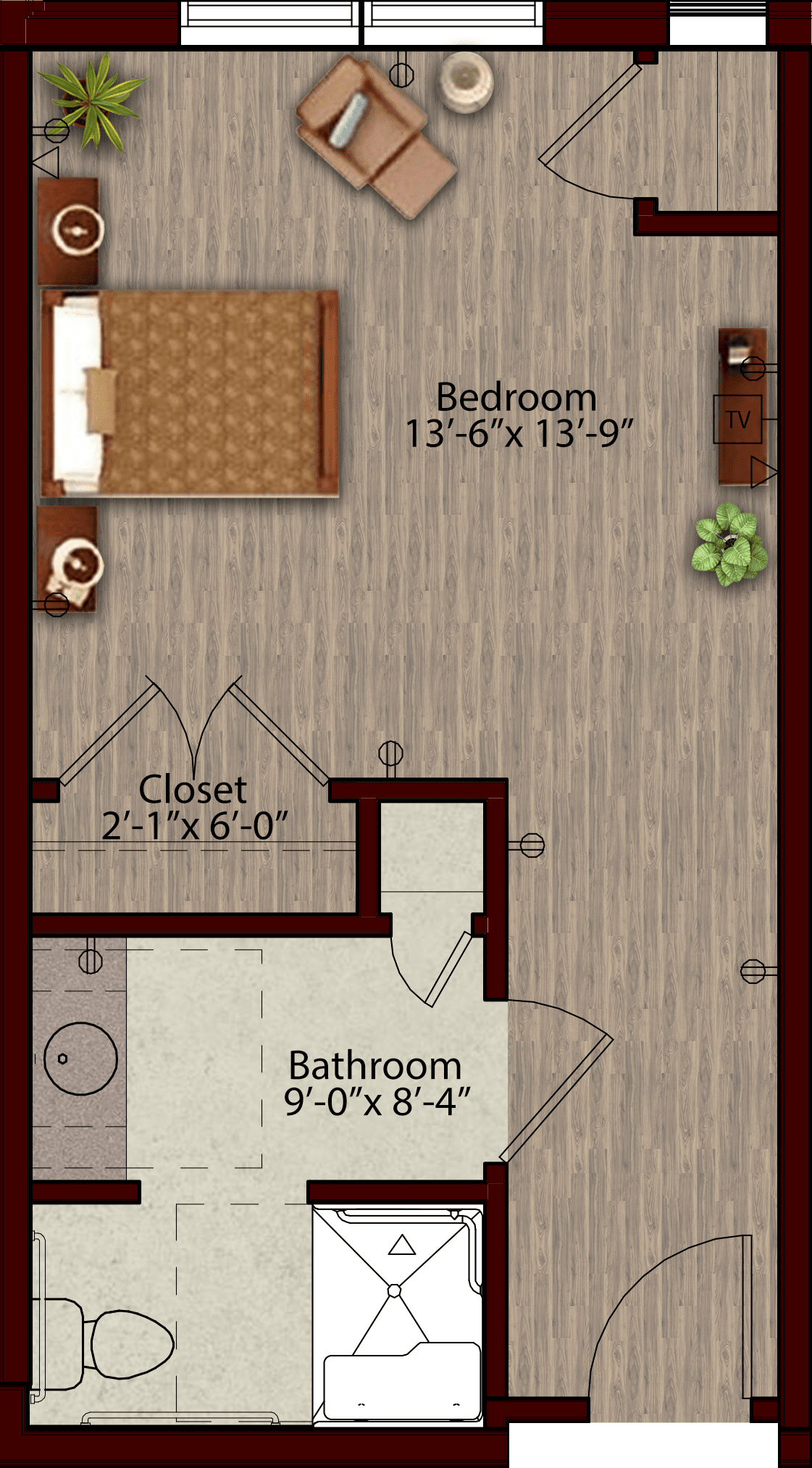
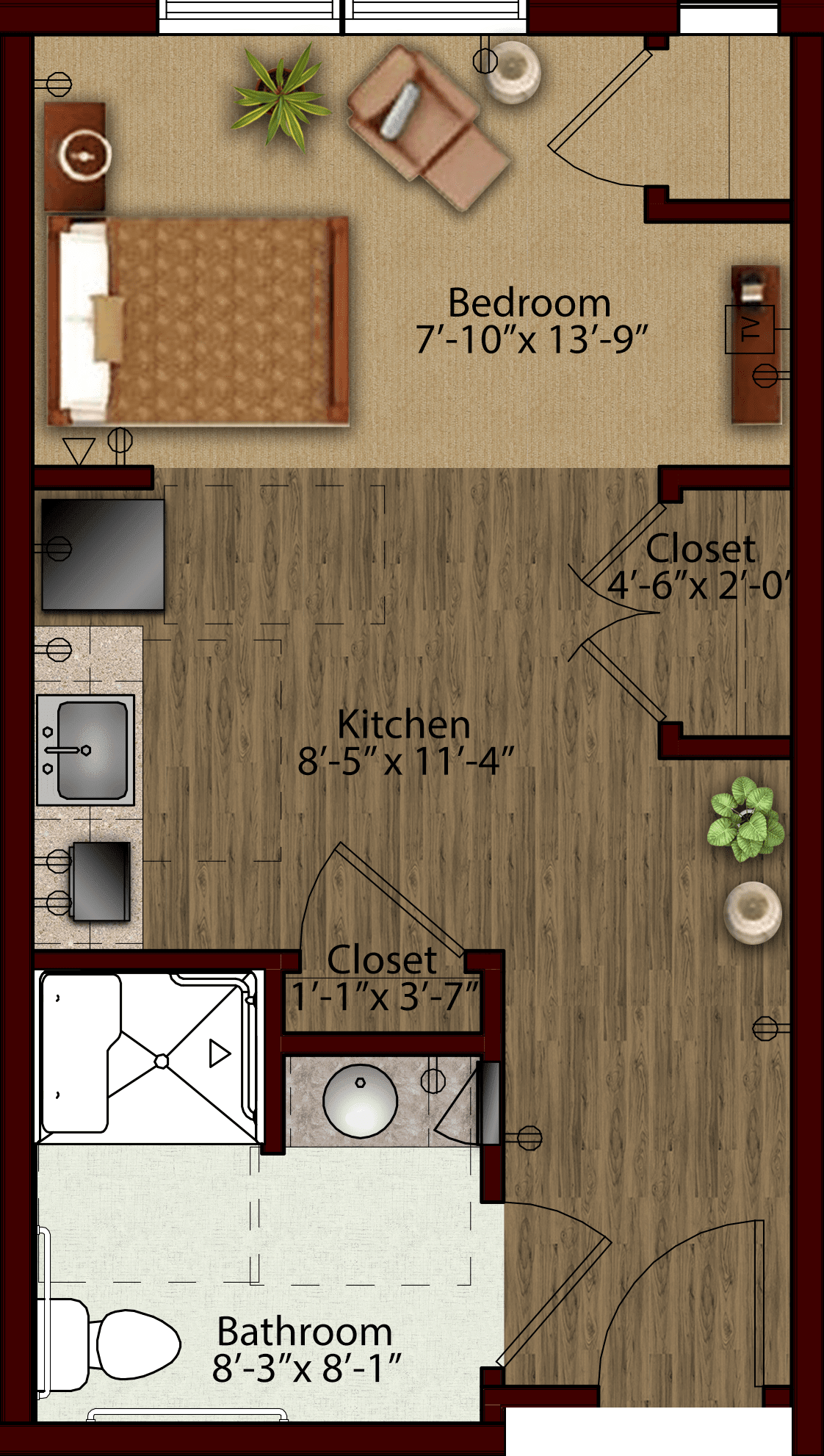
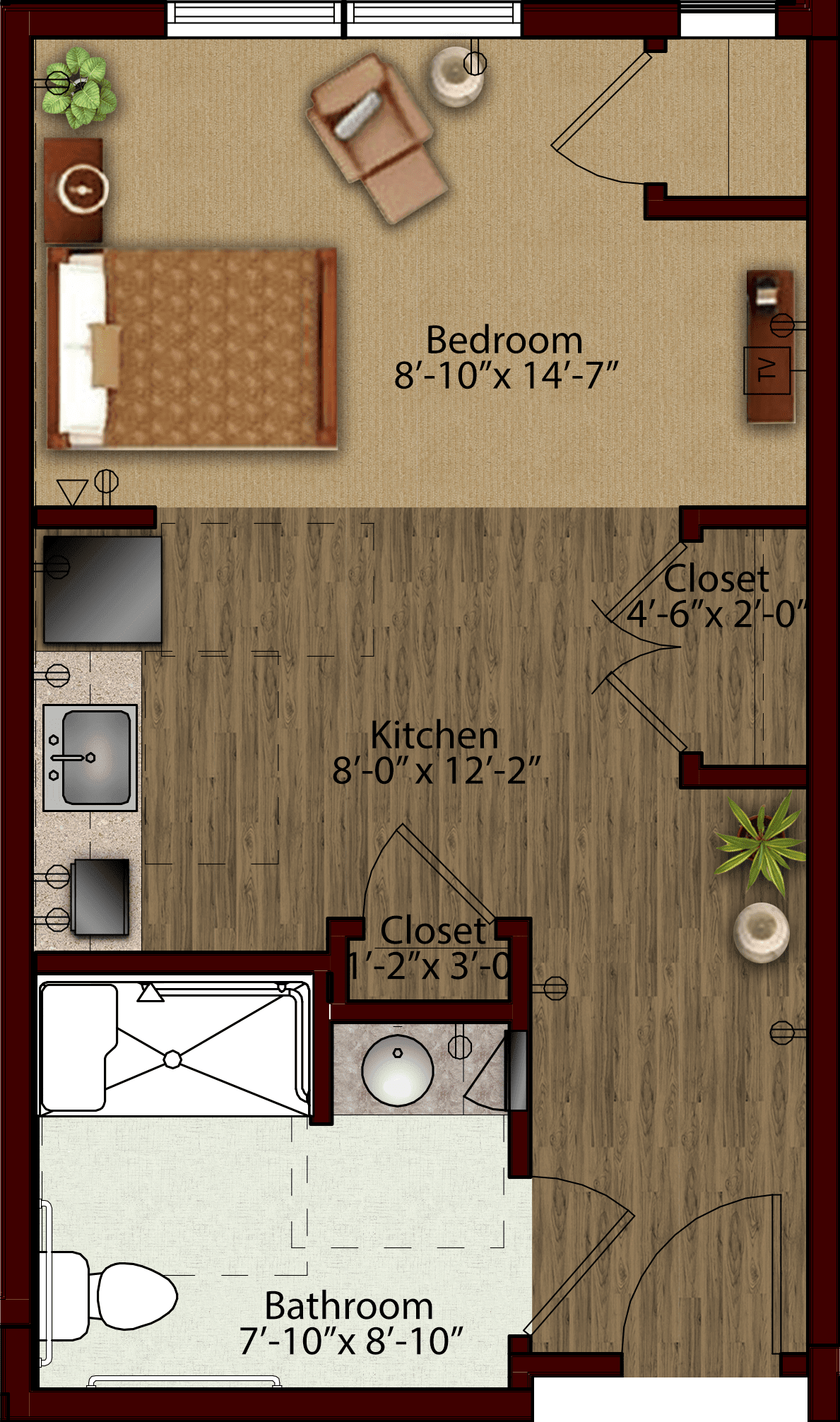
Floor plansHarmony at AndersonHamilton CountyOhio
Studio$3,700$4,327$3,727
1 Bedroom$5,250$4,174$3,712
2 Bedrooms$6,125$4,030$3,501

Overall Review of Harmony at Anderson

Pros

  • pro Harmony at Anderson is the best.
  • pro Kate is phenomenal with Memory Care residents in Harmony Square.
  • pro Kate and Rachel and the Harmony staff make visiting there a very positive experience.
  • pro This memory care facility stands out for its attentive, compassionate staff who know residents as individuals.
  • pro The rooms are well maintained and the food is exceptional and nutritious.
  • pro Harmony at Anderson is a beautiful and cozy community with a warm atmosphere.
  • pro Kate, the Memory Care Director, is incredibly passionate and creates meaningful moments that engage residents.
  • pro The staff are friendly and attentive.

Cons

  • pro The memory care unit is understaffed and inexperienced in dementia care.
  • pro There is no support from upper management, and medications are not administered on time.
  • pro The facility has had frequent leadership turnover since opening.
  • pro The meals are subpar and inconsistent due to frequent chef changes.
  • pro Aides are not consistently assigned, creating high pressure on the few staff and uneven care.
  • pro Some staff are described as rude, making the experience negative for residents and families.

Review

Harmony at Anderson is best suited for families seeking a warm, home-like community with a clearly defined emphasis on memory care and a value-driven approach to care. The standout feature is its Memory Care neighborhood, Harmony Square, where residents appear to be actively engaged under the guidance of a dedicated team. The Memory Care Director, Kate, is repeatedly described as a passionate, hands-on leader who builds meaningful moments and keeps families included in care. Across both the assisted living and memory care wings, the staff is praised for attentiveness, personalization, and a culture that feels familial rather than clinical. For families prioritizing social programming, music-driven activities, and a place that tries to make daily life feel purposeful, Harmony at Anderson checks many boxes.

Those evaluating alternatives should take a harder look if stability in leadership and consistent caregiving teams is non-negotiable. Several reviews highlight a history of frequent executive director and director of nursing turnover since opening, with accompanying shifts in management and kitchen leadership. That pattern can translate into recurring policy changes, variable care routines, and occasional gaps in day-to-day execution. For families who require tight after-hours nursing coverage, reliable weekend staffing, or a predictable staffing model over time, Harmony at Anderson may raise questions. Additionally, while many residents and families report strong personal connections with aides, there are worries about consistency and weekend coverage that could matter to someone with high, ongoing assistance needs.

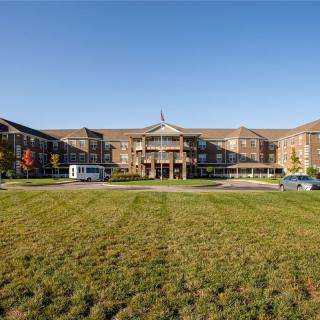
The pros largely offset the main cons when the emphasis is on engagement, warmth, and person-centered attention. The care model at Harmony places real value on getting to know residents as individuals, with staff who are seen as approachable and genuinely invested in daily life. The Memory Care unit earns particular distinction for activity-rich living, with structured programming, meaningful interaction, and a focus on dementia-aware communication that families consistently note as comforting. The environment itself, new, clean, and thoughtfully laid out, supports easy navigation for mobility-impaired residents and offers a secure outdoor space that can be used for reminiscence and light exercise. The dining experience has its advocates, and the one-price model that bundles room, meals, and care at some point in reviews is appealing for families seeking predictability in monthly budgeting. When parents and spouses are looking for a place that feels like home, Harmony’s atmosphere, personnel, and life-enrichment offerings often outweigh the risk of organizational churn.

On the other hand, several reviews flag substantial concerns that potential residents should weigh carefully. The most significant is the turnover among leadership and nursing staff, which occasionally correlates with variability in care pathways and operational consistency. A few families discuss challenges around after-hours nursing, medication management, and weekend coverage, which can be consequential for those with higher medical needs or those who rely on consistent nurse access. On the dining front, experiences vary: some praise the meals and note continuous improvements with new chefs, while others describe subpar or inconsistent food quality. The same chorus of care frustration appears in a few reviews that mention abrupt policy changes, fee increases without clear explanations, and disputes over refunds or contract terms. These threads suggest that while the facility can deliver warmth and engagement, the consistency of core clinical services can be uneven.

The balance of pros and cons makes Harmony at Anderson a compelling choice for families who prize engagement, staff warmth, and a home-like culture, provided there is a willingness to navigate leadership turnover and occasional service variability. The strongest offset comes from the care philosophy that treats residents as individuals, and from the visible commitment of core team members who stay the course, especially in memory care. Families with loved ones who need daily social interaction, purposeful activities, and a secure, welcoming environment will likely find Harmony a better fit than facilities that lean more toward clinical cadence or corporate inertia. The presence of a strong, person-centered memory care team, combined with an attractive building and a robust activities slate, can deliver real peace of mind even when leadership transitions occur.

For families actively touring Harmony at Anderson, an action-oriented plan is essential. Seek a transparent briefing on the current leadership structure, and request a candid outline of staffing schedules, especially for weekends and evenings, as well as the nursing coverage model for memory care and assisted living. Probe the exact pricing arrangement: confirm what is included under the “one-price” umbrella, verify any level-of-care charges, and clarify any recent changes in fees or contracts. Ask to meet the Memory Care director and several frontline aides who will be caring for your loved one, and request a sample activity calendar to gauge daily life. Finally, obtain references from multiple families about both memory care and assisted living experiences, focusing on consistency, responsiveness, and responsiveness to concerns. Harmony at Anderson remains a strong option for those who want a heartfelt, activity-rich home for a loved one, with the caveat that ongoing leadership stability and staffing consistency should be actively confirmed before making a final commitment.

Features

Housing

  • 1-bedroom apartments 1-bedroom apartments1-bedroom apartments are important for seniors because they provide a sense of independence, privacy, and autonomy while still offering the necessary space for comfortable living. These apartments allow seniors to maintain their own personal space and lifestyle preferences in a supportive community setting.
  • 2-bedroom apartments 2-bedroom apartments2-bedroom apartments are important for seniors because they provide extra space for guests, hobbies, and caregivers, as well as potential for additional income through roommates or rental.
  • Studio apartments Studio apartmentsStudio apartments are important for seniors because they offer a smaller, more manageable living space that is easier to navigate and maintain as physical abilities decline. Additionally, studio apartments provide seniors with independence and privacy while still being part of a community that offers support and social opportunities.

Types of Care

  • Assisted Living Assisted LivingAssisted living facilities provide crucial support and care for seniors who may need help with daily tasks such as medication management, bathing, and meal preparation. These communities offer a safe and comfortable environment where seniors can maintain their independence while receiving the assistance they need to thrive in their golden years.
  • Memory Care Memory CareMemory care is crucial for seniors as it provides specialized support and services for individuals with dementia or Alzheimer's disease. These programs offer a safe and secure environment where residents receive personalized care, cognitive stimulation, and help with daily activities. Memory care helps seniors maintain their independence, quality of life, and dignity while also providing peace of mind for their families.

Amenities

  • Activities off-site Activities off-siteEngaging in off-site activities is crucial for seniors to maintain social connections, stay active, and stimulate their minds. It promotes overall well-being and helps combat feelings of isolation and loneliness.
  • Activities on-site Activities on-siteActivities on-site are important for seniors because they provide opportunities for socialization, mental stimulation, physical activity, and overall well-being. Engaging in activities can help seniors stay active, maintain their independence, and improve their quality of life.
  • Air-conditioning Air-conditioningAir conditioning is important for seniors as they are more vulnerable to heat-related illnesses and may have underlying health conditions that make it difficult for them to regulate their body temperature. It helps to keep them comfortable, safe, and healthy in hot weather.
  • Beautician on-site Beautician on-siteHaving a beautician on-site at a senior living community is important for seniors as it allows them to easily access grooming and personal care services, boosting their self-esteem and overall well-being. It also provides convenience and helps seniors maintain their sense of independence and personal style.
  • Computer center Computer centerA computer center is essential for seniors as it provides access to technology, communication tools, and resources that can enhance their daily lives. It allows them to stay connected with loved ones, engage in online activities, and learn new skills, ultimately promoting socialization and mental stimulation.
  • Devotional services off-site Devotional services off-siteDevotional services off-site are important for seniors as they provide spiritual nourishment, social engagement, and a sense of community outside of the senior living facility. This can enhance overall well-being and help combat feelings of isolation and loneliness often experienced by older adults.
  • Devotional services on-site Devotional services on-siteDevotional services on-site provide seniors with spiritual support and a sense of community, as well as an opportunity for reflection and guidance during their senior living experience. This can promote emotional well-being and connection to others, leading to a more fulfilling and enriching lifestyle in their later years.
  • Full kitchen Full kitchenHaving a full kitchen in a senior living facility is important for seniors because it allows them to maintain their independence and prepare their own meals. This promotes healthy eating habits, saves money on dining out, and provides a sense of familiarity and comfort for residents.
  • Garden GardenGardens are important for seniors as they provide a peaceful and therapeutic environment for relaxation, physical activity, and socialization. Being in nature has been shown to reduce stress, improve mood, and promote overall well-being. Gardens also offer opportunities for seniors to engage in gardening activities, which can improve mobility, flexibility, and cognitive function. Additionally, gardens create a sense of community and connection with others who share a passion for plants and outdoor spaces.
  • Ground floor units Ground floor unitsGround floor units are important for seniors because they provide easy accessibility, reduced risk of falls and injuries, and convenience for those with mobility issues. Seniors can avoid climbing stairs or using elevators, making daily tasks and activities more manageable and enjoyable.
  • Handicap accessible Handicap accessible"Handicap accessible" amenities are crucial for seniors to ensure they can easily navigate and access facilities, services, and activities without barriers or limitations due to physical impairments. This promotes independence, safety, and inclusivity for seniors in senior living communities.
  • Housekeeping services Housekeeping servicesHousekeeping services are important for seniors because they help maintain a clean and safe living environment, promote independence, and reduce the risk of accidents or illnesses. Additionally, having assistance with household chores can alleviate physical strain and allow seniors to focus on other aspects of their well-being.
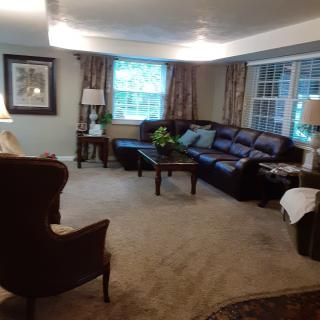
  • Indoor common areas Indoor common areasIndoor common areas are crucial for seniors as they provide a space for socialization, recreation, and community engagement, promoting overall well-being and reducing feelings of isolation and loneliness.
  • Kitchenette KitchenetteKitchenettes are important for seniors living in senior living communities because they provide the convenience and independence of being able to prepare simple meals and snacks in the comfort of their own living space. This can help promote a sense of autonomy and well-being for seniors, allowing them to maintain some level of control over their dietary choices and daily routines.
  • Outdoor common areas Outdoor common areasOutdoor common areas are important for seniors as they provide a space for socialization, physical activity, and relaxation. Being outside in nature can improve mood and overall well-being, while also encouraging movement and engagement with others. These spaces can help combat feelings of isolation and promote a sense of community among residents.
  • Private bathrooms Private bathroomsPrivate bathrooms are important for seniors in senior living communities because they provide independence, dignity, and comfort. Having a private bathroom allows seniors to maintain their personal hygiene routines without the need for assistance, promoting a sense of autonomy and privacy. Additionally, private bathrooms help prevent the spread of infections and provide a safe and clean environment for seniors to navigate safely.
  • Resident parking Resident parkingResident parking is crucial for seniors in a senior living community as it provides convenience, accessibility, and safety for residents who may have limited mobility or rely on personal vehicles for transportation. Having designated parking spaces ensures that seniors can easily access their homes without having to walk long distances or navigate crowded parking lots, ultimately enhancing their overall quality of life and sense of independence.
  • Respite or short term stays offered Respite or short term stays offeredRespite or short term stays provide seniors with a temporary solution when their regular caregiver is unavailable, offering them the opportunity to receive additional care and support during times of need, while also giving caregivers a chance to rest and recharge.
  • TV room TV roomTV rooms are important for seniors in senior living communities because they provide a space for social interaction, entertainment, and relaxation. Watching TV can help reduce feelings of loneliness and boredom, and create a sense of community among residents. Additionally, TV rooms offer a break from daily routines and can be a source of comfort and familiarity for seniors.
  • Wheelchair accessible showers Wheelchair accessible showersWheelchair accessible showers are crucial for seniors as they provide a safe and independent bathing option for those with mobility challenges. These showers help prevent falls and allow seniors to maintain their dignity and autonomy while ensuring they can bathe comfortably.
  • Wi-Fi/high-speed internet available Wi-Fi/high-speed internet availableWi-Fi/high-speed internet is important for seniors to stay connected with loved ones, access online resources, and participate in virtual activities to combat feelings of loneliness and isolation. It also allows them to easily manage healthcare needs, access entertainment, and engage in lifelong learning opportunities.

Transportation

  • Cincinnati Northern Kentucky International (18 miles away) Cincinnati Northern Kentucky International (18 miles away)
  • Transportation & parking Transportation & parkingTransportation and parking are vital for seniors as they offer access to essential services, activities, and social interactions. Reliable transportation options can help seniors maintain independence, stay connected within their community, and enjoy a higher quality of life. Additionally, convenient parking facilities ensure that seniors can easily access necessary resources and amenities without added stress or difficulty.

Care Services

  • Ambulatory care Ambulatory care"Ambulatory care services provide essential medical support and treatment to seniors without requiring hospitalization, allowing them to maintain their independence and quality of life while managing chronic conditions or receiving routine medical care."
  • Diabetic care Diabetic careDiabetic care is crucial for seniors as they are more susceptible to developing diabetes due to aging and other health conditions. Proper management of diabetes can help prevent complications such as heart disease, vision loss, and nerve damage, improving the overall quality of life for seniors in senior living communities.
  • High acuity care High acuity careHigh acuity care is important for seniors because it provides specialized medical attention and support for individuals with complex medical needs. This level of care ensures that seniors receive the appropriate treatment and assistance to maintain their health and quality of life as they age.
  • Incontinence care Incontinence careIncontinence care is essential for seniors to maintain their dignity, hygiene, and overall quality of life. By addressing incontinence issues promptly and effectively, seniors can enjoy a sense of independence and comfort in their daily activities.
  • Medication management Medication managementMedication management is crucial for seniors to ensure they are taking the right medications at the correct dosages and times. This helps prevent adverse drug interactions, reduces the risk of medication errors, and promotes overall health and well-being. Proactive management also allows for adjustments as needed based on changing health conditions or new prescriptions.

Dining

  • Gluten-free Gluten-freeGluten-free options are important for seniors as they are more prone to digestive issues and dietary sensitivities. Offering gluten-free meal choices in senior living communities can help improve their overall health and well-being.
  • Guest meals Guest mealsGuest meals are important for seniors living in senior living communities because they provide an opportunity for socialization and companionship. Sharing a meal with friends, family, or new acquaintances can help combat feelings of loneliness and isolation, promote a sense of community, and enhance overall well-being. Additionally, guest meals allow seniors to enjoy delicious food in a comfortable setting without the hassle of cooking or cleaning up, making dining a pleasurable and stress-free experience.
  • Low / no sodium Low / no sodiumLow/no sodium options are important for seniors because excessive sodium intake can lead to high blood pressure, heart disease, and other health issues commonly experienced by older adults. By choosing low/no sodium foods, seniors can better manage their health and reduce their risk of developing these conditions.
  • Meals provided Meals provided"Meals provided" are crucial for seniors in assisted living communities as it ensures they have access to nutritious, balanced meals without the stress of meal planning and preparation. This can help promote overall health and well-being for seniors who may have limited mobility or cognitive abilities.
  • No Sugar No SugarNo sugar diets are important for seniors because they can help prevent or manage chronic conditions such as diabetes, heart disease, and obesity. Sugar can also contribute to cognitive decline and inflammation in the body, so reducing sugar intake can lead to overall improved health and well-being in older adults.
  • Organic OrganicOrganic foods are important for seniors because they contain fewer chemicals and pesticides, which can be harmful to aging bodies. Additionally, organic foods often have higher nutrient levels, making them a healthier choice for maintaining overall well-being in older adults.
  • Professional chef Professional chefProfessional chefs are important for seniors living in senior living communities because they provide nutritious and delicious meals that cater to their dietary needs and preferences. A professional chef can ensure that seniors are receiving balanced, flavorful meals that support their overall health and well-being.
  • Restaurant style dining Restaurant style diningRestaurant style dining is important for seniors as it offers them a social and enjoyable dining experience, promotes healthy eating habits, and provides personalized menu options to cater to their dietary needs and preferences. This type of dining setting can enhance their overall quality of life and create a sense of community within the senior living facility.
  • Special dining programs Special dining programsSpecial dining programs are important for seniors because they provide nutritious meals tailored to their dietary needs and preferences. These programs also offer socialization opportunities, promote overall health and well-being, and can help prevent malnutrition.
  • Vegan VeganVegan diets can provide numerous health benefits for seniors, including lower risk of chronic diseases, improved digestion, and increased energy levels. Additionally, plant-based diets are often rich in essential nutrients that can support overall well-being and longevity in older adults.

Activities

  • Activities off-site Activities off-siteEngaging in off-site activities is crucial for seniors to maintain social connections, stay active, and stimulate their minds. It promotes overall well-being and helps combat feelings of isolation and loneliness.
  • Art classes Art classesArt classes are important for seniors because they provide a creative outlet, improve cognitive function, reduce stress and anxiety, promote socialization, and enhance overall well-being and quality of life.
  • Cooking classes Cooking classesCooking classes are important for seniors as they provide opportunities for social interaction, enhance cognitive skills, promote healthy eating habits, and boost confidence in the kitchen.
  • Day trips and outings Day trips and outingsDay trips and outings are important for seniors as they provide opportunities for socialization, mental stimulation, physical activity, and a break from daily routines. These experiences can enhance overall well-being and quality of life for older adults living in senior communities.
  • Devotional activities offsite Devotional activities offsiteDevotional activities offsite are important for seniors because they provide social engagement, spiritual growth, and a sense of community outside of their living environment. This can improve overall well-being, mental health, and combat feelings of isolation or loneliness.
  • Devotional activities on-site Devotional activities on-siteDevotional activities on-site provide seniors with a sense of community, spiritual fulfillment, and emotional support, promoting overall well-being and a positive sense of purpose in their lives.
  • Educational speakers / life long learning Educational speakers / life long learningEducational speakers and lifelong learning opportunities are crucial for seniors as they provide mental stimulation, promote social engagement, and contribute to overall well-being. Continuous learning helps seniors stay mentally sharp, build new skills, and maintain a sense of purpose and fulfillment in their lives. It also allows them to stay connected to the world around them and fosters a sense of community within senior living facilities.
  • Happy hour Happy hourHappy hour is important for seniors as it provides a social activity that promotes camaraderie and reduces feelings of loneliness or isolation. It also offers an opportunity for older adults to relax, unwind, and enjoy some drinks or snacks in a fun and welcoming atmosphere.
  • Karaoke KaraokeKaraoke provides seniors with a fun and social activity that can boost mood, confidence, and cognitive function. It encourages social interaction, physical movement, and creative expression, making it an important form of entertainment for senior living communities.
  • Live dance or theater performances Live dance or theater performancesLive dance or theater performances are important for seniors because they provide opportunities for socialization, mental stimulation, and emotional engagement. These performances can help combat feelings of isolation and loneliness, while also offering a sense of connection to the arts and culture. Additionally, watching live performances can bring joy and create lasting memories for seniors in their later years.
  • Live musical performances Live musical performancesLive musical performances can provide seniors with a sense of joy, nostalgia, and connection. Music has the power to evoke emotions and memories, improve mood and cognitive function, and foster social interaction among seniors. It can also serve as a form of therapy and stress relief for older adults, making it an important activity to include in senior living communities.
  • Stretching classes Stretching classesStretching classes are important for seniors because they help improve flexibility, reduce the risk of injury, and promote overall health and well-being. Regular stretching can also help alleviate joint pain and stiffness, enhance balance and coordination, and increase range of motion.
  • Wine tasting Wine tastingWine tasting can be a fun and social activity for seniors, allowing them to engage their senses, learn about different varieties of wine, and potentially meet new friends. It also offers health benefits such as improved cognitive function and reduced risk of heart disease when consumed in moderation.

Description

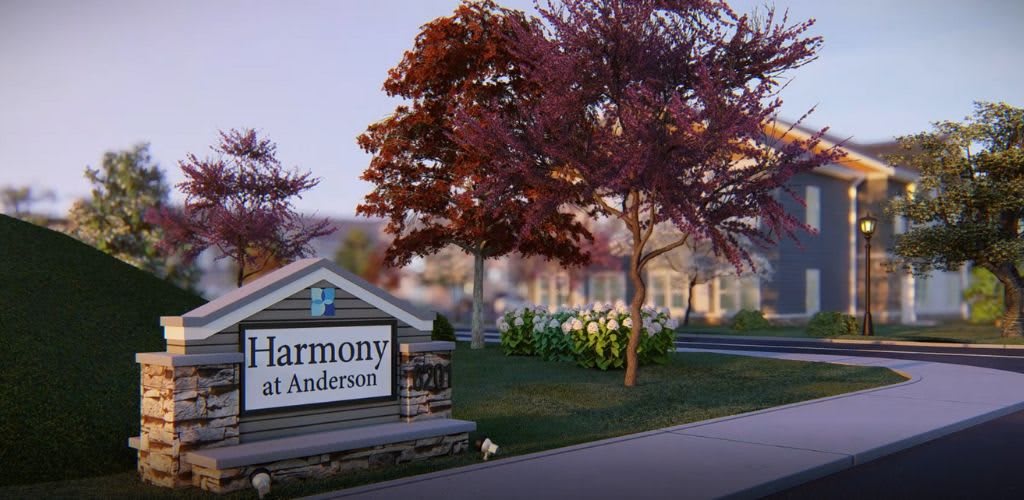
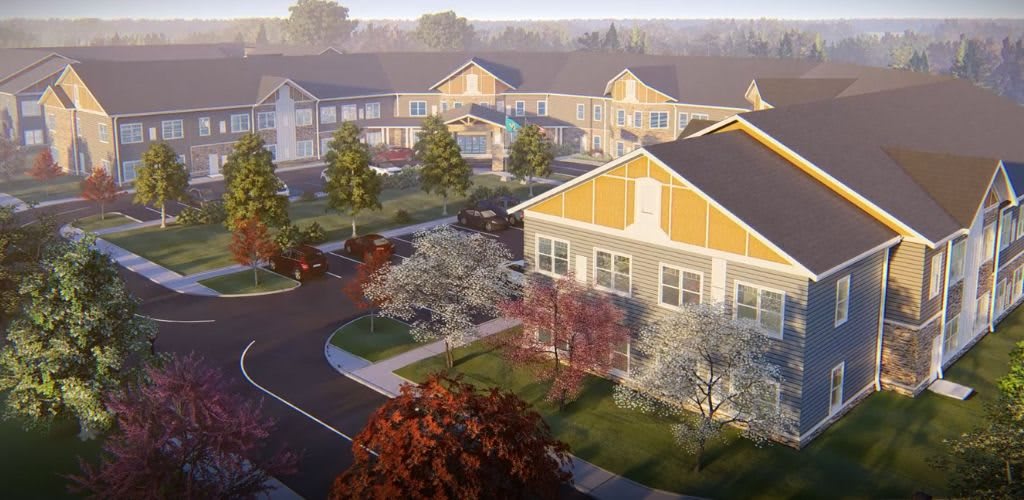
Harmony at Anderson is an assisted living community located in Cincinnati, OH. Our community offers 2-bedroom and studio apartments for our residents. We specialize in providing memory care for individuals with Alzheimer's or other forms of dementia.

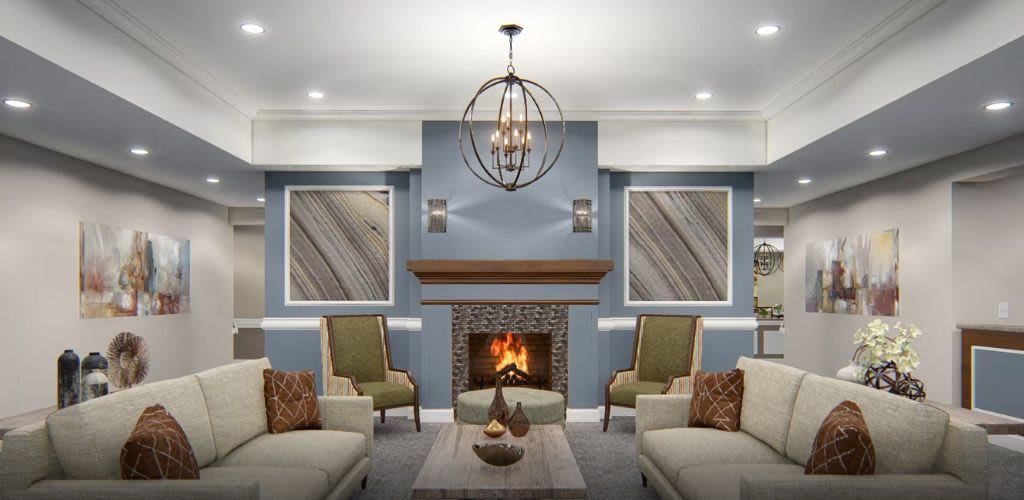
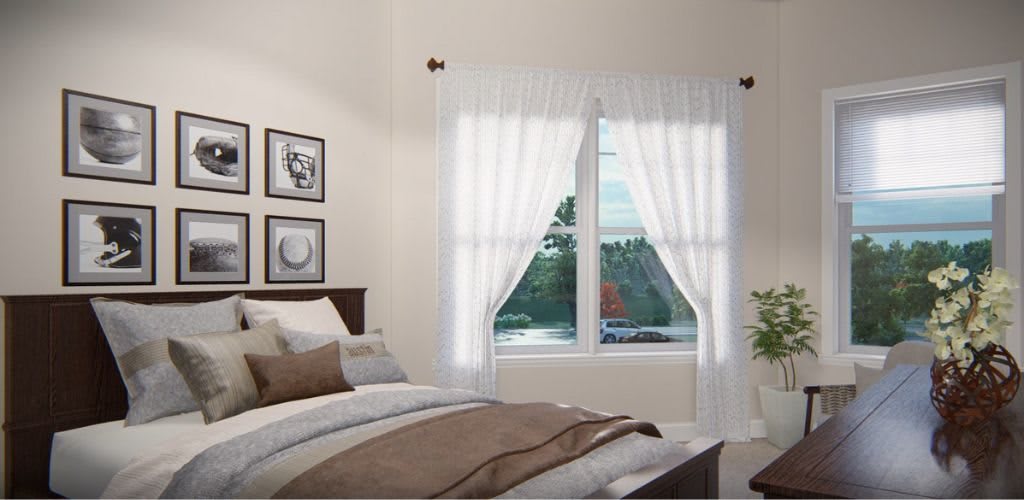
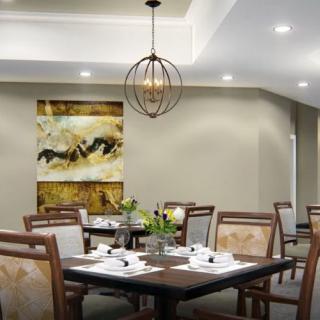
At Harmony at Anderson, we strive to create a comfortable and engaging environment for our residents. Our community is equipped with various amenities to enhance the quality of life of our residents, including activities on-site, air-conditioning, a beautician on-site, a computer center, devotional services off-site and on-site, a full kitchen, a garden, ground floor units, and handicap accessibility.

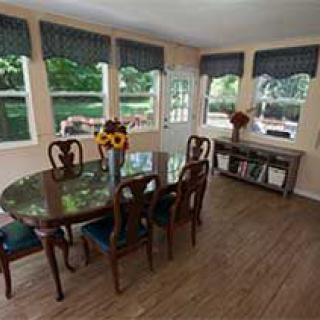
We understand the importance of maintaining cleanliness and orderliness within our community. Therefore, we provide housekeeping services to ensure that our residents can enjoy peaceful and clutter-free living spaces. Additionally, our indoor common areas are designed to foster socialization among residents.

The well-being and comfort of our residents are of utmost importance to us. That's why our apartments feature private bathrooms and kitchenettes. In addition, all showers within the community are wheelchair accessible.

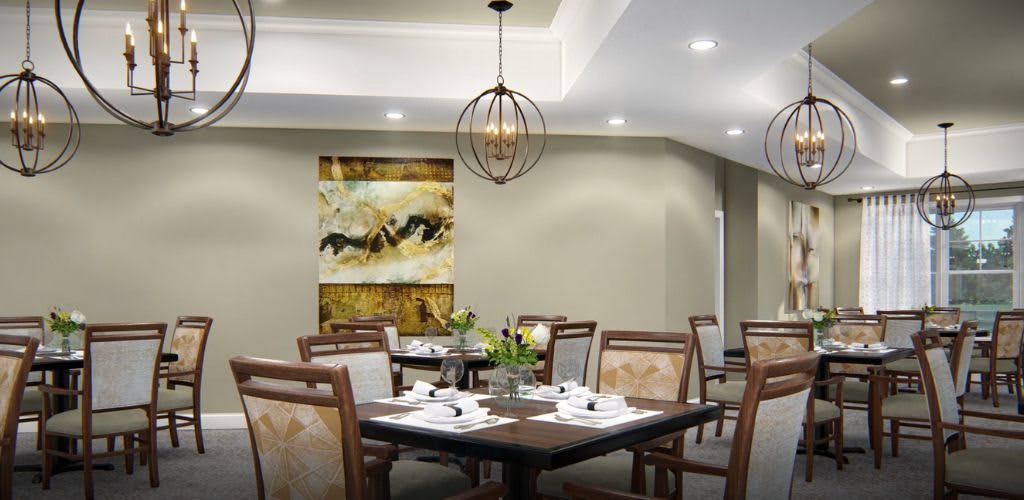
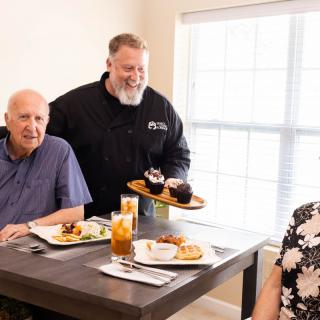
To cater to the individual dietary needs and preferences of our residents, we offer a range of dining options. Our meals are prepared by professional chefs who can accommodate low/no sodium diets, diabetic care plans, organic preferences, no sugar diets, and vegan options. Residents enjoy restaurant-style dining experiences along with special dining programs.

We believe that staying active and engaged is vital for the overall well-being of our residents. Thus, we offer a wide variety of activities such as art classes, cooking classes, day trips and outings to nearby places of interest. Residents can also take part in devotional activities both on-site and off-site. We invite educational speakers for lifelong learning opportunities as well as organize happy hours, karaoke sessions, live dance or theater performances and live musical performances to entertain our residents.

Our location is convenient with several cafes nearby for socializing or enjoying a coffee. We are also surrounded by numerous parks, pharmacies, physicians' offices, restaurants, places of worship and a hospital in close proximity.

At Harmony at Anderson, we strive to provide exceptional care and support to our residents. Our devoted staff is trained to provide high acuity care, manage medications effectively, and assist with incontinence care. We also offer respite or short term stays for individuals who may require temporary assistance.

We invite you to visit Harmony at Anderson and experience the warm and welcoming community that we have created for our residents.

Virtual Tour

Videos

Nearby Places of Interest

Located in Cincinnati, Ohio, this area offers a variety of amenities and services for seniors seeking a vibrant community. With multiple pharmacies nearby, access to healthcare is convenient, including hospitals like Mercy Health Anderson Hospital within close proximity. The neighborhood also boasts several parks for leisurely strolls and outdoor activities, as well as a range of dining options from fast food to sit-down restaurants. For spiritual nourishment, there are various places of worship scattered throughout the area. With medical facilities, recreational spots, dining establishments, and opportunities for spiritual fulfillment all within reach, this part of Cincinnati provides a well-rounded environment for seniors looking to settle down and enjoy their golden years.

Pharmacies

  • Walgreens (2.1 miles)
  • Walgreens (2.3 miles)
  • Kroger Pharmacy (3.1 miles)
  • Walgreens (3.1 miles)
  • CVS Pharmacy (3.2 miles)
  • Meijer Pharmacy (4.1 miles)
  • Walgreens (4.6 miles)

Hospitals

  • Mercy Health Anderson Hospital (2.3 miles)
  • Mercy Health - The Jewish Hospital (6.5 miles)
  • St Elizabeth Fort Thomas (7.5 miles)

Parks

  • Kroger Hills (2.5 miles)
  • Mariemont Concourse (2.5 miles)
  • Beech Acres Park (3.4 miles)
  • Dogwood Park (3.6 miles)
  • Union Township Veteran's Memorial Park (4.3 miles)
  • Withamsville-Tobasco Park (5.6 miles)
  • Chamberlin Park (6.8 miles)

Physicians

  • Group Health Associates (2.9 miles)
  • The Christ Hospital Physicians - Ohio Heart & Vascular (3.2 miles)
  • Trihealth Pulmonary Medicine (3.3 miles)
  • Advanced Spine & Pain Management (3.3 miles)
  • Visiting Physicians Association (3.3 miles)
  • Wellington Orthopaedic & Sports Medicine (3.5 miles)
  • Dr. Brian Vanderploeg & Associates (3.6 miles)

Cafes

  • Starbucks (3.1 miles)
  • Starbucks (3.2 miles)
  • Starbucks (3.5 miles)
  • Starbucks (5.3 miles)
  • Starbucks (6 miles)
  • Silverton Cafe (6.2 miles)
  • Starbucks (7.8 miles)

Restaurants

  • Raising Cane's Chicken Fingers (3.1 miles)
  • Frisch's Big Boy (3.1 miles)
  • CityBird Tenders (3.2 miles)
  • Skyline Chili (3.3 miles)
  • Skyline Chili (3.4 miles)
  • Frisch's Big Boy (3.4 miles)
  • Freddy's Frozen Custard & Steakburgers (4.1 miles)

Places of Worship

  • Saint Margaret of Corona Catholic Church (3.6 miles)
  • Crossroads Church East Side (3.8 miles)
  • City of Madisonville (4 miles)
  • St Gertrude Church (4.6 miles)
  • St Mary Church (5.5 miles)

Frequently Asked Questions

How much does it cost to live at Harmony at Anderson in Cincinnati, OH?
What floor plans and room types does Harmony at Anderson offer?
Where is Harmony at Anderson?
Does Harmony at Anderson provide care for residents with dementia or Alzheimer's disease?
What photos are available for Harmony at Anderson in Cincinnati, Ohio?

Nearby Communities

  • Angels Care Family Home Newtown

    Angels Care Family Home Newtown

    Newtown, OH

    4.5 from 43 reviews
    $6,950 / month

    pro Compassionate, family-centered staff in a welcoming, home-like setting.
  • Forest Hills Care Center

    Forest Hills Care Center

    Cincinnati, OH

    3.1 from 72 reviews
    $5,400 / month

    pro Well-kept facility with attentive care and pleasant gardens.

  • Arden Courts Of Anderson Township

    Arden Courts Of Anderson Township

    Cincinnati, OH

    4.5 from 67 reviews
    $7,670 / month

    pro Friendly, attentive staff and a home-like, well-maintained environment with engaging activities.

  • Home Sweet Home Adult Living

    Home Sweet Home Adult Living

    Cincinnati, OH

    5 from 55 reviews
    $5,500 to $6,900 / month

  • Diversicare Of St Theresa

    Diversicare Of St Theresa

    Cincinnati, OH

    3.6 from 67 reviews
    $1,740 to $8,190 / month

    pro Active director oversight of the dementia unit with engaging activities and a clean environment.

  • SEM Manor

    SEM Manor

    Cincinnati, OH

    4.1 from 22 reviews
     

    pro On-site activities and devotional services with convenient amenities.

  • The Ashford on Mt. Washington

    The Ashford on Mt. Washington

    Cincinnati, OH

    4.3 from 97 reviews
    $3,295 to $4,295 / month

    pro Bright, inviting facility with strong resident engagement and a dedicated Activities Director; good value for the area.

  • The Kenwood By Senior Star

    The Kenwood By Senior Star

    Cincinnati, OH

    4.4 from 97 reviews
    $2,210 to $6,885 / month

    pro Upscale, hotel-like environment with attentive staff and extensive amenities.

  • Eastgate Springs

    Eastgate Springs

    Cincinnati, OH

    4 from 106 reviews
     

    pro Compassionate, attentive staff providing supportive care during challenging stays.

Related Resources

  • assisted living waiver programA Detailed Exploration of Assisted Living Medicaid Waivers Across the United States

    Medicaid waivers for assisted living services provide vital support for seniors and individuals with disabilities in need of long-term care, with varying state-specific eligibility criteria and benefits. These waivers cover personal care and case management but often do not fully cover room and board, leading to waiting lists for many applicants.

  • assisted living vs skilled nursingExploring the Contrasts Between Assisted Living and Skilled Nursing

    The article compares assisted living and skilled nursing facilities, detailing their differing levels of assistance, medical support, cost structures, and day-to-day experiences. It emphasizes that assisted living is for those needing help with daily activities while maintaining independence, whereas skilled nursing facilities provide intensive medical care with 24-hour staff supervision.

  • active senior livingVibrant Senior Living: A Comprehensive Guide for Active Older Adults
    Vibrant Senior Living emphasizes active senior living communities that promote independence and engagement through diverse amenities and activities, fostering wellness and social interaction among older adults. These communities range from independent to assisted living, with a focus on personal growth, family involvement, financial planning, and leveraging technology to enhance residents' experiences.